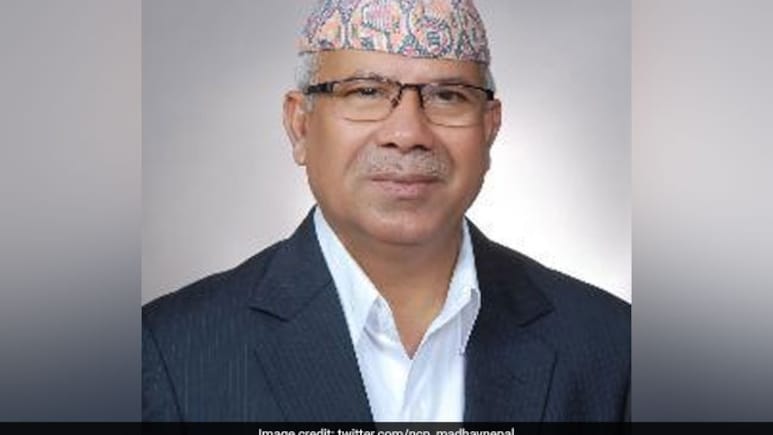
Former Prime Minister Madhav Kumar Nepal has filed his nomination to contest the March 5 general election from Rautahat‑1. He is one of four former prime ministers, alongside KP Sharma Oli, Baburam Bhattarai and Pushpa Kamal Dahal (Prachanda) contesting seats.
Madhav Kumar Nepal has been a key figure in Nepalese politics for decades. He served as Prime Minister from 2009 to 2011 and was General Secretary of the Communist Party of Nepal (Unified Marxist Leninist) for 15 years. He has been involved in Nepal's transition from monarchy to republic, leading legislative blocs, opposition forces, and negotiations among left parties.
Who Is Madhav Kumar Nepal?
Madhav Nepal was born on March 6, 1953, into a Brahmin family. He graduated in commerce from Tribhuvan University and briefly worked in banking and civil service before joining the communist movement in 1969. During underground activism, he used aliases such as 'Subodh', 'Sunil', and 'Ranjan.'
He rose through party ranks, becoming a politburo member of the Communist Party of Nepal (Marxist-Leninist) in 1978.
He served as Deputy Prime Minister in 1994-95, opposed military solutions during the Maoist insurgency, and helped bring Maoists into the peace process. He won multiple elections in Kathmandu and Rautahat and became Prime Minister in 2009. He resigned in 2010 to facilitate a national consensus.
Madhav Nepal spent most of his career in the CPN‑UML, rising to General Secretary and leading the party through parliamentary and electoral processes.
The Split In CPN‑UML
By 2021, divisions in CPN‑UML had grown. The immediate trigger came when 22 UML lawmakers supported a rival candidate for prime minister, defying the party whip. Madhav Nepal accused the party leadership, led by KP Sharma Oli, of ignoring collective decision-making.
On August 18, 2021, he registered the Communist Party of Nepal (Unified Socialist) (CPN‑US) with the Election Commission. Several lawmakers, central committee members, and party cadres joined him. Madhav Nepal became chairman, with senior leaders Jhala Nath Khanal and Pradeep Nepal forming the leadership core.
CPN‑Unified Socialist In Parliament
CPN‑US was an alternative left party. It built organisational structures, including youth and women's wings. After 2025 negotiations, it held 10 seats in the House of Representatives and eight in the National Assembly, allowing it to influence coalition decisions.
By 2024, disagreements arose over merging with other left forces, particularly the Communist Party of Nepal (Maoist Centre). Leaders such as Jhala Nath Khanal, Ghanashyam Bhusal, and Ram Kumari Jhakri opposed the merger.
By late 2025, Madhav Nepal's support weakened. Some senior leaders, including Jhakri, left the party, saying the organisation failed to achieve its goals.
Communist Re‑Unification In 2025
In late 2025, CPN‑US, CPN‑Maoist Centre, and seven smaller left factions merged to form a new Nepali Communist Party. The merger created a shared election symbol and programme. On November 4, 2025, CPN‑US formally dissolved. Madhav Nepal remains a key figure.
Track Latest News Live on NDTV.com and get news updates from India and around the world


