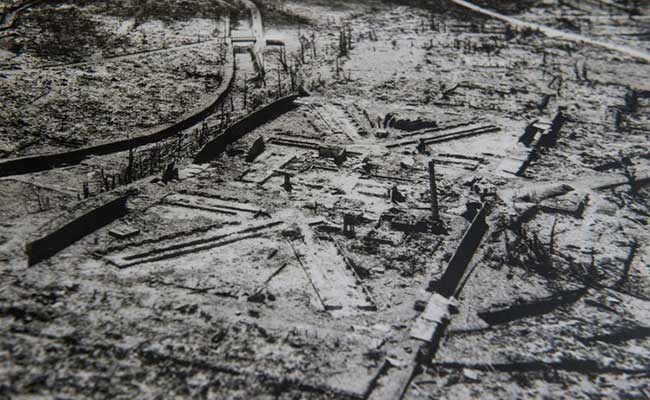
Over eight decades after Hiroshima and Nagasaki were nuked, Japan is preparing to help defend the United States, the country that levelled its cities.
Next week, Japan is expected to formally notify Washington of its intention to join the US-led Golden Dome initiative. Prime Minister Sanae Takaichi is set to announce the plan during a summit with US President Donald Trump on March 19, Reuters reported.
While details of Japan's participation are still being finalised, officials suggest this could involve co-developing or producing missiles to replenish US stocks depleted by the ongoing war on Iran and American involvement in Ukraine's conflict with Russia. Washington may also request Japan's help in missile production.
The nuclear attacks in Japan in 1945 killed over 2 lakh people, leaving survivors with lifelong health issues and a nation grappling with unprecedented devastation.
The Golden Dome Project
Launched by the Trump administration last year, the Golden Dome project seeks to expand America's missile defence capabilities. Japan is reportedly concerned that China and Russia's hypersonic weapons could get past normal defence systems.
Japan's Defence Role
Historically limited by its pacifist constitution, Japan has mostly restricted weapons exports. Last year, it exported Patriot surface-to-air missiles to the US. These missiles have been important in stopping attacks from missiles and drones in the Gulf, and Ukraine has also used them to defend against Russian forces.
Japan is also improving its own defence capabilities. Defence Minister Shinjiro Koizumi announced that Tomahawk cruise missiles are being delivered to the Maritime Self-Defence Force, allowing long-range attacks from a safe distance.
With ranges of up to 1,600 km, the missiles will be fitted on the Aegis destroyer Chokai after live-fire tests in US waters. Japan is also adding Norway's Joint Strike Missile to its F-35 fighter jets to strengthen attacks against ships and ground targets.
When The US Bombed Japan
On August 6, 1945, the US dropped an atomic bomb, “Little Boy”, on Hiroshima, instantly killing around 80,000 people. Three days later, Nagasaki was hit with “Fat Man”, killing roughly 40,000 immediately. Tens of thousands more died later from radiation sickness and injuries.
The attacks, the US said, aimed to force Japan to surrender and end World War II quickly. Hiroshima and Nagasaki were selected because they had military importance and dense civilian populations, which meant maximum impact on Japan's war-making ability. Japan surrendered on August 15, 1945, officially ending World War II.
Track Latest News Live on NDTV.com and get news updates from India and around the world


