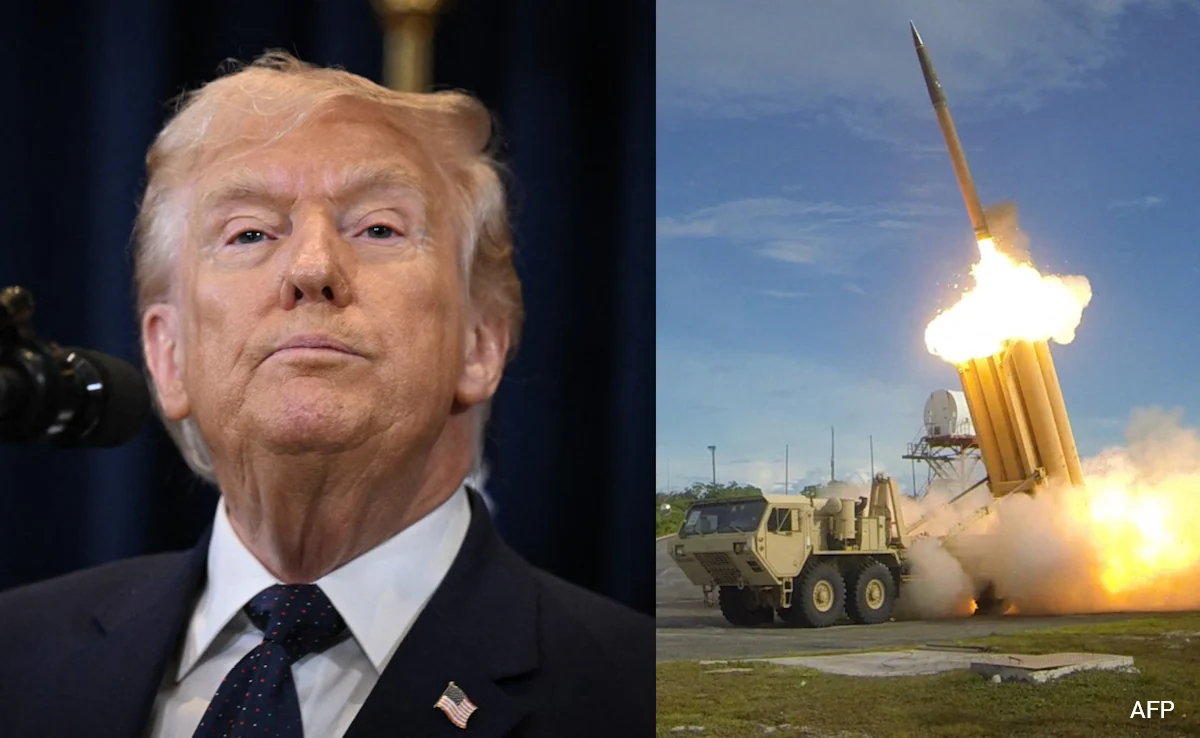
The US is relocating parts of the terminal high-altitude area defence (THAAD) missile-defence system along with other military hardware out of South Korea to the Middle East for its war against Iran.
South Korea hosts a major US military presence in combined defence against nuclear-armed North Korea, with about 28,500 troops and surface-to-air defence systems.
Needless to say, South Korea is not happy.
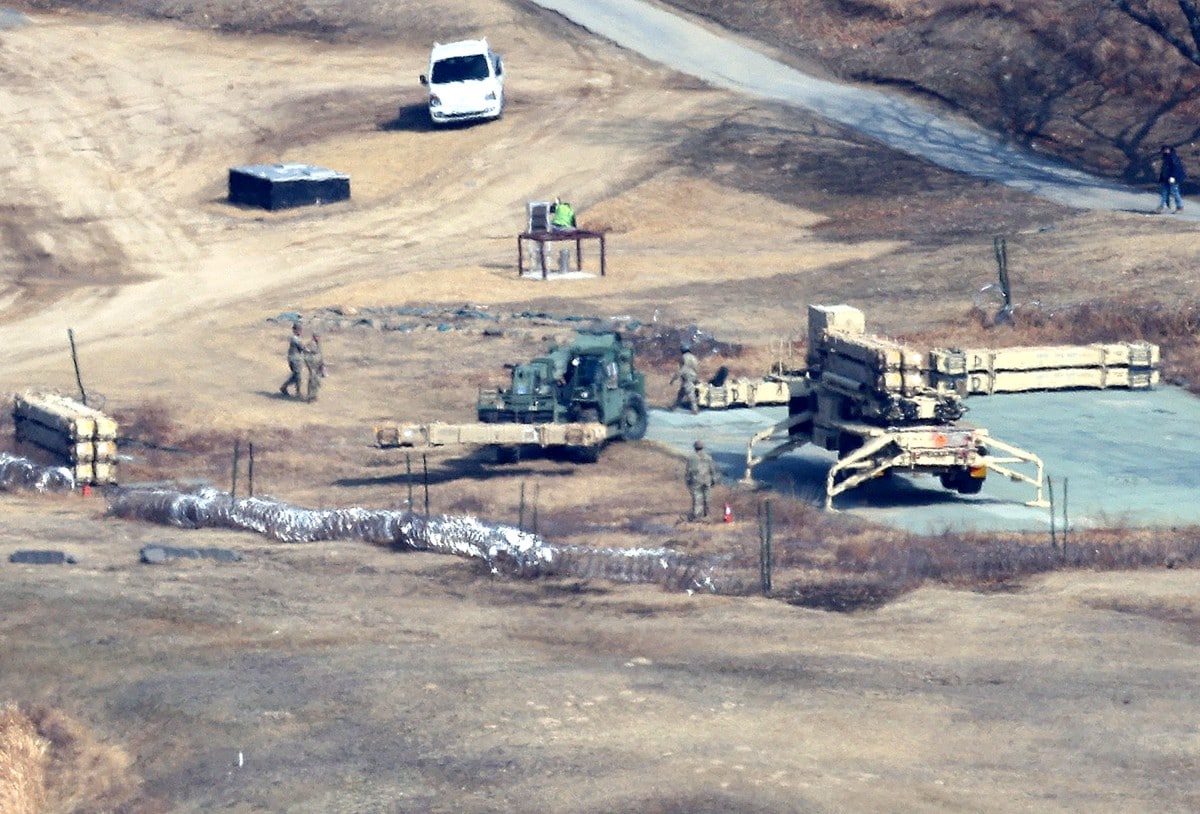
A launch vehicle of the Terminal High Altitude Area Defence (THAAD) system at a US military base in Seongju
Photo Credit: AFP
Almost 10 years ago, trucks carrying the THAAD missile-defence system appeared in the South Korean village of Seongju transforming the sleepy village to a key location in the country to counter an attack from North Korea.
The missile-defence system would protect South Korea from Pyongyang's missiles and it also displeased China and Russia which alleged that THAAD's radar could compromise their security.
The redeployment has cast doubts about US President Donald Trump's security commitment for South Korea against armed attack and South Korean President Lee Jae Myung had "expressed opposition" to the withdrawal of US weapons.
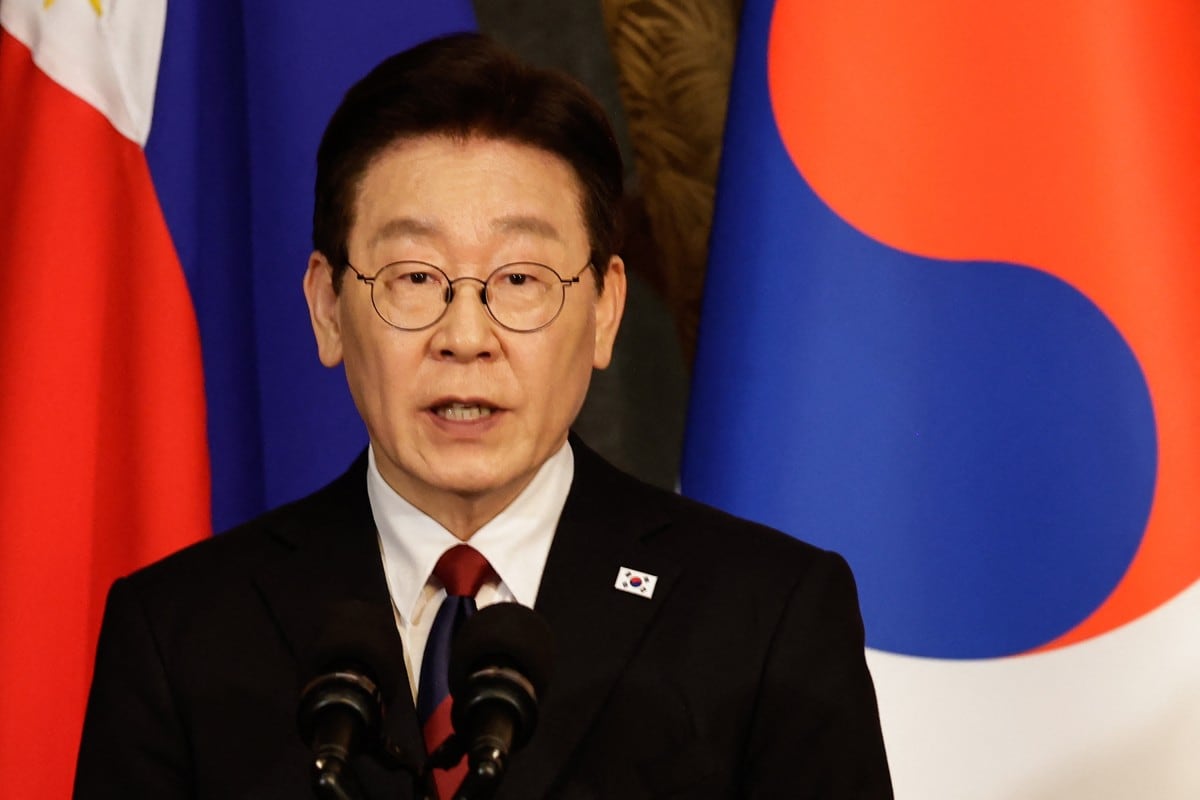
South Korean President Lee Jae Myung
Photo Credit: AFP
The reduced capability of the country to defend itself "inevitably raises concerns" reported JoongAng Daily, a South Korean newspaper.
"The [South Korean] government should work to ensure that any redeployed assets return promptly once their missions end, minimising potential gaps in deterrence against North Korea. Efforts to strengthen Korea's own defence capabilities should also accelerate", it said.
Read | US THAAD Radar System, Worth $300 Million, Obliterated By Iran
"There is a risk that North Korea could miscalculate the relocation of some of these weapons as a pretext for low-level provocations to test the allies' defence posture," Choi Gi-il, a military studies professor at Sangji University, told the Guardian.
North Korean leader Kim Jong Un said in February he would focus on expanding his country's nuclear arsenal and called South Korea its "most hostile enemy," while overseeing the test-firing of a missile on a naval destroyer last week.
However, Jae Myung reassured the public that the redeployment would not hinder Seoul's capability to deter enemies.
(With inputs from agencies)
Track Latest News Live on NDTV.com and get news updates from India and around the world


