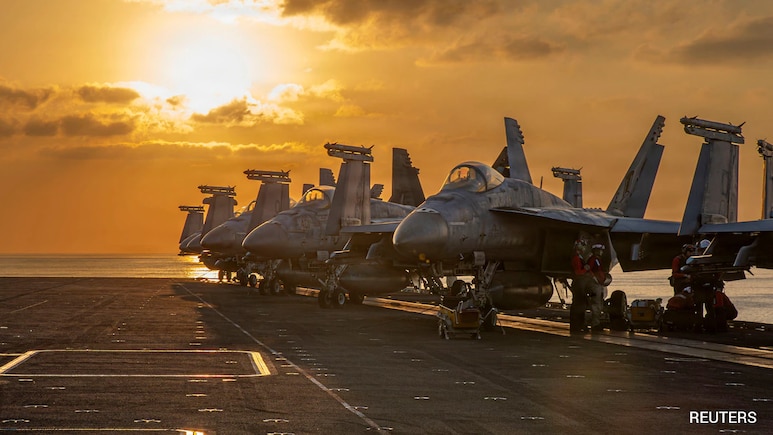
As the war between Israel and Iran enters its ninth day with intense aerial strikes and mounting regional tensions, Israel's objective is to weaken the Iranian regime to a point where internal change becomes possible, according to former Israeli Defence Forces (IDF) international spokesperson Lieutenant Colonel Jonathan Conricus.
Speaking to NDTV's Senior Executive Editor Aditya Raj Kaul in Israel, Lt Colonel Conricus said the ongoing military campaign is not designed to produce an immediate new leadership in Tehran but rather to degrade the regime's military capabilities and create conditions that could enable the Iranian people to challenge the ruling establishment.
"It's too early to determine who will be the leader," Lt Colonel Conricus said. "What Israel aspires to do is to sufficiently weaken the Iranian regime militarily so that once Israel stops bombing, the regime will be weak enough for the Iranian people to actually take to the streets and reclaim the country."
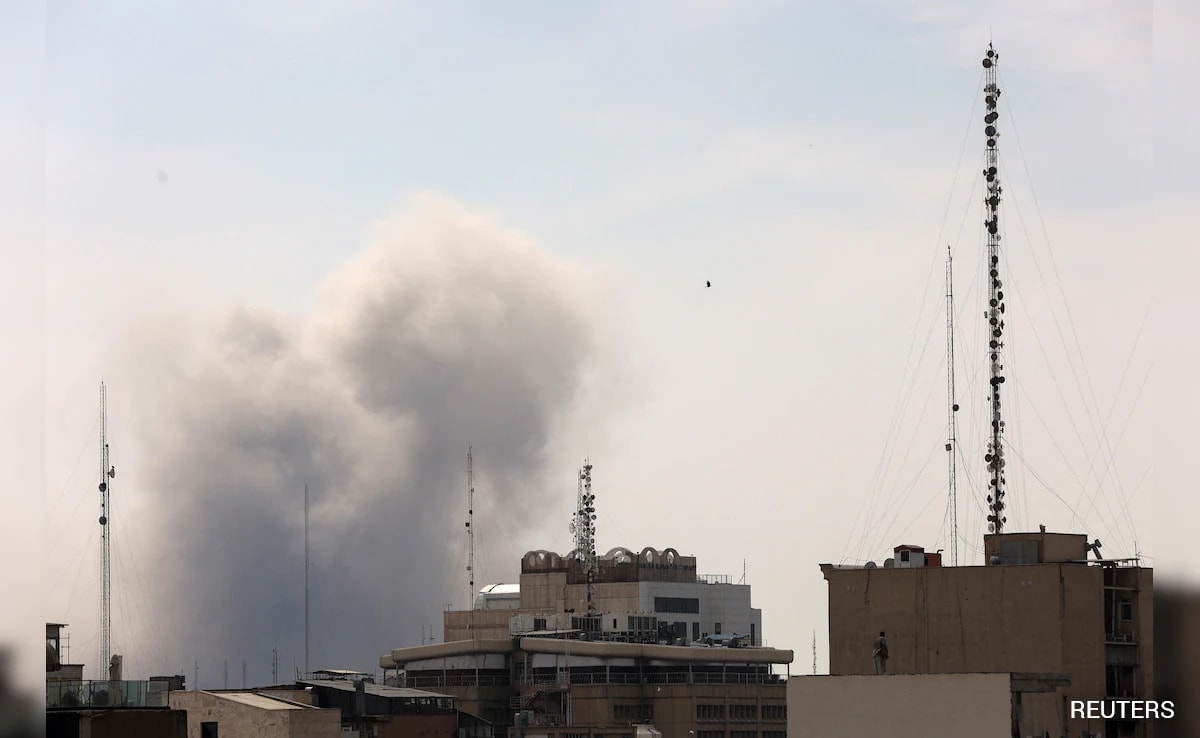
The conflict has seen Israel and the US carry out sustained strikes on Iranian military infrastructure, weapons production sites and supply chains. Iranian cities, including Tehran, have faced some of the most intense bombardment in decades, while Iran has responded with ballistic missiles and drone attacks targeting Israel and several regional countries.
The war marks one of the most direct and large-scale confrontations between Israel and Iran in modern history, following years of shadow conflict, proxy warfare and covert operations. Tensions escalated dramatically after Iran launched large missile barrages toward Israel, prompting coordinated military action by Israel and its allies.
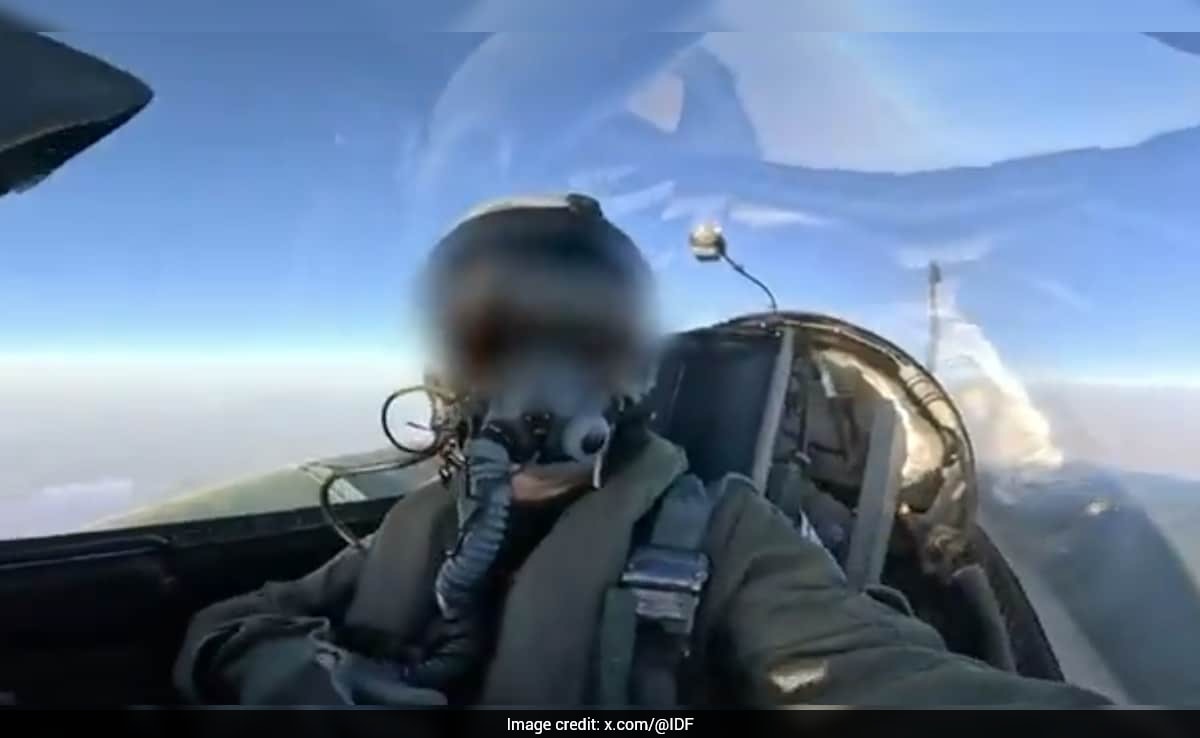
Lt Colonel Conricus said the Iranian leadership currently appears to be struggling to maintain internal coordination amid the ongoing strikes.
"Even the Iranian leadership is struggling to communicate coherently and convene meetings to select the next leader. They appear to be in disarray," he said, adding that the real question is not who might eventually replace the current leadership but how severely Israel can degrade the regime's military apparatus before the fighting stops.
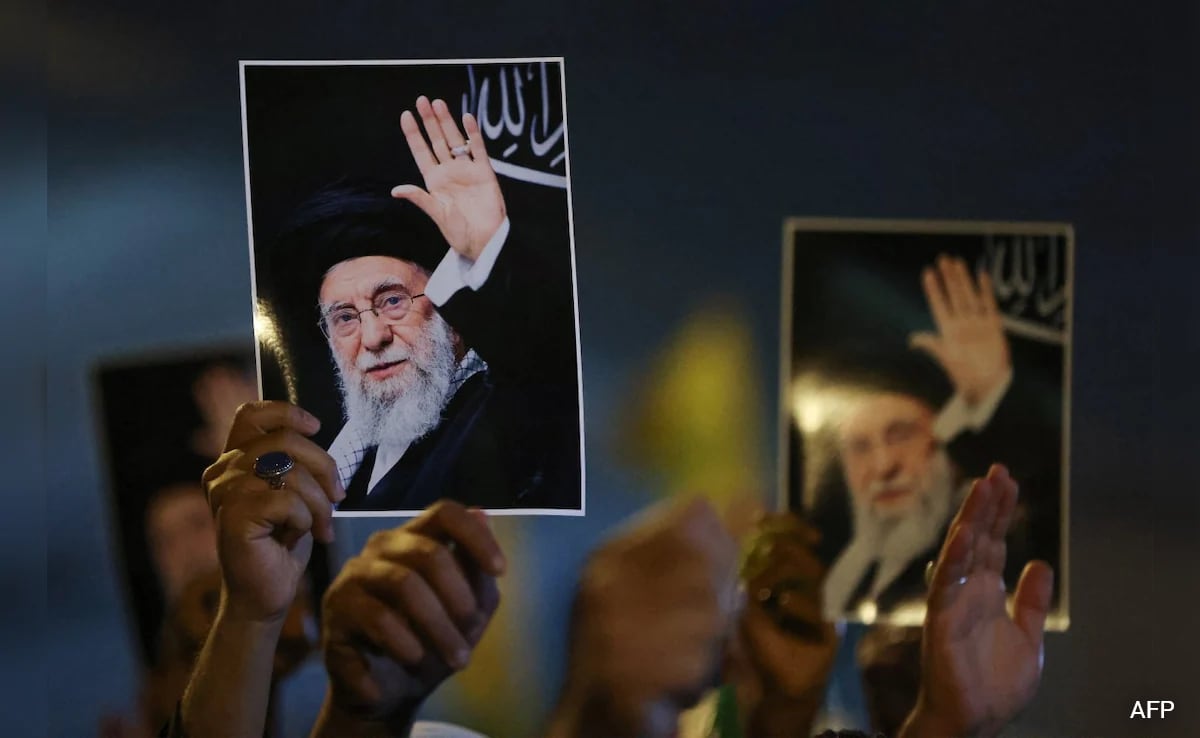
The United States has backed Israel's military campaign and significantly contributed to air operations and intelligence coordination. US President Donald Trump, who has been closely associated with the administration's current strategy, has publicly called for Iran's "unconditional surrender," signalling a hardline stance and ruling out immediate ceasefire negotiations.
However, Lt Colonel Conricus indicated that behind-the-scenes diplomatic contacts may still be taking place.
"I'm sure that as we are speaking, the CIA, Mossad, and Americans and Israelis are talking with Iranians directly or indirectly," he said. "They are trying to identify whether there is someone who could emerge as a transitional leader, someone with local credibility but also acceptable to the West."
Such a scenario, he suggested, could offer a pathway to stability without prolonging the conflict indefinitely.
"Neither Israel nor the US have an interest in an endless war," Lt Colonel Conricus noted. "If a transitional leadership solution could be found, that could provide stability for the region, hope for the Iranian people, and for Israel the undoing of a regime that has been making our lives very difficult for decades."
Still, the timeline for the conflict remains uncertain. While some earlier estimates suggested the war might last four to five weeks, Israeli officials have recently indicated that there is no fixed timeframe for the operation.
The uncertainty reflects lessons drawn from other modern conflicts, including the ongoing Russia-Ukraine war, where military engagements have proved far easier to start than to conclude through negotiations.
Despite the lack of a defined timeline, Lt Colonel Conricus argued that Iran's military capacity to sustain the conflict may be limited.
"They started the war with around 2,000 ballistic missiles and tens of thousands of kamikaze drones," he said. "At one stage, they will run out."
According to him, Israeli and US forces currently enjoy near-total aerial superiority, enabling them to systematically target Iran's weapons production chain.
"Israel is targeting the entire supply chain of the Iranian defense industry - from nuts and bolts up to rocket fuel and advanced machinery," he said. "Everything along the way is being targeted because Israel can."
The destruction of manufacturing facilities and supply lines could make it increasingly difficult for Iran to replenish its missile stockpiles or continue producing advanced weaponry.
Lt Colonel Conricus also pointed to the logistical challenges facing Iran as the war continues.
"They lack the ability to import weapons or raw materials needed for manufacturing, and they are going to lose more of their domestic production capability as strikes continue," he said.
If those trends continue, he suggested, Iran could eventually lose the ability to project military force not only against Israel but also across the broader Middle East.
For now, the conflict continues with no immediate sign of de-escalation. Regional governments and global powers are closely watching developments amid fears that the war could expand further or trigger wider instability.
Yet the strategic objective from Israel's perspective, Lt Colonel Conricus said, remains clear: weaken the Iranian regime to the point where its grip on power becomes unsustainable.
"How weak the regime will be once the strikes stop, and how fast the Iranian people can reclaim their country - those are the questions that will determine what happens next," he said.
Track Latest News Live on NDTV.com and get news updates from India and around the world


