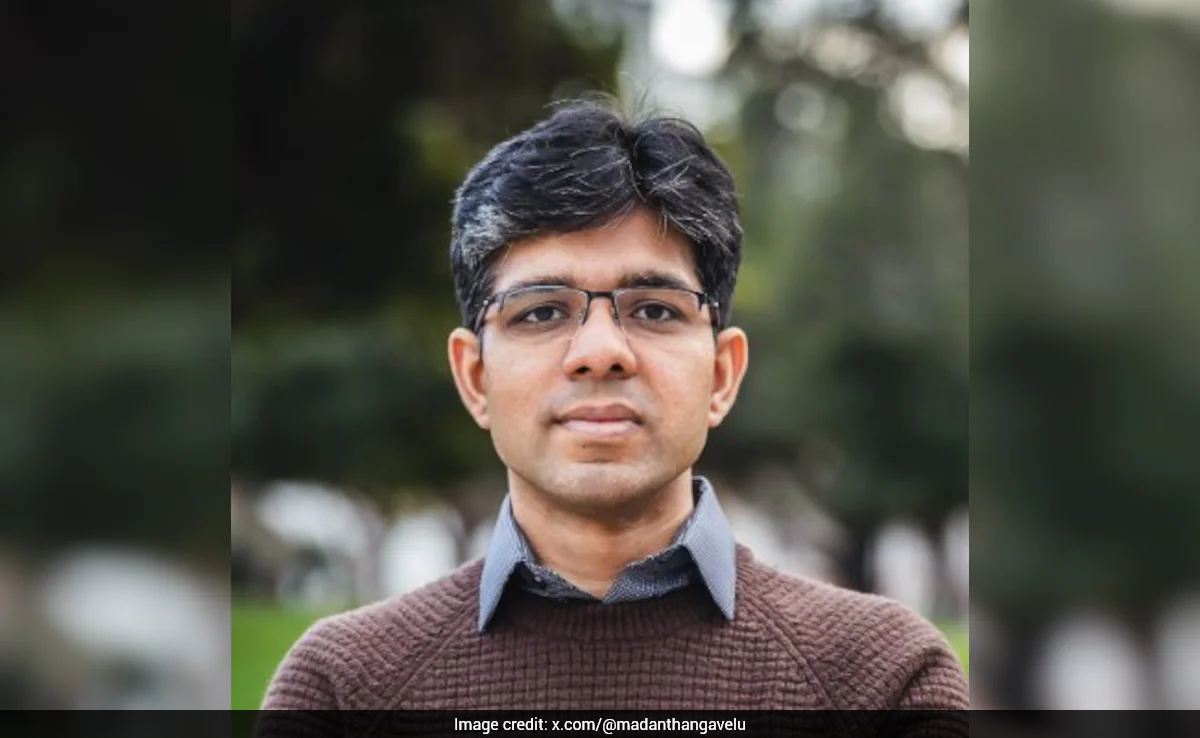
- Madan Thangavelu rose from senior engineer to senior director at Uber in six years
- He expanded his role early by managing projects and mentoring without a formal title
- Thangavelu built trust by staying with the same managers and focusing on strong relationships
A 39-year-old senior director of engineering at Uber from Mountain View, California, rose through the ranks far more quickly than most professionals in Big Tech.
Madan Thangavelu advanced from a senior software engineer to a senior director at Uber in just six years and now earns three times the salary he made when he first joined the company.
In many large technology companies, employees who move into middle-management roles often remain there for years, with promotions to senior leadership taking much longer.
For Thangavelu, it was different.
He told Business Insider that before joining Uber, he worked in two smaller companies as a software engineer. In October 2014, he joined Uber as a senior software engineer.
During his stint at the American multinational company, he was noticed by his managers as someone who could become a leader.
Two years later, he was considered for the management role but without a title. He was given extra responsibilities such as tracking project execution, mentoring engineers, scoping projects and sharing project updates.
In March 2017, he officially moved into his first management role and started by leading a team of five engineers at one location, and a year later, he was promoted to the next management level, he told the outlet.
By September 2019, he became a senior manager. At that stage, he was responsible for handling a team of 59 engineers working across three different locations.
Later, he was promoted to director of engineering. By 2022, he was leading 165 engineers across four locations and in March 2023, he was promoted to senior director.
Currently, he leads the Rider app and the fulfilment platform, which decides which driver is matched with a rider, how the ride is priced, dispatched and how the ride request is completed in real time. Today, he manages a large global team of about 530 engineers working across seven locations.
Here's how he achieved it
Thangavelu said he didn't wait for someone to ask him to become a manager. Instead, he took initiative and solved problems on his own. Even when certain tasks were not part of his official job, he still helped with things like managing projects, supporting teammates or mentoring other engineers.
"I didn't do those things with the goal of becoming a manager; in fact, I was surprised when I was asked to step up. I performed those because it was second nature for me," he said.
"As a senior engineer, when you do large-scale projects, other engineers collaborate with you. You can choose to delegate management-related duties to your manager or do them yourself. I chose to do them myself to ensure the success of the project," he added.
Another reason for his growth was building strong relationships with managers. Instead of switching teams or looking for new managers, he stayed in the same setup and focused on building trust with his managers.
"I've experienced firsthand how effective management support can significantly impact growth and learning. At times, my progress has plateaued due to misalignment, while at other times, supportive managers have helped accelerate my trajectory," he said.
As a manager today, he said he tries to do the same for his own team. Sometimes, his team members come up with ideas that don't perfectly fit existing processes, but he believes it is important to encourage such ideas because they can lead to innovation.
He said that one of the biggest lessons that helped him grow as a manager is knowing the right timing to present big ideas.
If you share an idea too late, it may look like you didn't understand the company's needs in time. By then, the problem may already be urgent, or someone else may have solved it. But if you present the idea too early, you might not get enough support, he said.
So he learned that it's important to bring ideas at the right moment, when the company actually needs a solution.
"Even great ideas can fail if the timing isn't right. Identifying the right solution at the right moment is what sets leaders apart and helps you move up in your career as a manager," he said.
Track Latest News Live on NDTV.com and get news updates from India and around the world


