Iran's control of the Strait of Hormuz might give it enough leverage to pressure Israel into agreeing to a ceasefire in Lebanon, an unnamed senior Hezbollah official told Al Jazeera. The source said Iran wanted to include Lebanon in its interim ceasefire agreement with the United States and Israel during the peace talks in Pakistan.
Israel's top general, however, has approved plans for continuing strikes in Lebanon.
Eyal Zamir, Israeli military chief, said that the US and Israeli strikes have crippled Iranian defensive capabilities.
"Now we must not allow them any achievements on the nuclear issue, in Hormuz and in the other matters on the table. We know how to scramble them for an immediate, powerful strike," he said.
"We are capturing and clearing key areas and removing threats from the northern settlements," he said on Israel's Lebanon campaign.
Israeli Prime Minister Benjamin Netanyahu last week agreed to hold direct talks with Lebanon but rejected the possibility of a ceasefire.
Iran-US Conflict
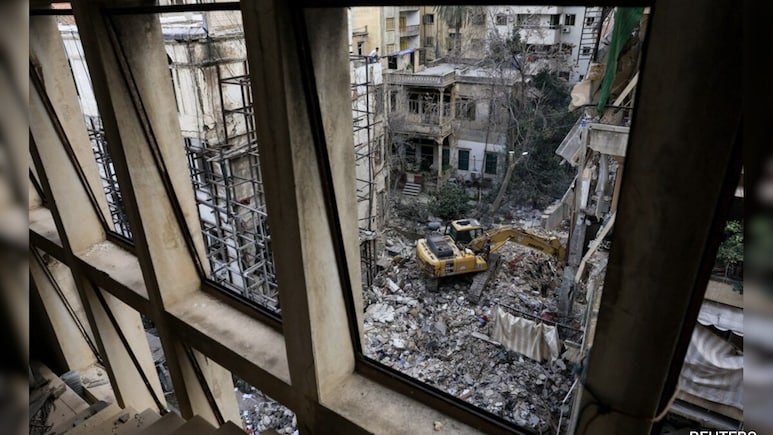
Two days after the US and Israel launched strikes on Iran, the Tehran-backed militant group, Hezbollah, fired missiles across the border. The Israeli military responded with an intense bombing campaign and ground invasion. Per authorities in Lebanon, over 2,000 people have been killed in Israel's strikes.
Since the US attack, Iran has been controlling the Strait of Hormuz, a maritime chokepoint vital for the world's energy supplies from the Middle East. Tehran has announced that it will exact a toll for allowing safe passage to merchant ships. The US, which has effected a blockade at the Strait, has warned that it will interdict in international waters any vessel that pays a toll to Iran.
Iran, the US and Israel held peace talks in Pakistan last week. It was inconclusive.
US President Donald Trump later said that the peace talks in Islamabad failed because of Tehran's insistence on holding on to its nuclear ambitions. He claimed Iran told the US negotiators that it had laid mines in the waters of the Strait of Hormuz, making it impossible for merchant vessels to cross the chokepoint.
Lebanon-Israel talks
Lebanon's President Joseph Aoun offered direct negotiations with Israel - the first in decades - in exchange for a cessation of hostilities.
Last week, Netanyahu accepted the invitation to direct talks following the announcement of an interim truce between Iran and the United States.
At the peace meeting, Iran reportedly demanded that the ceasefire include the cessation of hostilities in Lebanon. Israel, however, dismissed the demand.
The direct talks between Lebanon and Israel kicked off on Tuesday, as the nations' ambassadors to the United States met in Washington.
Lebanon wants the withdrawal of Israeli forces from southern Lebanon, the release of Lebanese prisoners held in Israel, the return of the displaced, and reconstruction.
Israel has structured the engagement as peace talks, focusing on disarming Hezbollah.


