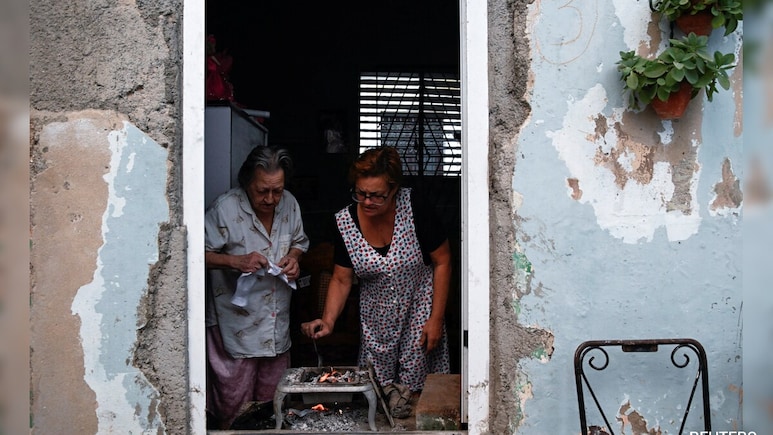
In a world dazzled by AI dreams and a new energy boom, one country is slipping deeper into darkness - Cuba. The nationwide blackout observed this month is among the worst in its recent history. The impact is so evident that even satellites could not miss it.
A comparison of NASA's Black Marble nighttime satellite imagery reveals a large part of the country going dark on March 22, compared with the same date last year. Cities, towns, and urban corridors show a sharp reduction in artificial lighting. The sudden drop in nighttime illumination has left more than 10 million people affected.
Blackouts visible from space
NASA's Black Marble product is specifically designed to track changes in artificial lighting at night. By filtering out moonlight, clouds, and atmospheric interference, the dataset monitors real-world shifts in electricity availability, including mass outages due to grid failures or fuel shortages.
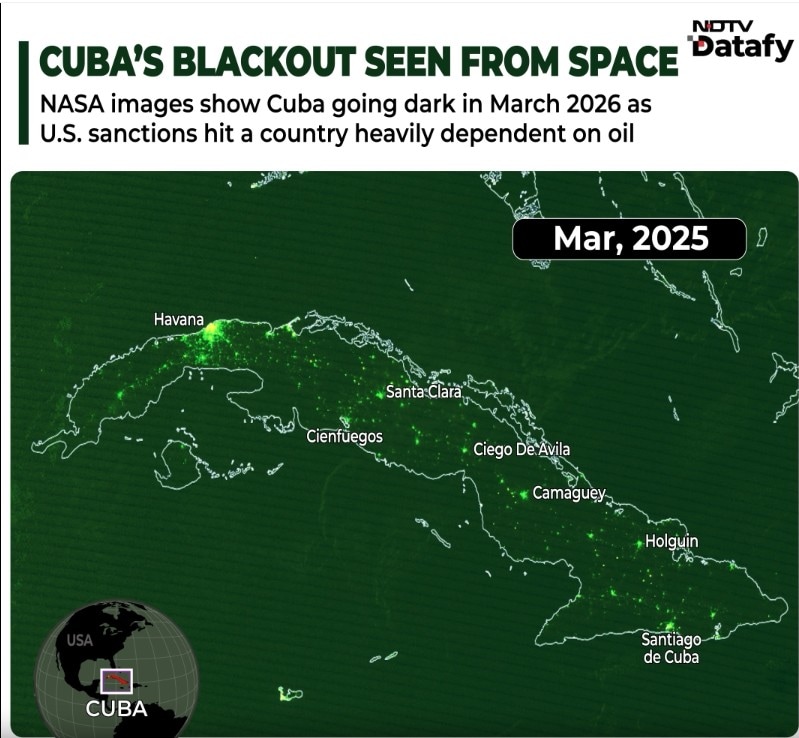
When applied to Cuba, the imagery shows a widespread and sustained darkness, coinciding with the latest reported grid collapse. Major urban hubs, such as Havana, Santiago de Cuba, and Camaguey, appear dimmer than their normal baseline levels.
Why did the lights go out?
Satellite data shows what happened. Cuba's energy data explains why.
According to the International Energy Agency (IEA), oil products account for 83.3 per cent of Cuba's electricity generation. Another 12.6 per cent comes from natural gas and 2.3 per cent from biofuels.
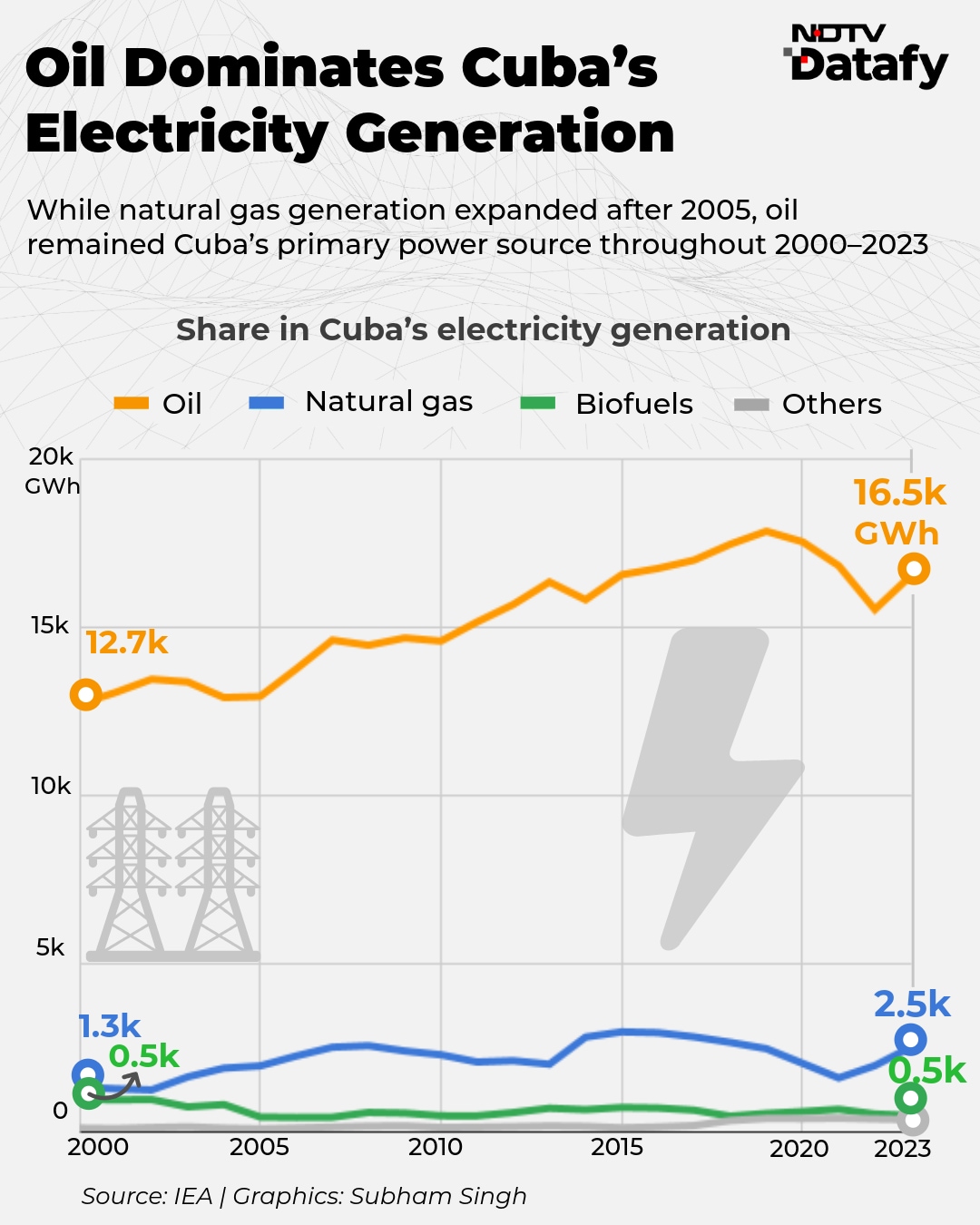
Most of the electricity comes from aging thermoelectric plants that require constant fuel deliveries to remain operational. The high level of dependence on oil makes Cuba vulnerable to oil shortages. When fuel supplies falter, generation quickly drops and the grid struggles to remain stable without the alternative sources.
Collateral damage from Venezuela's collapse
Venezuelan oil shipments were once Cuba's main energy lifeline, which have declined sharply now. This, coupled with a chronic shortage of foreign currency, has limited Havana's ability to buy fuel from the international markets.
Tightened US sanctions have further complicated oil imports by restricting shipping, insurance, and financial transactions tied to energy supplies. The White House, on 29 January 2026, had established a new tariff system that allowed the US to impose additional tariffs on imports from any country that provides oil to Cuba, directly or indirectly.
While sanctions are not the sole cause of the blackout, they have increased existing structural weaknesses, restricting access to fuel and spare parts for power stations already operating beyond their intended lifespan. Consequently, even smaller disruptions now trigger outsized grid failures.
The consequences extend beyond darkness. Electricity-dependent water systems shut down, food storage and refrigeration fail, hospitals rely on strained backup generators, and communications networks collapse alongside the grid.
Track Latest News Live on NDTV.com and get news updates from India and around the world


