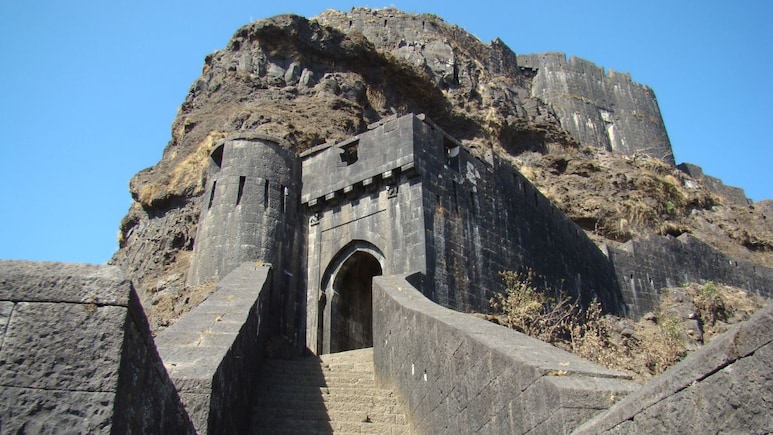
Some forts are famous because kings lived there, others are known for epic battles. But Lohagarh Fort, one of Maharashtra's most loved hill forts, is famous for its incredible strength. In fact, its name itself tells you exactly what made this fort so special. If you've ever wondered why it is called the 'Iron Fort,' the answer is much more interesting than you might think. It isn't because the fort is made entirely of iron. Instead, its name comes from a combination of nature, engineering, and history.
What Does Lohagarh Mean?
The name Lohagarh comes from two Marathi words. 'Loha' means iron, while 'Gad' means fort. Together, they simply mean 'Iron Fort.' The hill on which Lohagarh stands is believed to be made up of iron-rich rocks, giving the mountain an incredibly strong natural base. Rising 1,033 metres above sea level in the Sahyadri mountain range near Lonavala, the fort sits on a hill that is naturally tough and difficult to attack. This rugged landscape made the fort feel almost as strong as iron itself.
The name wasn't inspired only by the rocks beneath the fort. Lohagarh earned its reputation because it proved, time and again, that it was nearly impossible to defeat. For hundreds of years, the mighty fort stood firm while kingdoms rose and fell around it. The fort became a symbol of resilience.
A Fort That Witnessed Many Empires
Lohagarh has watched history unfold for well over a thousand years. Many powerful dynasties ruled the fort at different points, including the Satavahanas, Chalukyas, Rashtrakutas, Yadavas, Bahamanis, Nizams, Mughals, and the Marathas. Despite changing rulers, the fort itself remained standing. Its ability to survive centuries of wars, invasions, harsh weather, and political change is one of the biggest reasons why the name "Iron Fort" feels so fitting even today.
One of the most important chapters in Lohagarh's history belongs to Chhatrapati Shivaji Maharaj. He captured the fort in 1648 because he understood how valuable its location and strong defences were. Years later, after signing the Treaty of Purandar in 1665, he had to hand it over to the Mughals.
Just five years later, in 1670, Shivaji Maharaj captured Lohagarh once again. Such was his faith in the fort's strength that he used it to store a large part of the treasure brought back from his successful Surat campaign. The fort's thick walls stretch for over a kilometre, and many of them are still standing today despite being centuries old.
The Scorpion's Tail That Makes Lohagarh Unique
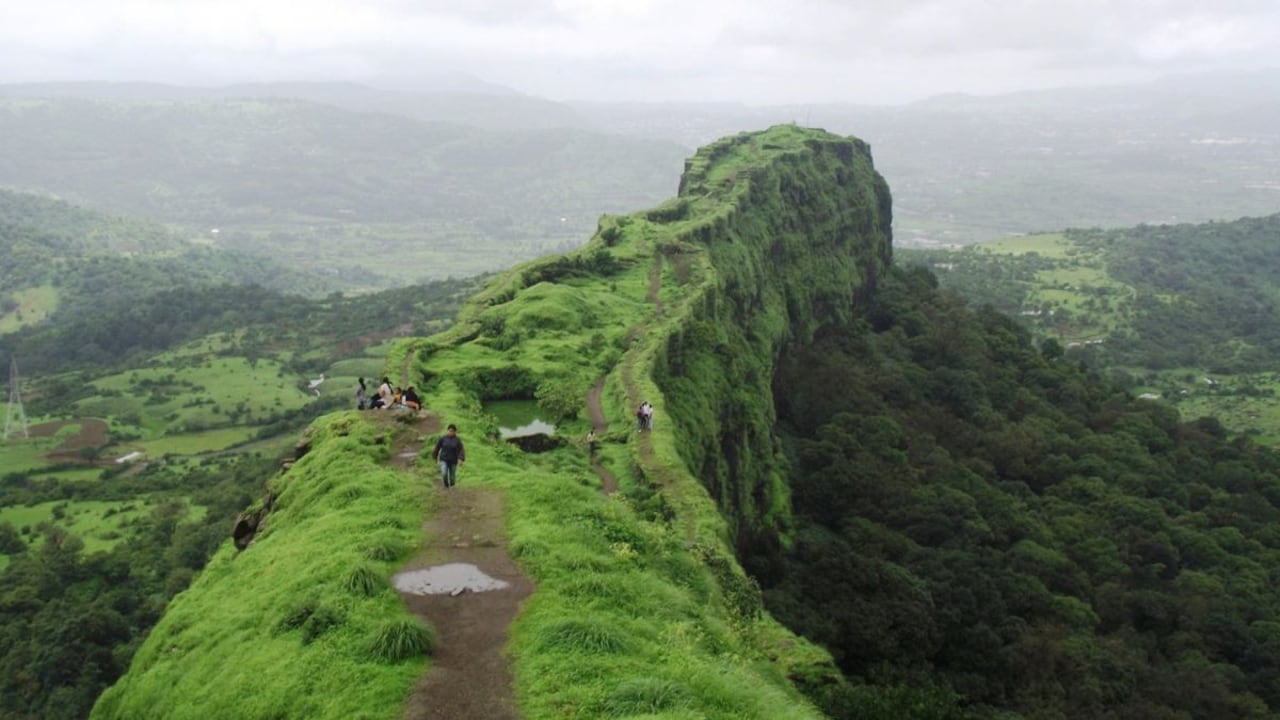
Photo: Wikimedia Commons
One of the most famous features of Lohagarh is something called the Vinchu Kata, which means "Scorpion's Tail." This is a long, narrow rocky extension that stretches out from the fort. Seen from above, it looks just like the curved tail of a scorpion.
Besides being one of the fort's biggest attractions today, Vinchu Kata gave soldiers a better view of the surrounding valleys and made it even more difficult for enemies to approach unnoticed. It is one of the most unique features found in any hill fort in Maharashtra.
Track Latest News Live on NDTV.com and get news updates from India and around the world


