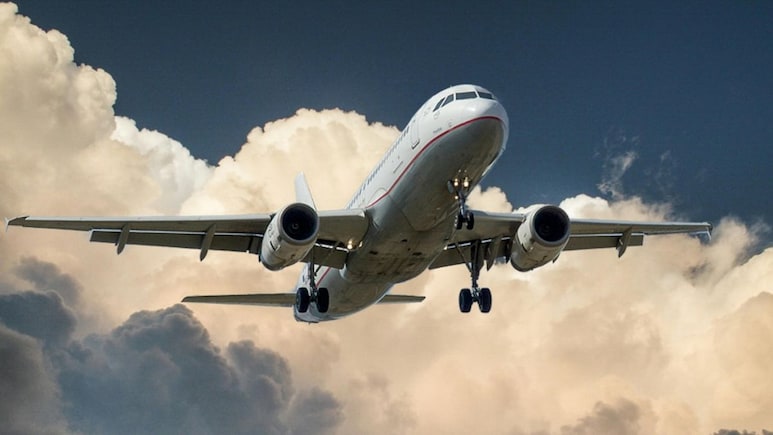
Air travel is the fastest mode of transportation that lets you cross continents in mere hours. At some point, we have all sat by the window on a flight and wondered, “How fast are we actually going right now?” It feels fast, but the real story behind takeoff and landing speeds is even more fascinating.
How Fast Do Planes Go?
Well, every flight is different, and there are several factors that affect the speed, like the size of the aircraft, its weight (including the total weight of the passengers and cargo), weather, temperature, altitude, and more. So, instead of one number, think of it as a range of speeds.
Also Read: LaGuardia Shut After Air Canada Flight Collision. How New York Flights Are Affected
Before takeoff, the plane moves from the gate to the runway at a speed of about 30–35 km/h. The plane starts slowly to ensure it can stop quickly in case of emergencies or turn safely. When the flight finally takes off, the speed ranges between 220 and 285 km/h for commercial planes and 90 and 100 km/h for small planes. If you're wondering why aircrafts need so much speed just to take off, it's because the speed lets the air flow over the wings, pushing them upwards.
Cruising And Landing Speed
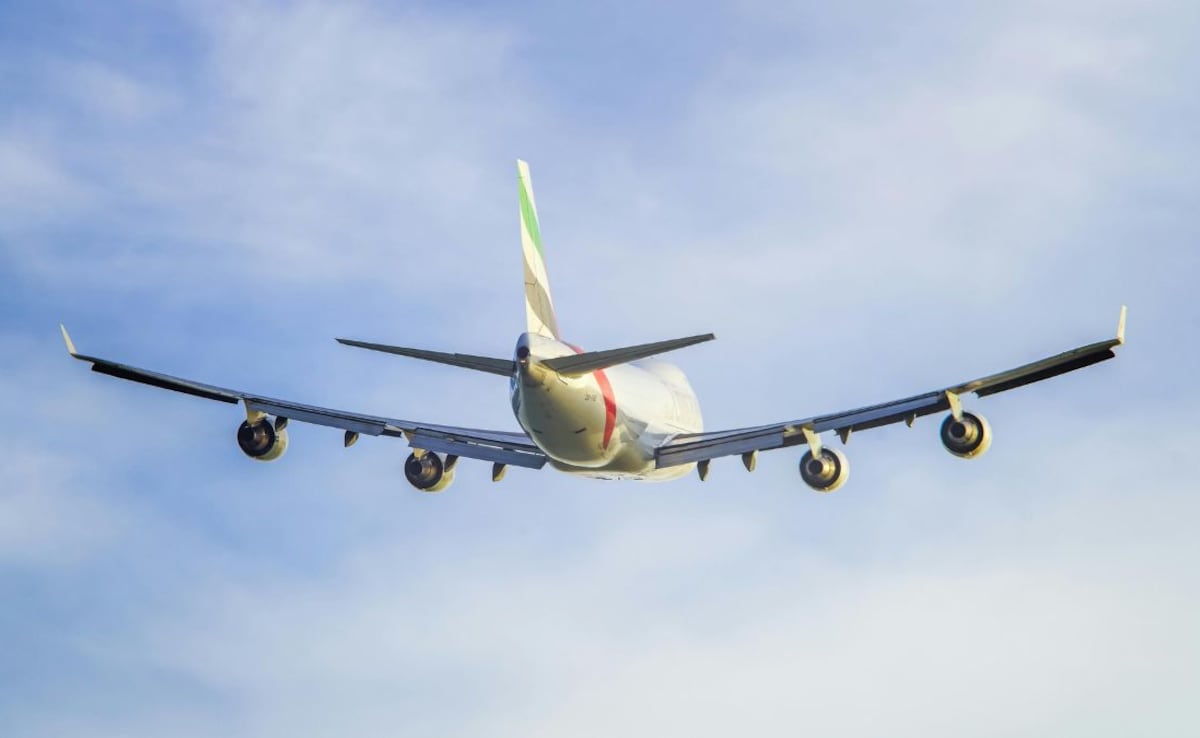
Photo Credit: Pexels
Once you're comfortably in the air, that's when the plane reaches its fastest speed. Called cruising, this is when the plane is at a speed of 830–900 km/h, covering around 14 km every minute. If your car could go that fast, you would reach Varanasi from Delhi in just an hour, covering 820 km!
Also Read: Viral Reel Shows How A Dad Survived A Flight With His Toddler And Some Sleep
When it comes to landing, the aircraft speed lowers before finally stopping, but not as low as you may think. A commercial aircraft lands at a speed of 240–290 km/h. Small planes fly at around 80–90 km/h during landing. You would expect it to be much lower, at least compared to takeoff, but since the plane is already flying, it needs speed to remain stable. In fact, if it slows down too much, it proves to be dangerous, as pilots cannot touch down smoothly.
The planes start slow, take off with speed, cruise at their highest potential, and land slow before ultimately stopping.
Track Latest News Live on NDTV.com and get news updates from India and around the world


