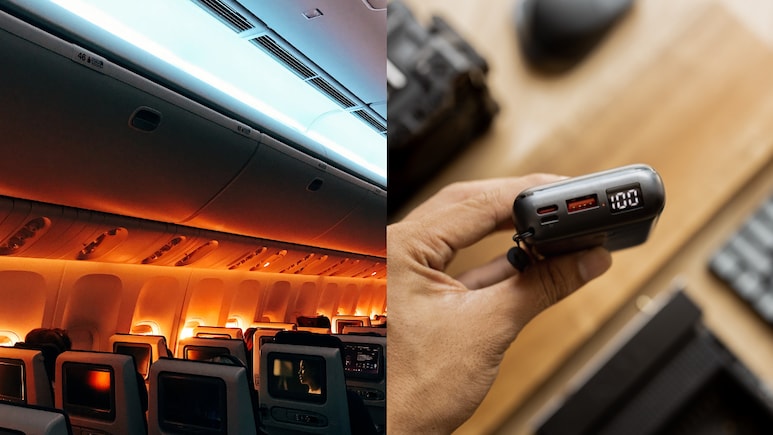
For most of us, a power bank has become as essential as carrying a wallet while stepping out. During long commutes, airport waits, delayed flights, or simply a day of heavy phone usage, a portable charger makes sure we are never left searching for a charging socket. But when it comes to flying, a power bank is not treated like a regular electronic accessory. It is a device that contains a lithium-ion battery, and that makes how you carry and use it on an aircraft extremely important. A power bank can travel with you, but it cannot be used like it is at home.
Power Banks Allowed On Flights But Not For Use Onboard
Power banks contain lithium-ion batteries, which store a large amount of energy in a small space. These batteries are generally safe when handled properly, but they can become dangerous if they are damaged, overheated, or short-circuited.
The biggest concern is a situation called thermal runaway, where a battery overheats rapidly and can catch fire. Naturally, airlines have strict rules about where it can be stored and how it can be used. These safety concerns have now come into focus after a KLM Royal Dutch Airlines flight from Amsterdam to Curacao had a power bank fire on board.
Also Read: Why Do Some Private Jets Fly Higher Than Passenger Planes?
According to Dutch media reports, a passenger's power bank, which was being charged in the business-class cabin, suddenly caught fire. Later, the captain decided to turn the aircraft around and return to the airport.
The Basic Rules Flyers Need To Know
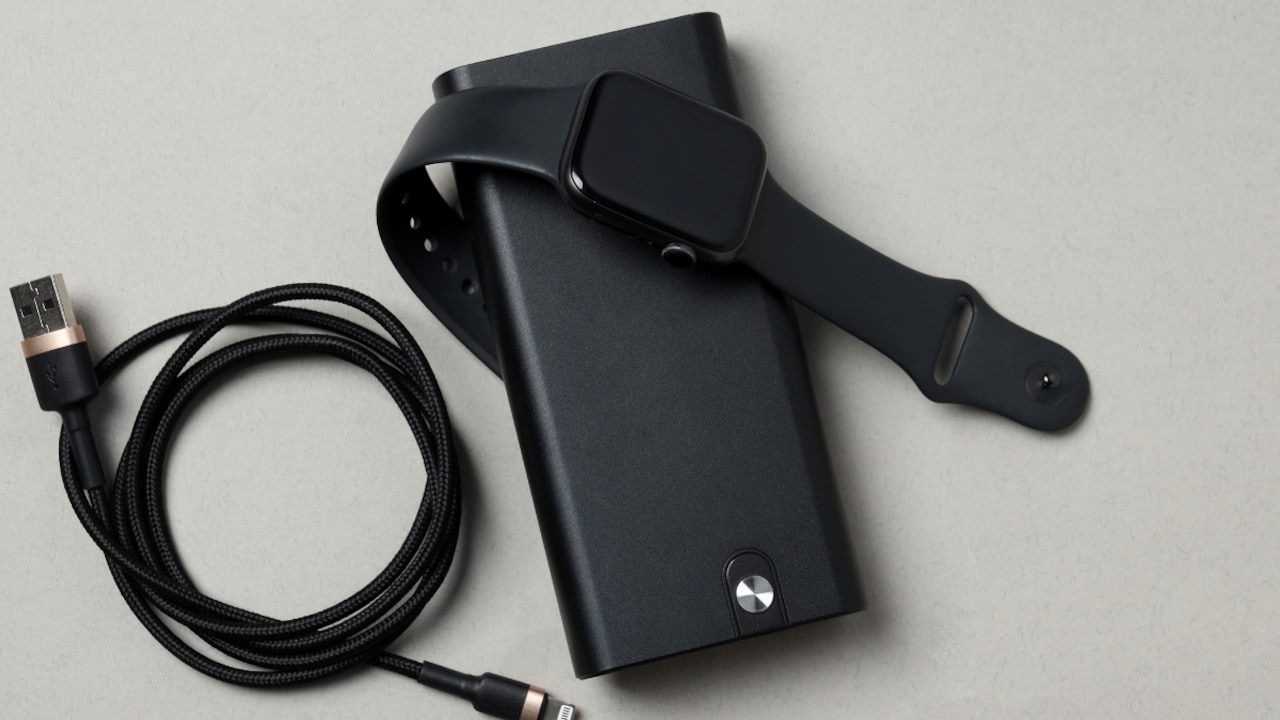
Photo: Canva
The International Air Transport Association (IATA) guidance says power banks should not be used to provide power to other devices during taxi, take-off, or landing. It also states that airlines may introduce stricter rules for safety reasons. And no, airlines do not allow actually charging the power on the flight. For example, British Airways states that aircraft seat power supplies should only be used for personal electronic devices and not for charging power banks.
When it comes to carrying the power on a flight, most airlines allow a maximum of two power banks per passenger, with each of them not exceeding 100 watt-hours (Wh).
Power banks are not allowed in checked-in baggage. They must stay with you in your hand baggage. IndiGo states that spare batteries, including lithium batteries, must be carried only in cabin baggage and should be individually protected to prevent short circuits. Aviation guidelines also recommend keeping power banks in an easily accessible place, such as a seat pocket or the bag kept under the seat in front of you.
Also Read: Applying For A New Passport? Latest Fees And Validity Updates You Should Know
Carrying a power bank is allowed, but using it to recharge another device is restricted by several airlines. Akasa Air stresses that power banks must remain inactive while onboard. Air India also warns that passengers may have to dispose of excess power banks at the airport if they do not follow these rules.
A power bank is designed to keep you connected, but on an aircraft, keeping it stored safely is what keeps everyone connected safely.
Track Latest News Live on NDTV.com and get news updates from India and around the world


