



Spitzer
-
{
- All
- News
-

NASA's Spitzer Space Telescope Captures Extraordinary Image Of Milky Way's Heart
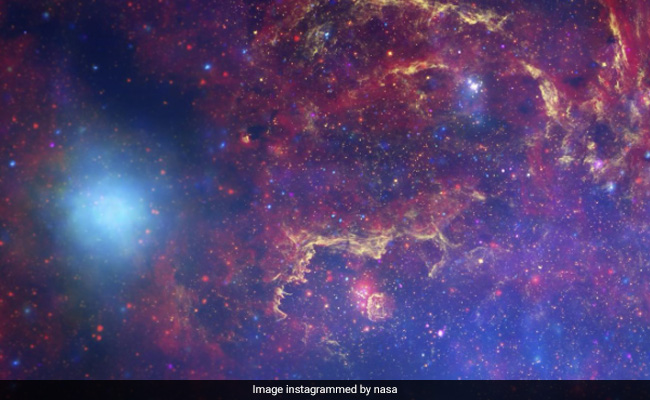
The centre of our galaxy can be seen in the image on the middle-bottom right. With the darkness of space as its backdrop, interstellar dust and radiation come together to form a magnificent tapestry.
-
Scientists Find Out Why Some Distant Planets Have Clouds of Sands in Their Atmosphere
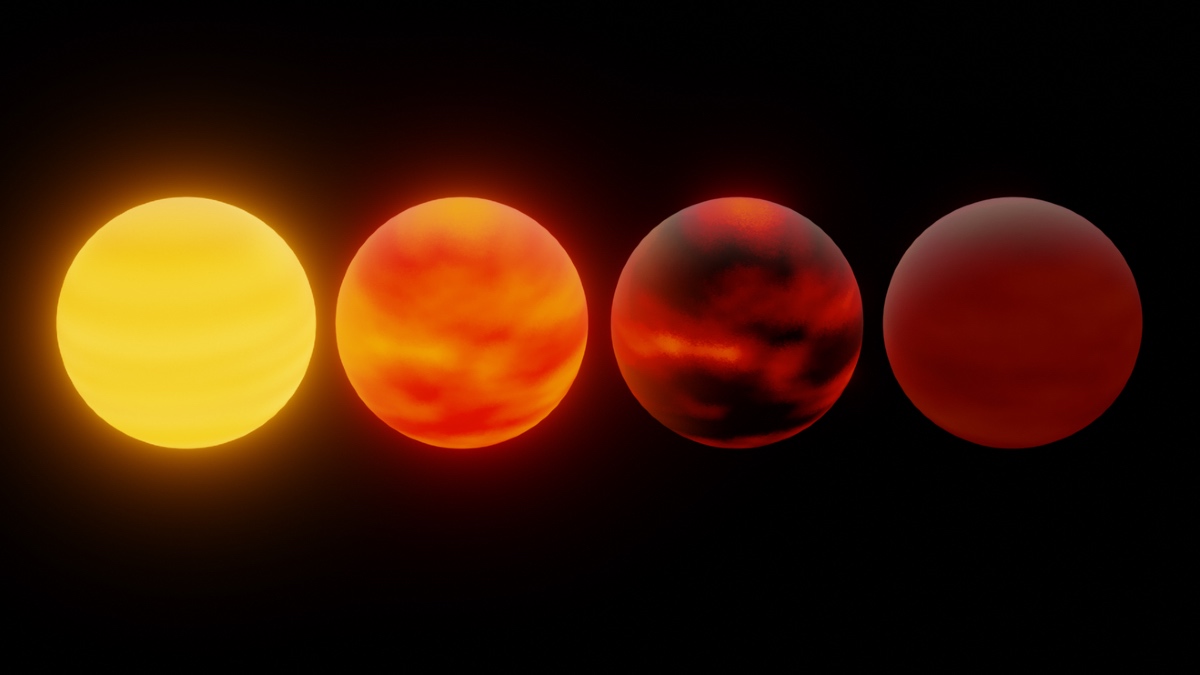
A new study has revealed the common trait that is conducive to sand cloud development on the planets. The study was led by researchers at the Western University who observed brown dwarfs. Brown dwarfs are celestial bodies having size larger than a planet but smaller than a star.
-
NASA’s James Webb Space Telescope Captures Interstellar Image With Unprecedented Clarity
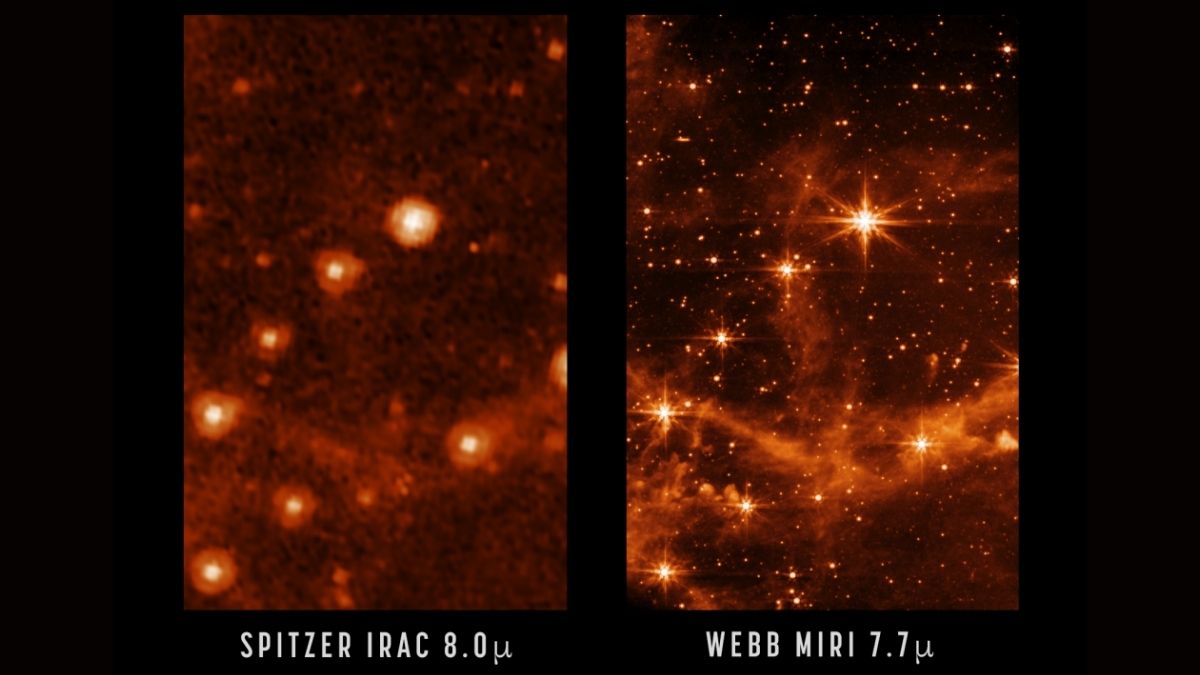
NASA's James Webb space telescope has delivered an image of a portion of the sky that was previously captured by the now retired Spitzer space telescope. The latest image is a lot sharper than the archival shot.
-
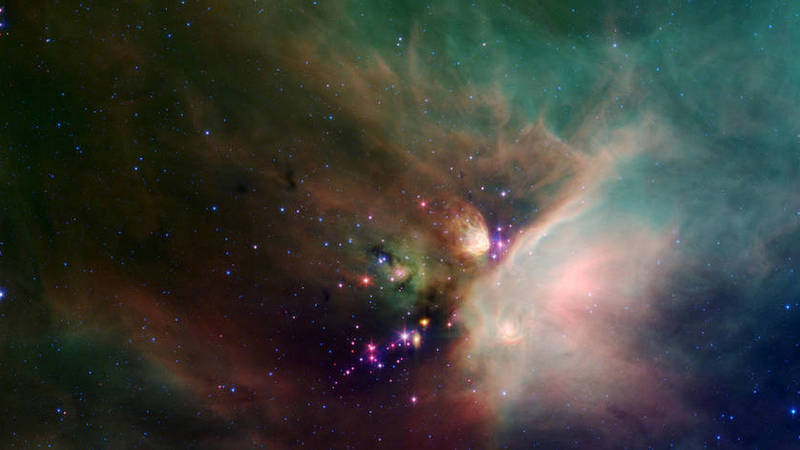
'Space Butterfly': NASA Shares Image of 'Baby Stars' Cluster
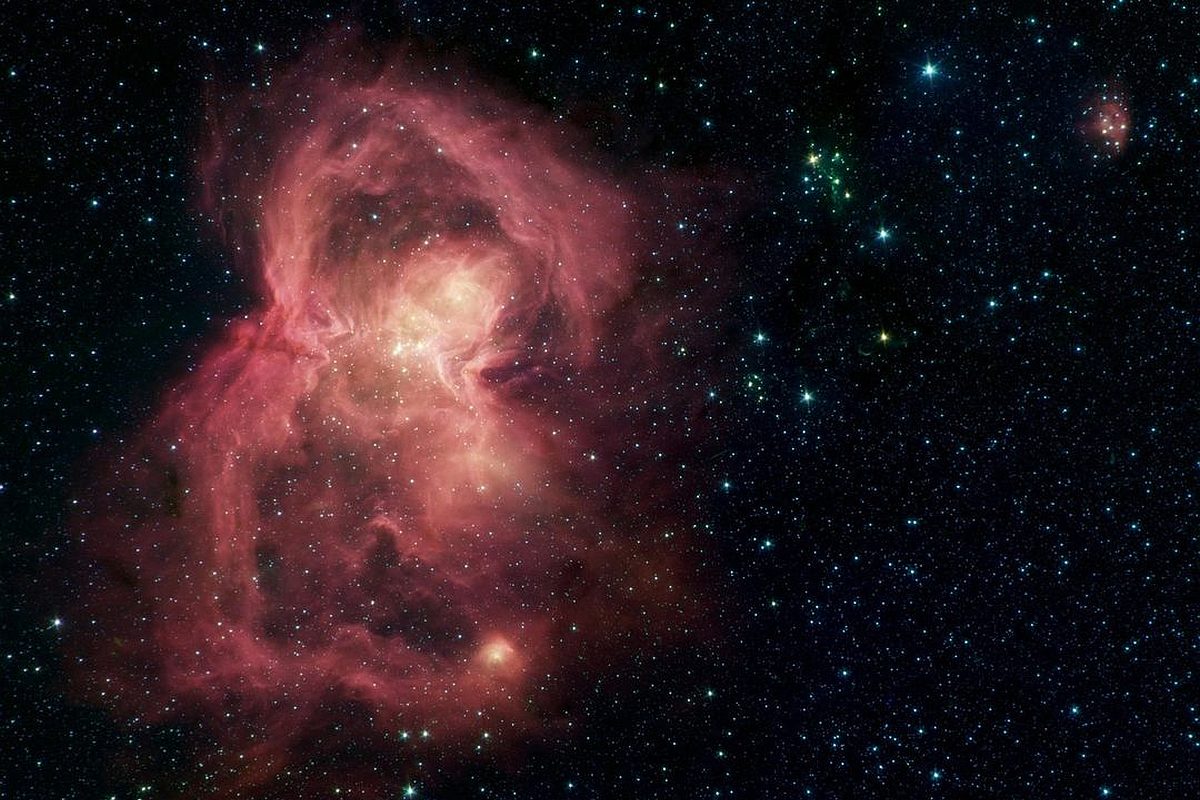
NASA has shared an image of a cluster of baby stars, captured by its Spitzer Space Telescope. Calling the red clouds of gas a beautiful space butterfly, NASA says the image explains how stars are formed in space.
-
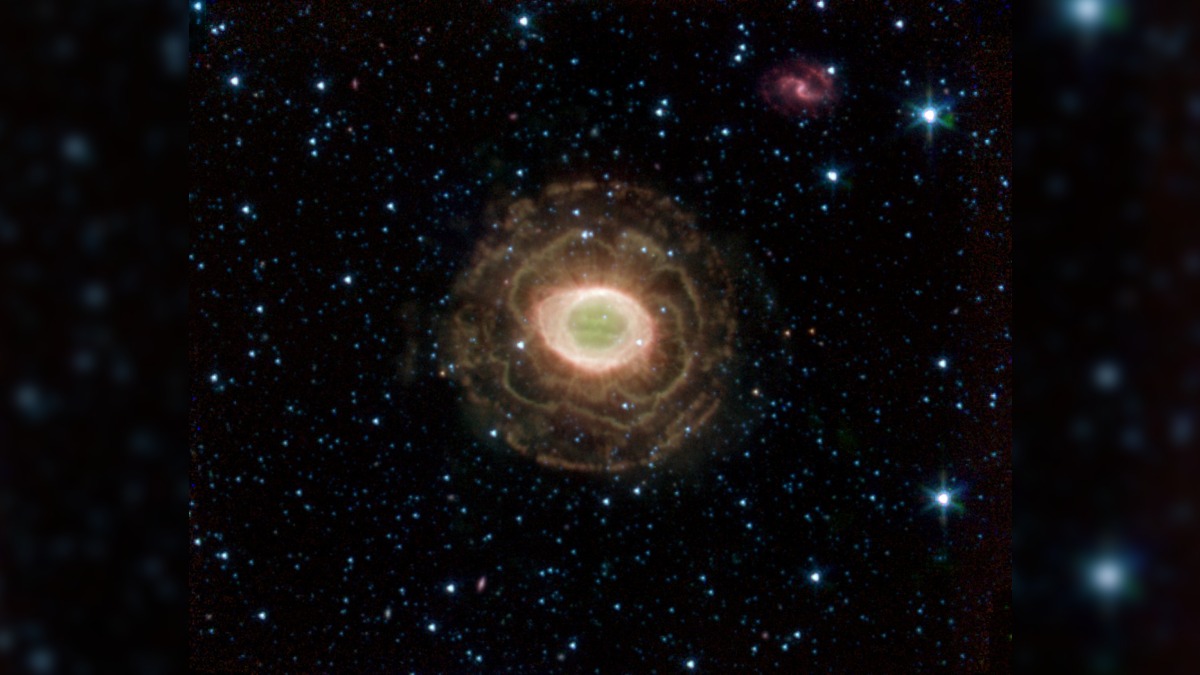
Cosmic Flower in Bloom: NASA Shares Image of Ring Nebula
NASA has shared a stunning image of a “cosmic flower in bloom” on Instagram. The photograph showed a heavenly entity resembling a flower in the Ring Nebula, which is located about 2,000 light-years away from us, in the constellation Lyra.
-
NASA Shows Giant Debris Cloud Formed by Collision of Celestial Bodies
Most rocky planets and satellites, including our Earth and the Moon, are formed or shaped by massive collisions among celestial bodies early in the solar system. When these objects smash together, they could either accumulate more material and increase their size or they can break apart into multiple smaller bodies.
-
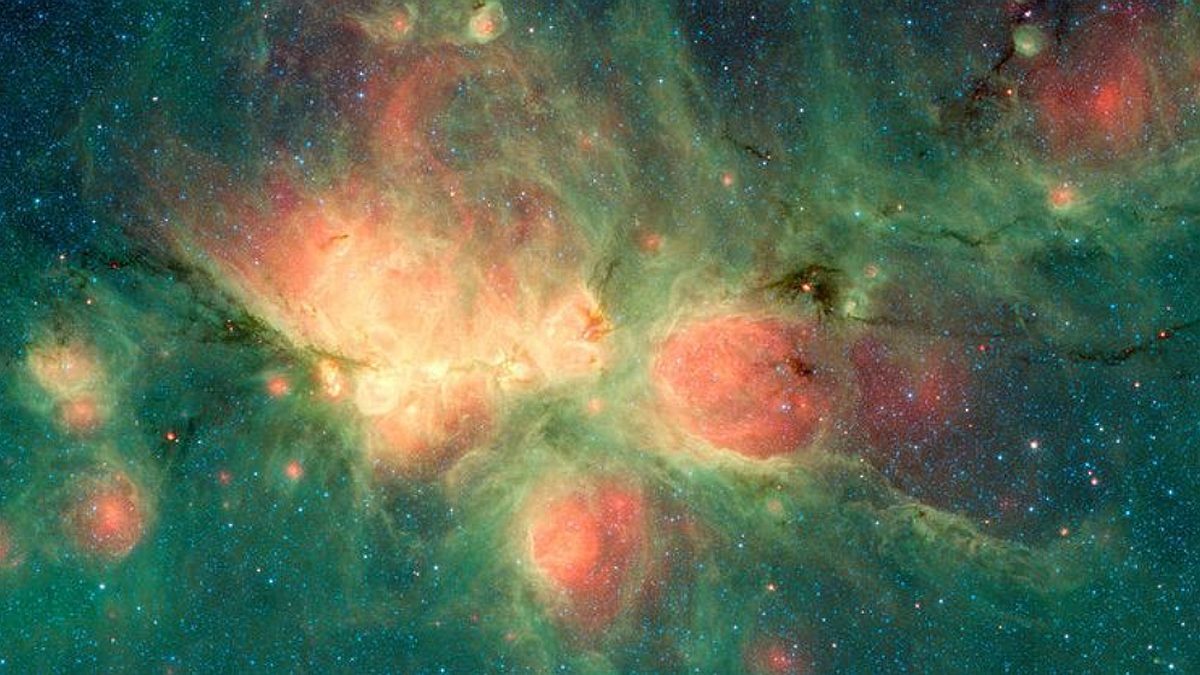
NASA’s Spitzer Telescope Captures Image Of The Cat's Paw Nebula
American space agency NASA has shared an image of Cat’s Paw Nebula, which is named so for the "large, round features that resemble a feline footprint".
-
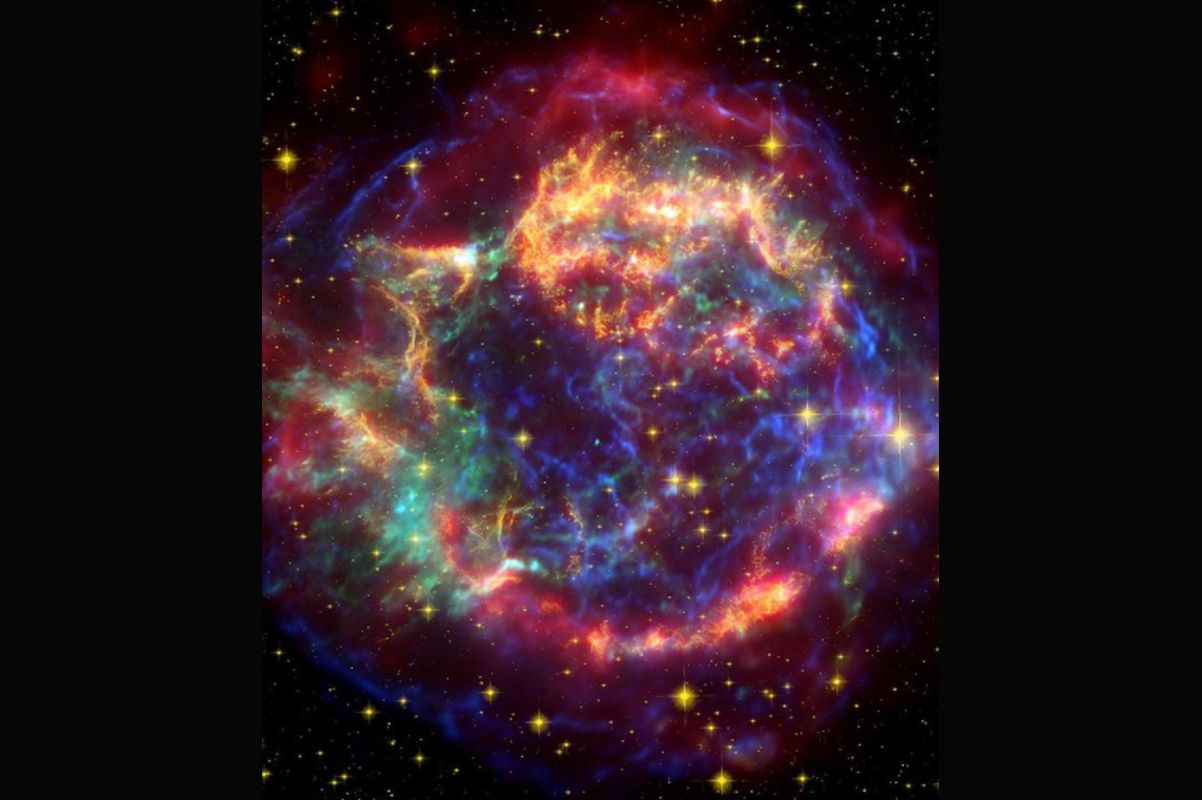
NASA Shares Captivating Picture of a Supernova Remnant, Calls It 'A Kaleidoscope of Colour'
NASA has shared a beautiful image of Cas A, the remnant of a massive star that exploded about 300 years ago, on its Instagram. The picture justifies the title picked by the space agency, which called it 'A Kaleidoscope of Colour'.
-
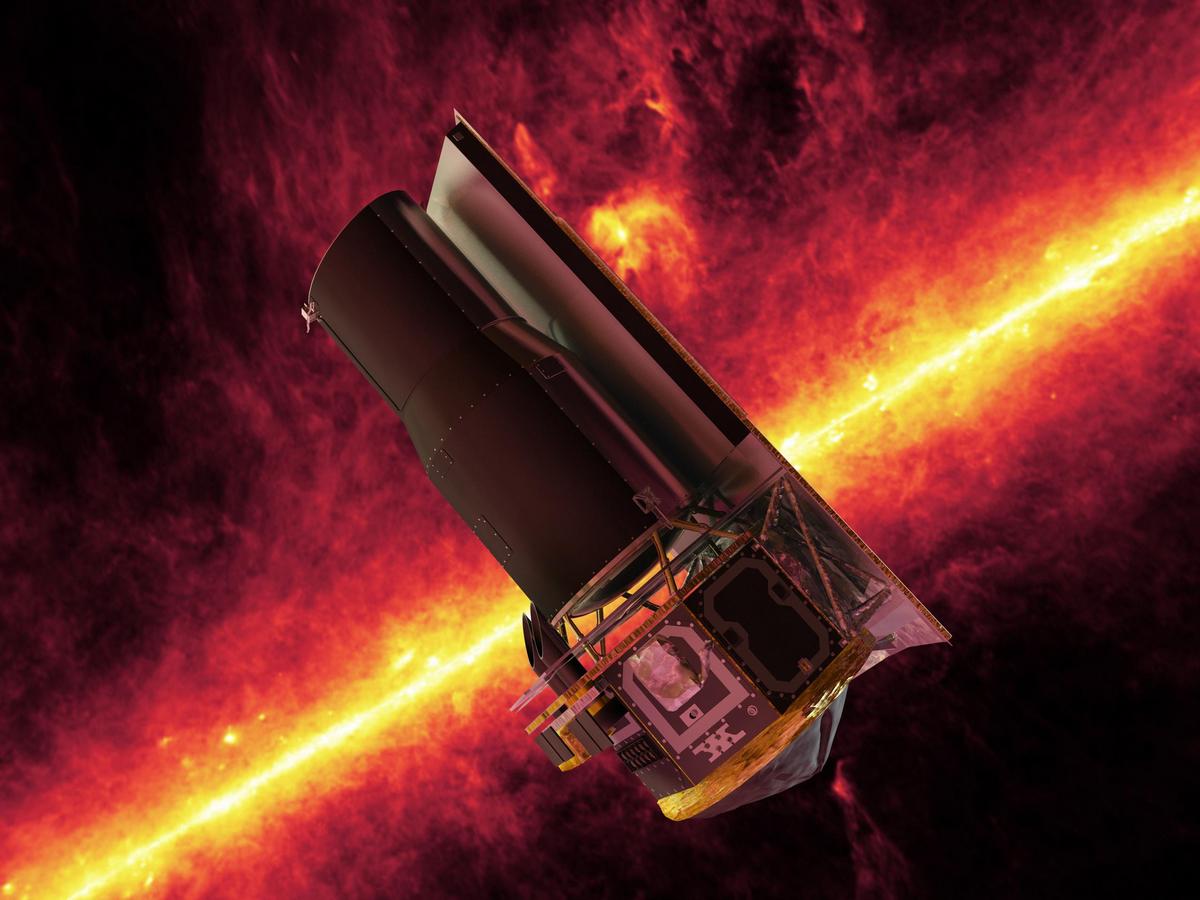
NASA Bids Farewell to Spitzer Telescope After 16 Years of Service
NASA has said goodbye to the Spitzer space telescope after 16 years of service using infrared light to unveil otherwise invisible features of the universe, including seven planets the size of Earth around the star Trappist-1.
-
NASA's Spitzer Space Telescope to Retire in 2020
NASA's Spitzer Space Telescope will be switched off permanently on January 30, 2020, after nearly 16 years of exploring the cosmos in infrared light.
-
NASA's Spritzer Telescope Completes 15 Years in Space
Launched into solar orbit on August 25, 2003, Spitzer was initially scheduled for a minimum 2.5-year primary mission but has lasted far beyond its expected lifetime.
-
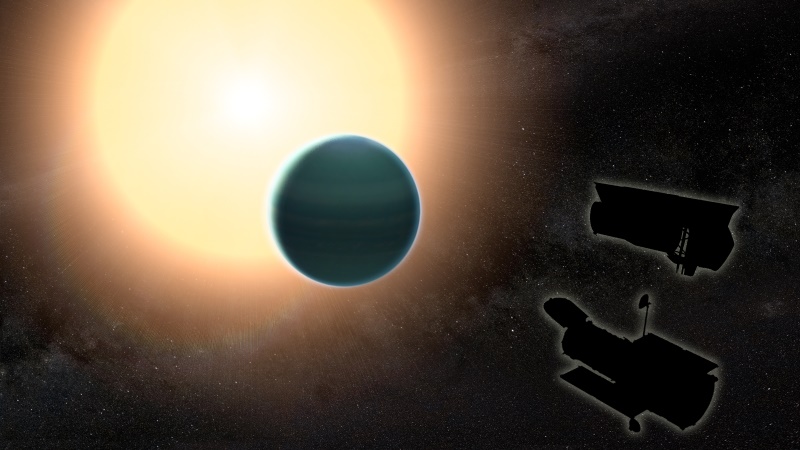
NASA Telescopes Detect Signs of Water on Distant 'Warm Neptune'
The study, combining observations from NASA's Hubble and Spitzer space telescopes, shows that the distant planet HAT-P-26b has a primitive atmosphere composed almost entirely of hydrogen and helium.
-
NASA Probe Provides More Information About TRAPPIST-1
NASA's Kepler mission has provided more information about the recently discovered ultra-cool dwarf star, TRAPPIST-1, that hosts seven potentially habitable Earth-size planets 40 light-years away.
-
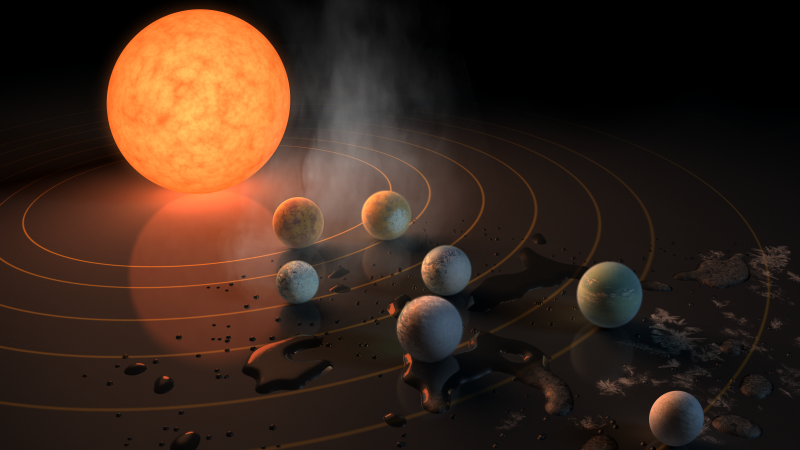
NASA Exoplanet Discovery: 7 Things You Should Know About the 7 Earth-Like Planets
Seven Earth-like exoplanets have been discovered in the TRAPPIST-1 star system, 40 light years away from the Earth. Here’s all you need to know about them.
-
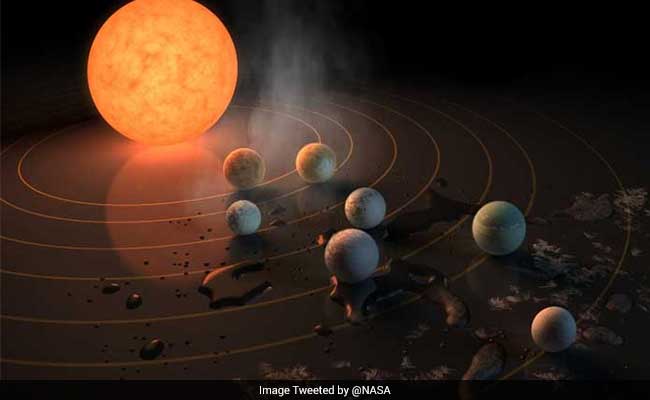
Scientists Discover 7 'Earthlike' Planets Orbiting A Nearby Star
A newfound solar system just 39 light years away contains seven warm, rocky, Earthlike planets, scientists say.
-
NASA's Spitzer Space Telescope Captures Extraordinary Image Of Milky Way's Heart
The centre of our galaxy can be seen in the image on the middle-bottom right. With the darkness of space as its backdrop, interstellar dust and radiation come together to form a magnificent tapestry.
-
Scientists Find Out Why Some Distant Planets Have Clouds of Sands in Their Atmosphere
A new study has revealed the common trait that is conducive to sand cloud development on the planets. The study was led by researchers at the Western University who observed brown dwarfs. Brown dwarfs are celestial bodies having size larger than a planet but smaller than a star.
-
NASA’s James Webb Space Telescope Captures Interstellar Image With Unprecedented Clarity
NASA's James Webb space telescope has delivered an image of a portion of the sky that was previously captured by the now retired Spitzer space telescope. The latest image is a lot sharper than the archival shot.
-
'Space Butterfly': NASA Shares Image of 'Baby Stars' Cluster
NASA has shared an image of a cluster of baby stars, captured by its Spitzer Space Telescope. Calling the red clouds of gas a beautiful space butterfly, NASA says the image explains how stars are formed in space.
-
Cosmic Flower in Bloom: NASA Shares Image of Ring Nebula
NASA has shared a stunning image of a “cosmic flower in bloom” on Instagram. The photograph showed a heavenly entity resembling a flower in the Ring Nebula, which is located about 2,000 light-years away from us, in the constellation Lyra.
-
NASA Shows Giant Debris Cloud Formed by Collision of Celestial Bodies
Most rocky planets and satellites, including our Earth and the Moon, are formed or shaped by massive collisions among celestial bodies early in the solar system. When these objects smash together, they could either accumulate more material and increase their size or they can break apart into multiple smaller bodies.
-
NASA’s Spitzer Telescope Captures Image Of The Cat's Paw Nebula
American space agency NASA has shared an image of Cat’s Paw Nebula, which is named so for the "large, round features that resemble a feline footprint".
-
NASA Shares Captivating Picture of a Supernova Remnant, Calls It 'A Kaleidoscope of Colour'
NASA has shared a beautiful image of Cas A, the remnant of a massive star that exploded about 300 years ago, on its Instagram. The picture justifies the title picked by the space agency, which called it 'A Kaleidoscope of Colour'.
-
NASA Bids Farewell to Spitzer Telescope After 16 Years of Service
NASA has said goodbye to the Spitzer space telescope after 16 years of service using infrared light to unveil otherwise invisible features of the universe, including seven planets the size of Earth around the star Trappist-1.
-
NASA's Spitzer Space Telescope to Retire in 2020
NASA's Spitzer Space Telescope will be switched off permanently on January 30, 2020, after nearly 16 years of exploring the cosmos in infrared light.
-
NASA's Spritzer Telescope Completes 15 Years in Space
Launched into solar orbit on August 25, 2003, Spitzer was initially scheduled for a minimum 2.5-year primary mission but has lasted far beyond its expected lifetime.
-
NASA Telescopes Detect Signs of Water on Distant 'Warm Neptune'
The study, combining observations from NASA's Hubble and Spitzer space telescopes, shows that the distant planet HAT-P-26b has a primitive atmosphere composed almost entirely of hydrogen and helium.
-
NASA Probe Provides More Information About TRAPPIST-1
NASA's Kepler mission has provided more information about the recently discovered ultra-cool dwarf star, TRAPPIST-1, that hosts seven potentially habitable Earth-size planets 40 light-years away.
-
NASA Exoplanet Discovery: 7 Things You Should Know About the 7 Earth-Like Planets
Seven Earth-like exoplanets have been discovered in the TRAPPIST-1 star system, 40 light years away from the Earth. Here’s all you need to know about them.
-
Scientists Discover 7 'Earthlike' Planets Orbiting A Nearby Star
A newfound solar system just 39 light years away contains seven warm, rocky, Earthlike planets, scientists say.

