



Rogue Planet
-
{
- All
- News
-

Astronomers Measure Mass and Distance of a Rogue Planet for the First Time in History
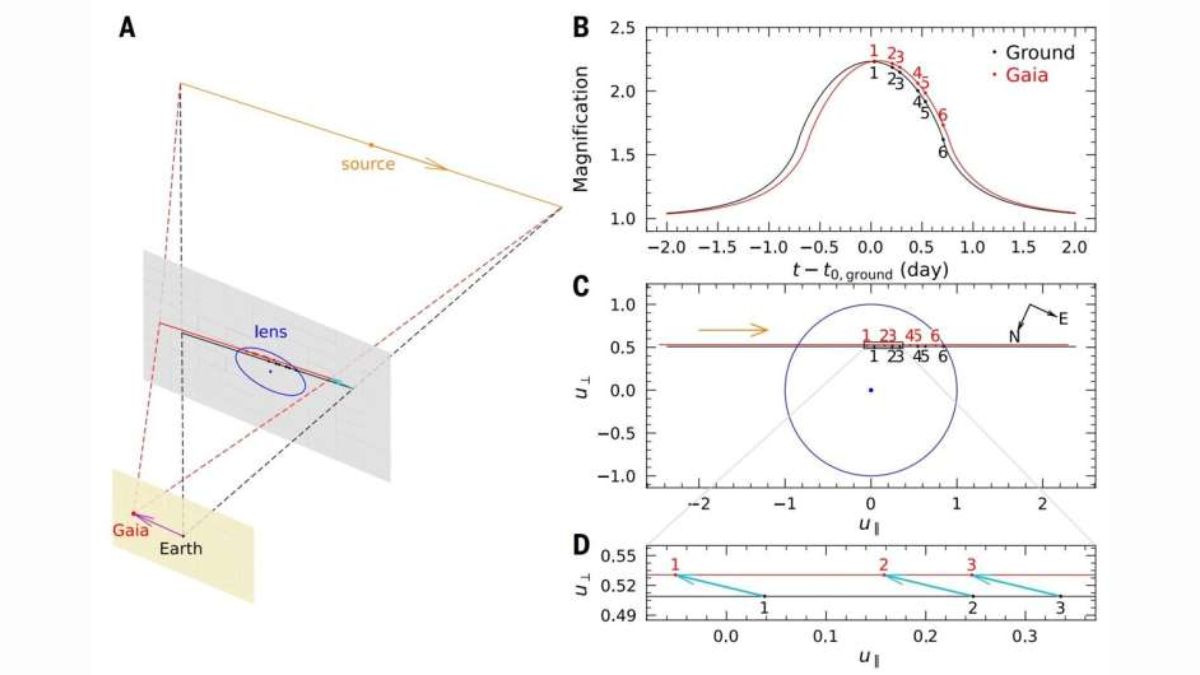
Astronomers have measured the mass and distance of a rogue planet for the first time. Using observations from Earth and the Gaia space telescope, the planet was found to be just under Saturn’s mass and about 10,000 light-years away. The study highlights how free-floating planets are ejected from star systems and improves understanding of planetar...
-
Astronomers Detect Rare Rogue Planet Drifting Alone 10,000 Light-Years from Earth
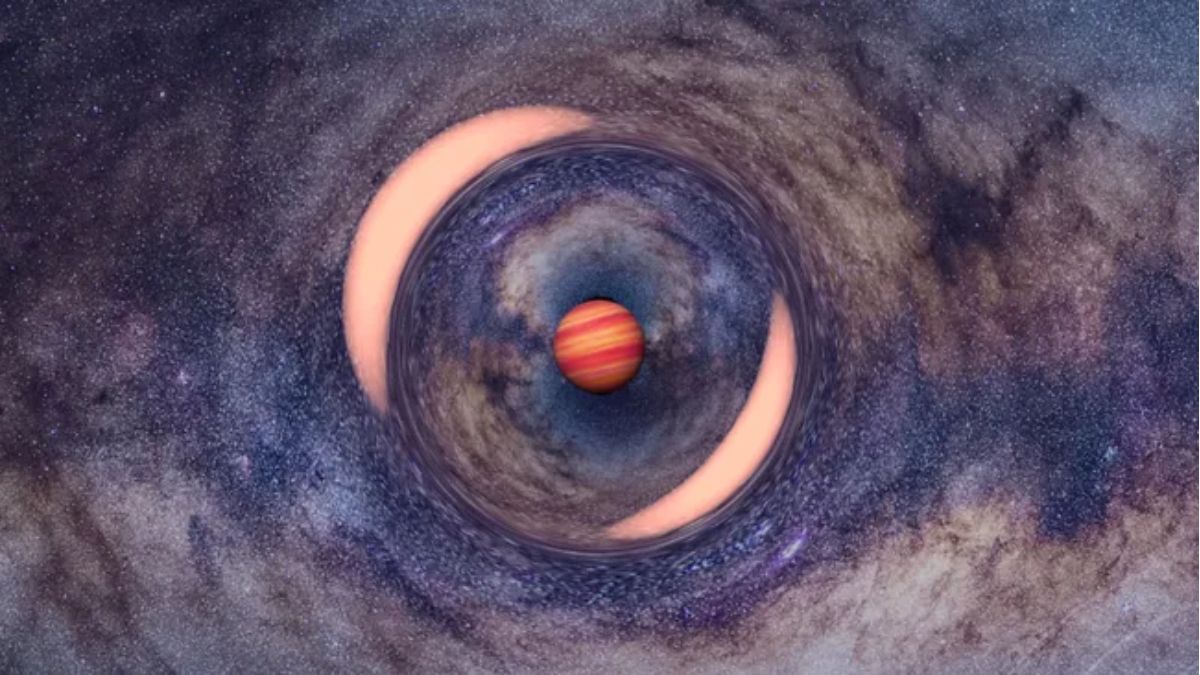
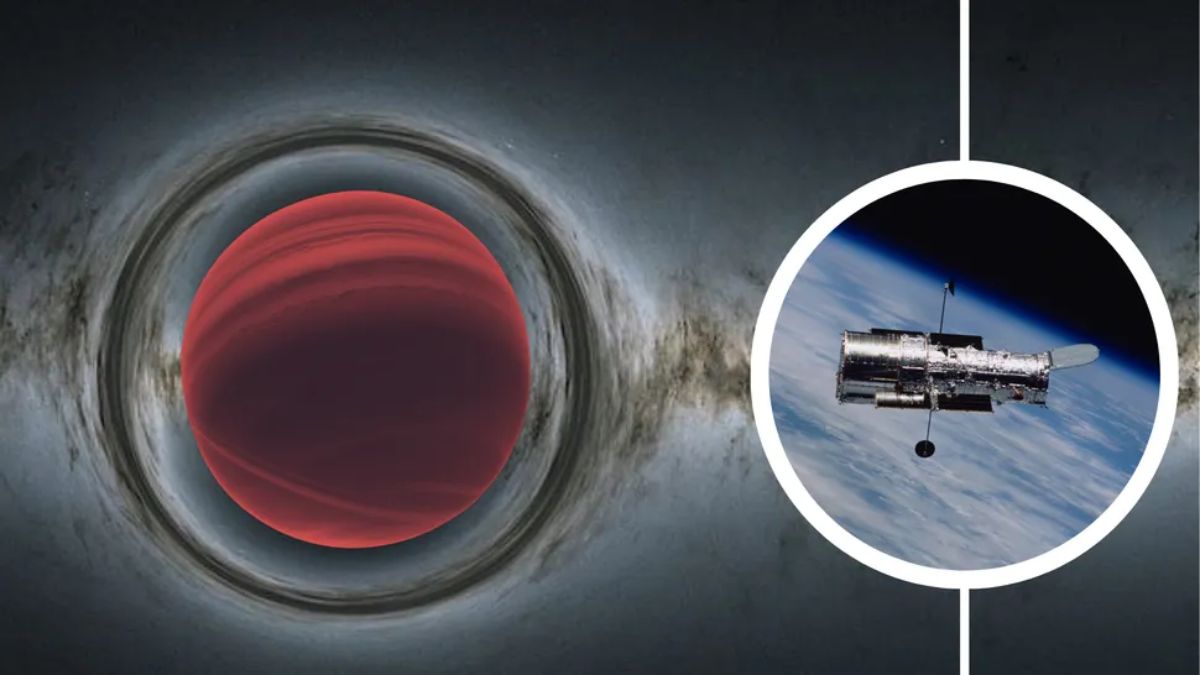
Astronomers have confirmed a rare rogue planet, drifting without a star nearly 10,000 light-years away. Using gravitational microlensing, their distance and mass were measured, suggesting that free-floating planets may be abundant across the Milky Way. Upcoming telescopes, including NASA’s Roman Space Telescope and China’s Earth 2.0 mission, ar...
-
Astronomers Stunned As Rogue Planet Grows At Record Speed
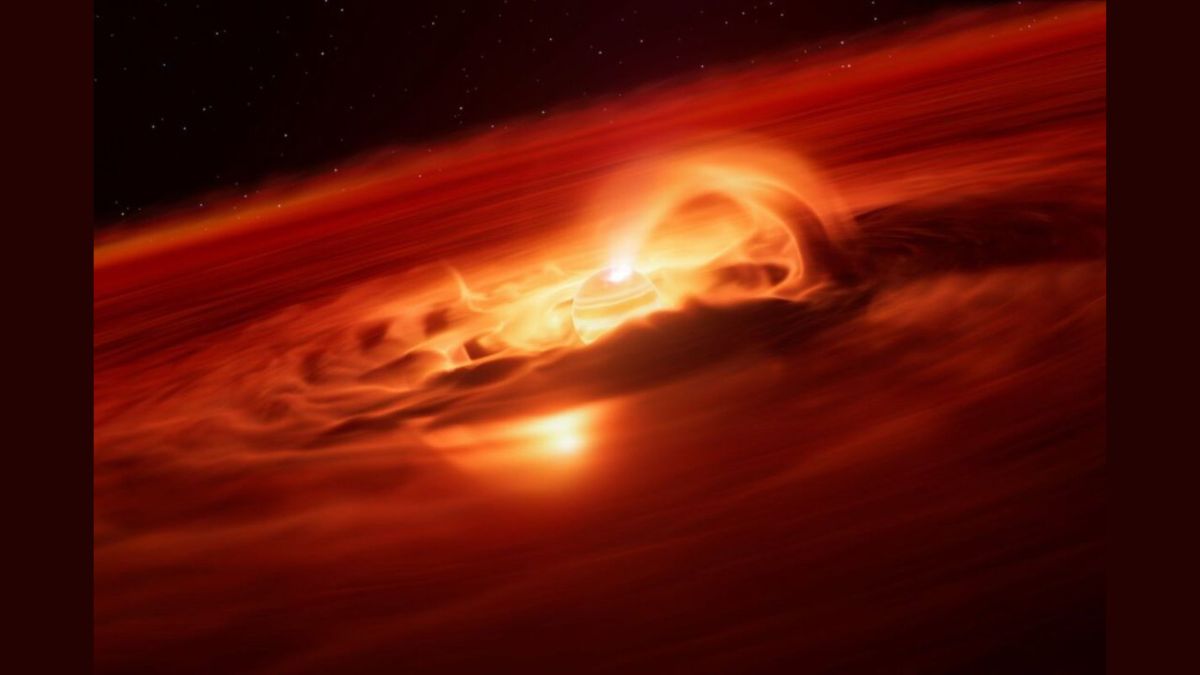
The object, known as Cha 1107-7626, lies about 620 light-years away and is estimated to be five to ten times the mass of Jupiter.
-
Astronomers Spot Rapidly Growing Rogue Planet Feeding on Surrounding Gas
Astronomers have discovered that Cha 1107-7626, a rogue planet 620 light-years away, is now the fastest-growing planet ever observed. The massive world consumes six billion tonnes of gas per second, a rate never before recorded. The findings suggest rogue planets can grow in star-like ways, reshaping how scientists view free-floating planetary obje...
-
Strange 'Rogue' Planet Spotted Guzzling Matter Like A Star
A mysterious "rogue" planet has been observed gobbling six billion tonnes of gas and dust a second -- an unprecedented rate that blurs the line between planets and stars, astronomers said.
-
New Rogue Planet Discovered in Hubble Data Using Einstein’s Gravity Theory
Astronomers discovered a rogue planet hidden in Hubble’s archival data using gravitational microlensing based on Einstein’s theory. The event, OGLE-2023-BLG-0524, lasted just eight hours and lacked signs of a host star, suggesting the planet might be truly free-floating.
-
Mysterious Planetary-Mass Objects May Form in Young Star System Clashes
Recent research challenges traditional views on planetary-mass objects, suggesting they may form through violent interactions between young star systems rather than standard planetary or stellar processes. Simulations indicate these clashes create dense gas filaments that evolve into free-floating objects, often in binary pairs. This discovery expl...
-
James Webb Space Telescope Observes Mysterious Rogue Planet-Like Object
The James Webb Space Telescope has captured new insights into SIMP 0136, a planetary-mass object floating freely around 20 light-years away. This celestial body, possibly a rogue planet or a brown dwarf, has puzzled astronomers for years. JWST’s infrared observations have revealed intricate cloud layers, temperature shifts, and potential chemical...
-
JWST Discovers Jupiter-Mass Binary Objects in Orion Nebula, Offering New Clues
The James Webb Space Telescope has identified dozens of Jupiter-mass binary objects (JuMBOs) in the Orion Nebula. These enigmatic rogue gas giant pairs orbit each other at distances of 25 to 400 AU. Researchers propose they could be failed stars formed under extreme radiation conditions, ejected planetary systems, or a mix of both. Simulations repl...
-
Here's How Our Solar System Could Capture Interstellar Objects And Rogue Planets
The key to this phenomenon lies in the concept of phase space, a mathematical representation that describes the state of a dynamical system like our solar system.
-
Starless, Forever Alone: 7 More Rogue Planets Discovered By Euclid Telescope
The Euclid space telescope has discovered seven more rogue planets, shining a light on the dark and lonely worlds floating freely through the universe untethered to any star.
-
Scientists Find 'Largest Cluster' of Nearly 100 Free-Floating Planets in a Single Star-Forming Region
Rogue planets have baffled astronomers for ages. Unlike regular planets which revolve around stars, these free-floating planets (FFPs) get ejected from star systems to move about in the galaxy on their own. In the latest discovery, astronomers found the largest cluster of rogue planets in a single star-forming region.
-
Earth-Sized Free Floating Rogue Planet Discovered in Milky Way
University of Warsaw researchers have announced that they have detected a terrestrial-mass rogue planet. They used a technique called microlensing which allows them to find planets that they otherwise wouldn’t be able to. They call this event ‘the most extreme short-timescale microlens discovered to date.’
-
Astronomers Measure Mass and Distance of a Rogue Planet for the First Time in History
Astronomers have measured the mass and distance of a rogue planet for the first time. Using observations from Earth and the Gaia space telescope, the planet was found to be just under Saturn’s mass and about 10,000 light-years away. The study highlights how free-floating planets are ejected from star systems and improves understanding of planetar...
-
Astronomers Detect Rare Rogue Planet Drifting Alone 10,000 Light-Years from Earth
Astronomers have confirmed a rare rogue planet, drifting without a star nearly 10,000 light-years away. Using gravitational microlensing, their distance and mass were measured, suggesting that free-floating planets may be abundant across the Milky Way. Upcoming telescopes, including NASA’s Roman Space Telescope and China’s Earth 2.0 mission, ar...
-
Astronomers Stunned As Rogue Planet Grows At Record Speed
The object, known as Cha 1107-7626, lies about 620 light-years away and is estimated to be five to ten times the mass of Jupiter.
-
Astronomers Spot Rapidly Growing Rogue Planet Feeding on Surrounding Gas
Astronomers have discovered that Cha 1107-7626, a rogue planet 620 light-years away, is now the fastest-growing planet ever observed. The massive world consumes six billion tonnes of gas per second, a rate never before recorded. The findings suggest rogue planets can grow in star-like ways, reshaping how scientists view free-floating planetary obje...
-
Strange 'Rogue' Planet Spotted Guzzling Matter Like A Star
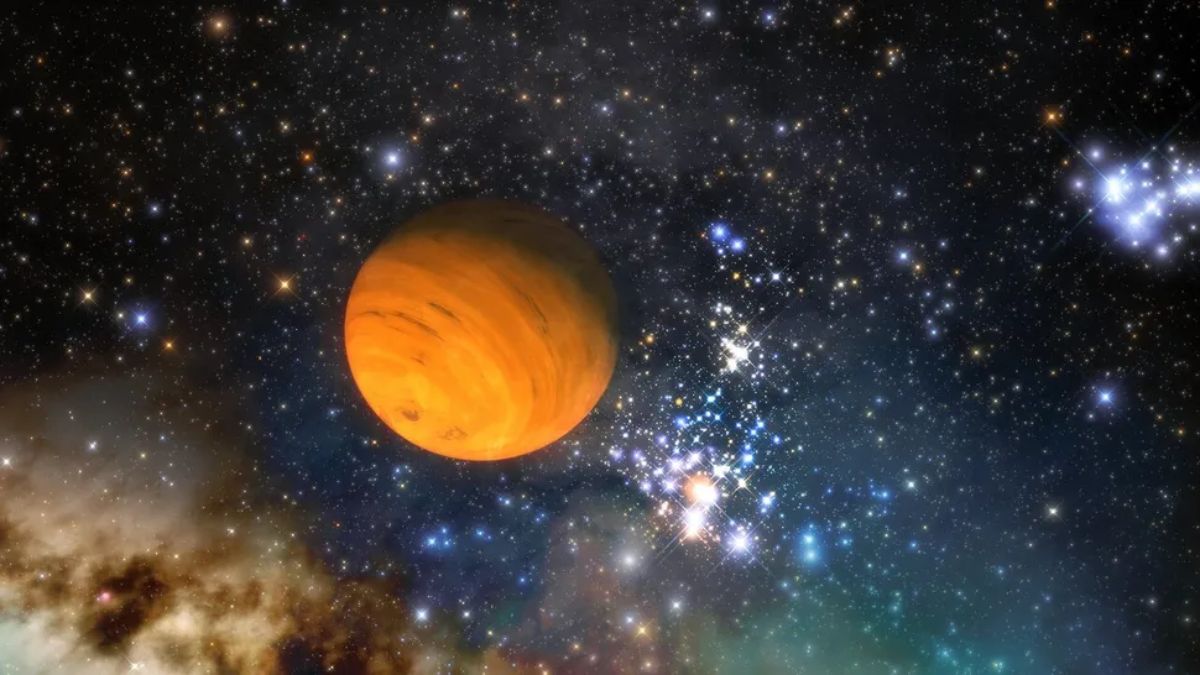
A mysterious "rogue" planet has been observed gobbling six billion tonnes of gas and dust a second -- an unprecedented rate that blurs the line between planets and stars, astronomers said.
-
New Rogue Planet Discovered in Hubble Data Using Einstein’s Gravity Theory
Astronomers discovered a rogue planet hidden in Hubble’s archival data using gravitational microlensing based on Einstein’s theory. The event, OGLE-2023-BLG-0524, lasted just eight hours and lacked signs of a host star, suggesting the planet might be truly free-floating.
-
Mysterious Planetary-Mass Objects May Form in Young Star System Clashes
Recent research challenges traditional views on planetary-mass objects, suggesting they may form through violent interactions between young star systems rather than standard planetary or stellar processes. Simulations indicate these clashes create dense gas filaments that evolve into free-floating objects, often in binary pairs. This discovery expl...
-
James Webb Space Telescope Observes Mysterious Rogue Planet-Like Object
The James Webb Space Telescope has captured new insights into SIMP 0136, a planetary-mass object floating freely around 20 light-years away. This celestial body, possibly a rogue planet or a brown dwarf, has puzzled astronomers for years. JWST’s infrared observations have revealed intricate cloud layers, temperature shifts, and potential chemical...
-
JWST Discovers Jupiter-Mass Binary Objects in Orion Nebula, Offering New Clues
The James Webb Space Telescope has identified dozens of Jupiter-mass binary objects (JuMBOs) in the Orion Nebula. These enigmatic rogue gas giant pairs orbit each other at distances of 25 to 400 AU. Researchers propose they could be failed stars formed under extreme radiation conditions, ejected planetary systems, or a mix of both. Simulations repl...
-
Here's How Our Solar System Could Capture Interstellar Objects And Rogue Planets
The key to this phenomenon lies in the concept of phase space, a mathematical representation that describes the state of a dynamical system like our solar system.
-
Starless, Forever Alone: 7 More Rogue Planets Discovered By Euclid Telescope
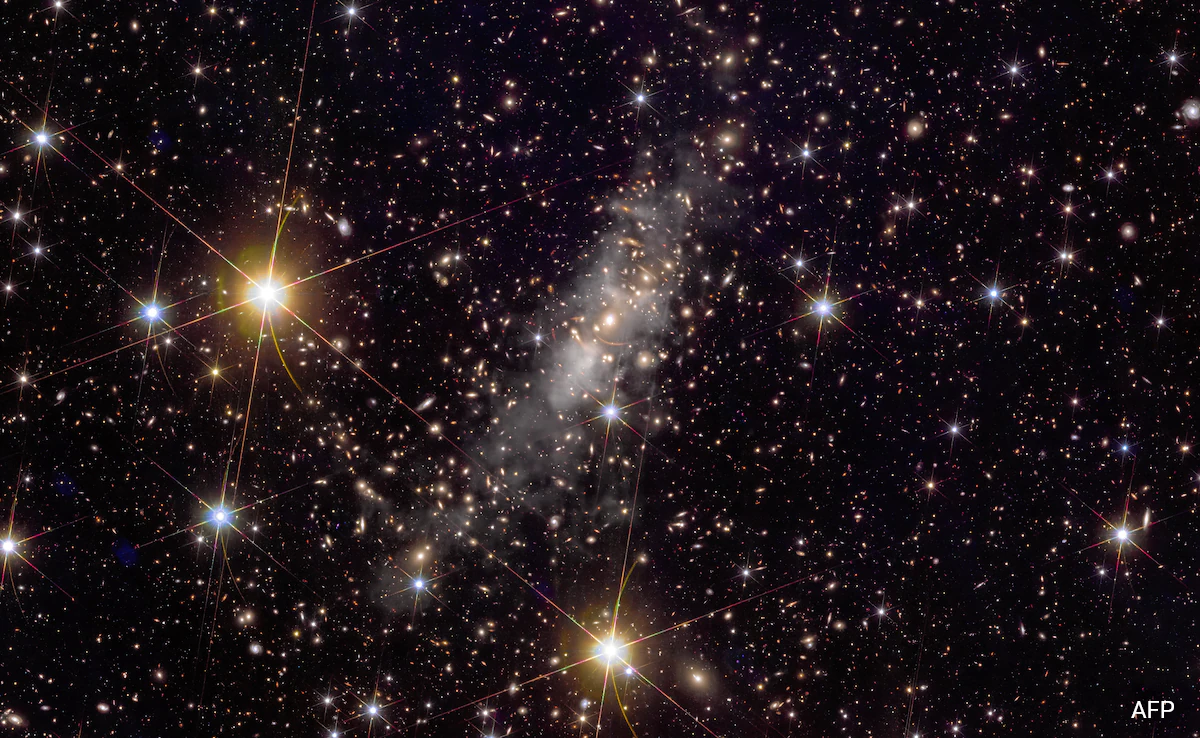
The Euclid space telescope has discovered seven more rogue planets, shining a light on the dark and lonely worlds floating freely through the universe untethered to any star.
-
Scientists Find 'Largest Cluster' of Nearly 100 Free-Floating Planets in a Single Star-Forming Region
Rogue planets have baffled astronomers for ages. Unlike regular planets which revolve around stars, these free-floating planets (FFPs) get ejected from star systems to move about in the galaxy on their own. In the latest discovery, astronomers found the largest cluster of rogue planets in a single star-forming region.
-
Earth-Sized Free Floating Rogue Planet Discovered in Milky Way
University of Warsaw researchers have announced that they have detected a terrestrial-mass rogue planet. They used a technique called microlensing which allows them to find planets that they otherwise wouldn’t be able to. They call this event ‘the most extreme short-timescale microlens discovered to date.’

