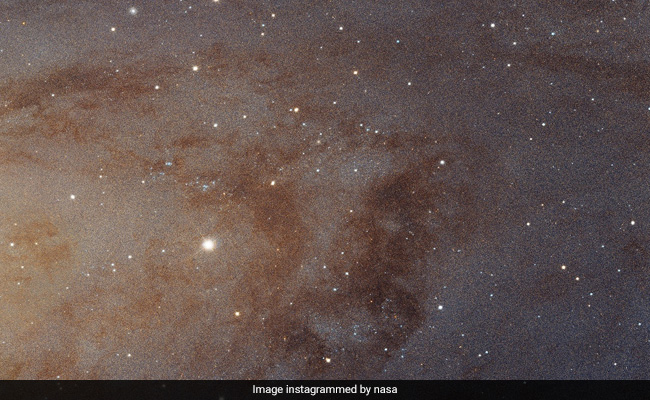
Radio Signals From Space
- All
- News
-
NASA’s GNEISS Mission Will Map Electric Currents Behind the Aurora
- Sunday February 8, 2026
- Written by Gadgets 360 Staff
NASA’s GNEISS mission will launch from Alaska in early 2026 to probe the electric currents that drive auroras. Two rockets will fly through glowing auroral arcs, releasing sub-payloads whose radio signals act like a CT scan. By mapping electron density and direction, scientists aim to improve space weather forecasting and better protect satellite...
-
www.gadgets360.com
-
NASA’s GNEISS Mission Will Map Electric Currents Behind the Aurora
- Saturday February 7, 2026
- Written by Gadgets 360 Staff
NASA’s GNEISS mission will launch from Alaska in early 2026 to probe the electric currents that drive auroras. Two rockets will fly through glowing auroral arcs, releasing sub-payloads whose radio signals act like a CT scan. By mapping electron density and direction, scientists aim to improve space weather forecasting and better protect satellite...
-
www.gadgets360.com
-
NASA Attempts To Connect With MAVEN Spacecraft, Mysteriously Lost Since December
- Wednesday January 28, 2026
- Science | Edited by Srishti Singh Sisodia
A team of experts is also analysing snippets of data recovered from a December 6 radio science campaign.
-
www.ndtv.com
-
World’s Biggest Alien Search Enters Final Stage With 100 Mystery Signals
- Saturday January 17, 2026
- Written by Gadgets 360 Staff
SETI scientists are using China’s FAST radio telescope to examine the final 100 unexplained signals from the historic SETI@home project. While experts expect most to be radio interference, the search marks the culmination of a massive global citizen science effort and sets new standards for future hunts for extraterrestrial intelligence.
-
www.gadgets360.com
-
Scientists Study 100 Possible Alien Signals as Arecibo’s Historic SETI Search Concludes
- Wednesday January 14, 2026
- Written by Gadgets 360 Staff
Scientists are studying 100 possible alien radio signals identified from Arecibo Observatory data, bringing the 21-year SETI@Home project to a close. Supported by millions of volunteers, the effort found no confirmed alien messages but set new sensitivity standards. Researchers say the findings will guide future searches using more powerful radio t...
-
www.gadgets360.com
-
NOAA Issues G2 Solar Storm Watch; May Spark Auroras but Threaten Satellite Signals
- Saturday January 3, 2026
- Written by Gadgets 360 Staff
Space weather scientists are monitoring a coronal mass ejection expected to reach Earth around January 2–3, 2026. NOAA forecasts a G2-level geomagnetic storm, which is considered moderate but can still affect satellites, power grids and radio communications. While the event may bring vivid auroras to high latitudes, it also highlights the Sun’s...
-
www.gadgets360.com
-
Scientists Create Most Detailed Radio Map of Early Universe Using MWA
- Saturday October 18, 2025
- Written by Gadgets 360 Staff
Scientists using the Murchison Widefield Array in Australia analyzed nine years of radio data to study the elusive 21-cm hydrogen signal from the universe’s dark ages. Their findings suggest early black holes and stars had already heated cosmic gas, marking the first observational evidence of this warming phase.
-
www.gadgets360.com
-
India’s PRATUSH Computer Could Detect Signals From the Universe’s First Stars: Report
- Thursday September 4, 2025
- Written by Gadgets 360 Staff
RRI’s PRATUSH—a credit-card-sized computer payload—will detect faint radio signals from hydrogen to study the “Cosmic Dawn”. Designed for deployment on the Moon’s far side, the system offers noise-free, efficient data handling using an SBC and FPGA combo. If successful, it could help determine when the first stars formed and expand our ...
-
www.gadgets360.com
-
Sun Erupts with Triple Solar Flares After Weeks of Silence
- Tuesday August 5, 2025
- Written by Gadgets 360 Staff
After a 22-day period of solar calm, the Sun unleashed three M-class solar flares on August 3–4, 2025, all originating from active sunspot region AR 4168. These moderate flares released intense radiation, capable of briefly disrupting high-frequency radio signals and potentially sparking auroras at high latitudes. Scientists also detected likel...
-
www.gadgets360.com
-
Starlink’s Unintended Signals Threaten Astronomical Research, Study Finds
- Thursday July 31, 2025
- Written by Gadgets 360 Staff
Astronomers have raised concerns over Starlink’s unintended radio emissions interfering with space observation. A Curtin University study found emissions from SpaceX satellites impacting up to 30% of astronomical data. Experts urge updated regulations to protect radio astronomy, as current rules overlook these non-deliberate signals from satellit...
-
www.gadgets360.com
-
NASA’s GNEISS Mission Will Map Electric Currents Behind the Aurora
- Sunday February 8, 2026
- Written by Gadgets 360 Staff
NASA’s GNEISS mission will launch from Alaska in early 2026 to probe the electric currents that drive auroras. Two rockets will fly through glowing auroral arcs, releasing sub-payloads whose radio signals act like a CT scan. By mapping electron density and direction, scientists aim to improve space weather forecasting and better protect satellite...
-
www.gadgets360.com
-
NASA’s GNEISS Mission Will Map Electric Currents Behind the Aurora
- Saturday February 7, 2026
- Written by Gadgets 360 Staff
NASA’s GNEISS mission will launch from Alaska in early 2026 to probe the electric currents that drive auroras. Two rockets will fly through glowing auroral arcs, releasing sub-payloads whose radio signals act like a CT scan. By mapping electron density and direction, scientists aim to improve space weather forecasting and better protect satellite...
-
www.gadgets360.com
-
NASA Attempts To Connect With MAVEN Spacecraft, Mysteriously Lost Since December
- Wednesday January 28, 2026
- Science | Edited by Srishti Singh Sisodia
A team of experts is also analysing snippets of data recovered from a December 6 radio science campaign.
-
www.ndtv.com
-
World’s Biggest Alien Search Enters Final Stage With 100 Mystery Signals
- Saturday January 17, 2026
- Written by Gadgets 360 Staff
SETI scientists are using China’s FAST radio telescope to examine the final 100 unexplained signals from the historic SETI@home project. While experts expect most to be radio interference, the search marks the culmination of a massive global citizen science effort and sets new standards for future hunts for extraterrestrial intelligence.
-
www.gadgets360.com
-
Scientists Study 100 Possible Alien Signals as Arecibo’s Historic SETI Search Concludes
- Wednesday January 14, 2026
- Written by Gadgets 360 Staff
Scientists are studying 100 possible alien radio signals identified from Arecibo Observatory data, bringing the 21-year SETI@Home project to a close. Supported by millions of volunteers, the effort found no confirmed alien messages but set new sensitivity standards. Researchers say the findings will guide future searches using more powerful radio t...
-
www.gadgets360.com
-
NOAA Issues G2 Solar Storm Watch; May Spark Auroras but Threaten Satellite Signals
- Saturday January 3, 2026
- Written by Gadgets 360 Staff
Space weather scientists are monitoring a coronal mass ejection expected to reach Earth around January 2–3, 2026. NOAA forecasts a G2-level geomagnetic storm, which is considered moderate but can still affect satellites, power grids and radio communications. While the event may bring vivid auroras to high latitudes, it also highlights the Sun’s...
-
www.gadgets360.com
-
Scientists Create Most Detailed Radio Map of Early Universe Using MWA
- Saturday October 18, 2025
- Written by Gadgets 360 Staff
Scientists using the Murchison Widefield Array in Australia analyzed nine years of radio data to study the elusive 21-cm hydrogen signal from the universe’s dark ages. Their findings suggest early black holes and stars had already heated cosmic gas, marking the first observational evidence of this warming phase.
-
www.gadgets360.com
-
India’s PRATUSH Computer Could Detect Signals From the Universe’s First Stars: Report
- Thursday September 4, 2025
- Written by Gadgets 360 Staff
RRI’s PRATUSH—a credit-card-sized computer payload—will detect faint radio signals from hydrogen to study the “Cosmic Dawn”. Designed for deployment on the Moon’s far side, the system offers noise-free, efficient data handling using an SBC and FPGA combo. If successful, it could help determine when the first stars formed and expand our ...
-
www.gadgets360.com
-
Sun Erupts with Triple Solar Flares After Weeks of Silence
- Tuesday August 5, 2025
- Written by Gadgets 360 Staff
After a 22-day period of solar calm, the Sun unleashed three M-class solar flares on August 3–4, 2025, all originating from active sunspot region AR 4168. These moderate flares released intense radiation, capable of briefly disrupting high-frequency radio signals and potentially sparking auroras at high latitudes. Scientists also detected likel...
-
www.gadgets360.com
-
Starlink’s Unintended Signals Threaten Astronomical Research, Study Finds
- Thursday July 31, 2025
- Written by Gadgets 360 Staff
Astronomers have raised concerns over Starlink’s unintended radio emissions interfering with space observation. A Curtin University study found emissions from SpaceX satellites impacting up to 30% of astronomical data. Experts urge updated regulations to protect radio astronomy, as current rules overlook these non-deliberate signals from satellit...
-
www.gadgets360.com