



Kuiper Belt
-
{
- All
- News
- Videos
-

Scientists Discover Possible Atmosphere Around Tiny Icy World Beyond Neptune
The study marks the first-ever detection of a potential atmosphere around a trans-Neptunian object other than Pluto.
-
Astronomers Find Thin Atmosphere Around Distant Frozen Space Object
Researchers believe the discovery could provide new insights into how atmospheres form.
-
Astronomers Discover Trans-Neptunian Object With Atmosphere in Outer Solar System
Astronomers discovered a faint atmosphere around (612533) 2002 XV93 using a stellar occultation. The finding challenges current theories, as such small, cold bodies should not retain gas, hinting at recent activity like impacts or ice volcanism.
-
"Crash Icy Asteroids Into Mars": Scientist's Plan To Make Mars Liveable For Humans
Dr Leszek Czechowski proposes a radical approach to terraform Mars by crashing asteroids into the planet.
-
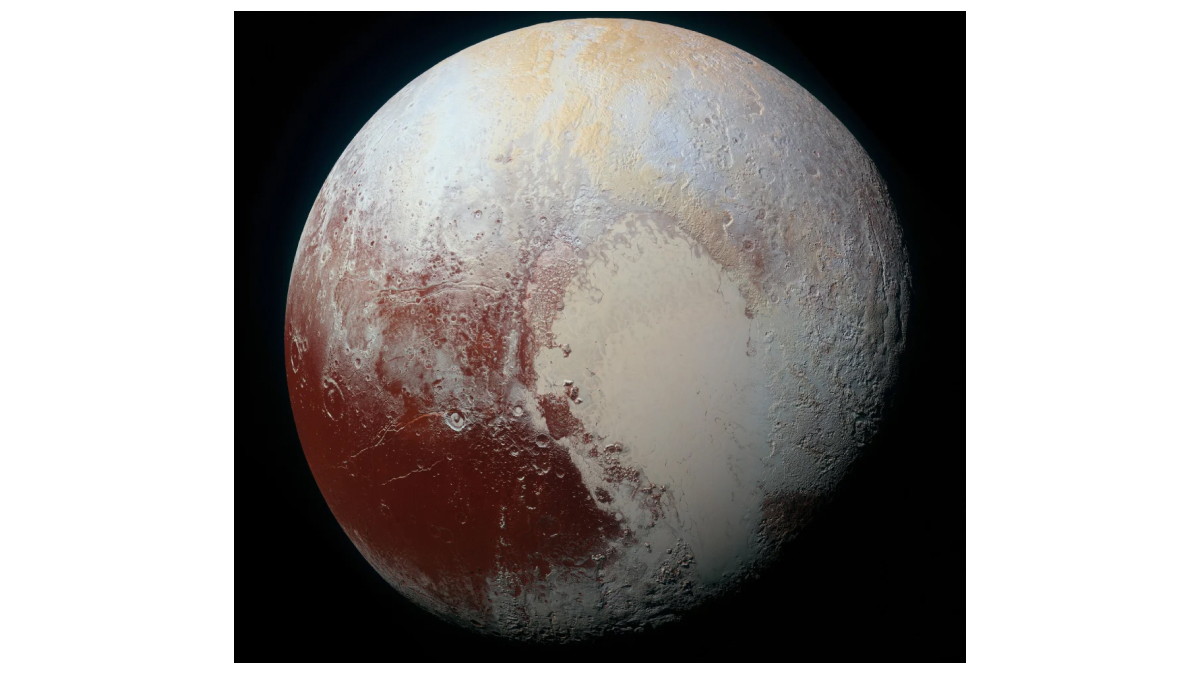
New "Kiss-and-Capture" Theory Explains Pluto's Formation of Largest Moon, Charon
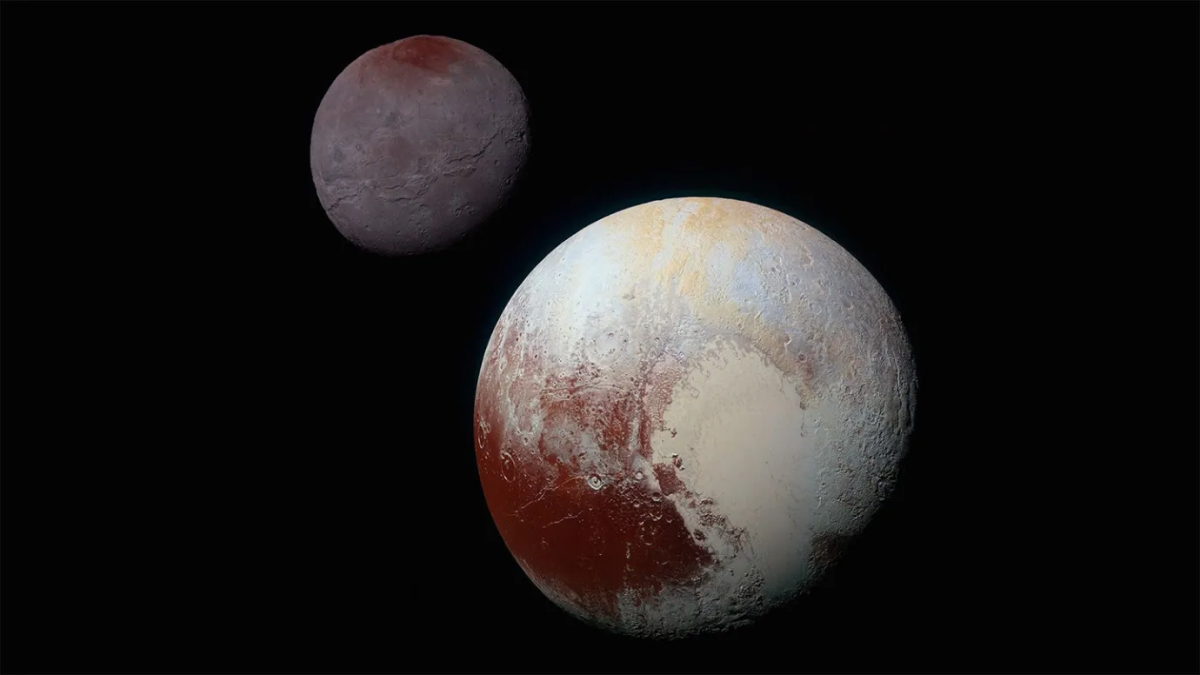
A new theory proposes that Pluto’s largest moon, Charon, was formed billions of years ago through a rare "kiss-and-capture" collision in the Kuiper Belt. This process involves two icy bodies briefly merging and then separating, leaving Charon in a stable orbit around Pluto. Unlike traditional collision models, this event challenges previous theor...
-
Discovery of Hidden Ninth Planet in Solar System Could Reshape Astronomy, Claims New Study
Scientists are exploring the possibility of a hidden ninth planet in our solar system. The planet, dubbed Planet Nine, is believed to exist beyond Neptune in the Kuiper Belt. Researchers have noticed unusual gravitational effects on distant objects in this region, which may be influenced by the presence of a large, unseen planet. While it has not b...
-
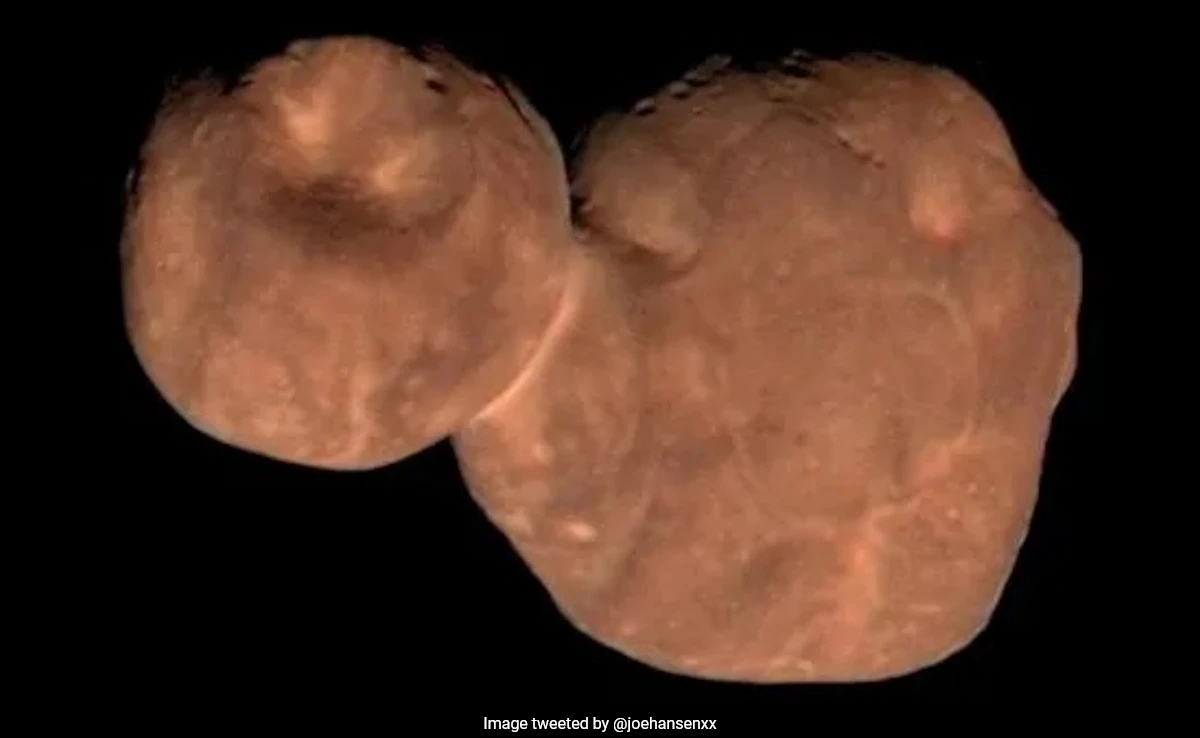
Arrokoth, A Distant Red Object In Kuiper Belt, Is Rich In Sugars: Study
Researchers found that Arrokoth has a distinctive reddish colour, which is linked to the presence of complex organic molecules.
-
Mysterious Earth-Like Planet Hiding In The Solar System, Says Study
According to scientists, the possibility exists that an Earth-like planet may be concealed within the Kuiper Belt.
-
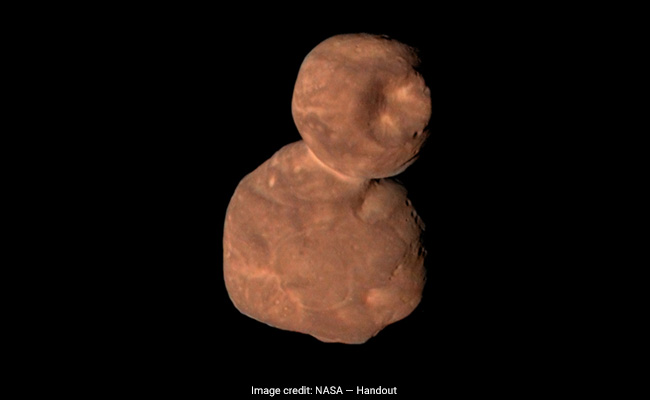
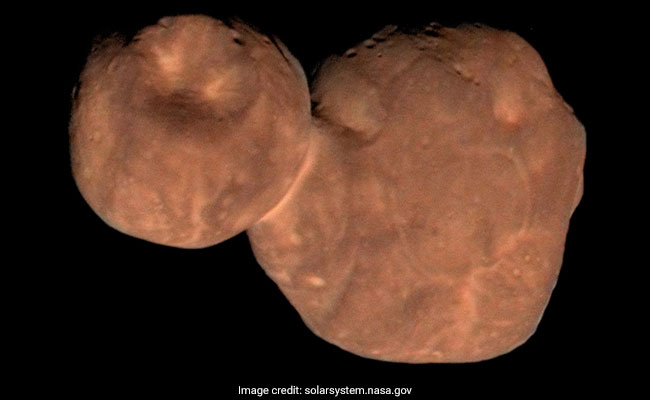
Meet Arrokoth, The Most Distant Space Object Ever Seen Up Close
The bundle of ice and rock was discovered using a telescope operated in Maryland. It was studied up close by a spacecraft built in the same state. So when NASA scientists had to choose an official name for the most distant object they had ever explored, they borrowed a word from the original inhabitants of this region: Arrokoth, the Powhatan/Algonq...
-
Most Distant Space Object Looks Like Man In Meditation
NASAs New Horizons mission team has published the first image of the farthest world ever explored -- a planetary building block and Kuiper Belt object clicked during New Years 2019 flyby of Ultima Thule which looks like a human being in deep meditation.
-
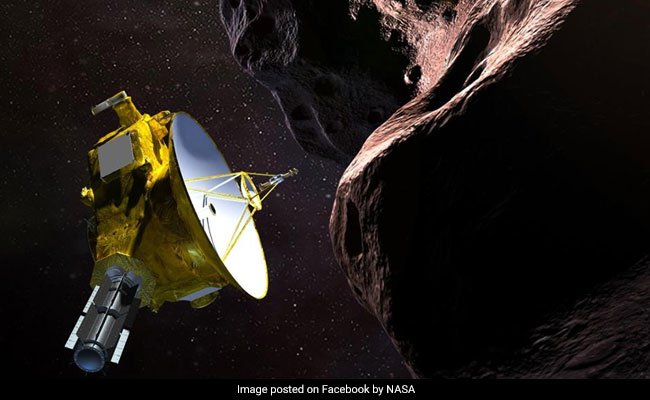
This Spacecraft Is En Route To Furthest Object Humans Have Ever Explored
The nerdiest New Year's party in the solar system is happening 4 billion miles from Earth, where a lone, intrepid explorer is en route to the furthest object humans have ever explored.
-
NASA Has A New Year's Date With A Distant Space Rock: Here's How To Watch
When NASA chose a target for its New Horizons spacecraft that was farther than anything explored before, "Ultima Thule" seemed a fitting moniker. The far-flung space rock is an inhabitant of the Kuiper Belt, the ring of debris that encircles the icy outer reaches of solar system.
-
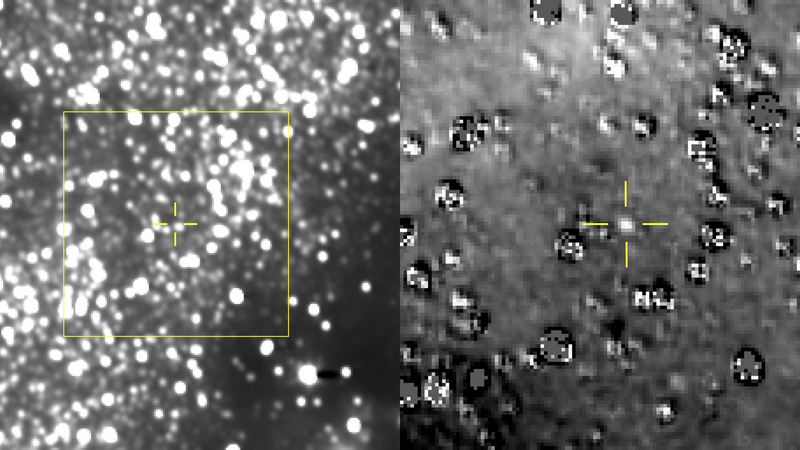
NASA's New Horizons Spots Kuiper Belt Object as Next Flyby Target From Over 160 Million Kilometres Away
The New Horizons probe is set to encounter the Kuiper Belt object - nicknamed Ultima Thule - on New Year's Eve and New Year's Day, 2019.
-
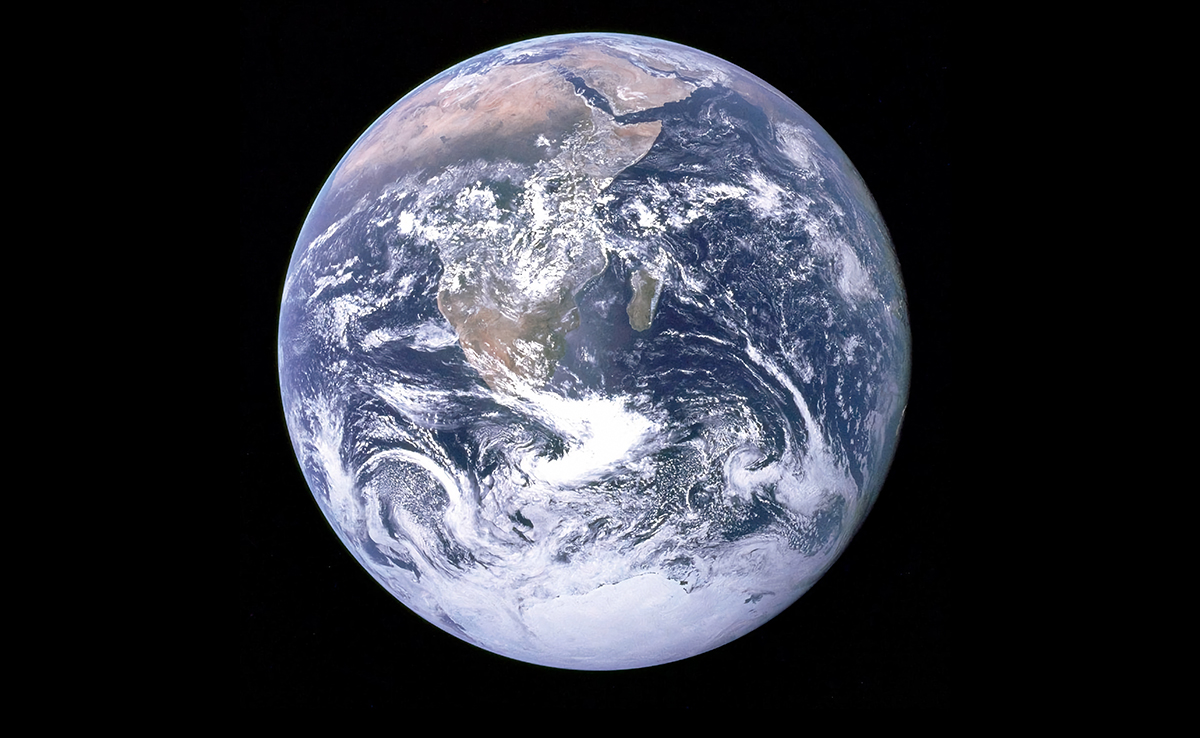
NASA's New Horizons Snaps Images Farther From Earth Than Any Spacecraft in History
New Horizons was even farther from home than NASA's Voyager 1 when it captured the famous "Pale Blue Dot" image of Earth.
-
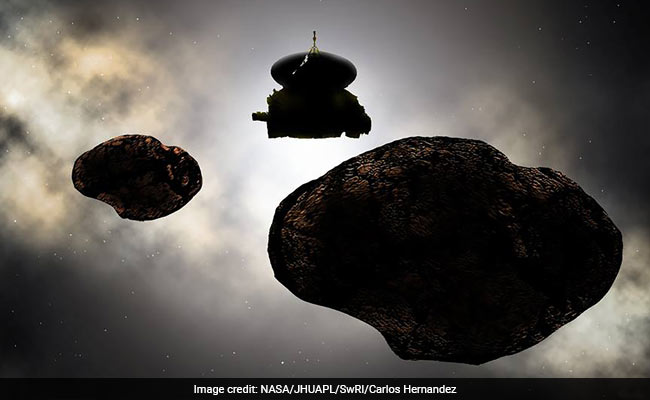
NASA Invites Public To Name Its Next Flyby Target
NASA has invited the public to suggest a nickname for the New Horizons mission's next flyby destination - a small, frozen world in the outer edge of our solar system.



-
Scientists Discover Possible Atmosphere Around Tiny Icy World Beyond Neptune
The study marks the first-ever detection of a potential atmosphere around a trans-Neptunian object other than Pluto.
-
Astronomers Find Thin Atmosphere Around Distant Frozen Space Object
Researchers believe the discovery could provide new insights into how atmospheres form.
-
Astronomers Discover Trans-Neptunian Object With Atmosphere in Outer Solar System
Astronomers discovered a faint atmosphere around (612533) 2002 XV93 using a stellar occultation. The finding challenges current theories, as such small, cold bodies should not retain gas, hinting at recent activity like impacts or ice volcanism.
-
"Crash Icy Asteroids Into Mars": Scientist's Plan To Make Mars Liveable For Humans
Dr Leszek Czechowski proposes a radical approach to terraform Mars by crashing asteroids into the planet.
-
New "Kiss-and-Capture" Theory Explains Pluto's Formation of Largest Moon, Charon
A new theory proposes that Pluto’s largest moon, Charon, was formed billions of years ago through a rare "kiss-and-capture" collision in the Kuiper Belt. This process involves two icy bodies briefly merging and then separating, leaving Charon in a stable orbit around Pluto. Unlike traditional collision models, this event challenges previous theor...
-
Discovery of Hidden Ninth Planet in Solar System Could Reshape Astronomy, Claims New Study
Scientists are exploring the possibility of a hidden ninth planet in our solar system. The planet, dubbed Planet Nine, is believed to exist beyond Neptune in the Kuiper Belt. Researchers have noticed unusual gravitational effects on distant objects in this region, which may be influenced by the presence of a large, unseen planet. While it has not b...
-
Arrokoth, A Distant Red Object In Kuiper Belt, Is Rich In Sugars: Study
Researchers found that Arrokoth has a distinctive reddish colour, which is linked to the presence of complex organic molecules.
-
Mysterious Earth-Like Planet Hiding In The Solar System, Says Study
According to scientists, the possibility exists that an Earth-like planet may be concealed within the Kuiper Belt.
-
Meet Arrokoth, The Most Distant Space Object Ever Seen Up Close
The bundle of ice and rock was discovered using a telescope operated in Maryland. It was studied up close by a spacecraft built in the same state. So when NASA scientists had to choose an official name for the most distant object they had ever explored, they borrowed a word from the original inhabitants of this region: Arrokoth, the Powhatan/Algonq...
-
Most Distant Space Object Looks Like Man In Meditation
NASAs New Horizons mission team has published the first image of the farthest world ever explored -- a planetary building block and Kuiper Belt object clicked during New Years 2019 flyby of Ultima Thule which looks like a human being in deep meditation.
-
This Spacecraft Is En Route To Furthest Object Humans Have Ever Explored
The nerdiest New Year's party in the solar system is happening 4 billion miles from Earth, where a lone, intrepid explorer is en route to the furthest object humans have ever explored.
-
NASA Has A New Year's Date With A Distant Space Rock: Here's How To Watch
When NASA chose a target for its New Horizons spacecraft that was farther than anything explored before, "Ultima Thule" seemed a fitting moniker. The far-flung space rock is an inhabitant of the Kuiper Belt, the ring of debris that encircles the icy outer reaches of solar system.
-
NASA's New Horizons Spots Kuiper Belt Object as Next Flyby Target From Over 160 Million Kilometres Away
The New Horizons probe is set to encounter the Kuiper Belt object - nicknamed Ultima Thule - on New Year's Eve and New Year's Day, 2019.
-
NASA's New Horizons Snaps Images Farther From Earth Than Any Spacecraft in History
New Horizons was even farther from home than NASA's Voyager 1 when it captured the famous "Pale Blue Dot" image of Earth.
-
NASA Invites Public To Name Its Next Flyby Target
NASA has invited the public to suggest a nickname for the New Horizons mission's next flyby destination - a small, frozen world in the outer edge of our solar system.

