



Kepler Mission
-
{
- All
- News
-

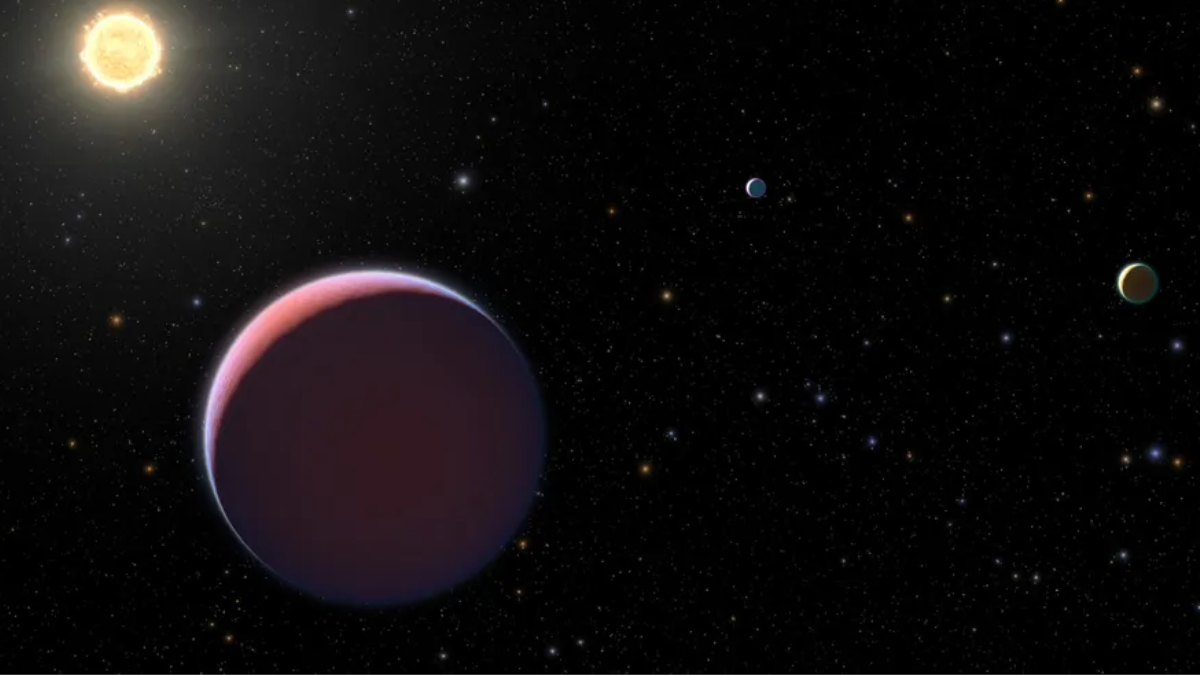
Kepler-51 Super-Puff Planets Baffle Scientists as JWST Finds No Atmosphere Clues
The Kepler-51 system hosts three ultra-light “super-puff” planets with massive atmospheres and tiny cores. New JWST observations failed to detect atmospheric signatures, suggesting thick hydrocarbon haze and deepening the mystery of how such worlds form.
-
NASA's Kepler Data Adds 301 Planets, Thanks to Machine Learning
A new deep learning method has added a whopping 301 exoplanets to the total tally. These planets were added to the already validated 4,569 planets which are orbiting several distant stars. The additions were made with the help of a deep neural method called ExoMiner.
-
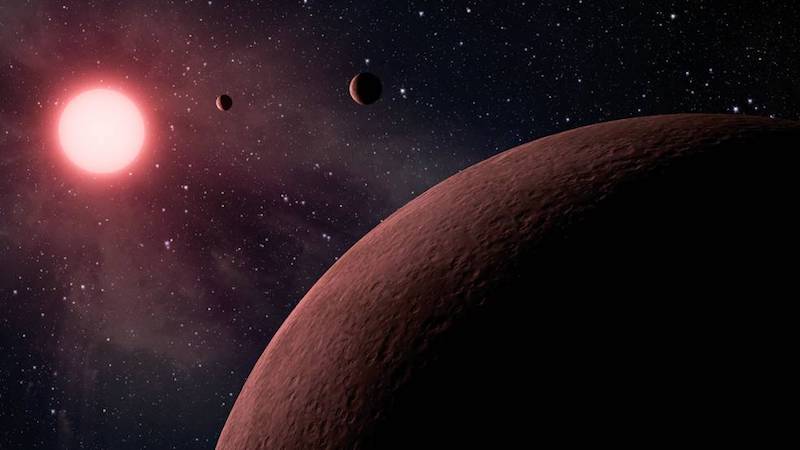
NASA's Kepler Telescope Discovers 10 New Earth-Sized Exoplanets
The Kepler mission team released a survey of 219 potential exoplanets that had been detected by the space observatory launched in 2009 to scan the Milky Way galaxy.
-
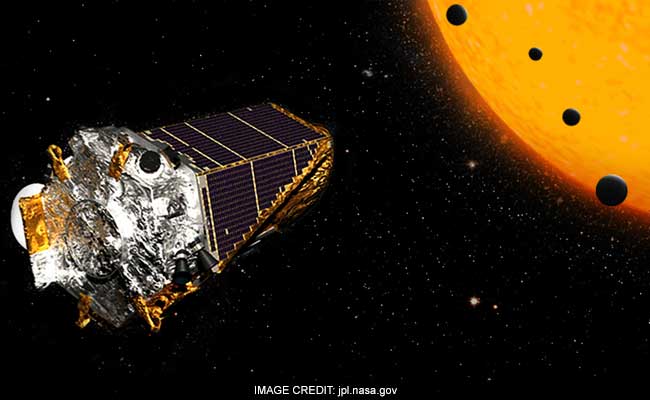
NASA's Kepler Discovers More Than 104 New Exoplanets
An international team of researchers announced on Monday the discovery of 104 new planets outside our solar system, including four that could have Earth-like, rocky surfaces.
-
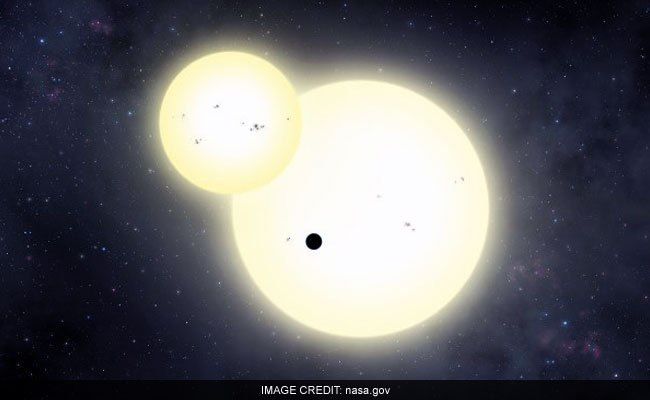
Astronomers Discover Largest Planet Orbiting 2 Suns
Astronomers using the US Kepler Space Telescope said on Monday they have found the largest planet yet discovered that orbits a pair of binary stars.
-
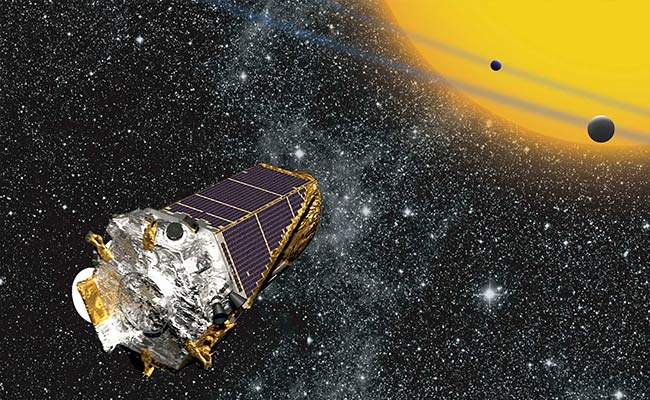
NASA's Planet-Hunting Kepler Probe Goes Into Emergency Mode
In a bad news for astronomers searching for extraterrestrial life in deep space, NASA's planet-hunting spacecraft Kepler has gone into an emergency mode 75 million miles from the Earth.
-
NASA's Kepler Mission Finds 100 New Alien Planets Orbiting Other Stars
NASA's planet-hunting revamped Kepler mission has found more than 100 confirmed planets orbiting other stars.
-
NASA Probe Discovers New Planet Orbiting 2 Stars
NASA's Kepler mission has discovered a new planet orbiting two stars and located within its host stars' "habitable zone", the area around the stars in which life could potentially exist.
-
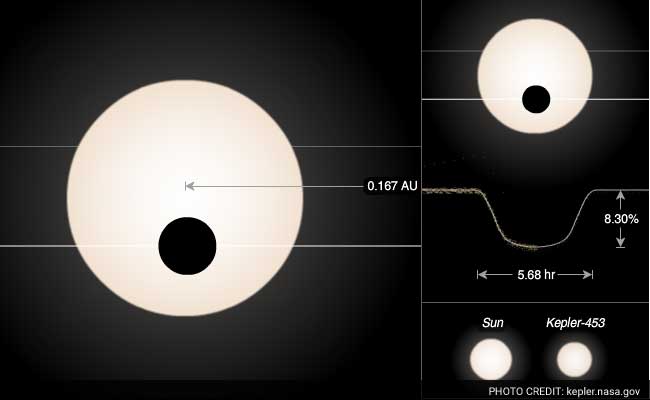
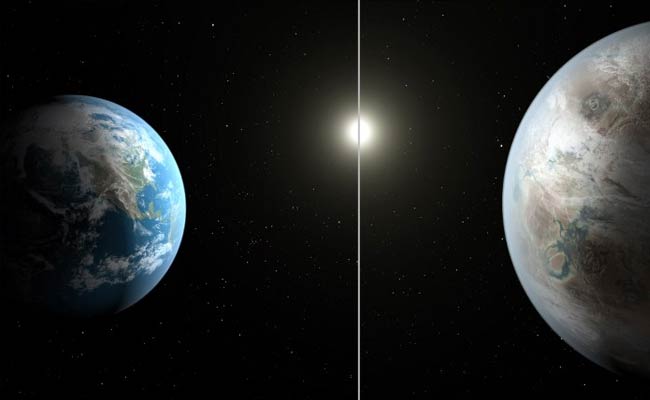
NASA Discovers Earth-Like Planet Orbiting 'Cousin' of Sun
Astronomers hunting for another Earth have found the closest match yet, a potentially rocky planet circling its star at the same distance as the Earth orbits the Sun, NASA said Thursday.
-
Kepler-51 Super-Puff Planets Baffle Scientists as JWST Finds No Atmosphere Clues
The Kepler-51 system hosts three ultra-light “super-puff” planets with massive atmospheres and tiny cores. New JWST observations failed to detect atmospheric signatures, suggesting thick hydrocarbon haze and deepening the mystery of how such worlds form.
-
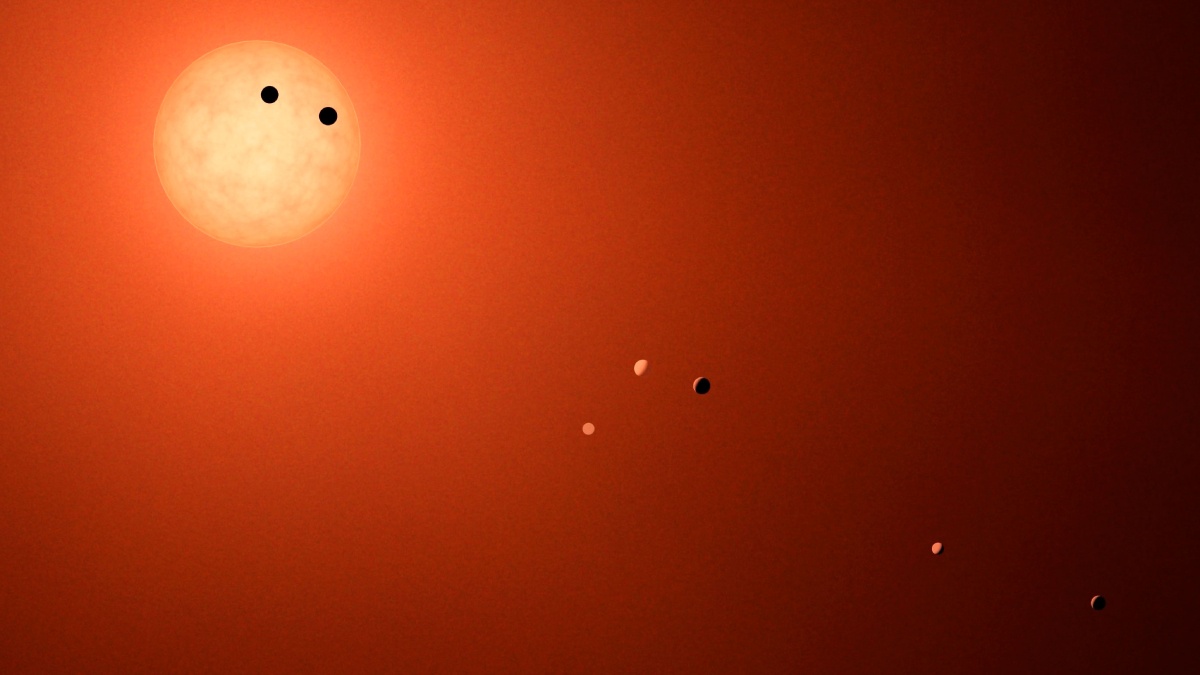
NASA's Kepler Data Adds 301 Planets, Thanks to Machine Learning
A new deep learning method has added a whopping 301 exoplanets to the total tally. These planets were added to the already validated 4,569 planets which are orbiting several distant stars. The additions were made with the help of a deep neural method called ExoMiner.
-
NASA's Kepler Telescope Discovers 10 New Earth-Sized Exoplanets
The Kepler mission team released a survey of 219 potential exoplanets that had been detected by the space observatory launched in 2009 to scan the Milky Way galaxy.
-
NASA's Kepler Discovers More Than 104 New Exoplanets
An international team of researchers announced on Monday the discovery of 104 new planets outside our solar system, including four that could have Earth-like, rocky surfaces.
-
Astronomers Discover Largest Planet Orbiting 2 Suns
Astronomers using the US Kepler Space Telescope said on Monday they have found the largest planet yet discovered that orbits a pair of binary stars.
-
NASA's Planet-Hunting Kepler Probe Goes Into Emergency Mode
In a bad news for astronomers searching for extraterrestrial life in deep space, NASA's planet-hunting spacecraft Kepler has gone into an emergency mode 75 million miles from the Earth.
-
NASA's Kepler Mission Finds 100 New Alien Planets Orbiting Other Stars
NASA's planet-hunting revamped Kepler mission has found more than 100 confirmed planets orbiting other stars.
-
NASA Probe Discovers New Planet Orbiting 2 Stars
NASA's Kepler mission has discovered a new planet orbiting two stars and located within its host stars' "habitable zone", the area around the stars in which life could potentially exist.
-
NASA Discovers Earth-Like Planet Orbiting 'Cousin' of Sun
Astronomers hunting for another Earth have found the closest match yet, a potentially rocky planet circling its star at the same distance as the Earth orbits the Sun, NASA said Thursday.

