



Gas Giant
-
{
- All
- News
-

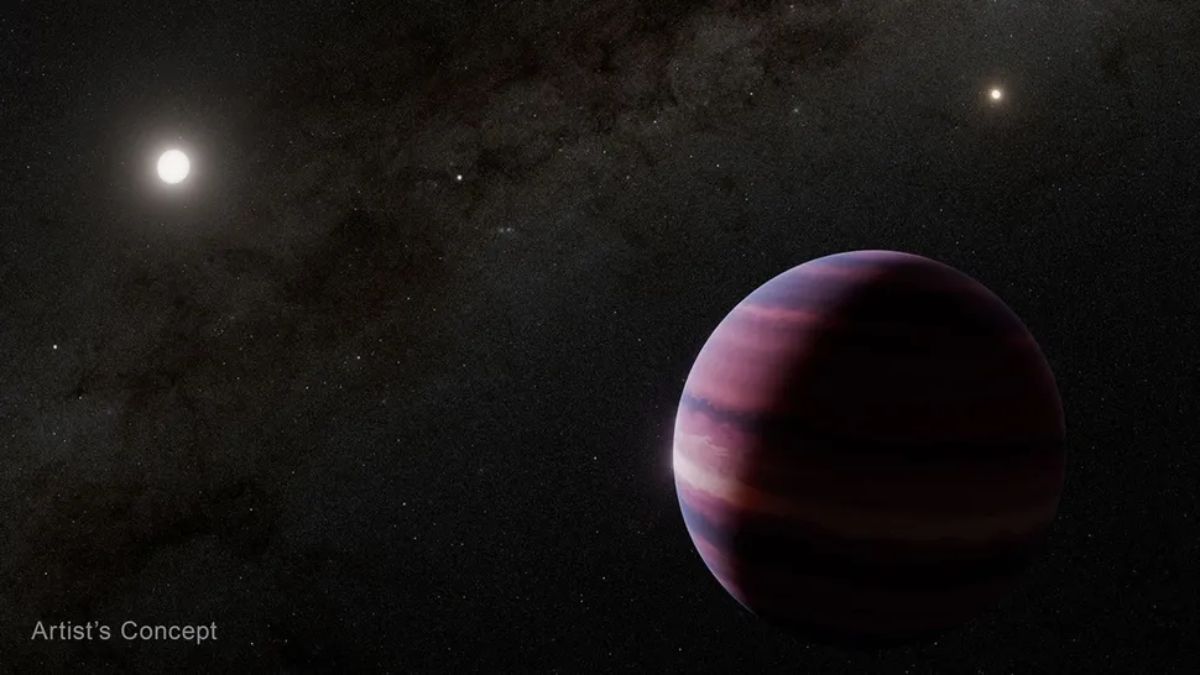
JWST Watches HD 80606 bExoplanet Heat Up by 1,100 Degrees in Hours
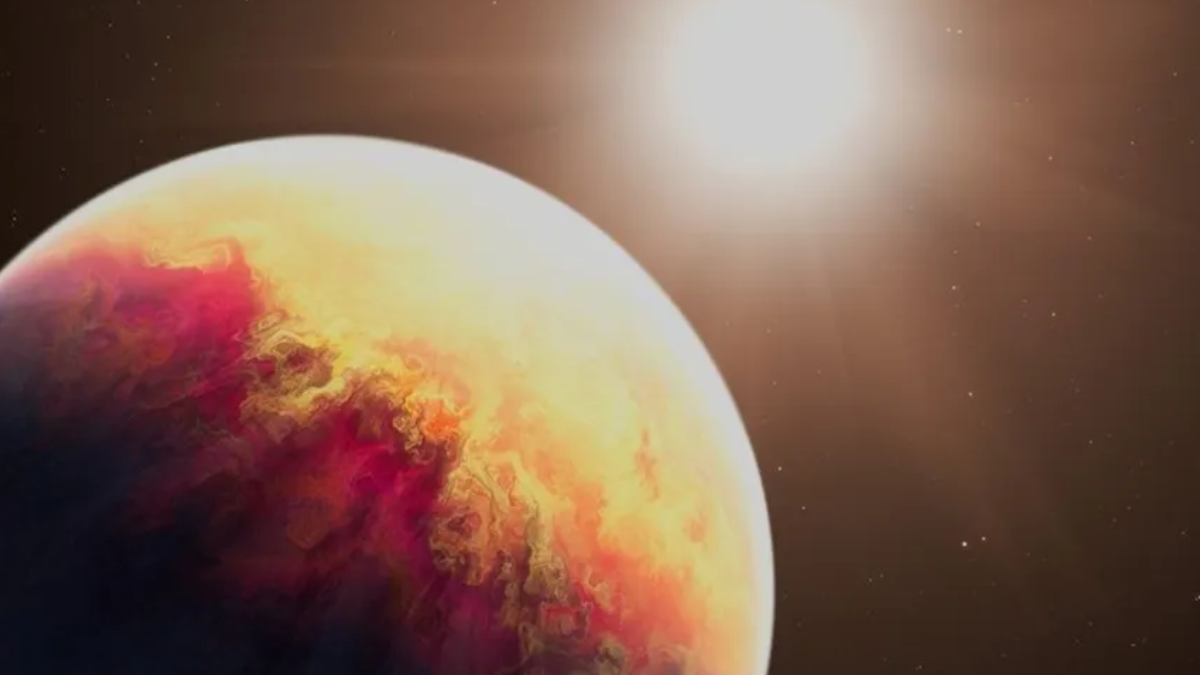
The James Webb Space Telescope observed HD 80606 b undergo a dramatic temperature surge during its closest approach to its star. The data revealed extreme heating and detected methane and carbon dioxide, offering a rare look at how giant exoplanet atmospheres respond to intense stellar energy.
-
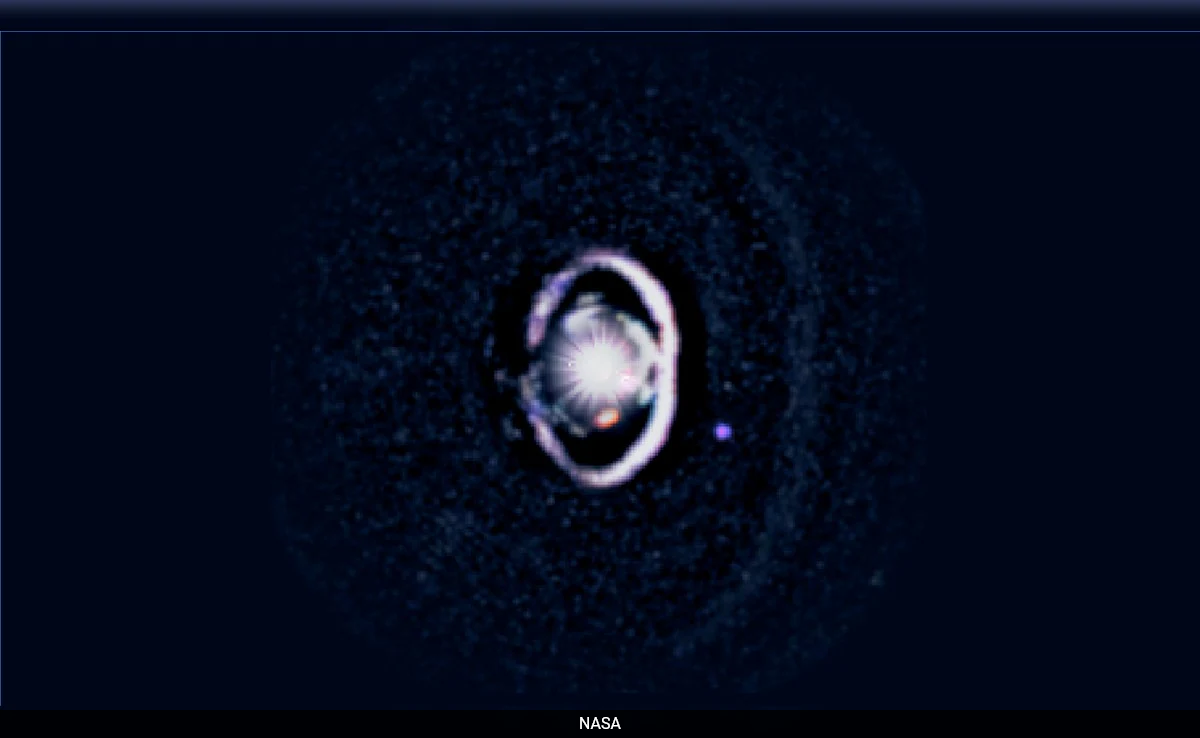
Astronomers Capture Two Giant Planets Forming Around Young Star WISPIT 2
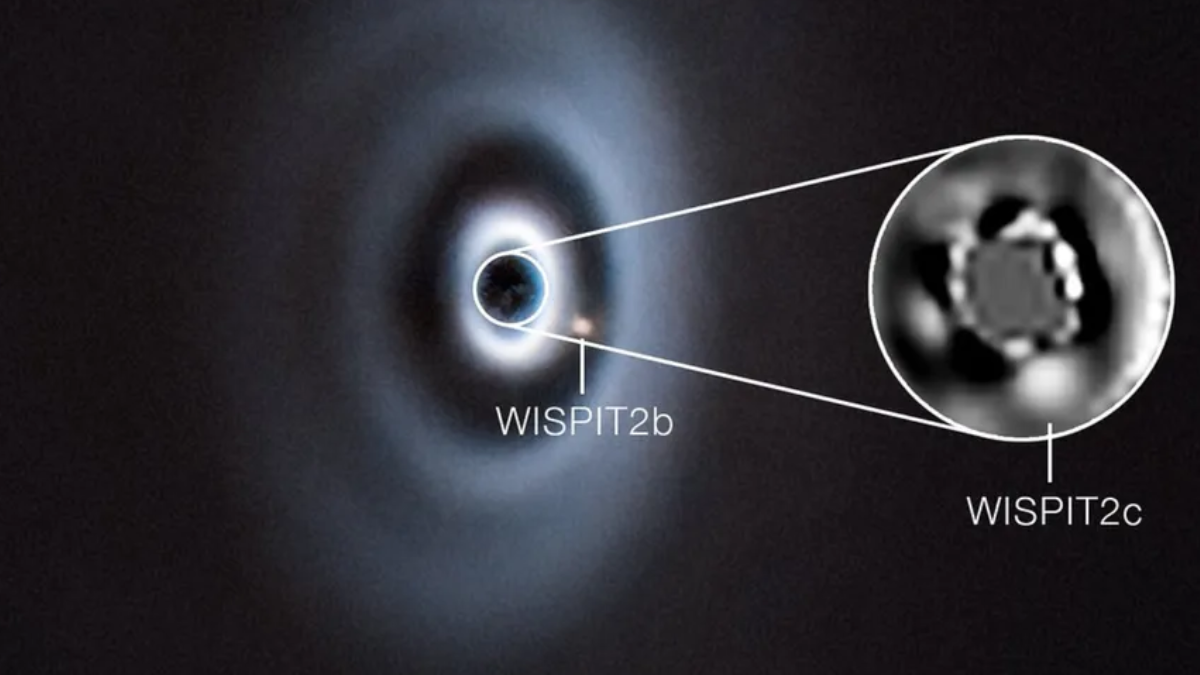
Astronomers have directly imaged two giant planets forming around the young star WISPIT 2. The system, just 5.4 million years old, shows rings, gaps, and active planet formation, offering a rare real-time glimpse into how solar systems like ours are born.
-
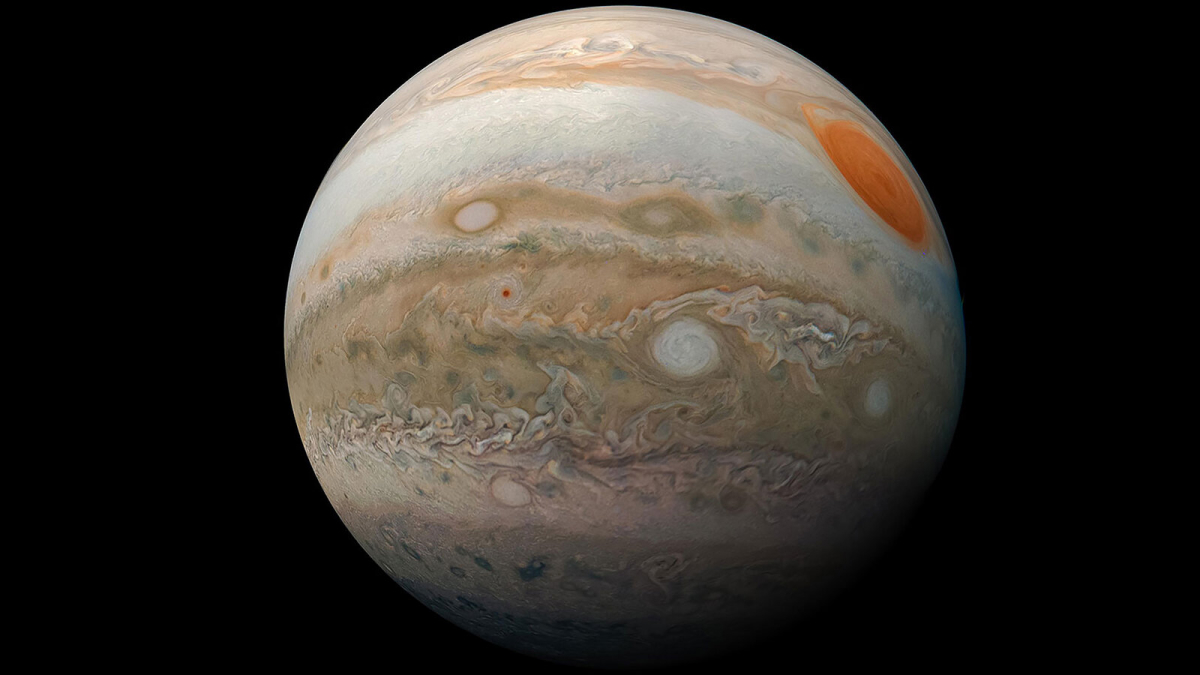
Jupiter Is Smaller and Flatter Than Previously Thought, NASA's Juno Reveals
New data from NASA's Juno spacecraft shows that Jupiter is smaller and flatter than previously believed.
-
Scientists Reveal Why Jupiter and Saturn’s Polar Weather Looks So Different
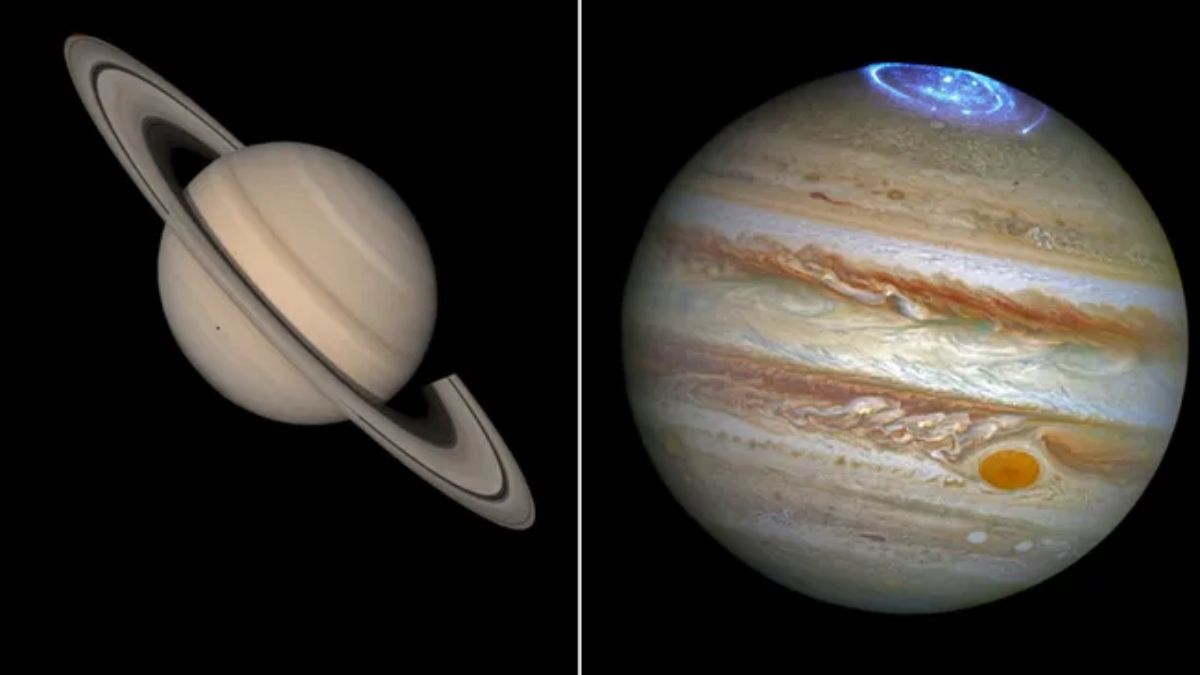
Although Jupiter and Saturn are similar gas giants, their polar weather patterns are strikingly different. Saturn hosts a single, massive hexagonal storm at its north pole, while Jupiter features a central cyclone surrounded by smaller vortices. New simulations suggest the contrast may arise from differences deep inside the planets. A denser, “ha...
-
Astronomers Capture First-Ever Image Of A Baby Planet Forming In Real Time
Astronomers have made a groundbreaking discovery by directly observing a young protoplanet, WISPIT 2b, embedded in a ring-shaped gap in a disk around a young star.
-
James Webb Telescope Detects Potential Gas Giant Exoplanet Just 4 Light-Years Away
Astronomers using JWST have spotted a possible gas giant orbiting Alpha Centauri A, only 4 light-years away. If confirmed, it would be the closest exoplanet to a Sun-like star ever imaged. The discovery could challenge current models of planetary formation in binary systems and open new opportunities for studying nearby worlds.
-
Amateur Astronomer Discovers Unexpected Composition of Jupiter’s Clouds
Recent observations by an amateur astronomer reveal that Jupiter’s clouds may not consist of ammonia ice as previously assumed. Using a technique called band-depth analysis, Steve Hill mapped ammonia concentrations in the planet’s atmosphere, finding reflective layers deeper than expected. These findings suggest the clouds may be composed of am...
-
Ammonium Hydrosulfide Identified as Primary Component of Jupiter’s Clouds, Not Ammonia
Jupiter’s clouds, long believed to be made of ammonia ice, are now confirmed to consist primarily of ammonium hydrosulfide combined with photochemical materials. This groundbreaking discovery, achieved through collaboration between amateur and professional astronomers, has redefined our understanding of the planet's atmosphere. Using innovative m...
-
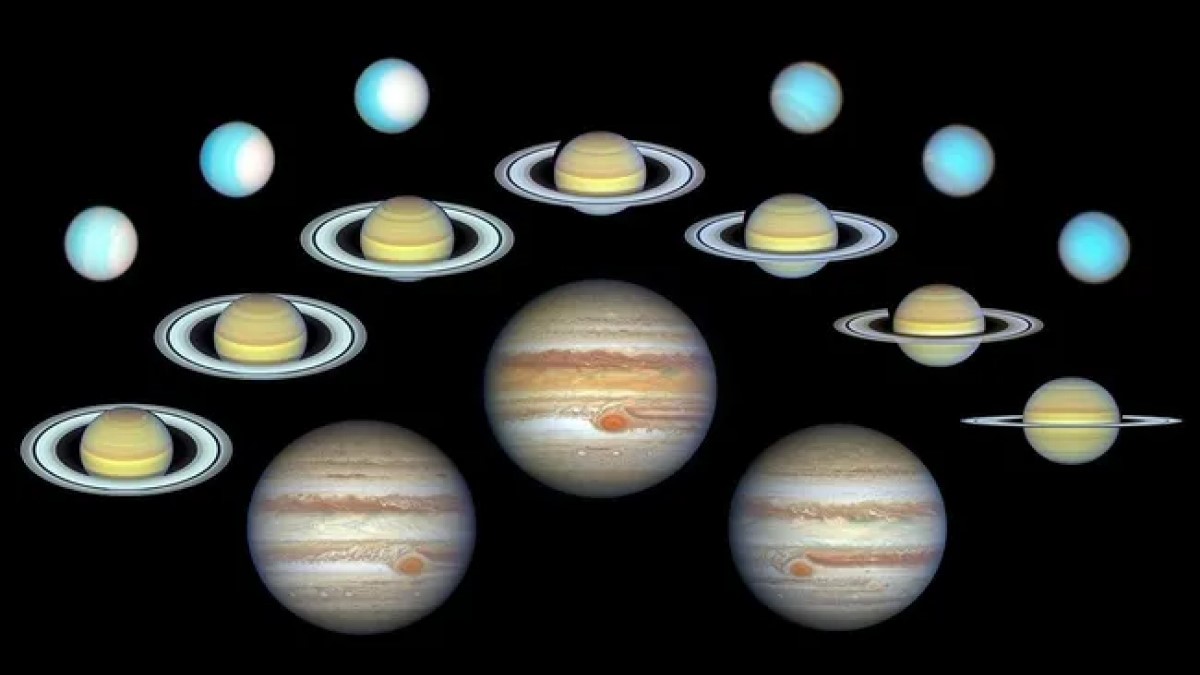
Hubble Telescope Documents 10 Years of Dramatic Changes on Outer Planets
NASA’s Hubble Telescope has tracked atmospheric and seasonal changes on Jupiter, Saturn, Uranus, and Neptune over ten years. Key findings include shifts in Jupiter’s Great Red Spot, Saturn’s seasonal phenomena, Uranus’ polar brightness, and Neptune’s storm activity. These insights, part of NASA’s Outer Planet Atmospheres Legacy (OPAL) p...
-
"Fluffiest Planet Ever": Scientists Discover "Marshmallow World" In Deep Space
Scientists are finding all sorts of weird worlds. They've now discovered a gas giant planet with the density of a marshmallow orbiting a cool red dwarf star located 580 light years from Earth. The planet, identified as TOI-3757 b, is the "fluffiest".
-
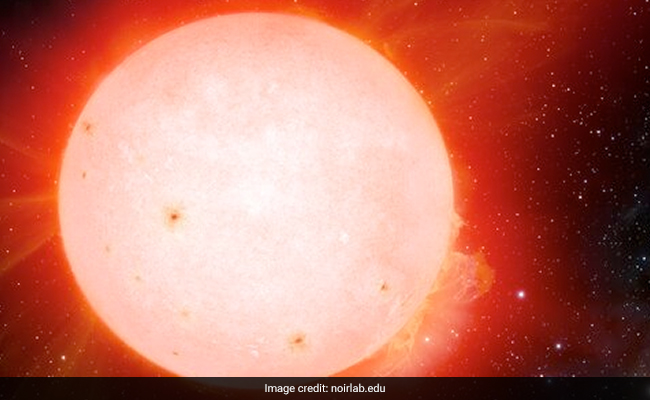
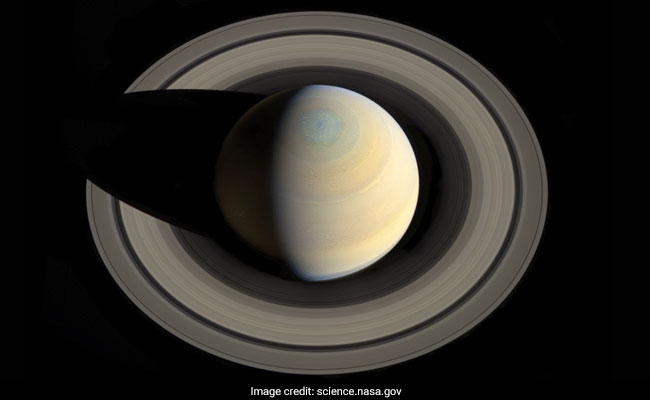
Saturn's Rings Are Already Halfway To Their Death
If dinosaurs had possessed telescopes and the will to gaze skyward 100 million years ago, they might have seen a very different Saturn - one without its iconic rings. And if humans manage to survive another 100 million years, our descendants may also miss the discs of ice and dust that encircle the golden gas giant.
-
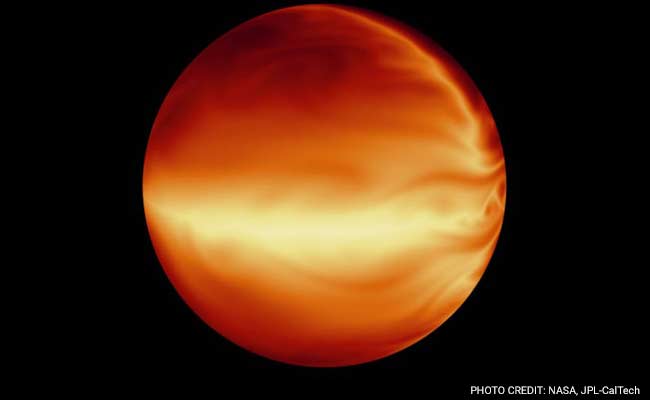
This Mysterious 'Hot Jupiter' Is On A Wild Orbital Ride
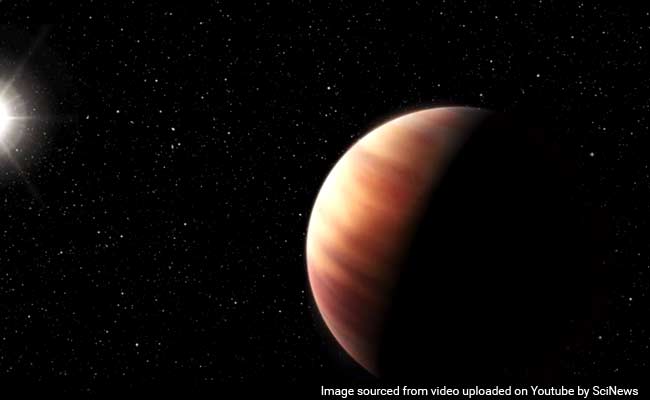
Hot Jupiters are exactly what they sound like. But it's how these Jupiter-like gas giants get so hot that's interesting: The planets orbit super-close to their host stars, creating incredibly hot worlds that undergo a whole slew of intriguing chemical reactions. Our Jupiter may be distant and cool by comparison, but in other solar systems, scientis...
-
Saturn and Jupiter Started Off as Tiny Pebbles: Study
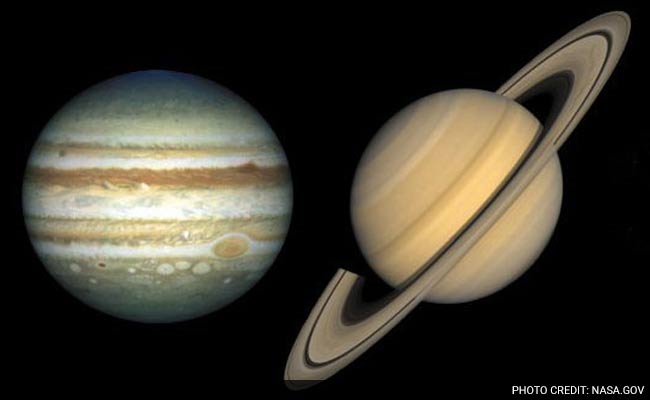
Gas giants such as Saturn and Jupiter may have been built by centimetre-sized pebbles that formed 4.5 billion years ago from dust and ice swirling around the newborn Sun, a new study suggests.
-
Jupiter's Twin Spotted Orbiting Sun-Like Star
A team of scientists has discovered a planet with a mass very similar to Jupiter, orbiting a Sun-like star at almost the same distance as Jupiter.
-
Russia's Gazprom Slams 'Unfounded' European Union Charges
Russian energy giant Gazprom rejected today EU accusations that it was abusing its dominant market position in Europe, calling the charges unjustified.

-
JWST Watches HD 80606 bExoplanet Heat Up by 1,100 Degrees in Hours
The James Webb Space Telescope observed HD 80606 b undergo a dramatic temperature surge during its closest approach to its star. The data revealed extreme heating and detected methane and carbon dioxide, offering a rare look at how giant exoplanet atmospheres respond to intense stellar energy.
-
Astronomers Capture Two Giant Planets Forming Around Young Star WISPIT 2
Astronomers have directly imaged two giant planets forming around the young star WISPIT 2. The system, just 5.4 million years old, shows rings, gaps, and active planet formation, offering a rare real-time glimpse into how solar systems like ours are born.
-
Jupiter Is Smaller and Flatter Than Previously Thought, NASA's Juno Reveals
New data from NASA's Juno spacecraft shows that Jupiter is smaller and flatter than previously believed.
-
Scientists Reveal Why Jupiter and Saturn’s Polar Weather Looks So Different
Although Jupiter and Saturn are similar gas giants, their polar weather patterns are strikingly different. Saturn hosts a single, massive hexagonal storm at its north pole, while Jupiter features a central cyclone surrounded by smaller vortices. New simulations suggest the contrast may arise from differences deep inside the planets. A denser, “ha...
-
Astronomers Capture First-Ever Image Of A Baby Planet Forming In Real Time
Astronomers have made a groundbreaking discovery by directly observing a young protoplanet, WISPIT 2b, embedded in a ring-shaped gap in a disk around a young star.
-
James Webb Telescope Detects Potential Gas Giant Exoplanet Just 4 Light-Years Away
Astronomers using JWST have spotted a possible gas giant orbiting Alpha Centauri A, only 4 light-years away. If confirmed, it would be the closest exoplanet to a Sun-like star ever imaged. The discovery could challenge current models of planetary formation in binary systems and open new opportunities for studying nearby worlds.
-
Amateur Astronomer Discovers Unexpected Composition of Jupiter’s Clouds
Recent observations by an amateur astronomer reveal that Jupiter’s clouds may not consist of ammonia ice as previously assumed. Using a technique called band-depth analysis, Steve Hill mapped ammonia concentrations in the planet’s atmosphere, finding reflective layers deeper than expected. These findings suggest the clouds may be composed of am...
-
Ammonium Hydrosulfide Identified as Primary Component of Jupiter’s Clouds, Not Ammonia
Jupiter’s clouds, long believed to be made of ammonia ice, are now confirmed to consist primarily of ammonium hydrosulfide combined with photochemical materials. This groundbreaking discovery, achieved through collaboration between amateur and professional astronomers, has redefined our understanding of the planet's atmosphere. Using innovative m...
-
Hubble Telescope Documents 10 Years of Dramatic Changes on Outer Planets
NASA’s Hubble Telescope has tracked atmospheric and seasonal changes on Jupiter, Saturn, Uranus, and Neptune over ten years. Key findings include shifts in Jupiter’s Great Red Spot, Saturn’s seasonal phenomena, Uranus’ polar brightness, and Neptune’s storm activity. These insights, part of NASA’s Outer Planet Atmospheres Legacy (OPAL) p...
-
"Fluffiest Planet Ever": Scientists Discover "Marshmallow World" In Deep Space
Scientists are finding all sorts of weird worlds. They've now discovered a gas giant planet with the density of a marshmallow orbiting a cool red dwarf star located 580 light years from Earth. The planet, identified as TOI-3757 b, is the "fluffiest".
-
Saturn's Rings Are Already Halfway To Their Death
If dinosaurs had possessed telescopes and the will to gaze skyward 100 million years ago, they might have seen a very different Saturn - one without its iconic rings. And if humans manage to survive another 100 million years, our descendants may also miss the discs of ice and dust that encircle the golden gas giant.
-
This Mysterious 'Hot Jupiter' Is On A Wild Orbital Ride
Hot Jupiters are exactly what they sound like. But it's how these Jupiter-like gas giants get so hot that's interesting: The planets orbit super-close to their host stars, creating incredibly hot worlds that undergo a whole slew of intriguing chemical reactions. Our Jupiter may be distant and cool by comparison, but in other solar systems, scientis...
-
Saturn and Jupiter Started Off as Tiny Pebbles: Study
Gas giants such as Saturn and Jupiter may have been built by centimetre-sized pebbles that formed 4.5 billion years ago from dust and ice swirling around the newborn Sun, a new study suggests.
-
Jupiter's Twin Spotted Orbiting Sun-Like Star
A team of scientists has discovered a planet with a mass very similar to Jupiter, orbiting a Sun-like star at almost the same distance as Jupiter.
-
Russia's Gazprom Slams 'Unfounded' European Union Charges
Russian energy giant Gazprom rejected today EU accusations that it was abusing its dominant market position in Europe, calling the charges unjustified.

