



Galaxy Formation
-
{
- All
- News
-

Astronomers Discover Two Galaxies That Appear to Lack Dark Matter
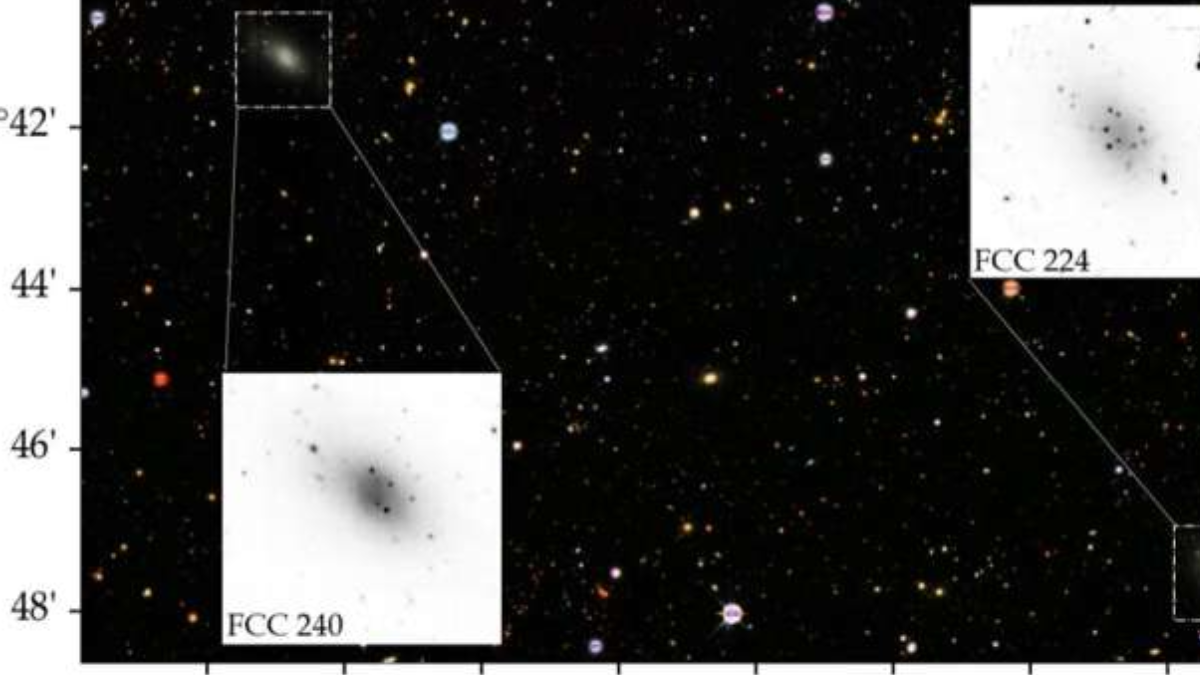
Researchers studying FCC 224 and FCC 240 in the Fornax Cluster found evidence that both galaxies contain surprisingly little dark matter. The discovery supports the idea that galaxy collisions can strip away dark matter and raises new questions about how galaxies evolve.
-
JWST Discovers Ancient Black Hole Older Than Its Own Galaxy
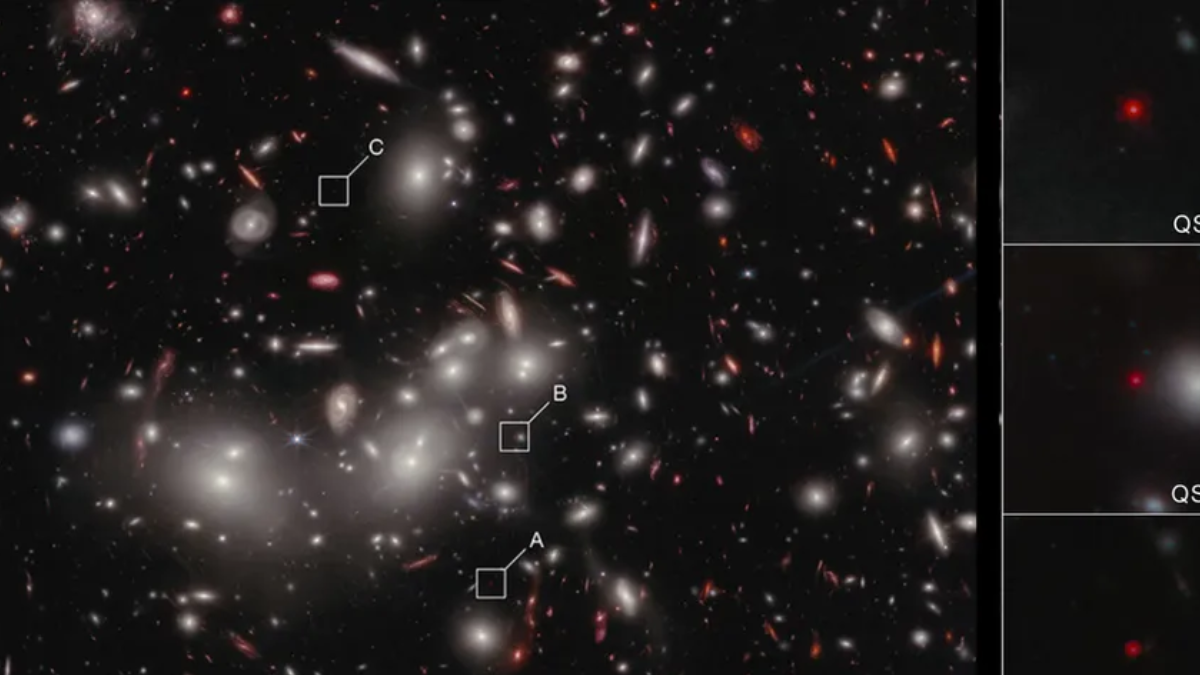
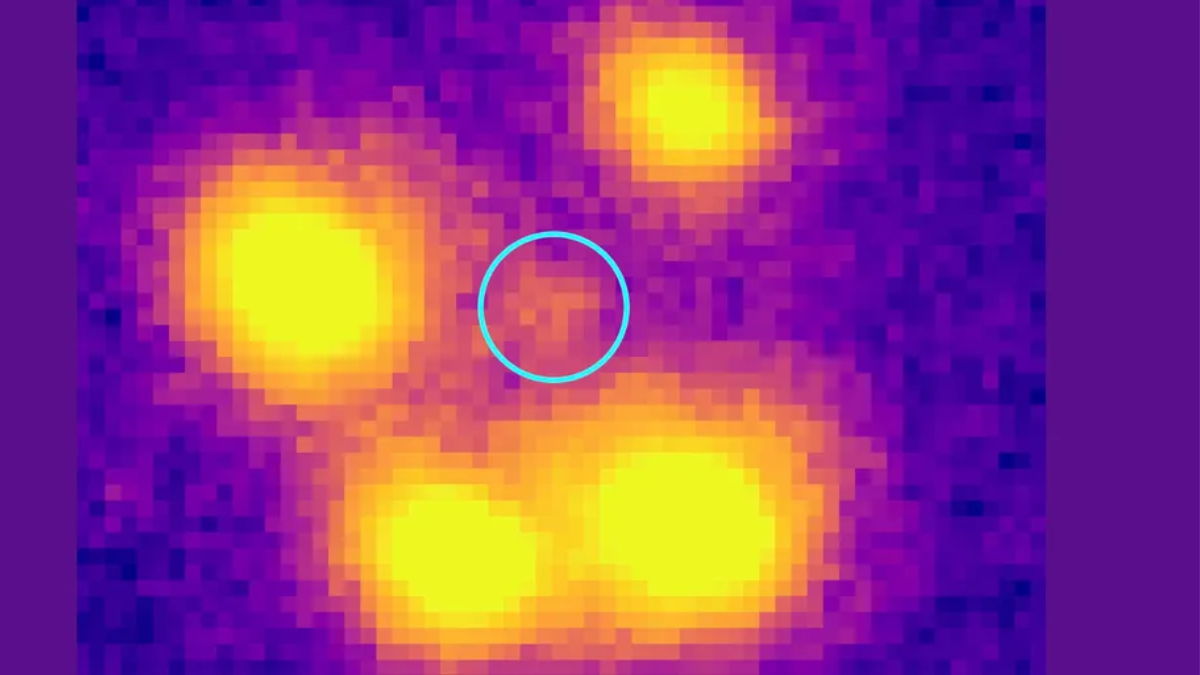
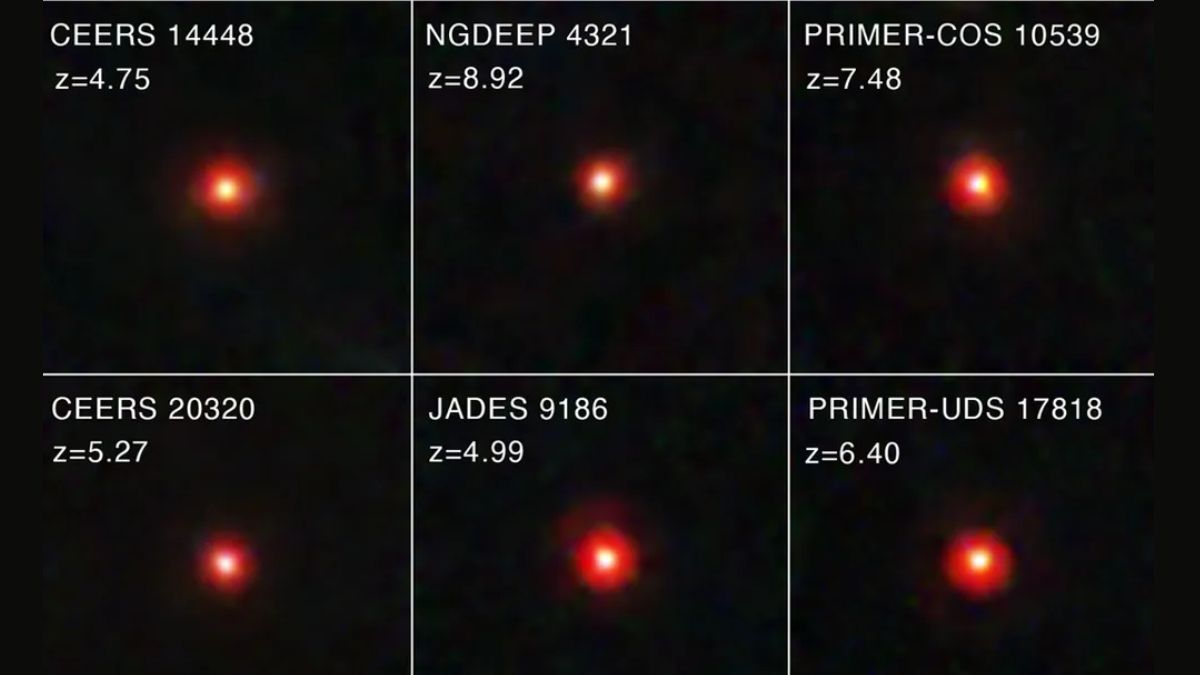
JWST has identified a supermassive black hole from the early universe that outweighs most of its own galaxy, suggesting black holes may form before galaxies themselves.
-
New Einstein Cross Reveals Surprising Galaxy Evolution
Astronomers discovered a rare Einstein Cross around galaxy J1453g, revealing a stellar structure similar to the Milky Way. The finding challenges current theories of how elliptical galaxies form and evolve.
-
Andromeda XXXVI Discovery Sheds Light on Dark Matter Rich Dwarf Galaxies
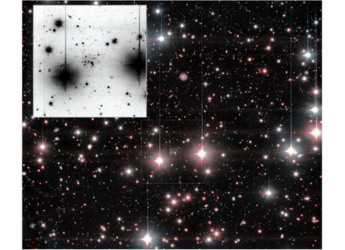
Astronomers have discovered Andromeda XXXVI, an ultra-faint, dark matter-rich satellite of Andromeda Galaxy. This ancient system may be a fossil from the early universe, helping scientists study galaxy formation and dark matter.
-
James Webb Telescope Finds Galaxies Nearly as Old as the Early Universe
NASA’s James Webb Space Telescope has revealed early galaxies that appear almost as old as the universe itself. By analyzing 31 galaxies at high redshift, researchers estimated stellar ages of around 600 million years—close to the universe’s age at that epoch. One galaxy may even seem older than the universe, posing a potential challenge to t...
-
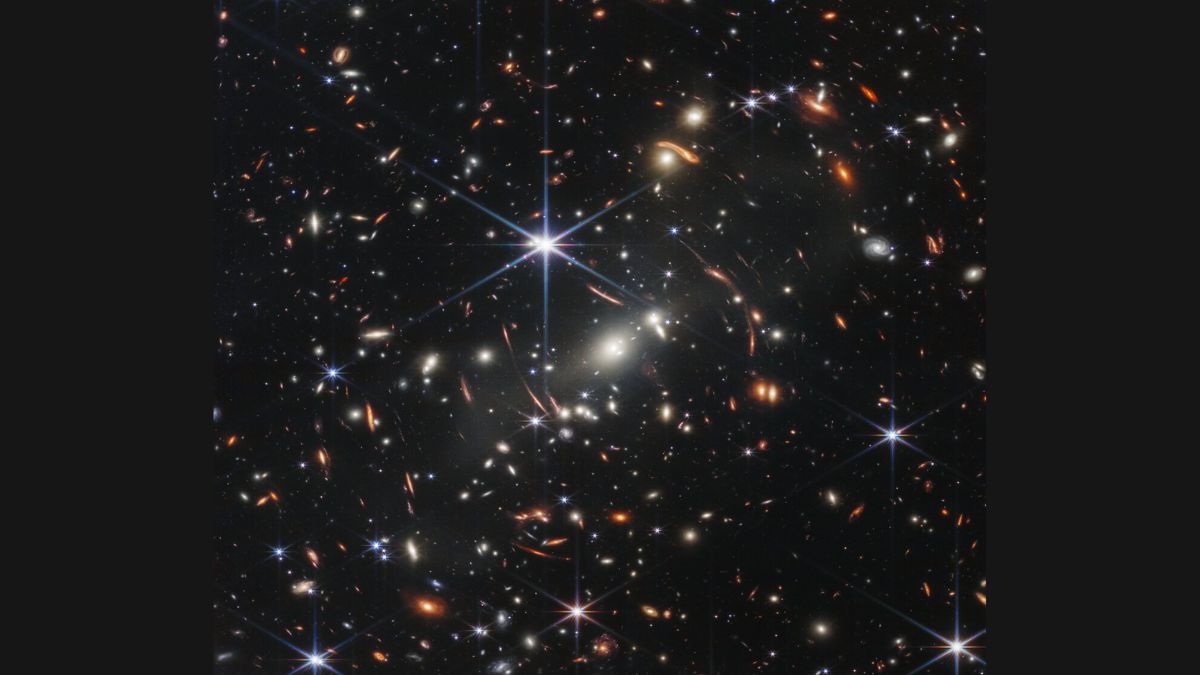
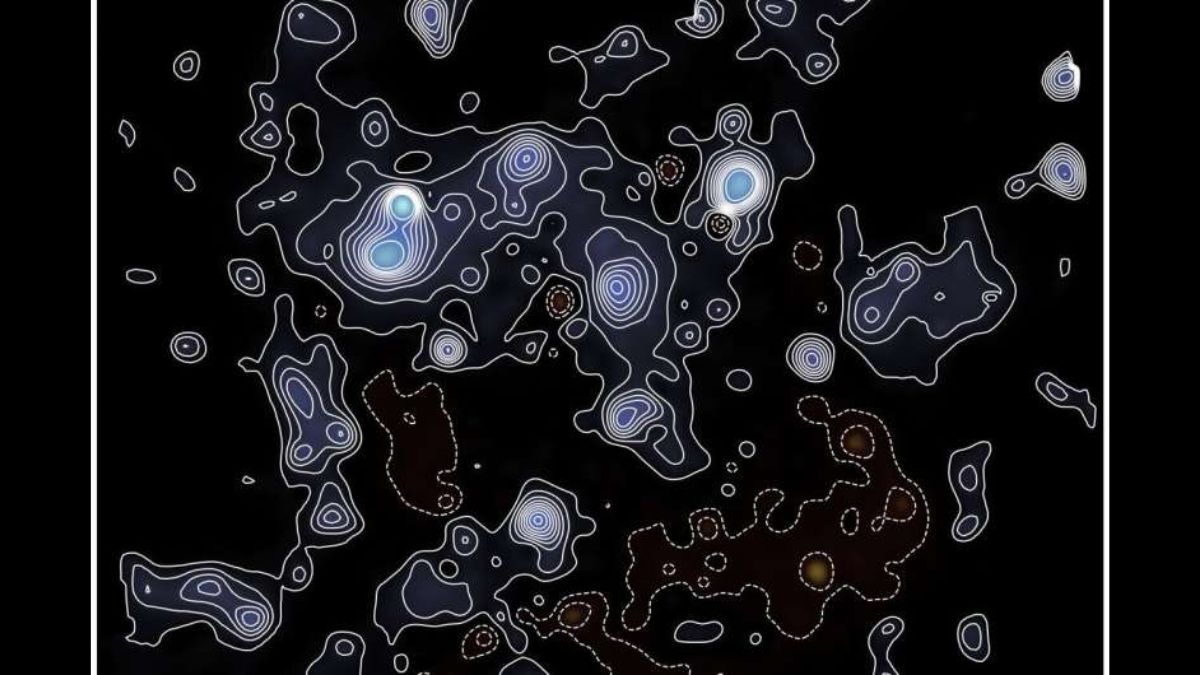
James Webb Helps Astronomers Chart the Universe’s Hidden Dark Matter
Astronomers have created the sharpest map yet of dark matter using deep observations from NASA’s James Webb Space Telescope. By analysing the gravitational distortion of hundreds of thousands of distant galaxies, the team traced invisible dark matter across a large region of the sky. The results confirm that dark matter forms the scaffolding arou...
-
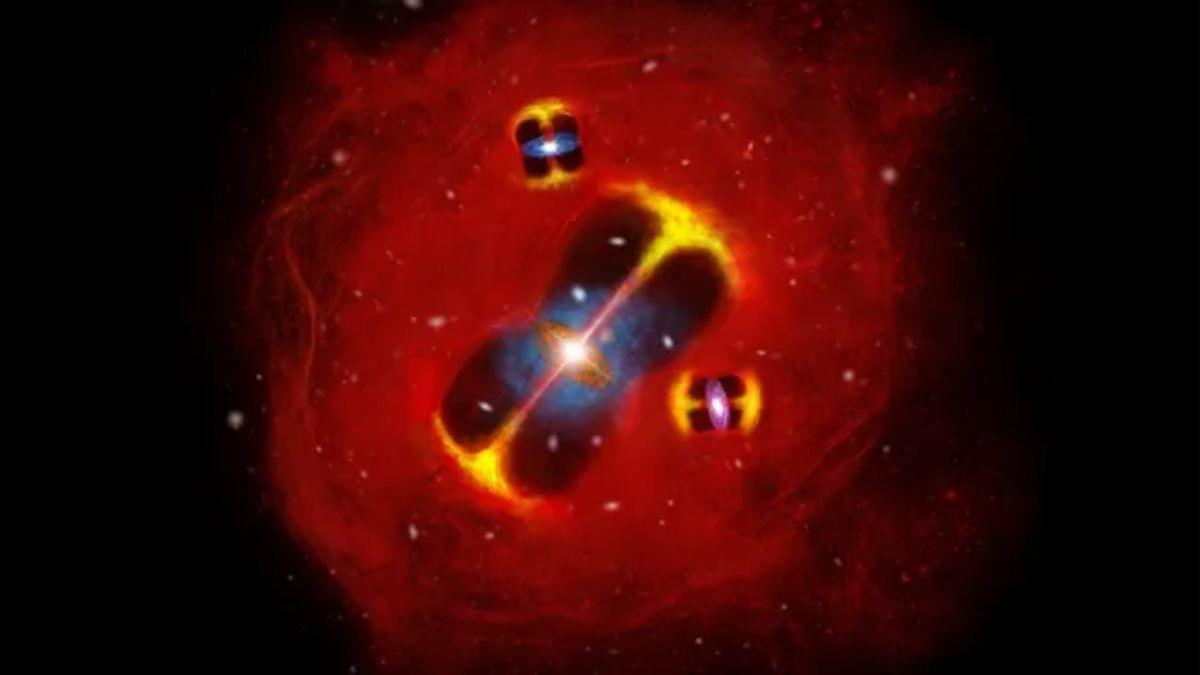
Astronomers Discover Shockingly Hot Young Galaxy Cluster That Defies Theory
Astronomers have identified an exceptionally hot galaxy cluster forming just 1.4 billion years after the Big Bang. Observations reveal gas temperatures far exceeding theoretical limits, suggesting an unexpectedly violent early formation. The discovery challenges standard models of galaxy cluster evolution and points to intense activity from starbur...
-
James Webb Telescope Finds Early Universe Galaxies Were More Chaotic Than We Thought
The James Webb Space Telescope has revealed that galaxies in the early universe were far more chaotic and unstable than once believed. A new study shows that gas turbulence and intense star formation disrupted young galaxies, reshaping scientists’ understanding of how galaxies evolved into the structured systems seen today.
-
Astronomers Discover "Cosmic Grapes" Galaxy Packed with Star-Forming Clumps in the Early Universe
The "Cosmic Grapes" galaxy discovery sheds new light on early galaxy formation, revealing unexpected dense, star-forming clumps just 930 million years post-Big Bang. Uncovered through JWST, ALMA, and gravitational lensing, this breakthrough opens new opportunities for understanding the early cosmos.
-
Astronomers Discover Potential ‘Dark Galaxy’ Near the Milky Way
Astronomers have spotted a massive hydrogen cloud near the Milky Way that may be a rare dark galaxy—an object composed of gas and dark matter but lacking stars and light. Detected through radio telescopes, the galaxy-like structure challenges conventional astronomy and could reveal hidden phases of galaxy formation and dark matter interaction in ...
-
Smallest Galaxy Ever Found: Andromeda XXXV Defies Cosmic Evolution Models
Astronomers have discovered Andromeda XXXV, the smallest and faintest known galaxy, located 3 million light-years away. It challenges existing models of galaxy formation, as similar small galaxies were thought to be destroyed in the early universe. Researchers are studying how it retained conditions for star formation despite harsh cosmic environme...
-
Unexpected Rotational Motion Detected in Ultra-Diffuse Galaxies of Hydra Cluster
Astronomers studying ultra-diffuse galaxies (UDGs) in the Hydra cluster have observed unexpected rotational movement in nearly half of the 30 galaxies examined. Spectroscopic data from the LEWIS programme, using the MUSE instrument on the Very Large Telescope, suggests that gravitational interactions with larger galaxies may influence their formati...
-
SPHEREx Space Telescope to Map Cosmos in Infrared Light, Launching in February 2025
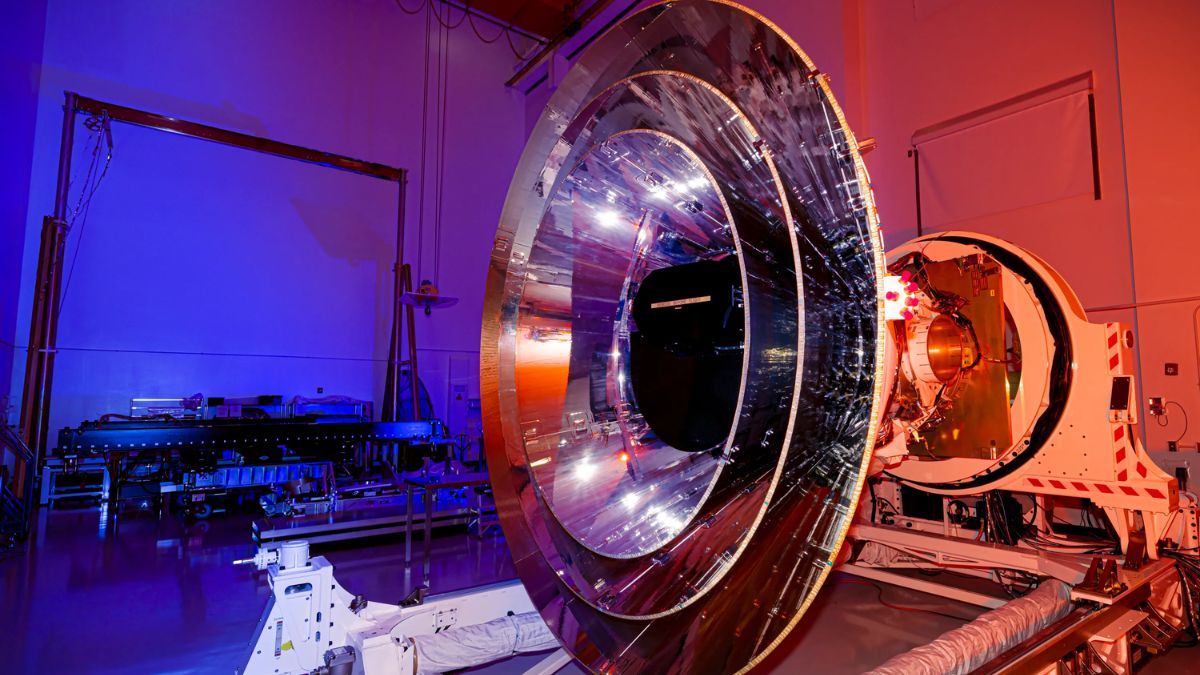
Set to launch in February 2025, NASA’s SPHEREx mission will provide a comprehensive map of the universe in infrared light. The telescope will examine 450 million galaxies and 100 million stars, shedding light on the universe’s formation, early conditions after the Big Bang, and the presence of water in planetary systems. SPHEREx will survey the...
-
JWST Detects Unexpectedly Massive Black Holes in the Early Universe
A new study led by Jorryt Matthee of ISTA reveals that black holes in early galaxies were significantly more massive than expected. Using JWST data, researchers found that some black holes accounted for nearly 10% of their galaxy's stellar mass—far exceeding the 0.01% ratio seen in modern galaxies. The findings challenge existing growth models, s...
-
Early Supernovas Could Have Created Water in the Universe, Paving the Way for Life 100 Million Years Post-Big Bang
A recent study suggests that supernova explosions, triggered by the death of early stars, could have created significant amounts of water just 100 million years after the Big Bang. Simulations of these early, massive stars show that their explosive deaths may have resulted in the formation of water molecules within the dense hydrogen and oxygen clo...



-
Astronomers Discover Two Galaxies That Appear to Lack Dark Matter
Researchers studying FCC 224 and FCC 240 in the Fornax Cluster found evidence that both galaxies contain surprisingly little dark matter. The discovery supports the idea that galaxy collisions can strip away dark matter and raises new questions about how galaxies evolve.
-
JWST Discovers Ancient Black Hole Older Than Its Own Galaxy
JWST has identified a supermassive black hole from the early universe that outweighs most of its own galaxy, suggesting black holes may form before galaxies themselves.
-
New Einstein Cross Reveals Surprising Galaxy Evolution
Astronomers discovered a rare Einstein Cross around galaxy J1453g, revealing a stellar structure similar to the Milky Way. The finding challenges current theories of how elliptical galaxies form and evolve.
-
Andromeda XXXVI Discovery Sheds Light on Dark Matter Rich Dwarf Galaxies
Astronomers have discovered Andromeda XXXVI, an ultra-faint, dark matter-rich satellite of Andromeda Galaxy. This ancient system may be a fossil from the early universe, helping scientists study galaxy formation and dark matter.
-
James Webb Telescope Finds Galaxies Nearly as Old as the Early Universe
NASA’s James Webb Space Telescope has revealed early galaxies that appear almost as old as the universe itself. By analyzing 31 galaxies at high redshift, researchers estimated stellar ages of around 600 million years—close to the universe’s age at that epoch. One galaxy may even seem older than the universe, posing a potential challenge to t...
-
James Webb Helps Astronomers Chart the Universe’s Hidden Dark Matter
Astronomers have created the sharpest map yet of dark matter using deep observations from NASA’s James Webb Space Telescope. By analysing the gravitational distortion of hundreds of thousands of distant galaxies, the team traced invisible dark matter across a large region of the sky. The results confirm that dark matter forms the scaffolding arou...
-
Astronomers Discover Shockingly Hot Young Galaxy Cluster That Defies Theory
Astronomers have identified an exceptionally hot galaxy cluster forming just 1.4 billion years after the Big Bang. Observations reveal gas temperatures far exceeding theoretical limits, suggesting an unexpectedly violent early formation. The discovery challenges standard models of galaxy cluster evolution and points to intense activity from starbur...
-
James Webb Telescope Finds Early Universe Galaxies Were More Chaotic Than We Thought
The James Webb Space Telescope has revealed that galaxies in the early universe were far more chaotic and unstable than once believed. A new study shows that gas turbulence and intense star formation disrupted young galaxies, reshaping scientists’ understanding of how galaxies evolved into the structured systems seen today.
-
Astronomers Discover "Cosmic Grapes" Galaxy Packed with Star-Forming Clumps in the Early Universe
The "Cosmic Grapes" galaxy discovery sheds new light on early galaxy formation, revealing unexpected dense, star-forming clumps just 930 million years post-Big Bang. Uncovered through JWST, ALMA, and gravitational lensing, this breakthrough opens new opportunities for understanding the early cosmos.
-
Astronomers Discover Potential ‘Dark Galaxy’ Near the Milky Way
Astronomers have spotted a massive hydrogen cloud near the Milky Way that may be a rare dark galaxy—an object composed of gas and dark matter but lacking stars and light. Detected through radio telescopes, the galaxy-like structure challenges conventional astronomy and could reveal hidden phases of galaxy formation and dark matter interaction in ...
-
Smallest Galaxy Ever Found: Andromeda XXXV Defies Cosmic Evolution Models
Astronomers have discovered Andromeda XXXV, the smallest and faintest known galaxy, located 3 million light-years away. It challenges existing models of galaxy formation, as similar small galaxies were thought to be destroyed in the early universe. Researchers are studying how it retained conditions for star formation despite harsh cosmic environme...
-
Unexpected Rotational Motion Detected in Ultra-Diffuse Galaxies of Hydra Cluster
Astronomers studying ultra-diffuse galaxies (UDGs) in the Hydra cluster have observed unexpected rotational movement in nearly half of the 30 galaxies examined. Spectroscopic data from the LEWIS programme, using the MUSE instrument on the Very Large Telescope, suggests that gravitational interactions with larger galaxies may influence their formati...
-
SPHEREx Space Telescope to Map Cosmos in Infrared Light, Launching in February 2025
Set to launch in February 2025, NASA’s SPHEREx mission will provide a comprehensive map of the universe in infrared light. The telescope will examine 450 million galaxies and 100 million stars, shedding light on the universe’s formation, early conditions after the Big Bang, and the presence of water in planetary systems. SPHEREx will survey the...
-
JWST Detects Unexpectedly Massive Black Holes in the Early Universe
A new study led by Jorryt Matthee of ISTA reveals that black holes in early galaxies were significantly more massive than expected. Using JWST data, researchers found that some black holes accounted for nearly 10% of their galaxy's stellar mass—far exceeding the 0.01% ratio seen in modern galaxies. The findings challenge existing growth models, s...
-
Early Supernovas Could Have Created Water in the Universe, Paving the Way for Life 100 Million Years Post-Big Bang
A recent study suggests that supernova explosions, triggered by the death of early stars, could have created significant amounts of water just 100 million years after the Big Bang. Simulations of these early, massive stars show that their explosive deaths may have resulted in the formation of water molecules within the dense hydrogen and oxygen clo...

