



Early Universe
-
{
- All
- News
- Web Stories
-

Astronomers Discover Why Massive Galaxies Died Early in the Universe
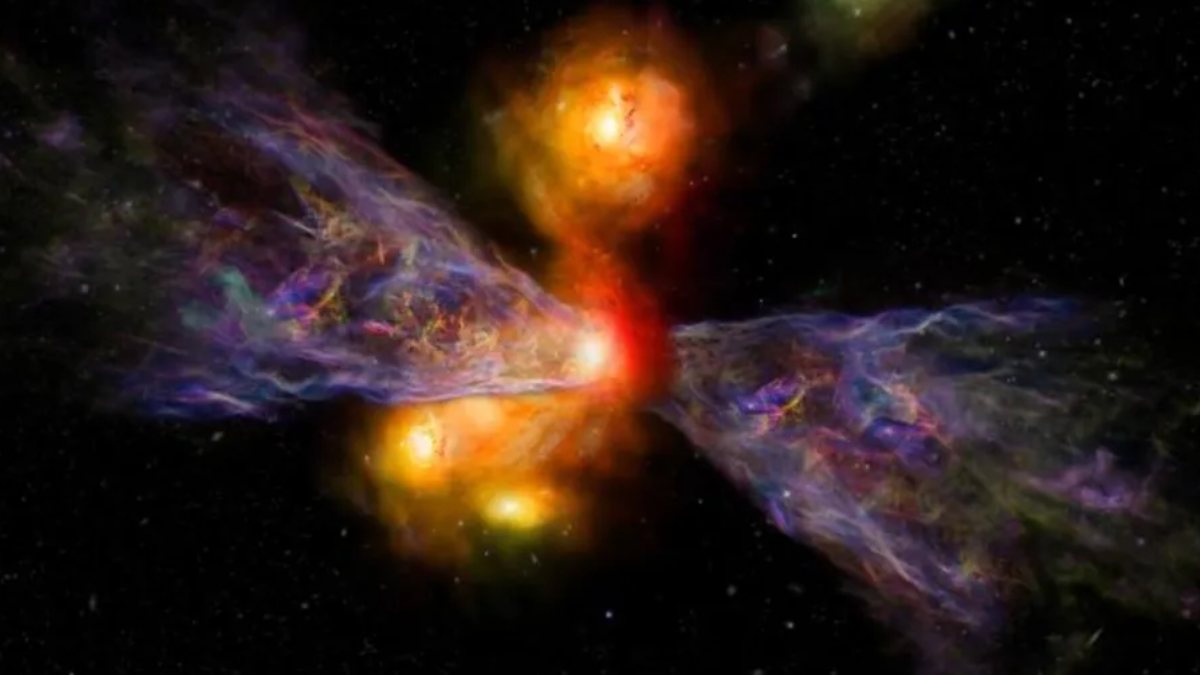
Astronomers have discovered a powerful galactic wind in the merging galaxy system CRISTAL-02. The outflow is removing star-forming gas faster than it can be replenished, providing the first direct evidence for a mechanism that may have shut down star formation in massive early galaxies.
-
Astronomers Detect Star-Forming Fuel in a Galaxy 13 Billion Light-Years Away
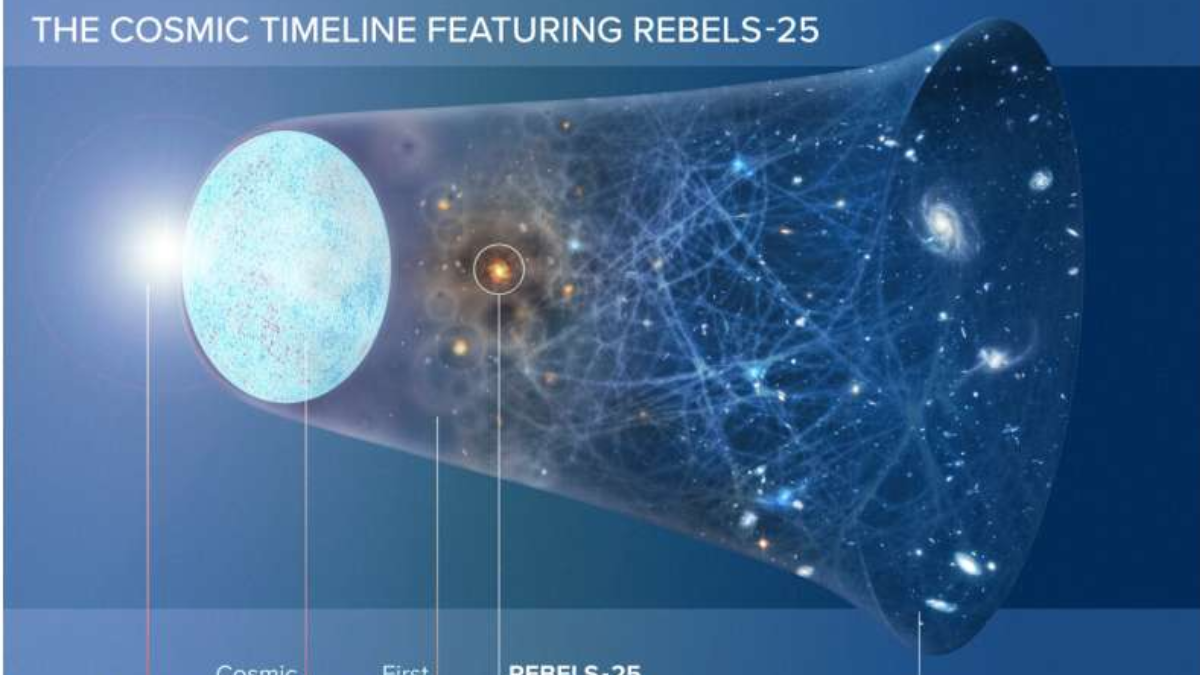
Using ALMA and the Very Large Array, astronomers directly detected a massive reservoir of molecular gas in REBELS-25, a galaxy from just 700 million years after the Big Bang. The finding provides the clearest evidence yet that some early galaxies were already loaded with the fuel needed for rapid star formation.
-
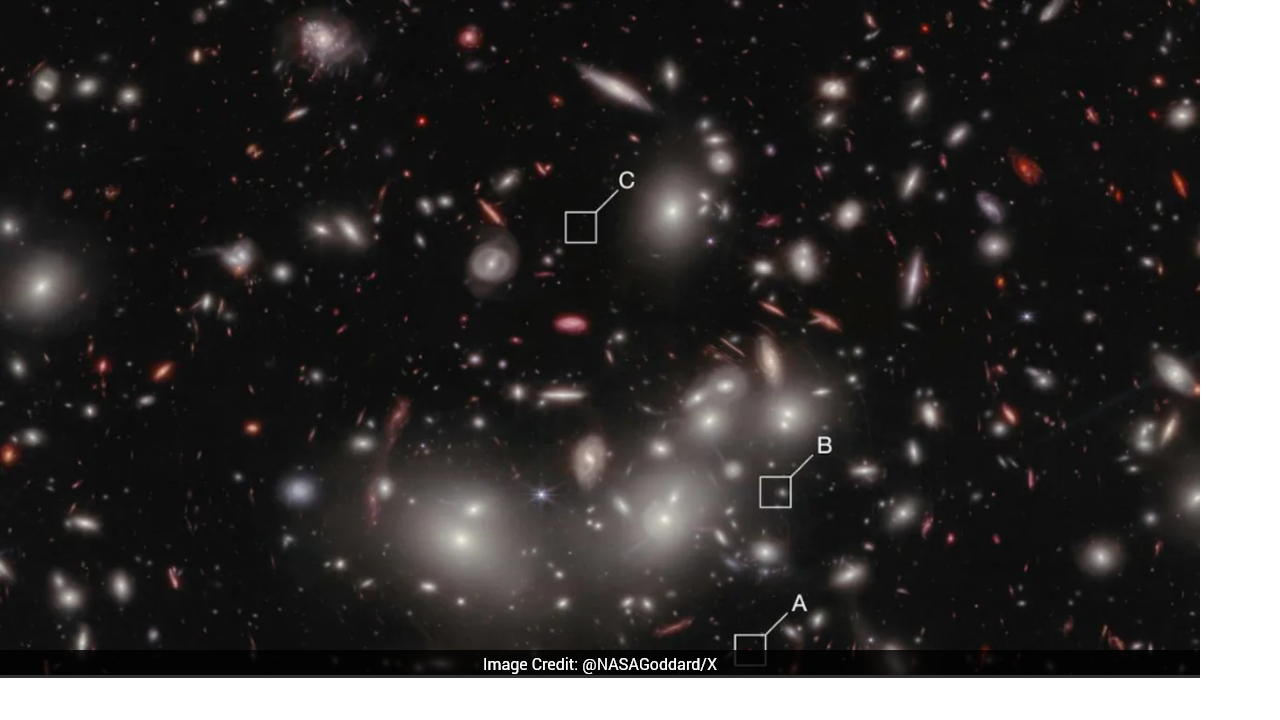
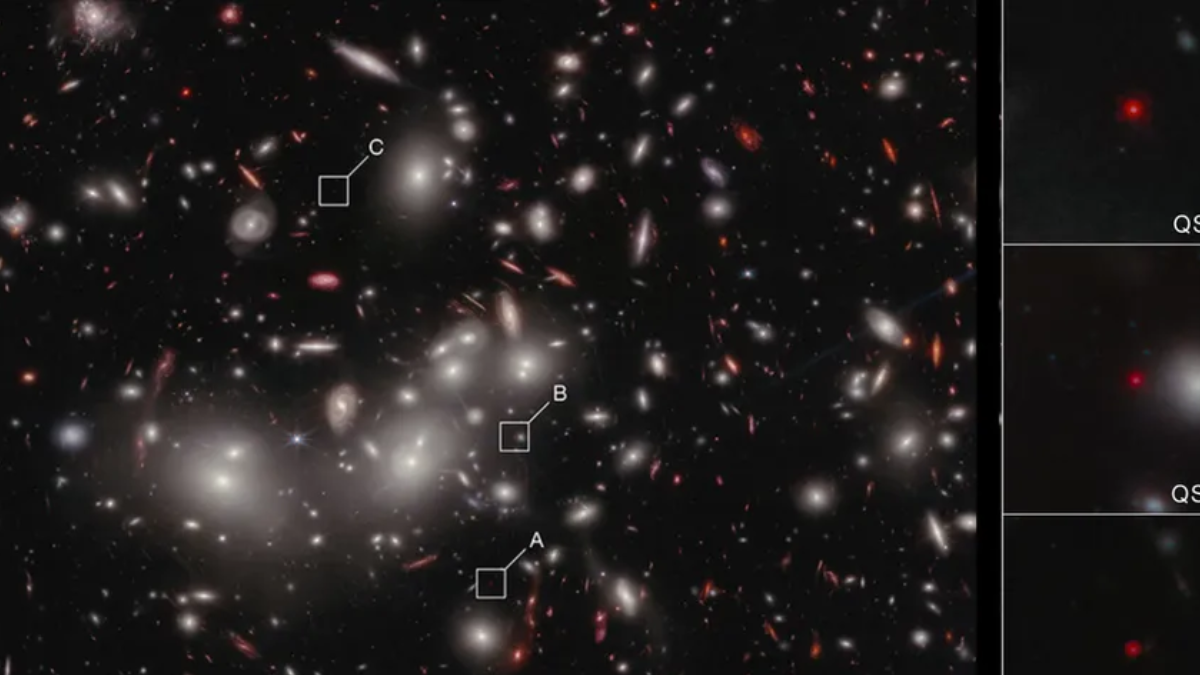
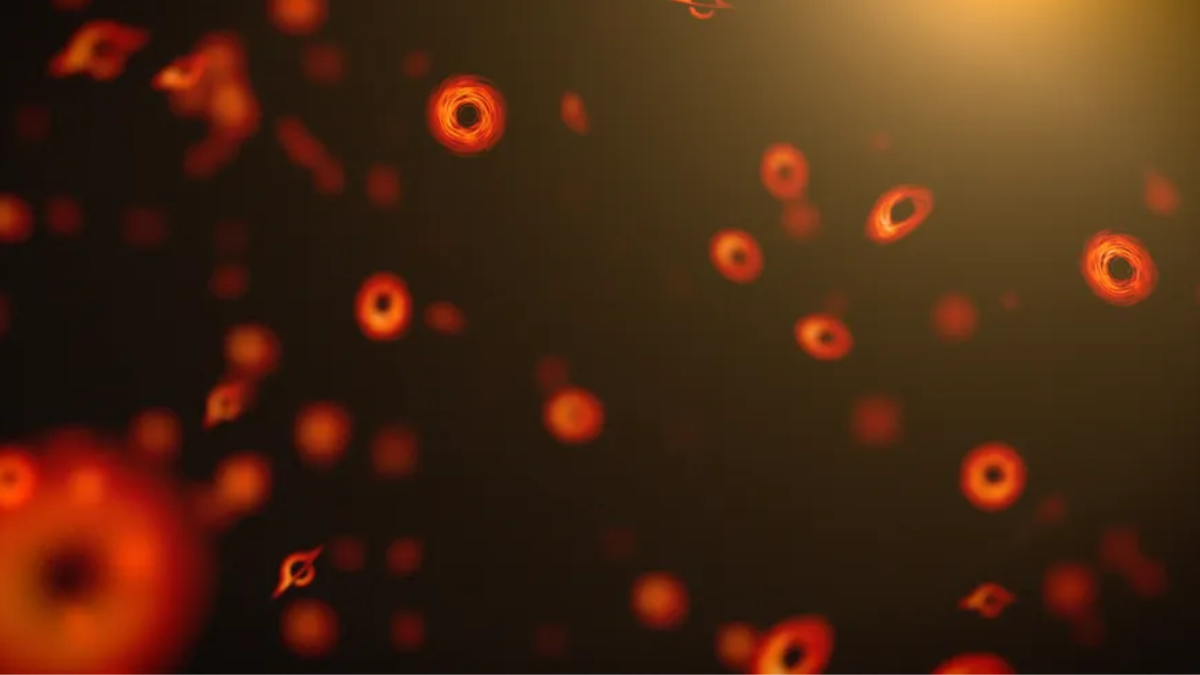
JWST Reveals the True Identity of Mysterious Little Red Dots
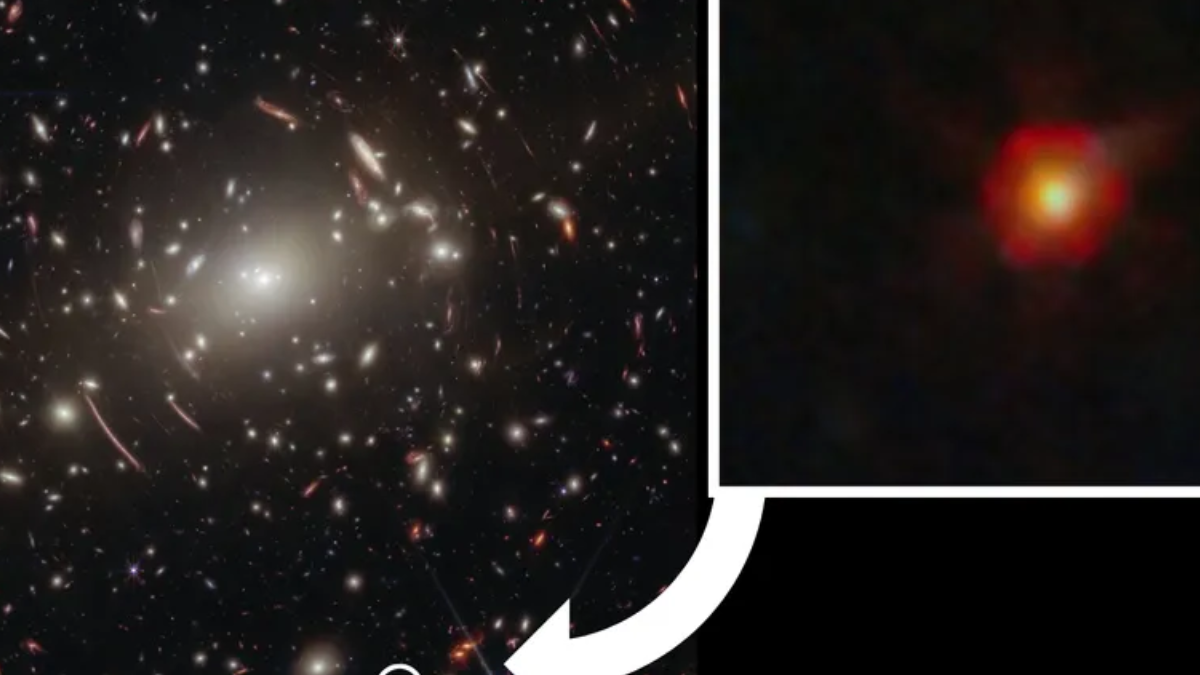
Using JWST, astronomers obtained the most detailed spectrum yet of a little red dot and found evidence that these mysterious objects are rapidly growing black holes wrapped in dense gas. The discovery could explain why they appear, shine red, and eventually disappear from the cosmic record.
-
James Webb Space Telescope Weighs Most Distant Dormant Black Hole Ever Detected
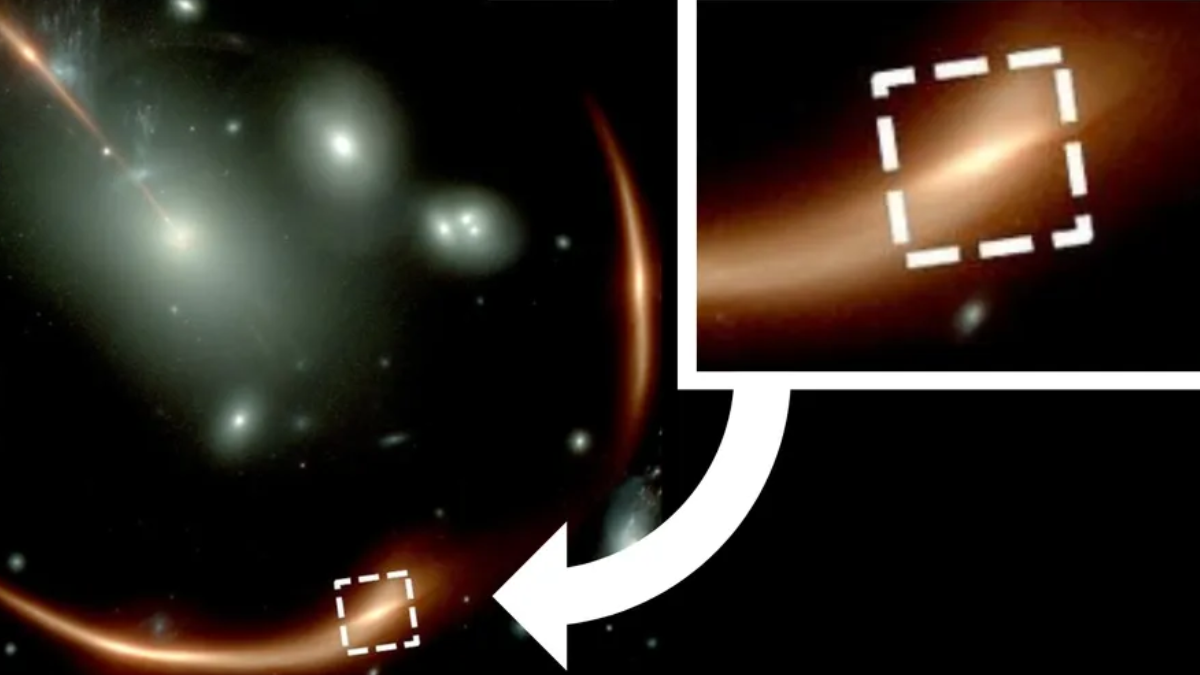
Using JWST and a natural gravitational lens, astronomers measured a six-billion-solar-mass dormant black hole more than 10 billion light-years away. The discovery offers a rare glimpse into how galaxies and black holes evolved when the universe was just three billion years old.
-
James Webb Space Telescope Detects Most Distant Dormant Black Hole Ever Found
JWST has identified the most distant dormant black hole ever observed, a six-billion-solar-mass giant in galaxy MRG-M0138. Seen when the universe was only three billion years old, the discovery provides rare evidence that black holes and galaxies evolved together in the early cosmos.
-
Study Reveals Some Supermassive Black Holes May Have Been Born Big
According to researchers, some of these black holes may have formed without first going through a stellar collapse phase.
-
JWST Discovers Ancient Black Hole Older Than Its Own Galaxy
JWST has identified a supermassive black hole from the early universe that outweighs most of its own galaxy, suggesting black holes may form before galaxies themselves.
-
Indian Scientist Discovers 12.6-Billion-Year-Old 'City Of Galaxies', Names It After Manipur's Loktak Lake
A major international astronomy study led by an Indian scientist has discovered a massive structure of young galaxies in the early universe, naming it after a famous lake in Manipur.
-
Ancient Star in Pictor II Reveals Secrets of Early Universe
Astronomers have discovered one of the oldest known stars, PicII-503, in the Pictor II dwarf galaxy. With extremely low iron content, the star offers rare insight into the second generation of stars and the early chemical evolution of the universe.
-
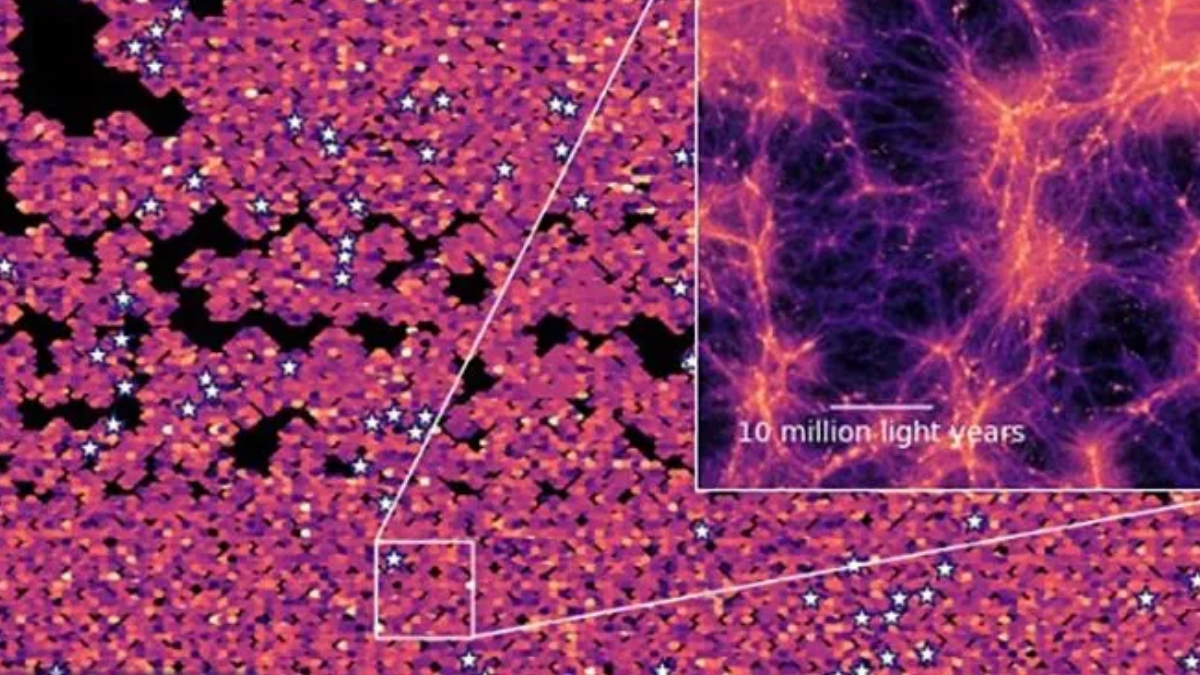
Astronomers Create the Largest 3D Map of the Early Universe’s Hydrogen Glow
Astronomers created the largest 3D map of hydrogen emission from the early universe using data from the Hobby-Eberly Telescope Dark Energy Experiment. The map reveals large cosmic structures during the universe’s peak star-forming era about 9–11 billion years ago.
-
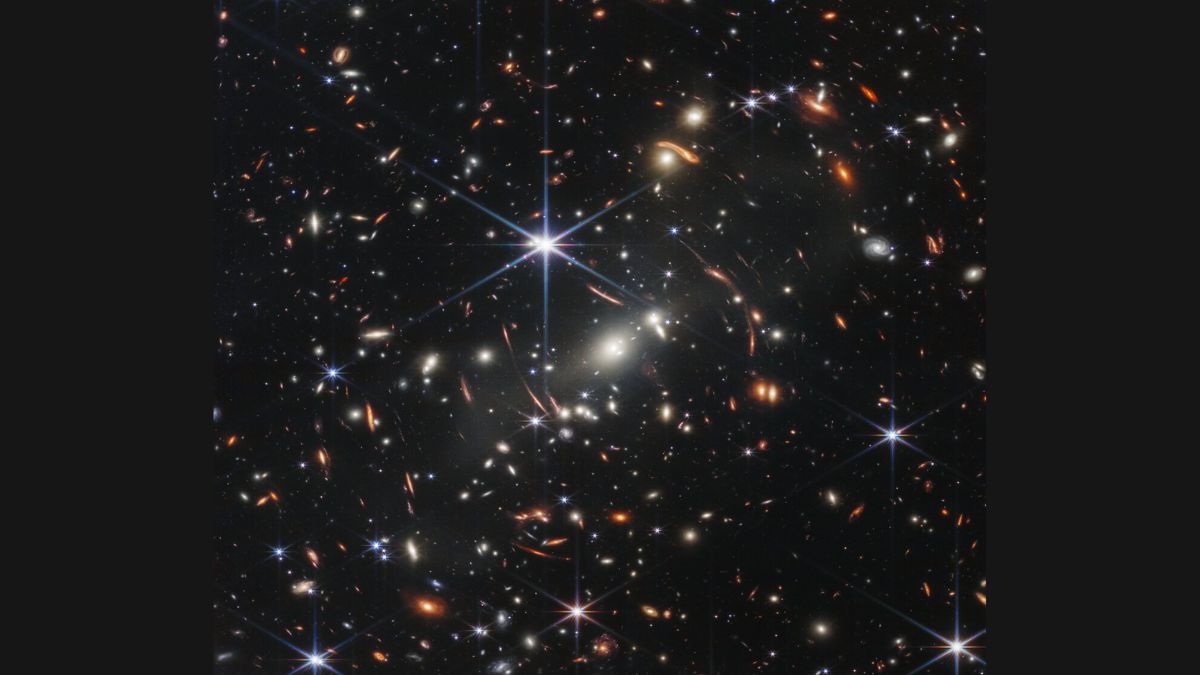
James Webb Telescope Finds Galaxies Nearly as Old as the Early Universe
NASA’s James Webb Space Telescope has revealed early galaxies that appear almost as old as the universe itself. By analyzing 31 galaxies at high redshift, researchers estimated stellar ages of around 600 million years—close to the universe’s age at that epoch. One galaxy may even seem older than the universe, posing a potential challenge to t...
-
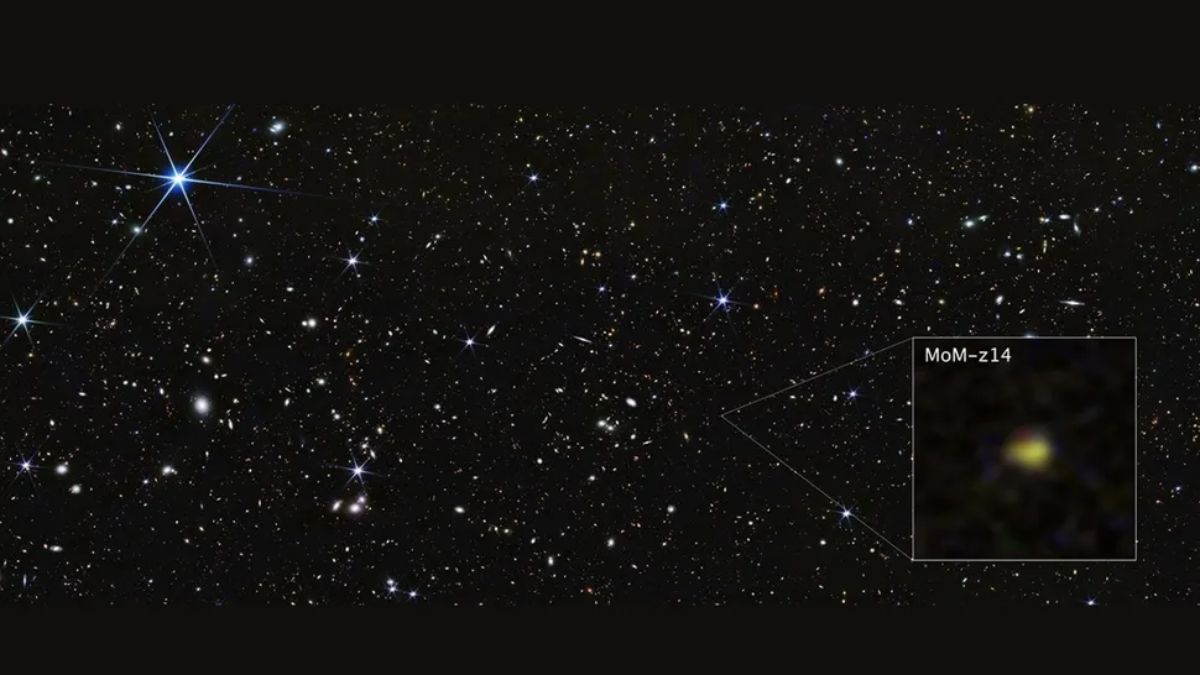
James Webb Space Telescope Finds Most Distant Galaxy Ever Detected
The James Webb Space Telescope has discovered MoM-z14, the most distant galaxy ever observed, dating to just 280 million years after the Big Bang. The galaxy’s brightness, chemical richness, and structure challenge existing theories of early cosmic evolution. Scientists say the finding highlights a growing gap between models and observations of t...
-
Impossible Neutrino Detected on Earth May Come From an Exploding Primordial Black Hole
A mysterious neutrino detected in 2023 may be debris from an exploding primordial black hole. Scientists say the ultra-energetic particle defies known cosmic sources and could represent Hawking radiation, offering rare insight into early-universe physics and the possible nature of dark matter while challenging theories of black holes and cosmology.
-
CERN Experiments Confirm Early Universe Behaved Like a Near-Perfect Fluid
Physicists at CERN have directly observed fluid-like behaviour in the quark–gluon plasma that filled the early universe. Experiments at the Large Hadron Collider revealed wake-shaped ripples forming behind fast-moving quarks, similar to bow waves in liquids. These quark wakes confirm that the primordial “soup” of quarks and gluons behaved as ...
-
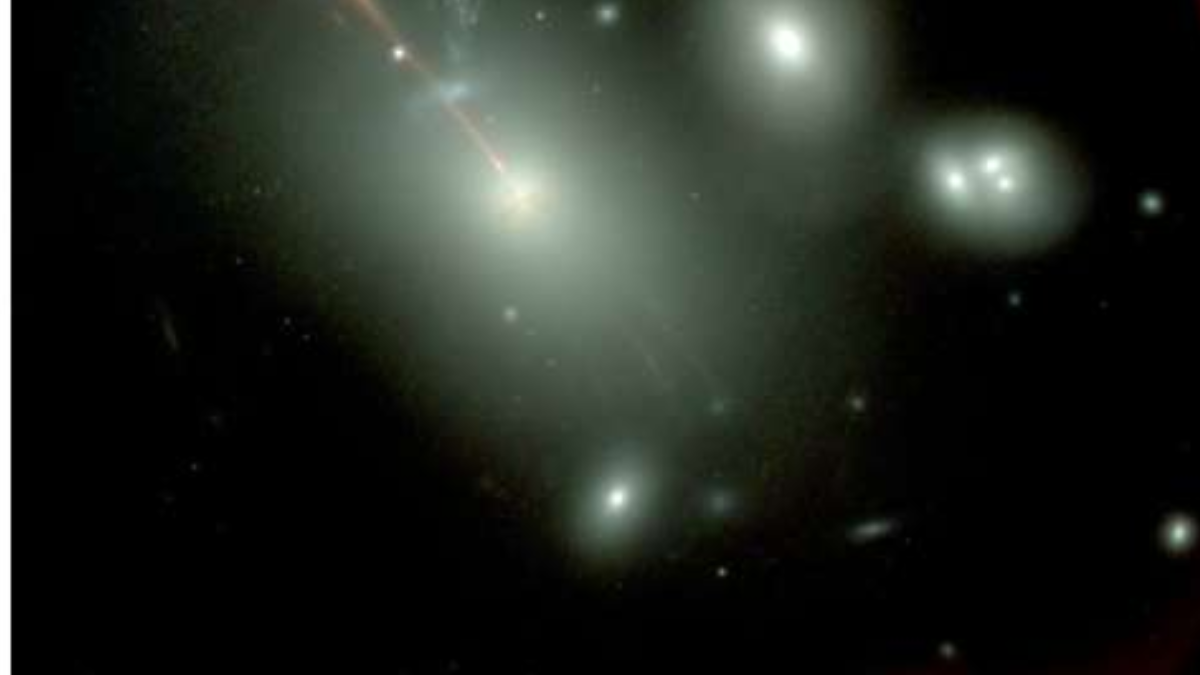
A Massive Black Hole Starved Pablo’s Galaxy, Ending Its Star Formation
Astronomers using the James Webb Space Telescope and ALMA have uncovered how a massive black hole shut down star formation in Pablo’s Galaxy. Powerful winds expelled gas at hundreds of kilometres per second, leaving almost no cold fuel behind. The findings suggest many early galaxies did not die explosively, but were slowly starved by their centr...


-
Astronomers Discover Why Massive Galaxies Died Early in the Universe
Astronomers have discovered a powerful galactic wind in the merging galaxy system CRISTAL-02. The outflow is removing star-forming gas faster than it can be replenished, providing the first direct evidence for a mechanism that may have shut down star formation in massive early galaxies.
-
Astronomers Detect Star-Forming Fuel in a Galaxy 13 Billion Light-Years Away
Using ALMA and the Very Large Array, astronomers directly detected a massive reservoir of molecular gas in REBELS-25, a galaxy from just 700 million years after the Big Bang. The finding provides the clearest evidence yet that some early galaxies were already loaded with the fuel needed for rapid star formation.
-
JWST Reveals the True Identity of Mysterious Little Red Dots
Using JWST, astronomers obtained the most detailed spectrum yet of a little red dot and found evidence that these mysterious objects are rapidly growing black holes wrapped in dense gas. The discovery could explain why they appear, shine red, and eventually disappear from the cosmic record.
-
James Webb Space Telescope Weighs Most Distant Dormant Black Hole Ever Detected
Using JWST and a natural gravitational lens, astronomers measured a six-billion-solar-mass dormant black hole more than 10 billion light-years away. The discovery offers a rare glimpse into how galaxies and black holes evolved when the universe was just three billion years old.
-
James Webb Space Telescope Detects Most Distant Dormant Black Hole Ever Found
JWST has identified the most distant dormant black hole ever observed, a six-billion-solar-mass giant in galaxy MRG-M0138. Seen when the universe was only three billion years old, the discovery provides rare evidence that black holes and galaxies evolved together in the early cosmos.
-
Study Reveals Some Supermassive Black Holes May Have Been Born Big
According to researchers, some of these black holes may have formed without first going through a stellar collapse phase.
-
JWST Discovers Ancient Black Hole Older Than Its Own Galaxy
JWST has identified a supermassive black hole from the early universe that outweighs most of its own galaxy, suggesting black holes may form before galaxies themselves.
-
Indian Scientist Discovers 12.6-Billion-Year-Old 'City Of Galaxies', Names It After Manipur's Loktak Lake
A major international astronomy study led by an Indian scientist has discovered a massive structure of young galaxies in the early universe, naming it after a famous lake in Manipur.
-
Ancient Star in Pictor II Reveals Secrets of Early Universe
Astronomers have discovered one of the oldest known stars, PicII-503, in the Pictor II dwarf galaxy. With extremely low iron content, the star offers rare insight into the second generation of stars and the early chemical evolution of the universe.
-
Astronomers Create the Largest 3D Map of the Early Universe’s Hydrogen Glow
Astronomers created the largest 3D map of hydrogen emission from the early universe using data from the Hobby-Eberly Telescope Dark Energy Experiment. The map reveals large cosmic structures during the universe’s peak star-forming era about 9–11 billion years ago.
-
James Webb Telescope Finds Galaxies Nearly as Old as the Early Universe
NASA’s James Webb Space Telescope has revealed early galaxies that appear almost as old as the universe itself. By analyzing 31 galaxies at high redshift, researchers estimated stellar ages of around 600 million years—close to the universe’s age at that epoch. One galaxy may even seem older than the universe, posing a potential challenge to t...
-
James Webb Space Telescope Finds Most Distant Galaxy Ever Detected
The James Webb Space Telescope has discovered MoM-z14, the most distant galaxy ever observed, dating to just 280 million years after the Big Bang. The galaxy’s brightness, chemical richness, and structure challenge existing theories of early cosmic evolution. Scientists say the finding highlights a growing gap between models and observations of t...
-
Impossible Neutrino Detected on Earth May Come From an Exploding Primordial Black Hole
A mysterious neutrino detected in 2023 may be debris from an exploding primordial black hole. Scientists say the ultra-energetic particle defies known cosmic sources and could represent Hawking radiation, offering rare insight into early-universe physics and the possible nature of dark matter while challenging theories of black holes and cosmology.
-
CERN Experiments Confirm Early Universe Behaved Like a Near-Perfect Fluid
Physicists at CERN have directly observed fluid-like behaviour in the quark–gluon plasma that filled the early universe. Experiments at the Large Hadron Collider revealed wake-shaped ripples forming behind fast-moving quarks, similar to bow waves in liquids. These quark wakes confirm that the primordial “soup” of quarks and gluons behaved as ...
-
A Massive Black Hole Starved Pablo’s Galaxy, Ending Its Star Formation
Astronomers using the James Webb Space Telescope and ALMA have uncovered how a massive black hole shut down star formation in Pablo’s Galaxy. Powerful winds expelled gas at hundreds of kilometres per second, leaving almost no cold fuel behind. The findings suggest many early galaxies did not die explosively, but were slowly starved by their centr...

