



Cme
-
{
- All
- News
-

Sun Erupts with Powerful Solar Flare, Sending Plasma Toward Earth
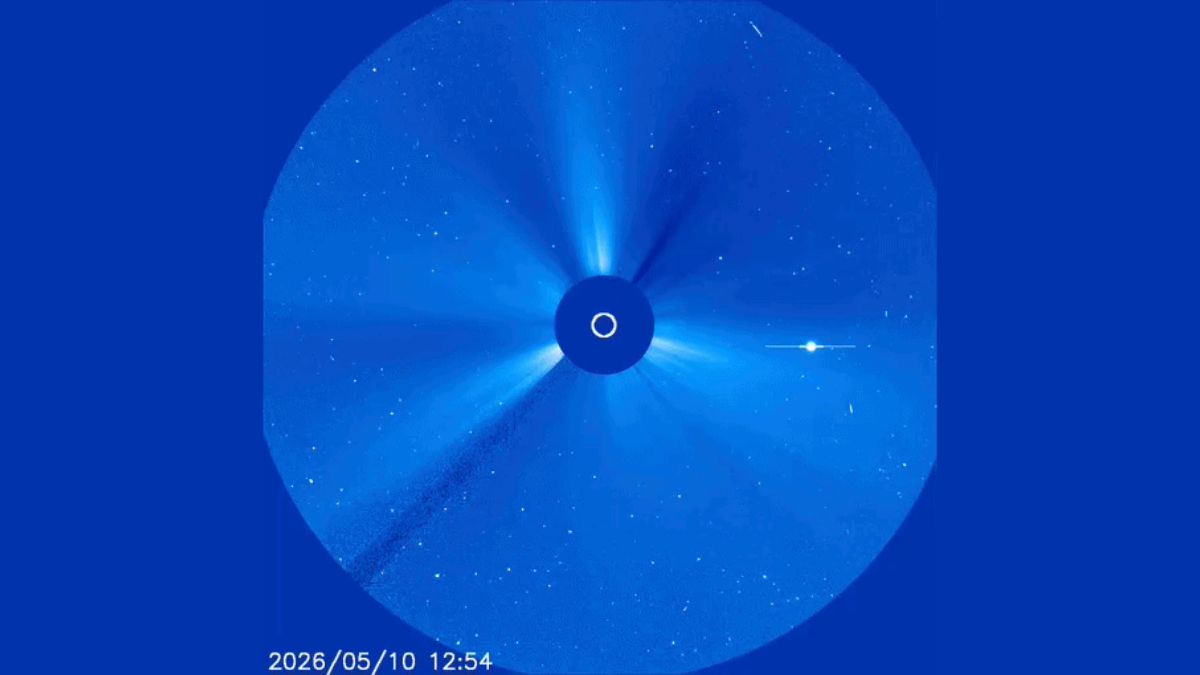
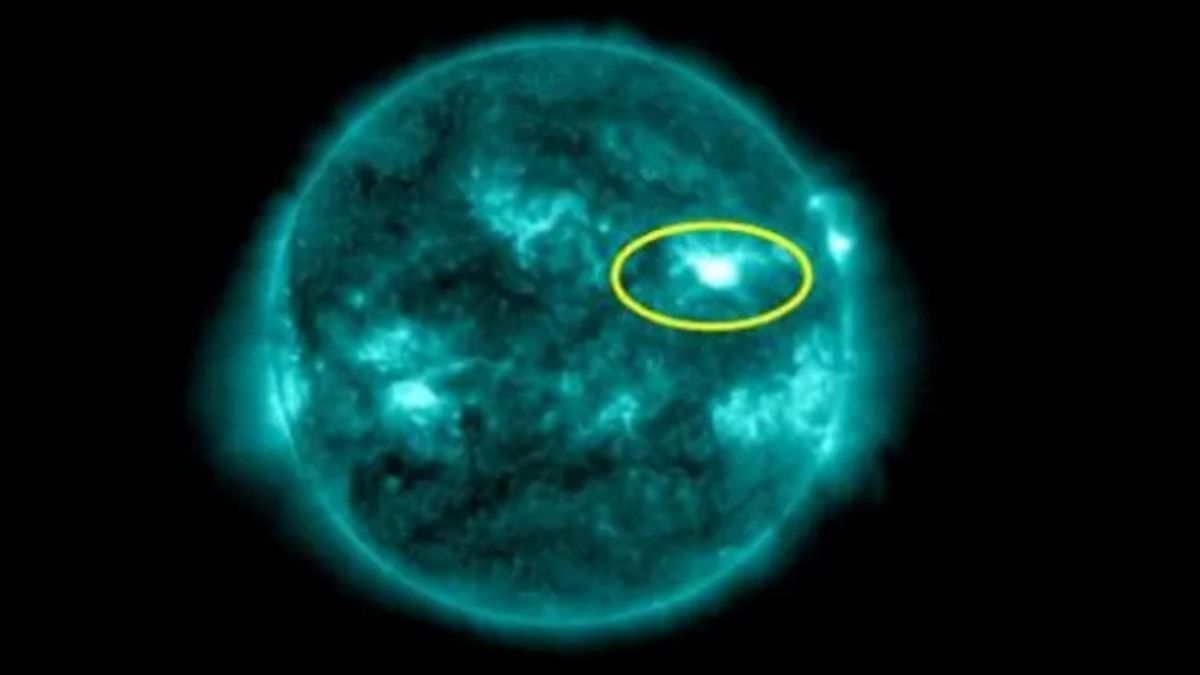
The Sun unleashed an M5.7-class Solar Flare on May 10, 2026, disrupting high-frequency radio communications and launching a coronal mass ejection toward Earth. Scientists predict the incoming plasma could trigger a minor geomagnetic storm and brighten auroras across northern regions. The event highlights the Sun’s increasing activity as it approa...
-
Sun Unleashes Strongest Flare of 2025, Causing Global Radio Blackouts
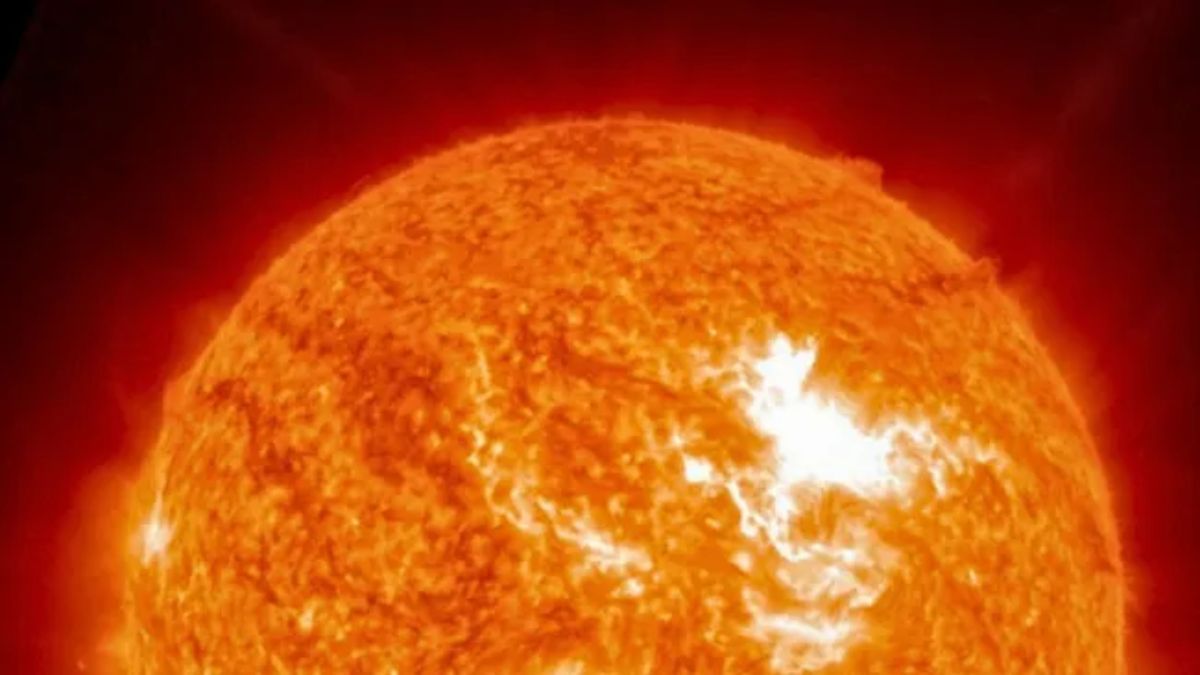
On Nov. 11, 2025, the Sun erupted with an X5.1-class flare, disrupting shortwave communications across Africa and Europe. The flare’s X-rays and UV radiation ionized Earth’s upper atmosphere, causing R3-level radio blackouts. NOAA warned that a coronal mass ejection could reach Earth on Nov. 12, potentially triggering strong geomagnetic storms ...
-
Sun Erupts with Triple Solar Flares After Weeks of Silence
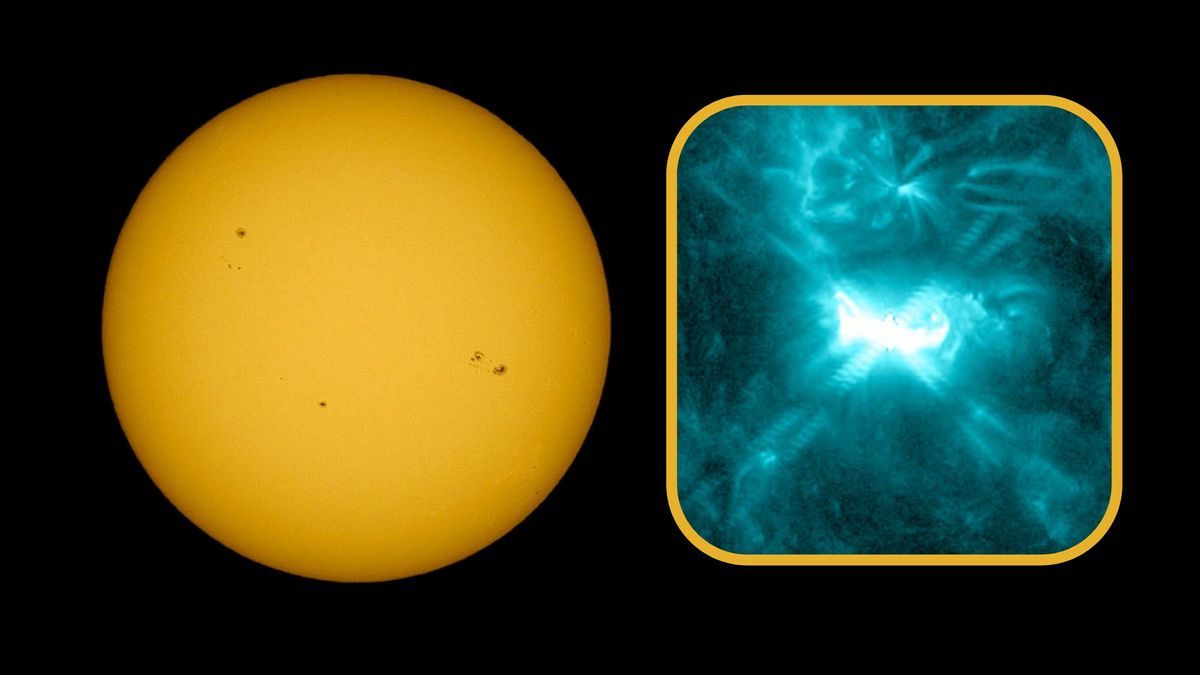
After a 22-day period of solar calm, the Sun unleashed three M-class solar flares on August 3–4, 2025, all originating from active sunspot region AR 4168. These moderate flares released intense radiation, capable of briefly disrupting high-frequency radio signals and potentially sparking auroras at high latitudes. Scientists also detected likel...
-
Colossal Solar Filament Eruption Sculpts 250,000-Mile 'Canyon of Fire' on the Sun’s Surface
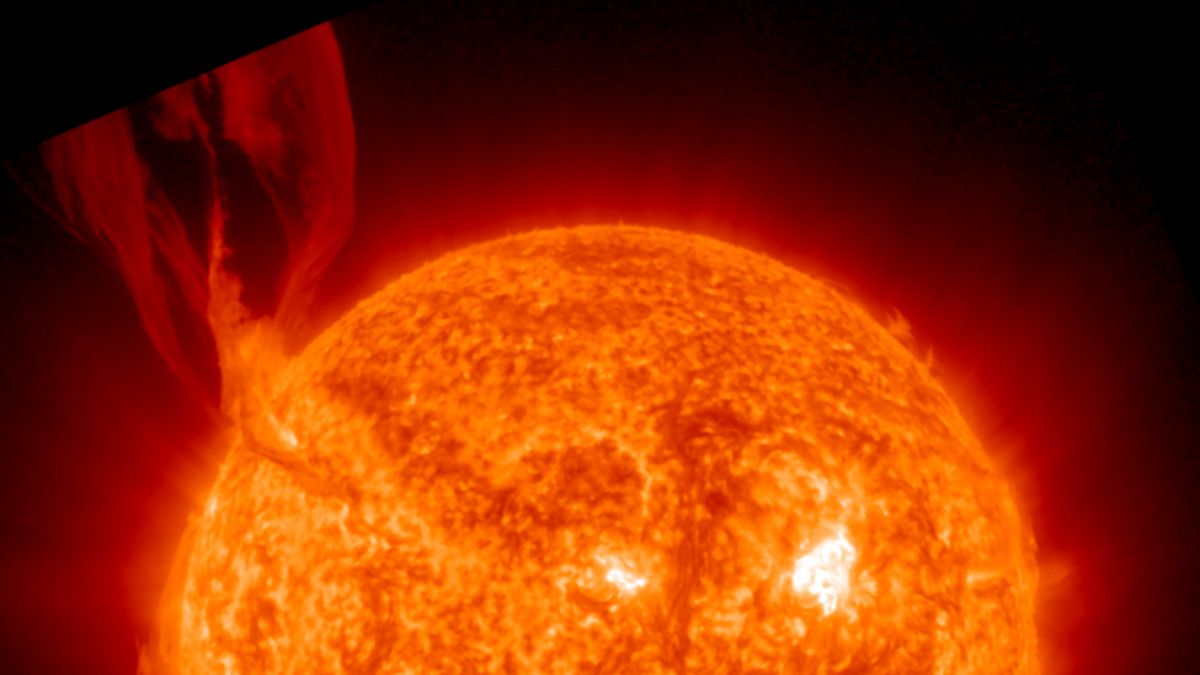
A massive July 15 filament eruption from the sun’s limb carved a 250,000‑mile‑long plasma canyon captured by NASA’s SDO. The spectacular rift, formed as magnetic fields realigned, featured 12,400‑mile‑high plasma walls. Although the eruption launched a coronal mass ejection into space, SOHO and GOES‑19 imagery confirm it’s heading a...
-
NASA’s Parker Probe Sends Closest-Ever Images from Inside the Sun’s Corona
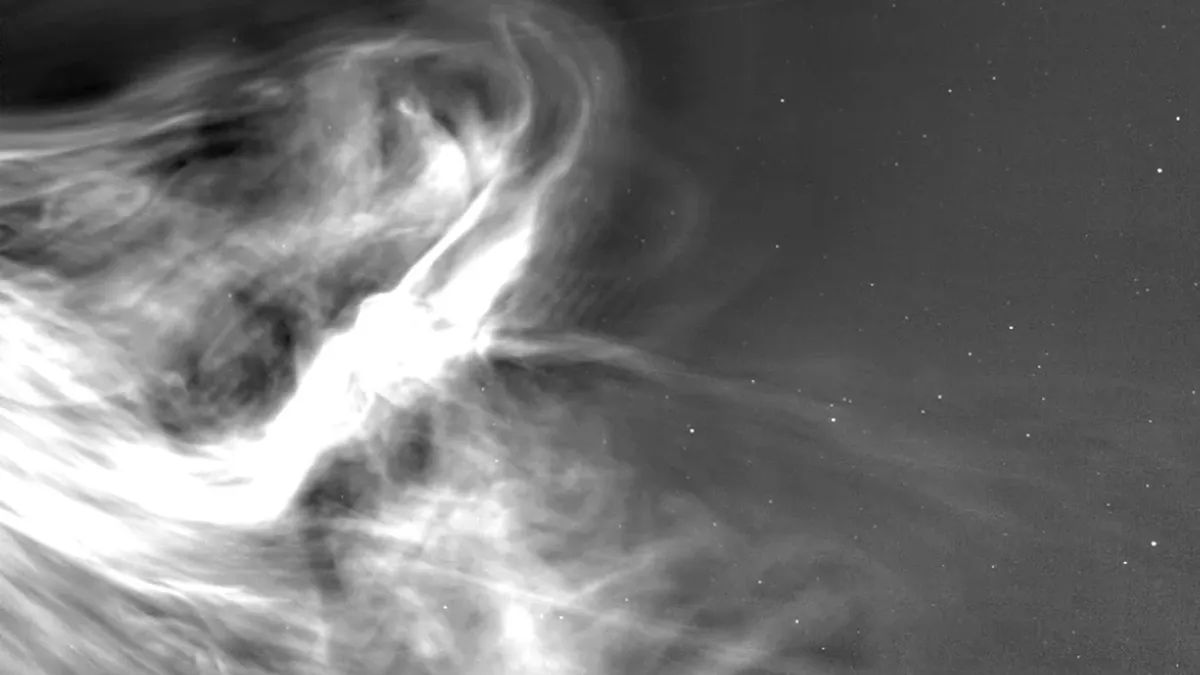
NASA’s Parker Solar Probe has achieved a solar milestone by capturing the closest-ever images of the Sun, taken just 3.8 million miles from its surface in December 2024. These WISPR images reveal unprecedented details of the corona, solar wind, and CME collisions. Scientists say this breakthrough will improve our ability to forecast space weather...
-
Scientists Warn of Inadequate Solar Storm Forecasting: What You Need to Know
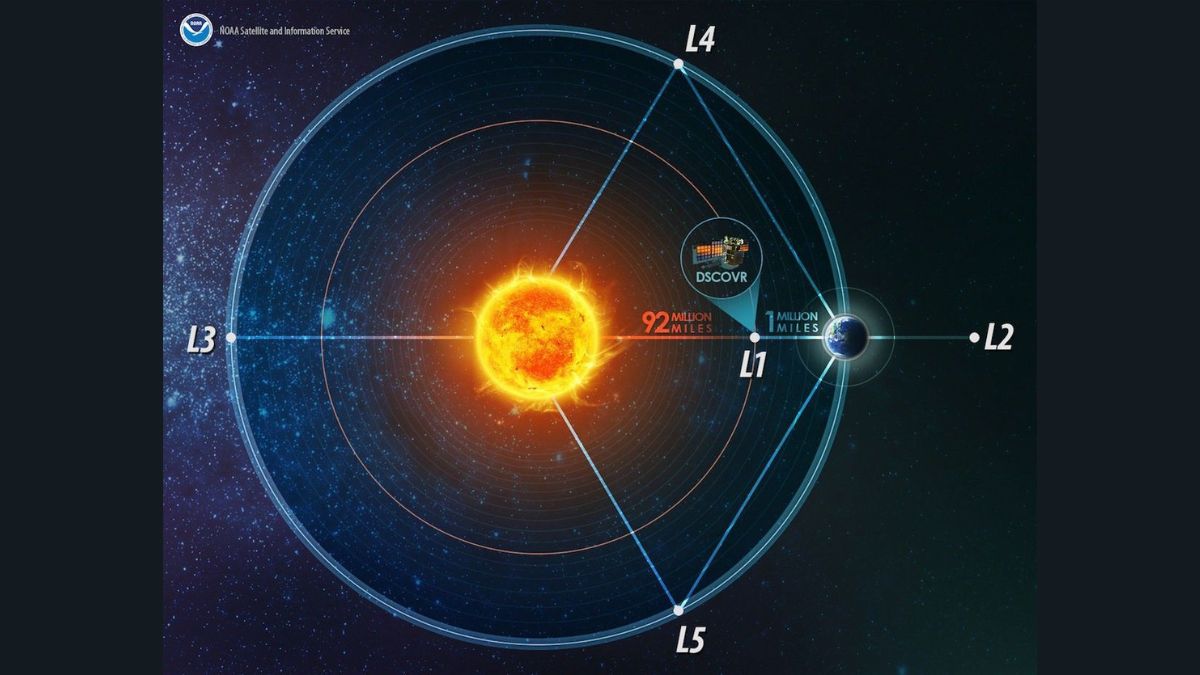
Scientists warn that Earth remains exposed to solar storms due to missing early data on its magnetic fields. Current satellites offer just minutes of warning, limiting our ability to protect power grids, satellites, and GPS systems. Without broader solar observation from multiple angles, a major storm could cause catastrophic disruptions, emphasisi...
-
Sun Unleash a 600,000-Mile Filament in Fiery Eruption
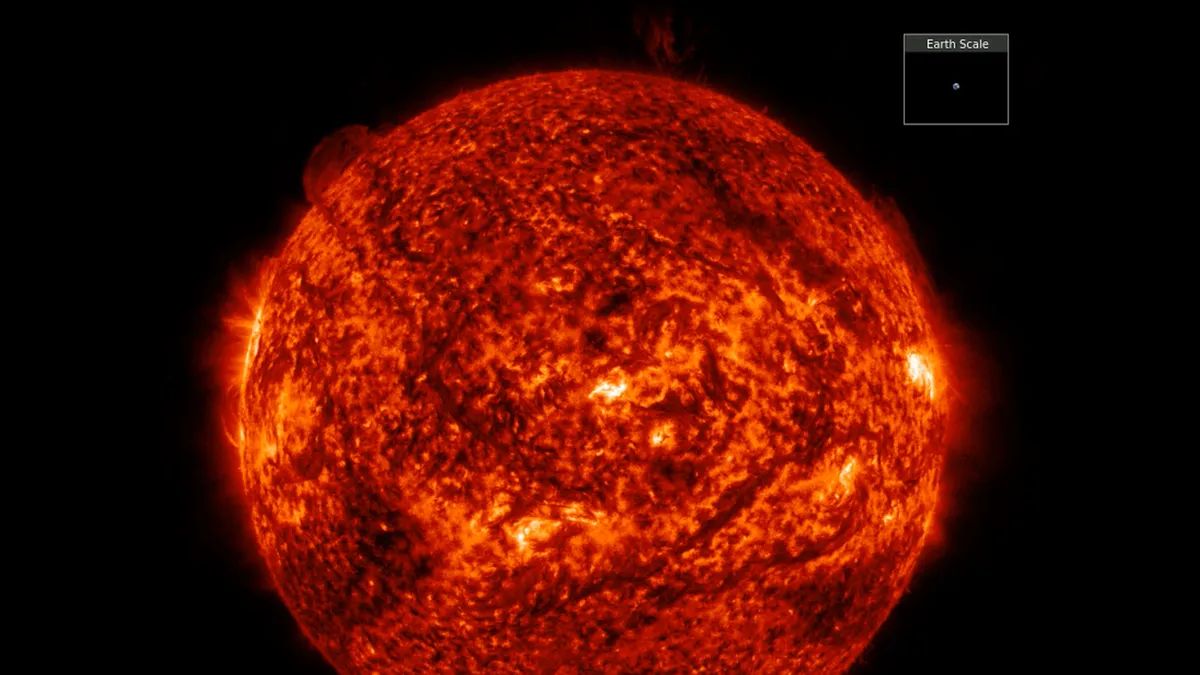
A spectacular 600,000-mile-long solar filament erupted off the sun’s surface in a fiery blast captured on video. While the resulting CME will miss Earth, experts are watching closely as solar activity ramps up toward Solar Cycle 25’s peak. The event underscores the sun’s ongoing volatility and potential for more powerful outbursts ahead.
-
Massive Solar Flare Closes 2024 With Radio Blackouts and Auroral Possibilities
An X1.1-class solar flare on December 29, 2024, caused strong radio blackouts on Earth, marking another significant event in the increasingly active Solar Cycle 25. Detected by NOAA's GOES-16 satellite, the eruption raises questions about a potential coronal mass ejection, which could amplify auroras during New Year celebrations. While impactful, t...
-
IIT Kanpur Introduces Continuing Medical Education Program To Enhance Medical Skills And Patient
The Health Centre at IIT Kanpur will initiate a lecture series as part of its Continuing Medical Education Program (CME).
-
Geomagnetic Storms Expected To Hit Earth This Week, Power Grids At Risk
A series of potent solar events is expected to hit Earth, potentially causing significant geomagnetic storms over the next few days, NASA has said.
-
NASA Observatory Captures Image Of Aurora Created By A Solar Storm
The near-Earth Solar Dynamics Observatory captured this CME in September 2012, which traveled over 900 miles per second (1,448 kilometers per second), causing an aurora to appear.
-
Solar Storm: NASA Warns of Disturbance Likely Due to 'Swirling Sun Debris' Heading Towards Earth
NASA has warned about the potential impacts of “swirling Sun debris" created by a solar storm likely to hit the Earth by December 11. The agency said a coronal mass ejection (CME) of plasma and magnetic field escaped the Sun earlier this week and is expected to possibly strike by Saturday.
-
Google Cloud Invests $1 Billion in CME Group to Tune Finance-Backing Tech
With this partnership, the CME Group will transform all of its services and processes on Google Cloud servers, which will consume lesser capital and will ensure space availability for all the data.
-
Double Solar Storms Headed to Earth Raise Disruption Concerns
A rare double burst of magnetically charged solar storms will hit Earth anytime after Thursday night, raising concerns that GPS signals, radio communications and power transmissions could be disrupted, officials said on Thursday.
-
Silent Sun renews activity: NASA
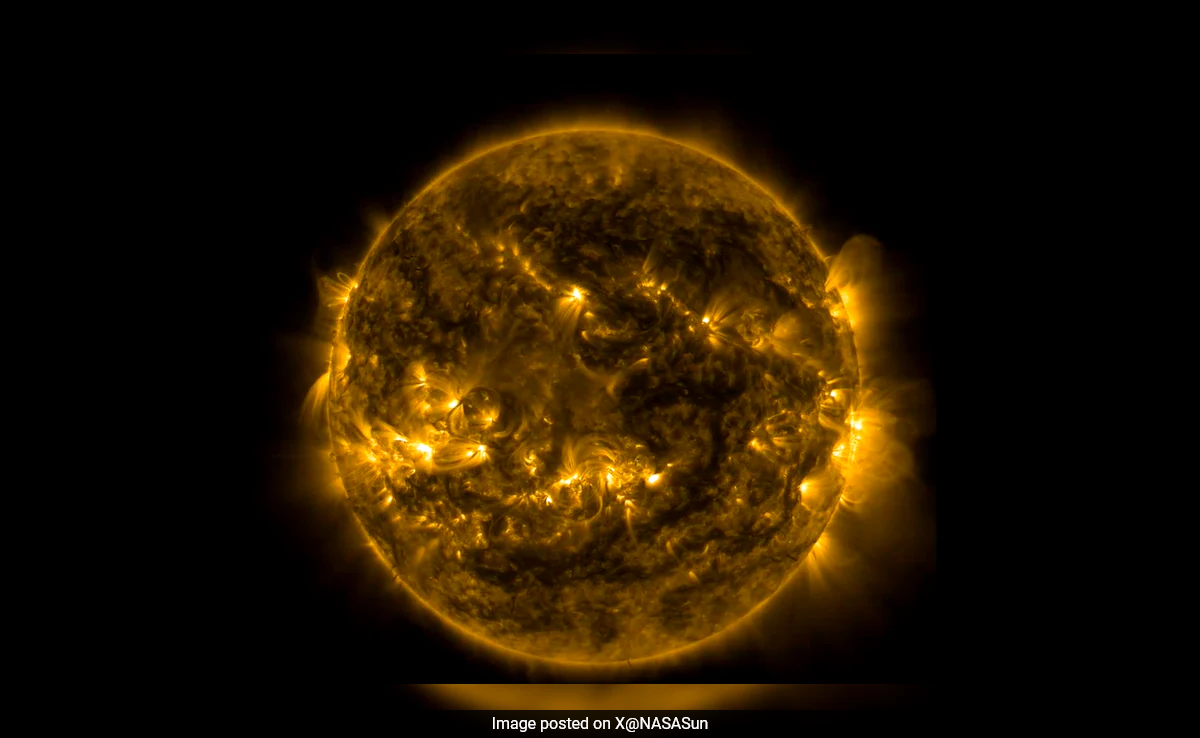
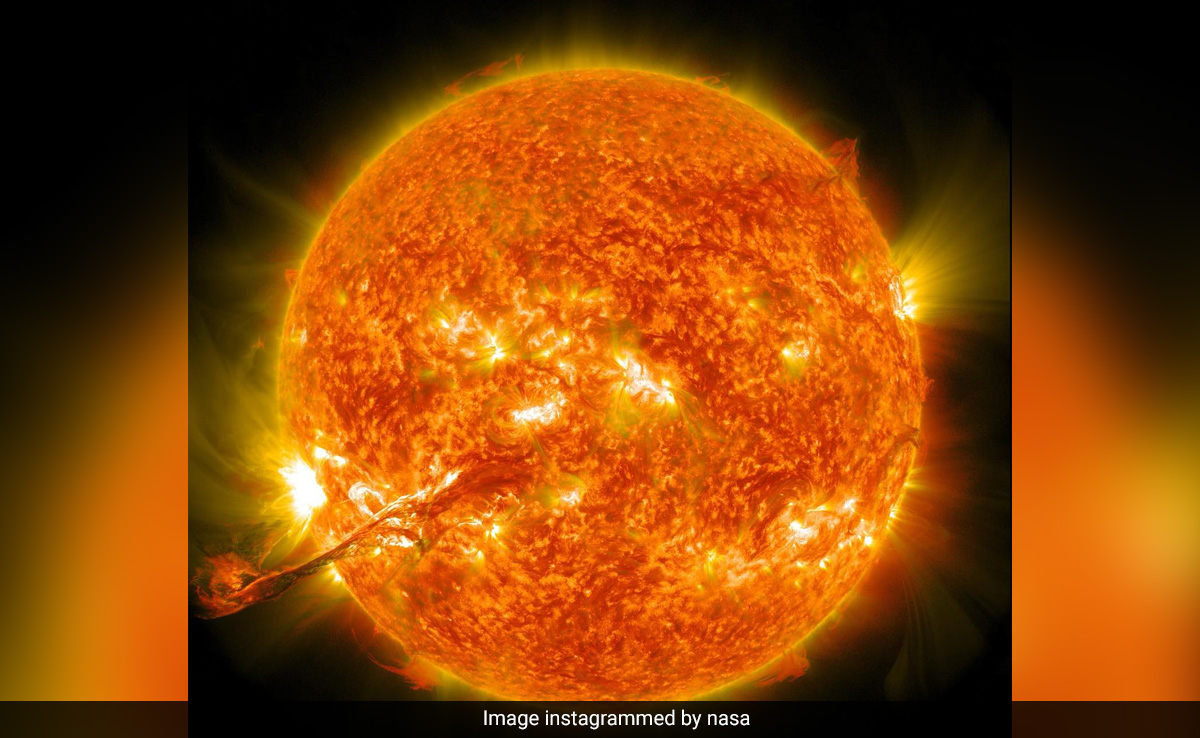
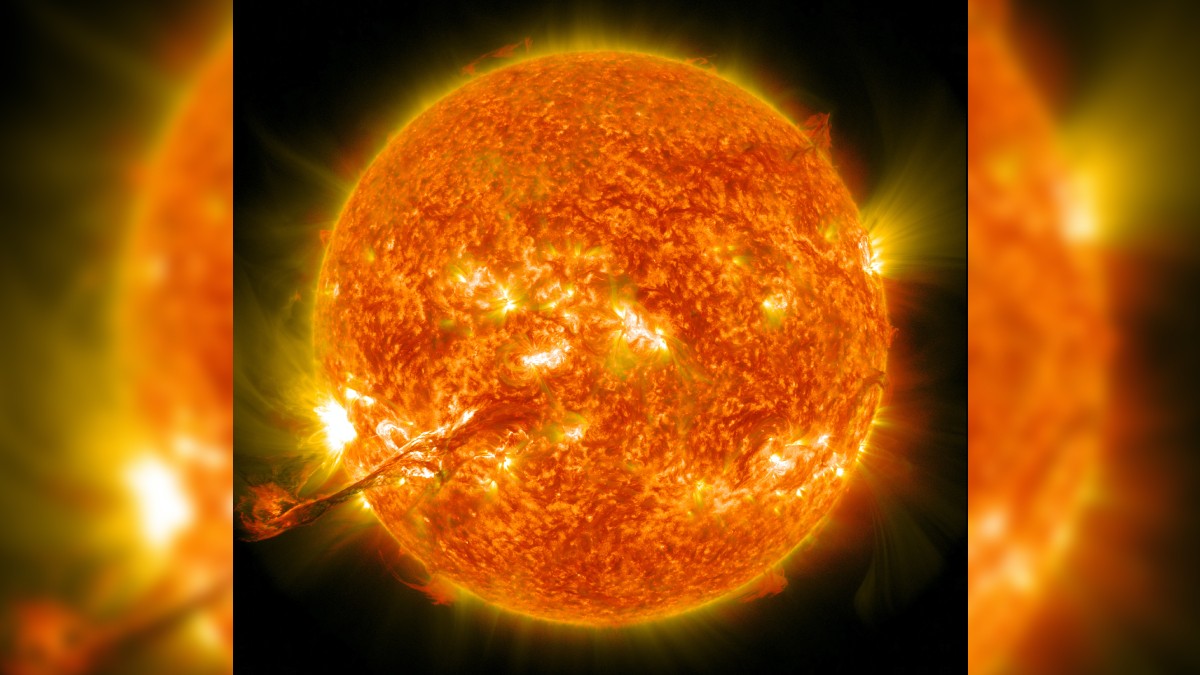
After lying dormant for a few months, the Sun is once again witnessing revival of Coronal Mass Ejection.


-
Sun Erupts with Powerful Solar Flare, Sending Plasma Toward Earth
The Sun unleashed an M5.7-class Solar Flare on May 10, 2026, disrupting high-frequency radio communications and launching a coronal mass ejection toward Earth. Scientists predict the incoming plasma could trigger a minor geomagnetic storm and brighten auroras across northern regions. The event highlights the Sun’s increasing activity as it approa...
-
Sun Unleashes Strongest Flare of 2025, Causing Global Radio Blackouts
On Nov. 11, 2025, the Sun erupted with an X5.1-class flare, disrupting shortwave communications across Africa and Europe. The flare’s X-rays and UV radiation ionized Earth’s upper atmosphere, causing R3-level radio blackouts. NOAA warned that a coronal mass ejection could reach Earth on Nov. 12, potentially triggering strong geomagnetic storms ...
-
Sun Erupts with Triple Solar Flares After Weeks of Silence
After a 22-day period of solar calm, the Sun unleashed three M-class solar flares on August 3–4, 2025, all originating from active sunspot region AR 4168. These moderate flares released intense radiation, capable of briefly disrupting high-frequency radio signals and potentially sparking auroras at high latitudes. Scientists also detected likel...
-
Colossal Solar Filament Eruption Sculpts 250,000-Mile 'Canyon of Fire' on the Sun’s Surface
A massive July 15 filament eruption from the sun’s limb carved a 250,000‑mile‑long plasma canyon captured by NASA’s SDO. The spectacular rift, formed as magnetic fields realigned, featured 12,400‑mile‑high plasma walls. Although the eruption launched a coronal mass ejection into space, SOHO and GOES‑19 imagery confirm it’s heading a...
-
NASA’s Parker Probe Sends Closest-Ever Images from Inside the Sun’s Corona
NASA’s Parker Solar Probe has achieved a solar milestone by capturing the closest-ever images of the Sun, taken just 3.8 million miles from its surface in December 2024. These WISPR images reveal unprecedented details of the corona, solar wind, and CME collisions. Scientists say this breakthrough will improve our ability to forecast space weather...
-
Scientists Warn of Inadequate Solar Storm Forecasting: What You Need to Know
Scientists warn that Earth remains exposed to solar storms due to missing early data on its magnetic fields. Current satellites offer just minutes of warning, limiting our ability to protect power grids, satellites, and GPS systems. Without broader solar observation from multiple angles, a major storm could cause catastrophic disruptions, emphasisi...
-
Sun Unleash a 600,000-Mile Filament in Fiery Eruption
A spectacular 600,000-mile-long solar filament erupted off the sun’s surface in a fiery blast captured on video. While the resulting CME will miss Earth, experts are watching closely as solar activity ramps up toward Solar Cycle 25’s peak. The event underscores the sun’s ongoing volatility and potential for more powerful outbursts ahead.
-
Massive Solar Flare Closes 2024 With Radio Blackouts and Auroral Possibilities
An X1.1-class solar flare on December 29, 2024, caused strong radio blackouts on Earth, marking another significant event in the increasingly active Solar Cycle 25. Detected by NOAA's GOES-16 satellite, the eruption raises questions about a potential coronal mass ejection, which could amplify auroras during New Year celebrations. While impactful, t...
-
IIT Kanpur Introduces Continuing Medical Education Program To Enhance Medical Skills And Patient
The Health Centre at IIT Kanpur will initiate a lecture series as part of its Continuing Medical Education Program (CME).
-
Geomagnetic Storms Expected To Hit Earth This Week, Power Grids At Risk
A series of potent solar events is expected to hit Earth, potentially causing significant geomagnetic storms over the next few days, NASA has said.
-
NASA Observatory Captures Image Of Aurora Created By A Solar Storm
The near-Earth Solar Dynamics Observatory captured this CME in September 2012, which traveled over 900 miles per second (1,448 kilometers per second), causing an aurora to appear.
-
Solar Storm: NASA Warns of Disturbance Likely Due to 'Swirling Sun Debris' Heading Towards Earth
NASA has warned about the potential impacts of “swirling Sun debris" created by a solar storm likely to hit the Earth by December 11. The agency said a coronal mass ejection (CME) of plasma and magnetic field escaped the Sun earlier this week and is expected to possibly strike by Saturday.
-
Google Cloud Invests $1 Billion in CME Group to Tune Finance-Backing Tech
With this partnership, the CME Group will transform all of its services and processes on Google Cloud servers, which will consume lesser capital and will ensure space availability for all the data.
-
Double Solar Storms Headed to Earth Raise Disruption Concerns
A rare double burst of magnetically charged solar storms will hit Earth anytime after Thursday night, raising concerns that GPS signals, radio communications and power transmissions could be disrupted, officials said on Thursday.
-
Silent Sun renews activity: NASA
After lying dormant for a few months, the Sun is once again witnessing revival of Coronal Mass Ejection.

