



Blazars
-
{
- All
- News
-

Earth Is In Firing Line Of A New Type Of Object: Here's All About Microblazar
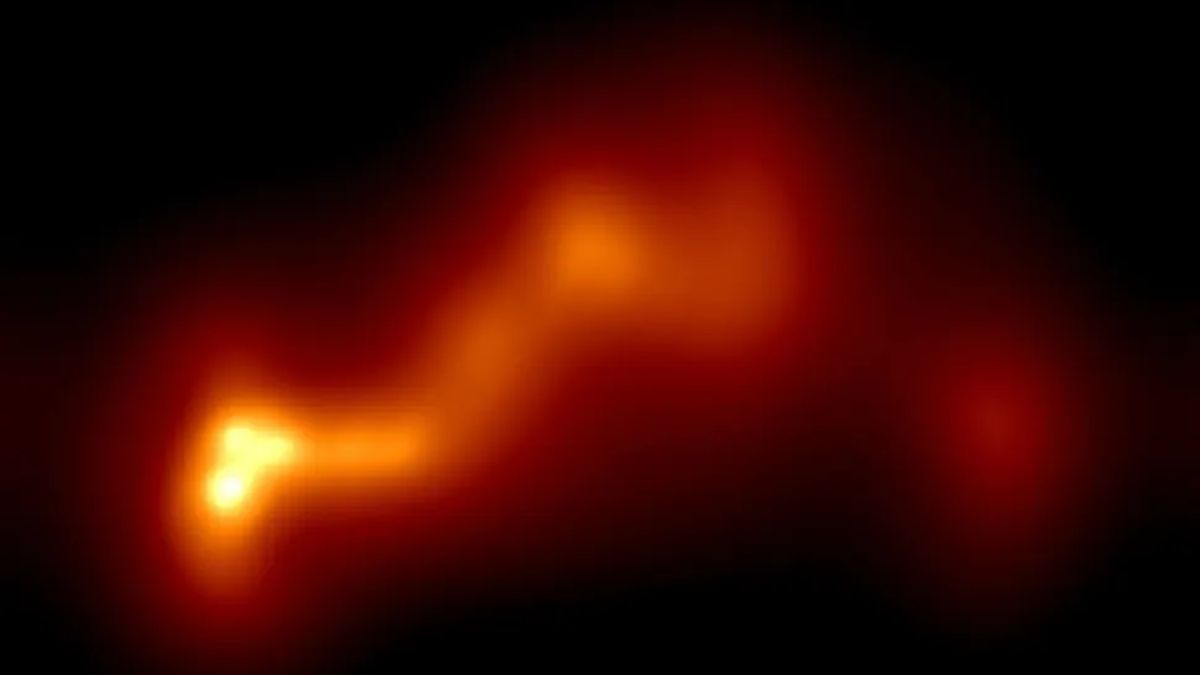
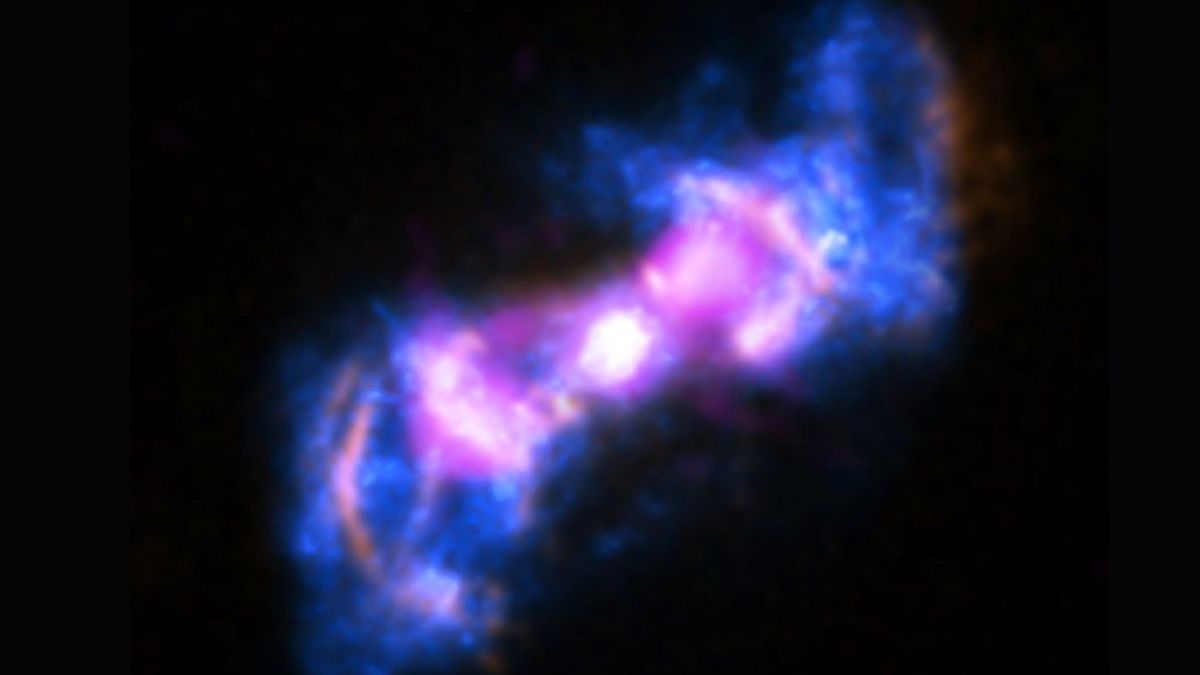
The system attracting attention as microblazar is called IRAS 18293-0941. It is estimated to be around 12,000 light years from Earth.
-
Astronomers Use AI To Create Detailed Video Of Supermassive Black Hole Jet
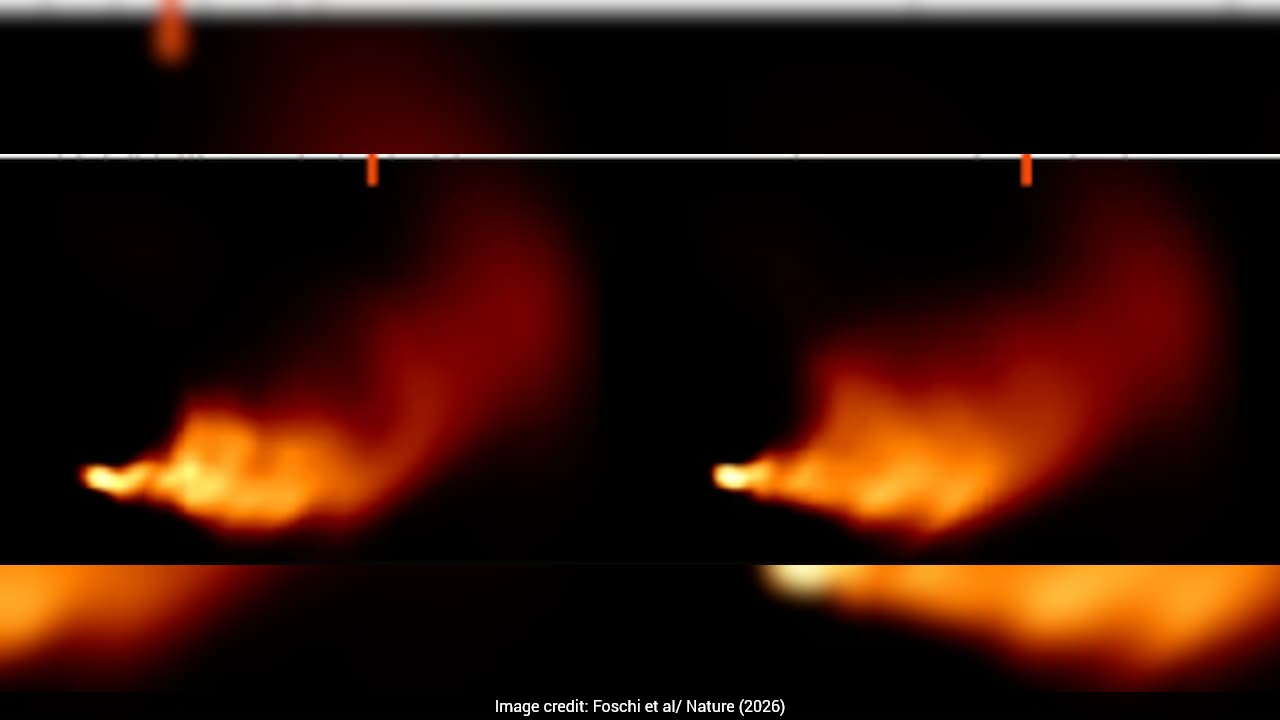
The result allows scientists to continuously track the plasma's movement rather than looking at isolated snapshots.
-
Most Powerful Neutrino Ever Detected May Have Come From a Blazar
A 220 PeV neutrino detected beneath the Mediterranean Sea may have originated from a distant blazar. Simulations suggest these powerful black hole systems can generate ultra-high-energy ghost particles.
-
Scientists Recreate Cosmic ‘Fireballs’ in Lab to Solve Mystery of Missing Gamma Rays
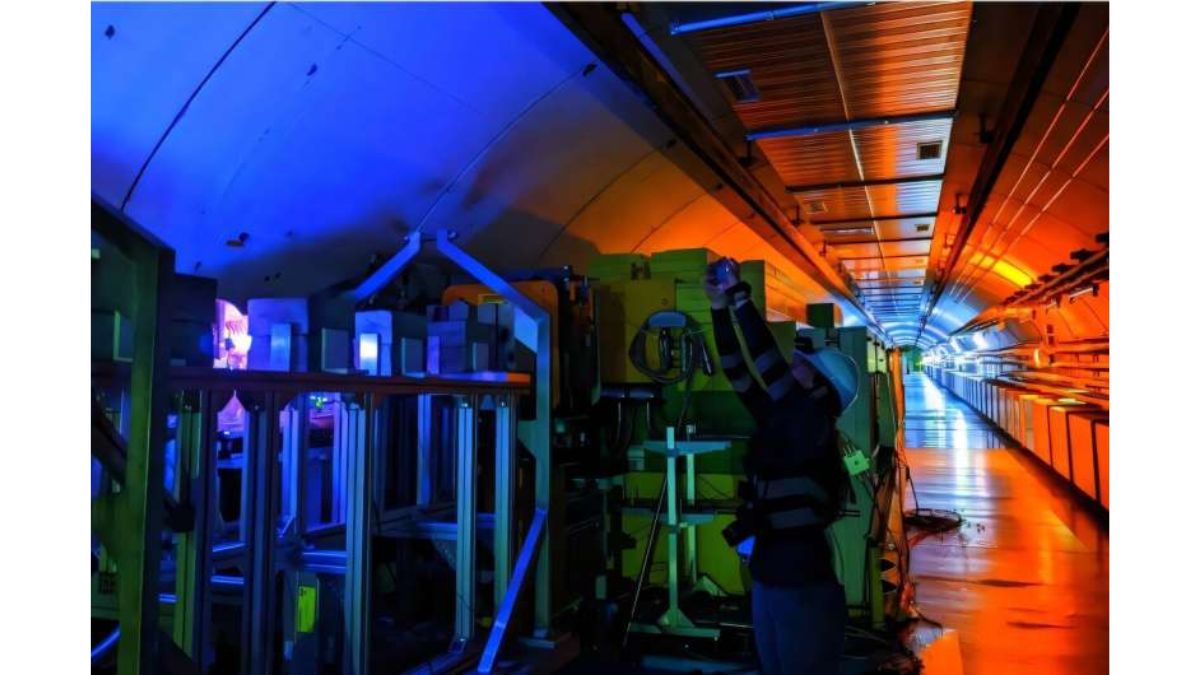
Scientists recreated cosmic plasma beams at CERN to study why certain gamma rays vanish in space. The results showed the beams remain stable, suggesting ancient intergalactic magnetic fields, not beam collapse, hide the signals. The discovery provides new insight into cosmic jets and the universe’s earliest magnetic traces.
-
Twisted Jet Confirms Most Extreme Binary Black Hole System in the Universe
Astronomers have confirmed that the blazar OJ 287 hosts the most extreme binary black hole system ever found. Using a global radio telescope array, they captured an ultra-sharp image showing a dramatically bent jet—evidence of two supermassive black holes locked in orbit. The system’s 12-year flare cycle and jet twists match predictions of a sm...
-
NASA Solves Black Hole Jet X-ray Mystery with IXPE’s Polarization Powers
NASA’s IXPE satellite may have solved a longstanding astrophysical mystery: how are X-rays produced in the extreme jets of supermassive black holes? By observing the blazar BL Lacertae, IXPE recorded low X-ray polarization versus very high optical polarization—confirming Compton scattering as the likely mechanism. This breakthrough supports the...
-
The Universe’s Brightest Lights Have Surprisingly Dark and Mysterious Origins
NASA’s Fermi Gamma-ray Space Telescope has revealed that some of the universe’s brightest light sources originate near supermassive black holes in galaxy centres. These active galactic nuclei emit intense radiation, including gamma rays and X-rays, despite black holes themselves being invisible. Their powerful jets and high-energy emissions cha...
-
New Study Uncovers Shadowy Origins of Universe’s Most Luminous Phenomena
NASA’s Fermi Gamma-ray Space Telescope has revealed that some of the universe’s brightest light sources originate near supermassive black holes in galaxy centres. These active galactic nuclei emit intense radiation, including gamma rays and X-rays, despite black holes themselves being invisible. Their powerful jets and high-energy emissions cha...
-
Powerful Beam From Ancient Black Hole 12.9 Billion Light-Years Away Targets Earth
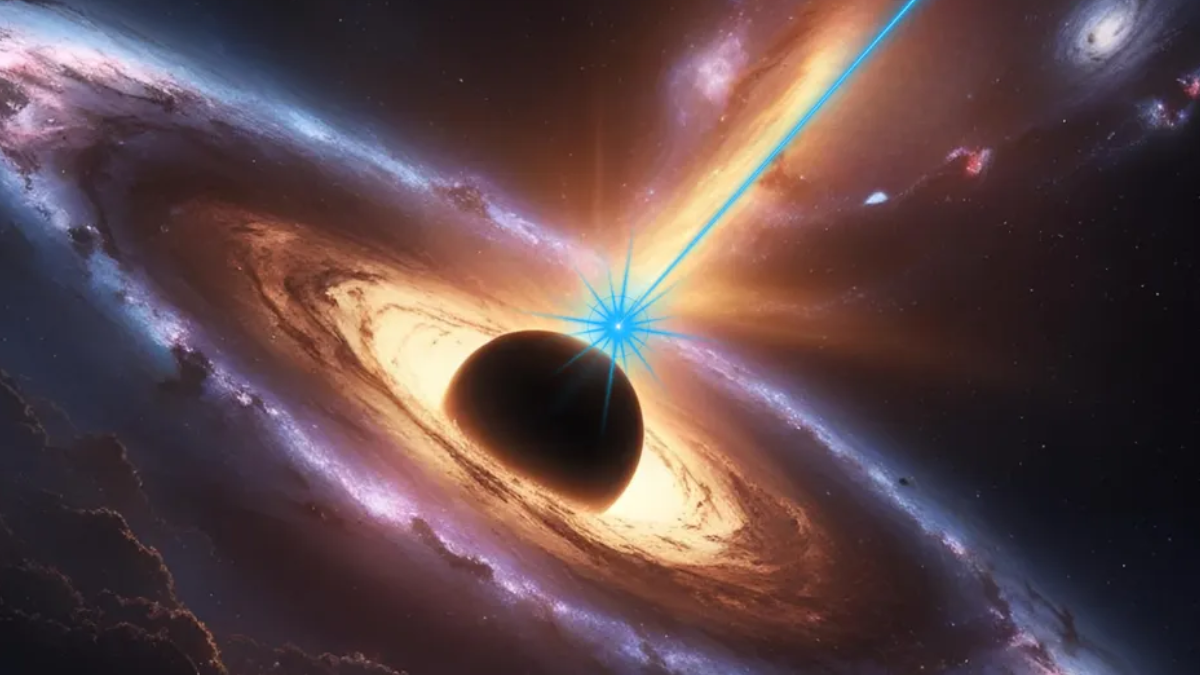
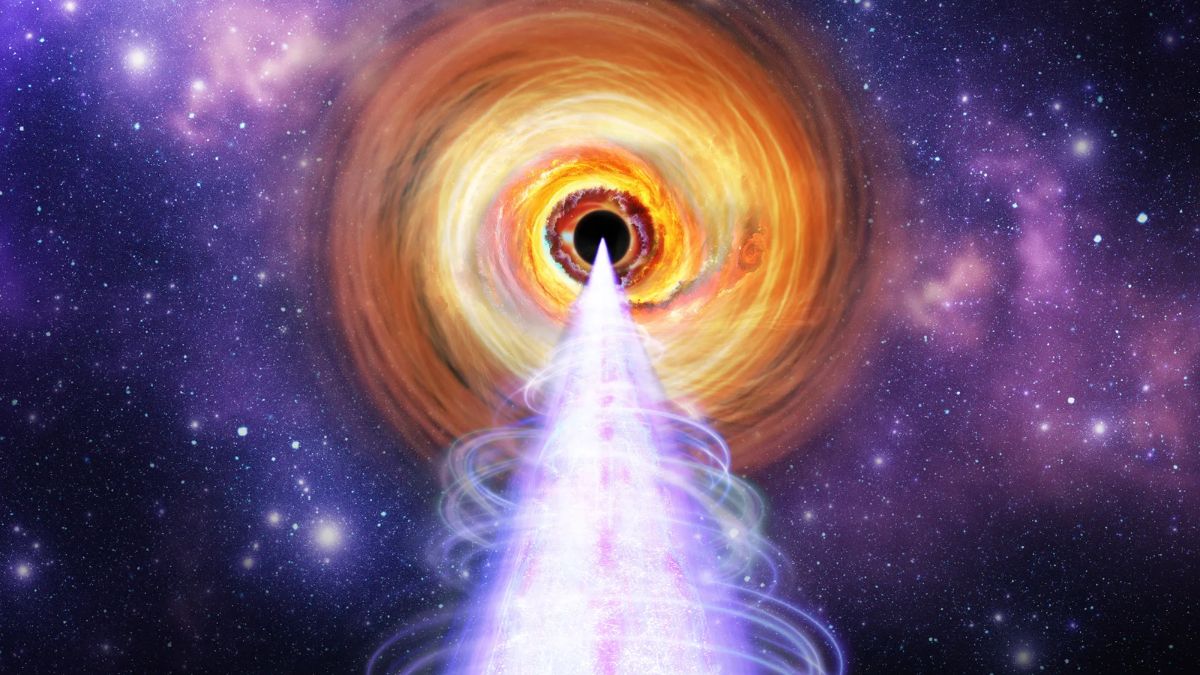
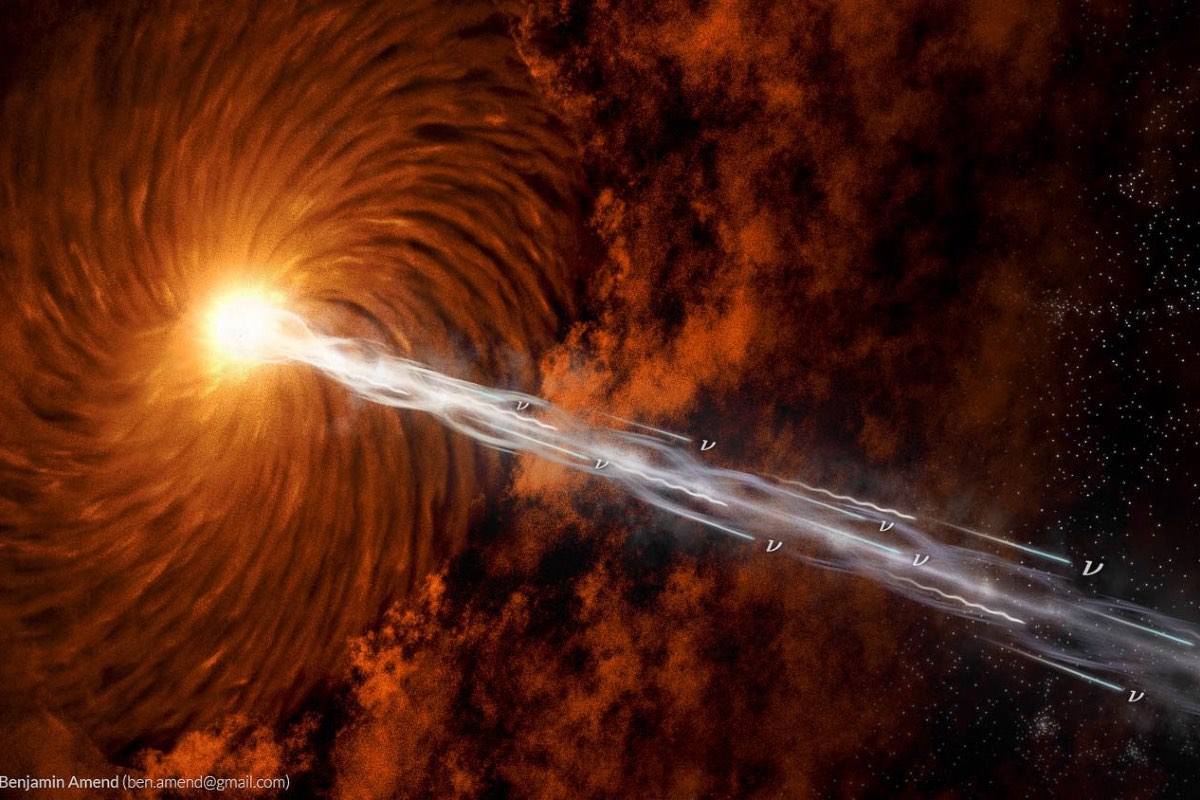
Supermassive black holes with powerful jets of high-energy particles, pointing directly at Earth are called blazars.
-
Analysis of Neutrino That Crashed Into Antarctica Sheds Light on Origin of Cosmic Rays
In a new study, published in Science, researchers have detected a cosmic ray offshoot called a neutrino or ghost particles. These parties are considered so evasive that they interact with anything but as they travel, they don't come in contact with the atoms. Neutrinos are like small particles messengers that have spawned a new field of astronomy c...
-
NASA Probe Spots Hints of Gamma-Ray Cycle in 'Active' Galaxy
Astronomers using data from NASA's Fermi Gamma-ray Space Telescope have detected hints of periodic changes in the brightness of a so-called "active" galaxy, whose emissions are powered by a supersized black hole.


-
Earth Is In Firing Line Of A New Type Of Object: Here's All About Microblazar
The system attracting attention as microblazar is called IRAS 18293-0941. It is estimated to be around 12,000 light years from Earth.
-
Astronomers Use AI To Create Detailed Video Of Supermassive Black Hole Jet
The result allows scientists to continuously track the plasma's movement rather than looking at isolated snapshots.
-
Most Powerful Neutrino Ever Detected May Have Come From a Blazar
A 220 PeV neutrino detected beneath the Mediterranean Sea may have originated from a distant blazar. Simulations suggest these powerful black hole systems can generate ultra-high-energy ghost particles.
-
Scientists Recreate Cosmic ‘Fireballs’ in Lab to Solve Mystery of Missing Gamma Rays
Scientists recreated cosmic plasma beams at CERN to study why certain gamma rays vanish in space. The results showed the beams remain stable, suggesting ancient intergalactic magnetic fields, not beam collapse, hide the signals. The discovery provides new insight into cosmic jets and the universe’s earliest magnetic traces.
-
Twisted Jet Confirms Most Extreme Binary Black Hole System in the Universe
Astronomers have confirmed that the blazar OJ 287 hosts the most extreme binary black hole system ever found. Using a global radio telescope array, they captured an ultra-sharp image showing a dramatically bent jet—evidence of two supermassive black holes locked in orbit. The system’s 12-year flare cycle and jet twists match predictions of a sm...
-
NASA Solves Black Hole Jet X-ray Mystery with IXPE’s Polarization Powers
NASA’s IXPE satellite may have solved a longstanding astrophysical mystery: how are X-rays produced in the extreme jets of supermassive black holes? By observing the blazar BL Lacertae, IXPE recorded low X-ray polarization versus very high optical polarization—confirming Compton scattering as the likely mechanism. This breakthrough supports the...
-
The Universe’s Brightest Lights Have Surprisingly Dark and Mysterious Origins
NASA’s Fermi Gamma-ray Space Telescope has revealed that some of the universe’s brightest light sources originate near supermassive black holes in galaxy centres. These active galactic nuclei emit intense radiation, including gamma rays and X-rays, despite black holes themselves being invisible. Their powerful jets and high-energy emissions cha...
-
New Study Uncovers Shadowy Origins of Universe’s Most Luminous Phenomena
NASA’s Fermi Gamma-ray Space Telescope has revealed that some of the universe’s brightest light sources originate near supermassive black holes in galaxy centres. These active galactic nuclei emit intense radiation, including gamma rays and X-rays, despite black holes themselves being invisible. Their powerful jets and high-energy emissions cha...
-
Powerful Beam From Ancient Black Hole 12.9 Billion Light-Years Away Targets Earth
Supermassive black holes with powerful jets of high-energy particles, pointing directly at Earth are called blazars.
-
Analysis of Neutrino That Crashed Into Antarctica Sheds Light on Origin of Cosmic Rays
In a new study, published in Science, researchers have detected a cosmic ray offshoot called a neutrino or ghost particles. These parties are considered so evasive that they interact with anything but as they travel, they don't come in contact with the atoms. Neutrinos are like small particles messengers that have spawned a new field of astronomy c...
-
NASA Probe Spots Hints of Gamma-Ray Cycle in 'Active' Galaxy
Astronomers using data from NASA's Fermi Gamma-ray Space Telescope have detected hints of periodic changes in the brightness of a so-called "active" galaxy, whose emissions are powered by a supersized black hole.

