



TESS
-
{
- All
- News
- Web Stories
-

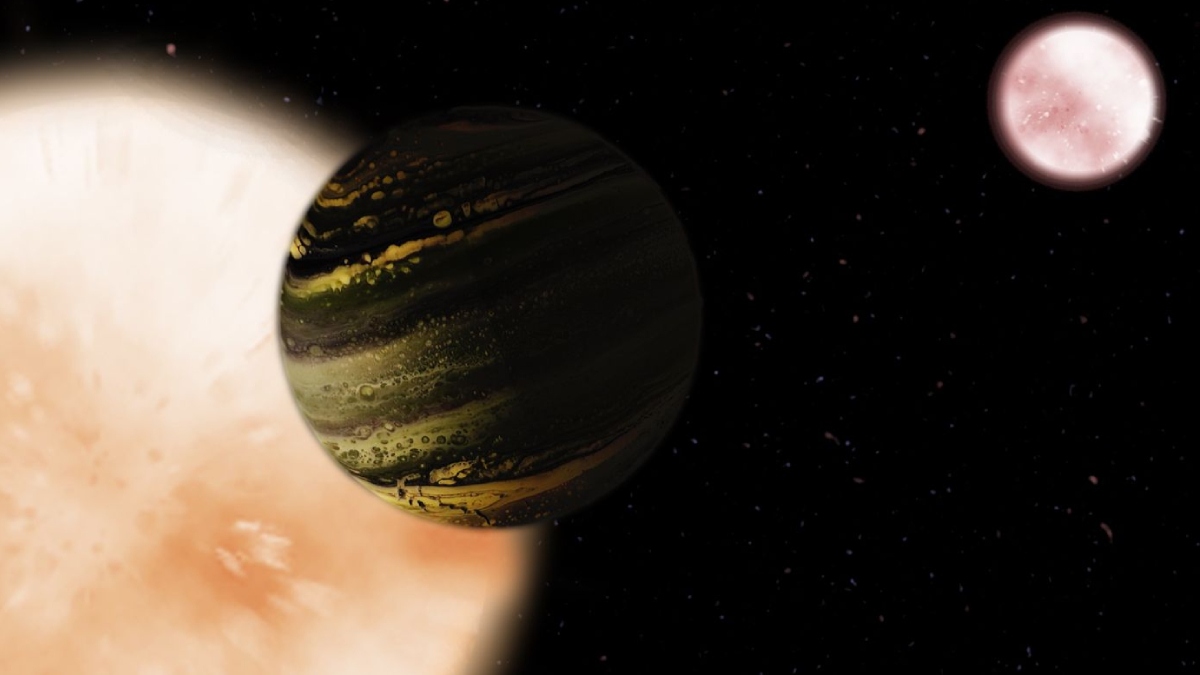
NASA's Satellite Finds Rare Super-Jupiter Orbiting Far from Its Host Star
The mission identified a planet orbiting a distant star using ripples in space-time, instead of its usual planet-hunting method.
-
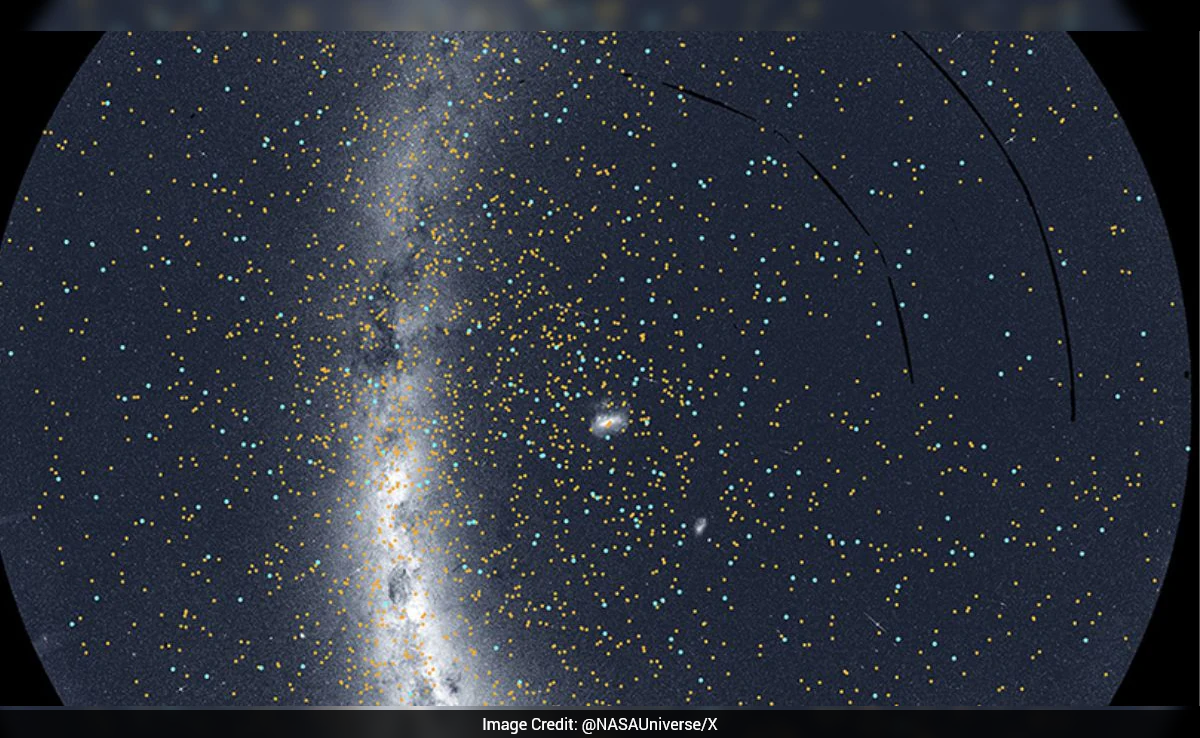
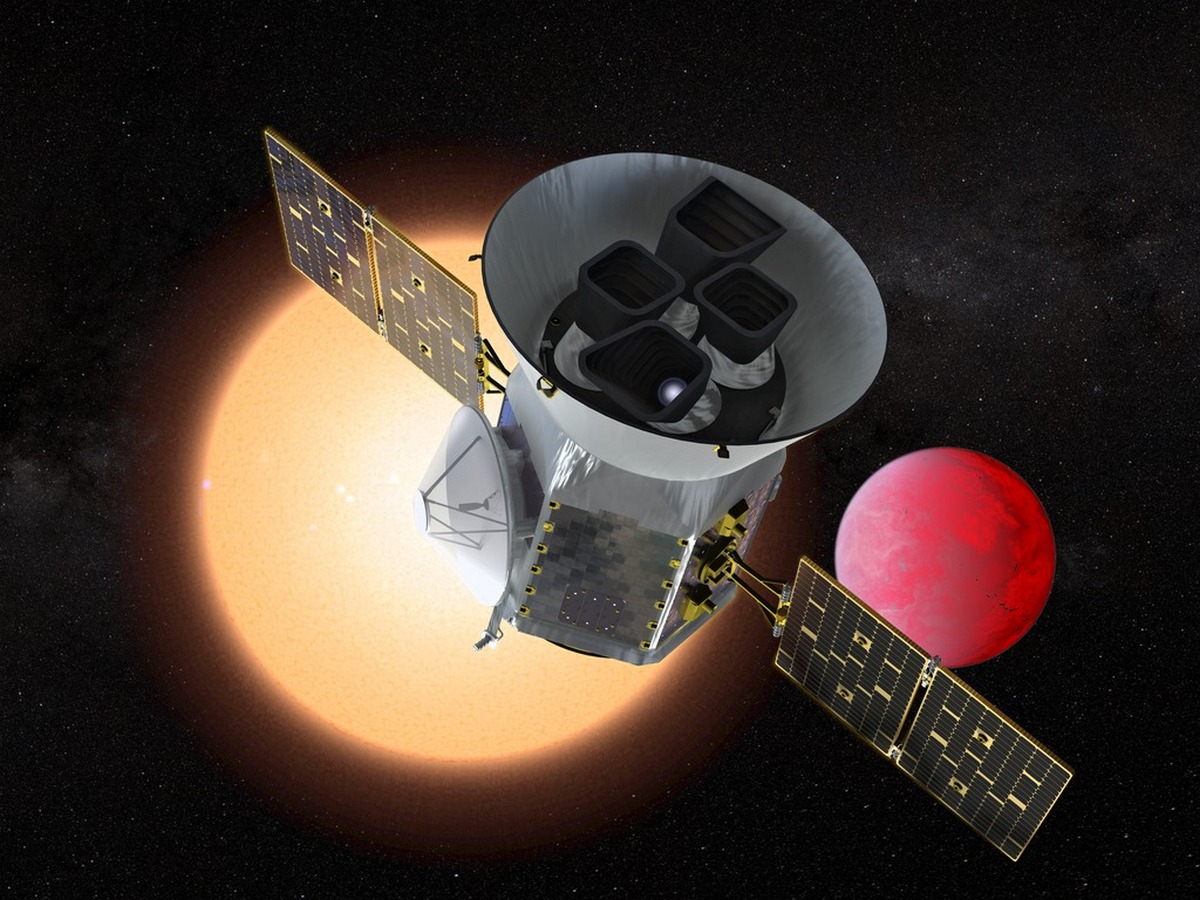
NASA Shares Detailed Space Map Highlighting Nearly 6,000 Exoplanets
NASA said the TESS mission studies large sections of the sky, known as sectors, for about a month at a time using four onboard cameras.
-
Astronomers Discover 27 Potential "Tatooine-Like" Planets Orbiting Two Stars
The potential planets were detected using data from NASA's Transiting Exoplanet Survey Satellite.
-
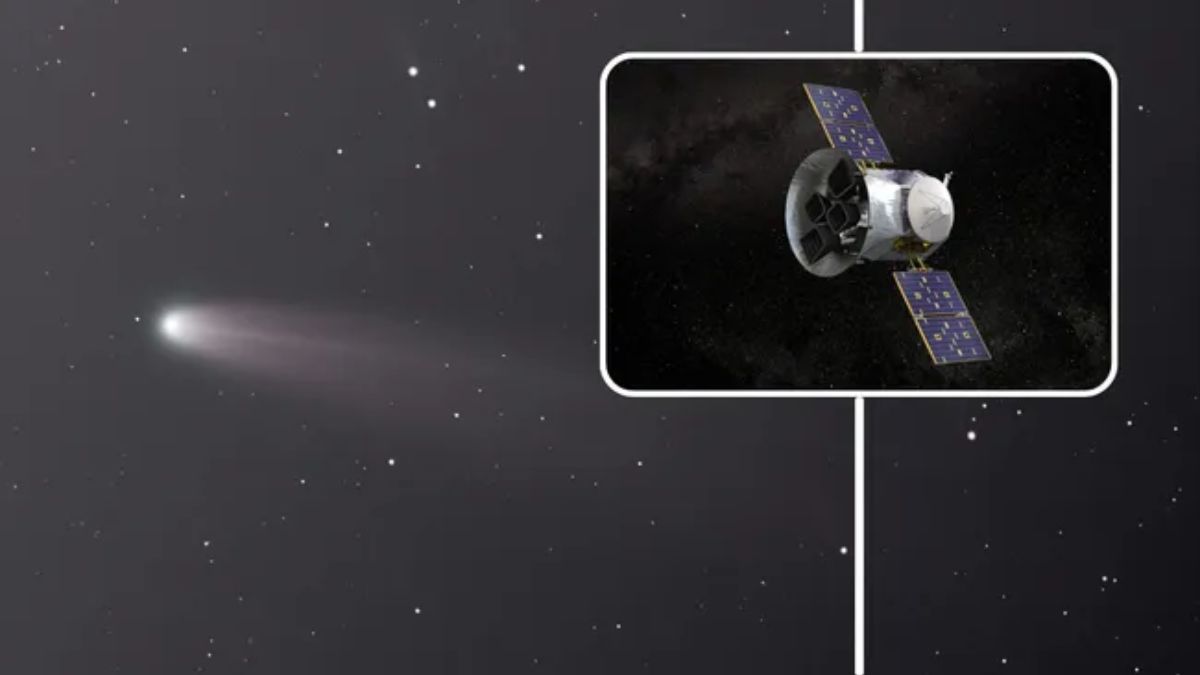
NASA’s TESS Captures First Images of Rare Interstellar Comet 3I/ATLAS
NASA’s Transiting Exoplanet Survey Satellite has captured rare images of interstellar comet 3I/ATLAS, only the third such object ever detected. Observations from January 2026 reveal the comet rotates every 15 hours and produces sunlight-driven jets, behaving much like Solar System comets. Scientists say studying 3I/ATLAS may unlock clues about th...
-
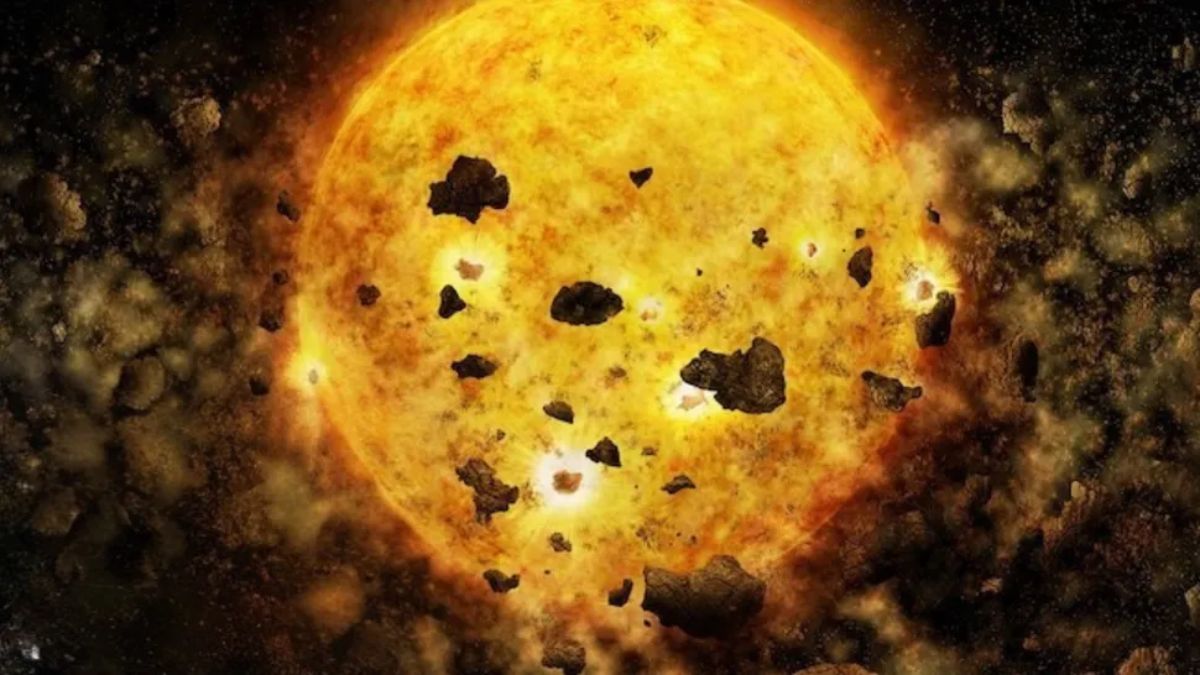
Planet-Eating Stars Offer a Glimpse Into Earth’s Fate as the Sun Nears Its Final Stages
Astronomers studying aging Sun-like stars have found strong evidence that stars consume their closest planets as they evolve. Using data from NASA’s TESS mission, researchers observed fewer planets around older stars, suggesting worlds are destroyed over time. The findings offer a realistic preview of Earth’s fate billions of years from now.
-
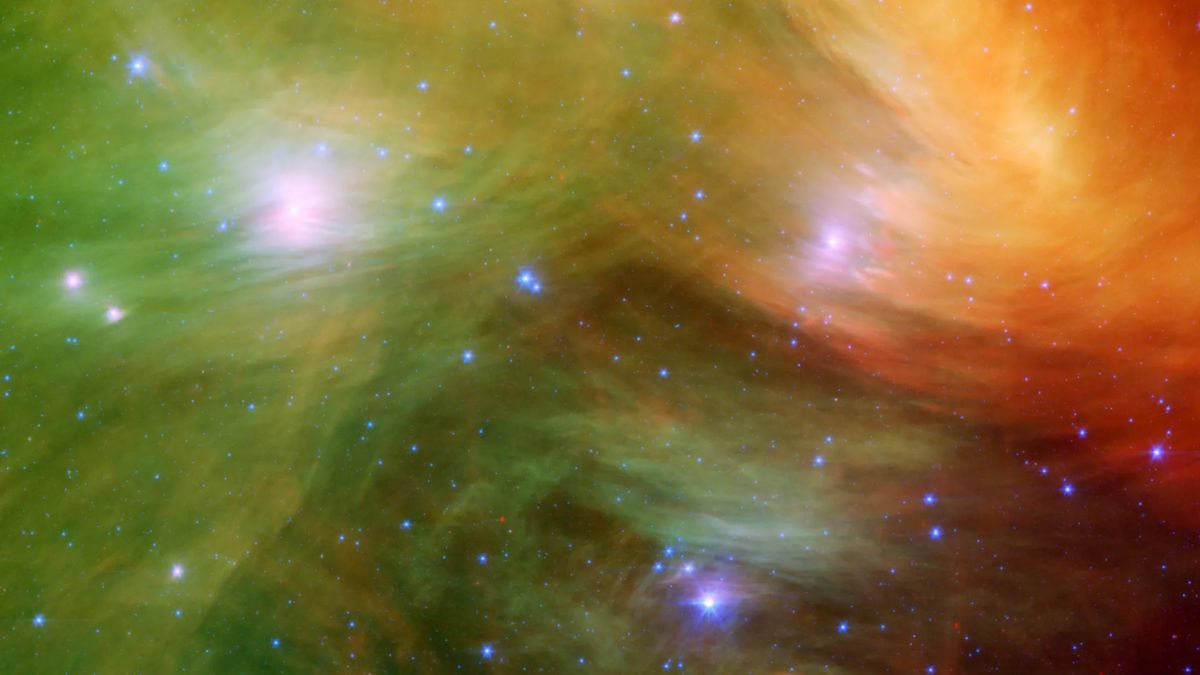
Astronomers Uncover the Vast Greater Pleiades Complex with 3,000 Hidden Stars
Astronomers analyzing Gaia and TESS data have discovered that the famed Pleiades is only the bright center of a much larger stellar complex containing over 3,000 stars. Spanning 2,000 light-years, this vast family reveals how young clusters form, travel, and disperse across the galaxy.
-
Doomed Exoplanet TOI-2109b Spirals Toward Its Star with Three Possible Fates
The gas giant TOI-2109b, over five times Jupiter’s mass, is spiraling closer to its star in a rare planetary death spiral. With a 16-hour orbit and blistering heat, the exoplanet could either plunge into its host star, be torn apart by tidal forces, or evolve into a rocky super-Earth through photoevaporation. NASA’s TESS and ESA’s Cheops data...
-
Astronomers Discover "Water-Rich Super-Earth" Twice As Big As Our Planet
Scientists have discovered a new "super-Earth" that is located about 154 light-years away and is nearly twice as big and four times as massive as our planet.
-
Two New Exoplanets Found Orbiting a Star in Draco Constellation
Astronomers have identified two exoplanets, TOI-1453 b and TOI-1453 c, orbiting a star 250 light-years away in Draco. The planets, a super-Earth and a sub-Neptune, were detected using NASA’s TESS satellite and the HARPS-N spectrograph. TOI-1453 b is a rocky planet orbiting close to its star, while TOI-1453 c is twice Earth’s size and may have a...
-
NASA's TESS Discovers Fastest Disintegrating Planet Ever Seen: What You Need to Know
NASA’s TESS has observed the closest and fastest disintegrating planet, BD+05 4868 Ab, located 141 light-years away. The planet loses a moon’s mass every million years as it is bombarded by its host star. Scientists are examining its massive dust trails, offering rare insights into the composition of terrestrial exoplanets. Researchers from MIT...
-
NASA Uses New Technique to Find a Planet Which Orbits Around Two Different Stars
NASA scientists have found evidence for a new transiting circumbinary planet. The term refers to any planet which orbits around two different stars. The evidence was received using an unprecedented technique.
-
NASA Helped by 17-Year-Old Intern to Find Planet in Habitable Zone
Just three days into his internship, little did 17-year-old Wolf Cukier realise that he is going to make history.
-
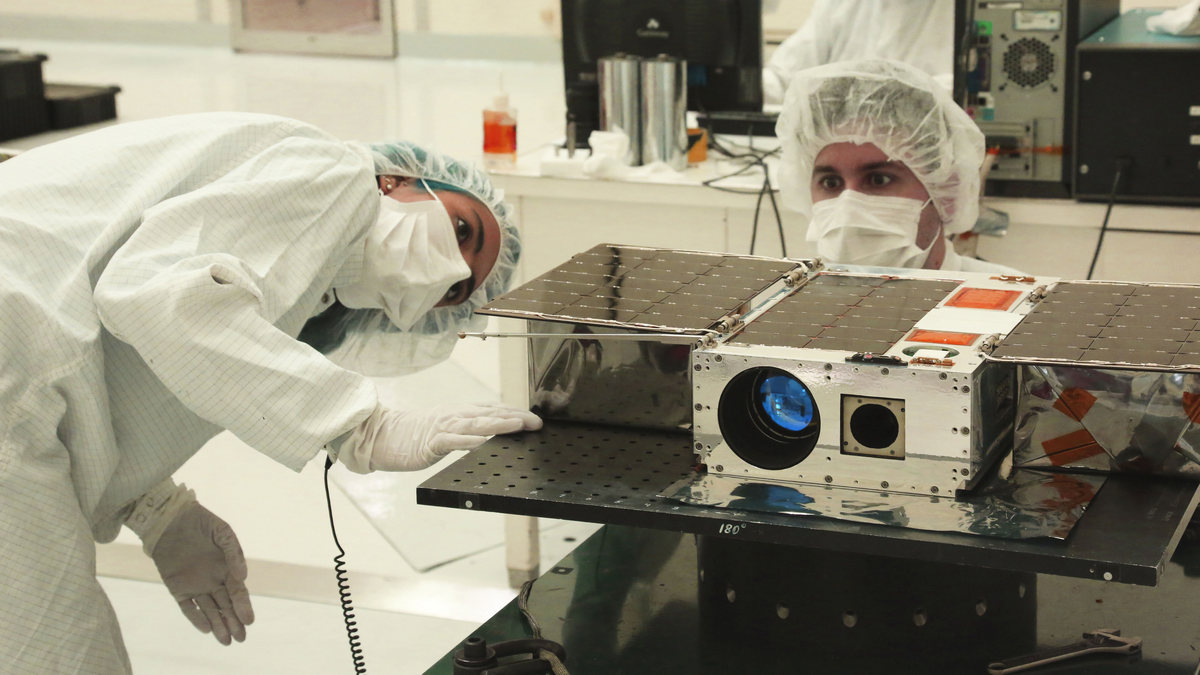
NASA Loses Contact With Asteria Satellite, Meant to Study Distant Planets
Mission operators at NASA's Jet Propulsion Laboratory in Pasadena, California, said in a statement that the last communication with the Asteria (Arcsecond Space Telescope Enabling Research in Astrophysics) was in December and they will attempt to contact it till March.
-
NASA's Planet Hunting Telescope Joins Search for Intelligent Aliens
Scientists working on NASA's Transiting Exoplanet Survey Satellite (TESS) have teamed up with Breakthrough Listen, an extraterrestrial intelligence search founded in 2015 by Russian billionaire and internet pioneer Yuri Milner.
-
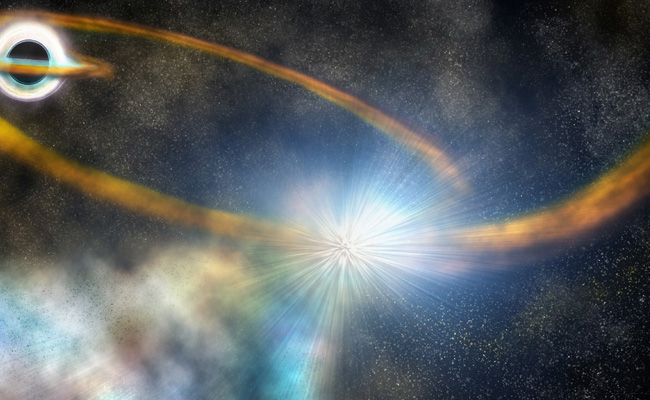
Caught In The Act: A Black Hole Rips Apart An Unfortunate Star
Scientists have captured a view of a colossal black hole violently ripping apart a doomed star, illustrating a extraordinary and chaotic cosmic event from beginning to end for the first time using NASA's planet-hunting telescope.













-
NASA's Satellite Finds Rare Super-Jupiter Orbiting Far from Its Host Star
The mission identified a planet orbiting a distant star using ripples in space-time, instead of its usual planet-hunting method.
-
NASA Shares Detailed Space Map Highlighting Nearly 6,000 Exoplanets
NASA said the TESS mission studies large sections of the sky, known as sectors, for about a month at a time using four onboard cameras.
-
Astronomers Discover 27 Potential "Tatooine-Like" Planets Orbiting Two Stars
The potential planets were detected using data from NASA's Transiting Exoplanet Survey Satellite.
-
NASA’s TESS Captures First Images of Rare Interstellar Comet 3I/ATLAS
NASA’s Transiting Exoplanet Survey Satellite has captured rare images of interstellar comet 3I/ATLAS, only the third such object ever detected. Observations from January 2026 reveal the comet rotates every 15 hours and produces sunlight-driven jets, behaving much like Solar System comets. Scientists say studying 3I/ATLAS may unlock clues about th...
-
Planet-Eating Stars Offer a Glimpse Into Earth’s Fate as the Sun Nears Its Final Stages
Astronomers studying aging Sun-like stars have found strong evidence that stars consume their closest planets as they evolve. Using data from NASA’s TESS mission, researchers observed fewer planets around older stars, suggesting worlds are destroyed over time. The findings offer a realistic preview of Earth’s fate billions of years from now.
-
Astronomers Uncover the Vast Greater Pleiades Complex with 3,000 Hidden Stars
Astronomers analyzing Gaia and TESS data have discovered that the famed Pleiades is only the bright center of a much larger stellar complex containing over 3,000 stars. Spanning 2,000 light-years, this vast family reveals how young clusters form, travel, and disperse across the galaxy.
-
Doomed Exoplanet TOI-2109b Spirals Toward Its Star with Three Possible Fates
The gas giant TOI-2109b, over five times Jupiter’s mass, is spiraling closer to its star in a rare planetary death spiral. With a 16-hour orbit and blistering heat, the exoplanet could either plunge into its host star, be torn apart by tidal forces, or evolve into a rocky super-Earth through photoevaporation. NASA’s TESS and ESA’s Cheops data...
-
Astronomers Discover "Water-Rich Super-Earth" Twice As Big As Our Planet
Scientists have discovered a new "super-Earth" that is located about 154 light-years away and is nearly twice as big and four times as massive as our planet.
-
Two New Exoplanets Found Orbiting a Star in Draco Constellation
Astronomers have identified two exoplanets, TOI-1453 b and TOI-1453 c, orbiting a star 250 light-years away in Draco. The planets, a super-Earth and a sub-Neptune, were detected using NASA’s TESS satellite and the HARPS-N spectrograph. TOI-1453 b is a rocky planet orbiting close to its star, while TOI-1453 c is twice Earth’s size and may have a...
-
NASA's TESS Discovers Fastest Disintegrating Planet Ever Seen: What You Need to Know
NASA’s TESS has observed the closest and fastest disintegrating planet, BD+05 4868 Ab, located 141 light-years away. The planet loses a moon’s mass every million years as it is bombarded by its host star. Scientists are examining its massive dust trails, offering rare insights into the composition of terrestrial exoplanets. Researchers from MIT...
-
NASA Uses New Technique to Find a Planet Which Orbits Around Two Different Stars
NASA scientists have found evidence for a new transiting circumbinary planet. The term refers to any planet which orbits around two different stars. The evidence was received using an unprecedented technique.
-
NASA Helped by 17-Year-Old Intern to Find Planet in Habitable Zone
Just three days into his internship, little did 17-year-old Wolf Cukier realise that he is going to make history.
-
NASA Loses Contact With Asteria Satellite, Meant to Study Distant Planets
Mission operators at NASA's Jet Propulsion Laboratory in Pasadena, California, said in a statement that the last communication with the Asteria (Arcsecond Space Telescope Enabling Research in Astrophysics) was in December and they will attempt to contact it till March.
-
NASA's Planet Hunting Telescope Joins Search for Intelligent Aliens
Scientists working on NASA's Transiting Exoplanet Survey Satellite (TESS) have teamed up with Breakthrough Listen, an extraterrestrial intelligence search founded in 2015 by Russian billionaire and internet pioneer Yuri Milner.
-
Caught In The Act: A Black Hole Rips Apart An Unfortunate Star
Scientists have captured a view of a colossal black hole violently ripping apart a doomed star, illustrating a extraordinary and chaotic cosmic event from beginning to end for the first time using NASA's planet-hunting telescope.

