





- Researchers propose solar geoengineering to reduce El Nino's extreme weather impacts
- The method involves injecting aerosols to brighten marine clouds and reflect sunlight
- Simulations showed the technique could increase cooling effects by up to 40 percent
A group of researchers has suggested a way to reduce the possible effects of a strong El Nino event. The idea involves using particles in clouds to reflect sunlight and help cool the Earth's surface, reported NYPost.
Researchers at UC San Diego have proposed the plan in a study published in the journal Science Advances. The proposal involves solar geoengineering, which aims to reduce extreme weather impacts by changing how sunlight interacts with the atmosphere.
The researchers, led by UC San Diego climate scientist Kate Ricke, wrote that solar geoengineering could theoretically be used to reduce extreme events by targeting seasonal-to-multiyear events such as El Nino.
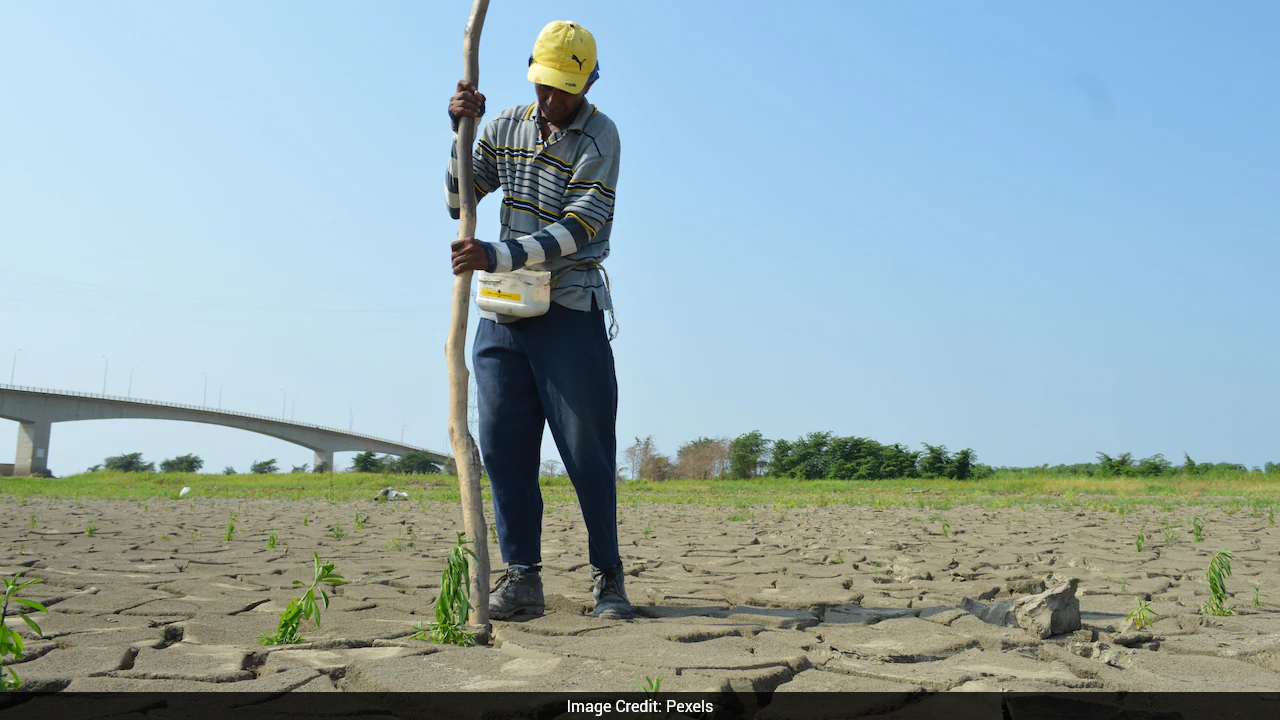
Super El Nino is linked to unusually warm temperatures on the Pacific Ocean's surface. Researchers said it could lead to extreme weather events, including droughts, heavy rainfall, and heatwaves. They added that the damage from such events could cost the global economy trillions of dollars.
Some researchers have blamed climate change for increasing the effects of El Nino, while UN chief Antonio Guterres warned that the world must treat it as an urgent climate warning. However, the World Meteorological Association said there is no evidence that climate change increases the frequency or intensity of El Nino events.
The UC San Diego researchers suggested that the effects of El Nino could be reduced through methods such as dimming sunlight. The proposed method would involve injecting special aerosols into the Earth's stratosphere to make clouds over the sea brighter, a process known as marine cloud brightening.
The researchers explained that brighter clouds could reflect sunlight back into space, helping cool the surface below.
They said this form of geoengineering could theoretically reduce extreme effects linked to seasonal weather events like El Nino and provide a targeted alternative to the forced response to greenhouse gases.
However, the plan also faces concerns. Jessica Wan, a coauthor and University of Chicago postdoctoral researcher, said that to reduce long-term climate risks, the method would need to be used continuously for an indefinite period.
She said that if natural climate changes could be targeted, people could receive some benefits of geoengineering without using it indefinitely.
To study whether the method could work for shorter periods, the team used findings from a 2023 study that showed aerosols from bushfire smoke over the Pacific Ocean had brightened clouds and reflected solar radiation back into space.
The researchers simulated what could happen if the sun-blocking method was used in the South East Pacific during major El Nino events that started in 2015 and 1997.
They found that the method could increase cooling and drying effects by 40%.
However, many climate scientists have raised concerns about geoengineering, saying it could distract from important steps such as reducing carbon emissions. They also said the possible side effects of solar dimming are not known.
Andrew Dessler, a Texas A&M University professor of atmospheric science who was not involved in the research, said that the models are imperfect and there is a possibility of creating an unexpected problem that could be worse than the issue being solved.
Currently, there are no concrete plans to test this sun-dimming method during the current El Nino. However, Ricke said it is important to consider possible solutions amid growing climate threats.
Ricke said that more understanding is needed, but if the method can be used along with other risk-reduction tools to reduce El Nino impacts, it should be considered.
Track Latest News Live on NDTV.com and get news updates from India and around the world

