





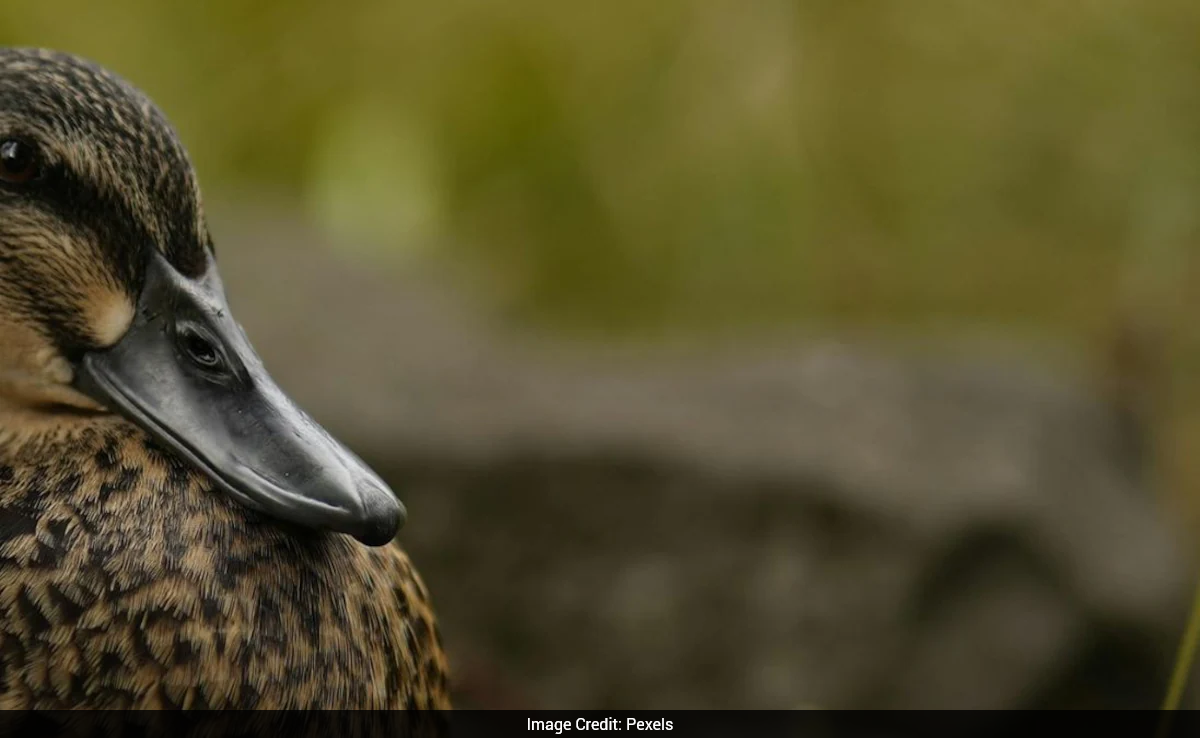
- New fossils of Obdurodon insignis found in South Australia reveal ancient platypus traits
- Obdurodon insignis had strong, well-developed teeth unlike modern platypuses
- Fossils include molars, premolars, and a scapulocoracoid forelimb bone
A new fossil discovery in the remote outback of South Australia has given scientists fresh insights into one of the oldest known platypus species. The findings show that ancient platypuses once had strong, well-formed teeth and a more powerful bite than the platypuses seen today, reported BBC.
Around 25 million years ago, the now-dry outback of South Australia was filled with waterways. These rivers and lakes supported a wide variety of animals, including lungfish, flamingos, and freshwater dolphins. Among them lived the ancestors of modern platypuses, which are now found only in eastern Australia.
In a study published earlier this week in the journal Australian Zoologist, researchers from Flinders University, Trevor Worthy, Gen Conway, and Aaron Camens, described three newly discovered fossils belonging to the species Obdurodon insignis. This species was previously known only from very limited remains first described in 1975.
Aaron Camens explained that platypuses are extremely rare in the fossil record and are often represented only by teeth, making the discovery of new material important for understanding these unique mammals.
The study found that Obdurodon insignis had well-developed teeth, including molars and premolars, which it likely retained into adulthood. This differs from modern platypuses, which are born with small, undeveloped teeth that they lose as they grow, replacing them with hard pads.
The newly discovered fossils include a lower first molar, an upper second premolar, and part of the shoulder structure known as the scapulocoracoid. Earlier, scientists had only fragments of a jaw, pelvis, and a few molar pieces.
Trevor Worthy explained that the new premolar shows the species had large, pointed front teeth. Combined with strong molars, these teeth would have allowed it to crush hard-shelled animals such as yabbies, a type of crayfish.
The fossils have helped scientists build a clearer picture of what Obdurodon insignis looked like. By comparing these remains with a well-preserved skull of a related species, Obdurodon dicksoni, researchers now better understand these ancient animals.
Worthy noted that the discovery of part of the scapulocoracoid revealed a forelimb structure very similar to that of modern platypuses. This suggests that Obdurodon insignis could swim just as effectively. He added that the species was very similar to modern platypuses but slightly larger and still had teeth.
For over 20 years, the Flinders University team has explored the South Australian outback in search of fossils. At the same site where these remains were found, and nearby areas of similar age, researchers have uncovered fossils of many species, including fish, birds, reptiles, and other mammals like freshwater dolphins.
These discoveries point to a once tropical, rainforest-like environment filled with lakes and rivers.
The limited number of Obdurodon insignis fossils suggests it was not common in these waterways. Like modern platypuses, it was likely a shy animal that spent much of its time in underground burrows, coming out at dawn and dusk to feed on aquatic invertebrates such as yabbies.
Worthy stated that the fossils show an ancient toothed platypus lived in these lakes and rivers, as indicated by remains that settled at the bottom of a lake 25 million years ago. He added that studying this lost ecosystem has been a long-term effort, and discoveries like these fossils continue to motivate further exploration, as new findings may still emerge through natural erosion or continued research.
Track Latest News Live on NDTV.com and get news updates from India and around the world

