





Researchers at Harvard University have achieved a historic breakthrough by keeping lab-grown human brain tissue alive and maturing for seven years. They have smashed the previous record of 694 days. Known as brain organoids, these tiny, peppercorn-sized clumps of cells offer an unprecedented look into how the human mind develops over a long period of time. The study was published in Nature last Wednesday.
"The data indicate [s] that human brain organoids record the passage of time following endogenous milestones and using similar epigenetic mechanisms," the study claims.
"The work demonstrates that a diversity of cells in organoids can develop over considerable time periods and are capable of both recording and recalling their developmental age."
"These systems provide a wealth of data on largely inscrutable periods of postnatal development of the human brain."
Also read | Scientists Reveal How Sun's Ancient History Shaped Earth's Unique Climate
The study has become a major milestone, as previously, scientists struggled to keep brain organoids alive past a few months, and they could only study the early embryonic development.
By refining the nutrient solution to support natural cellular signals, the research team kept over one million brain cells thriving and firing electrical signals for years.
They analysed the behaviour of 34 organoids at different time points, such as six months and five years. They stated that there was a striking similarity between human brain cells and the artificial cells.
For the monitoring, the scientists used DNA methylation profiling, which is a chemical process that happens during development.
Also read | Startup Founder Shares How Interns Helped Him Escape Isolation And Burnout: "I'm Happier"
What makes this discovery truly remarkable is that these miniature brains recorded the "passage of time". Instead of stalling, their internal genetic clocks kept ticking forward, perfectly mirroring the developmental stages of a human brain from early pregnancy into early childhood.
"The methylation clock told us that these organoids were basically doing things that the endogenous brain would do," Arlotta, who is a principal faculty member of the Harvard Stem Cell Institute, said in a statement.
The organoid cells actually retained a molecular memory of their previous developmental steps. When older cells were placed into a younger environment, they immediately skipped ahead to produce late-stage brain cells rather than starting over.
According to the report, the brain organoids have since been destroyed. However, Arlotta believes that the cells could last longer. This study suggests that scientists can now watch complex brain maturation unfold in real time, which could accelerate research into neurodevelopmental conditions, ageing, and brain disorders like autism or Alzheimer's.
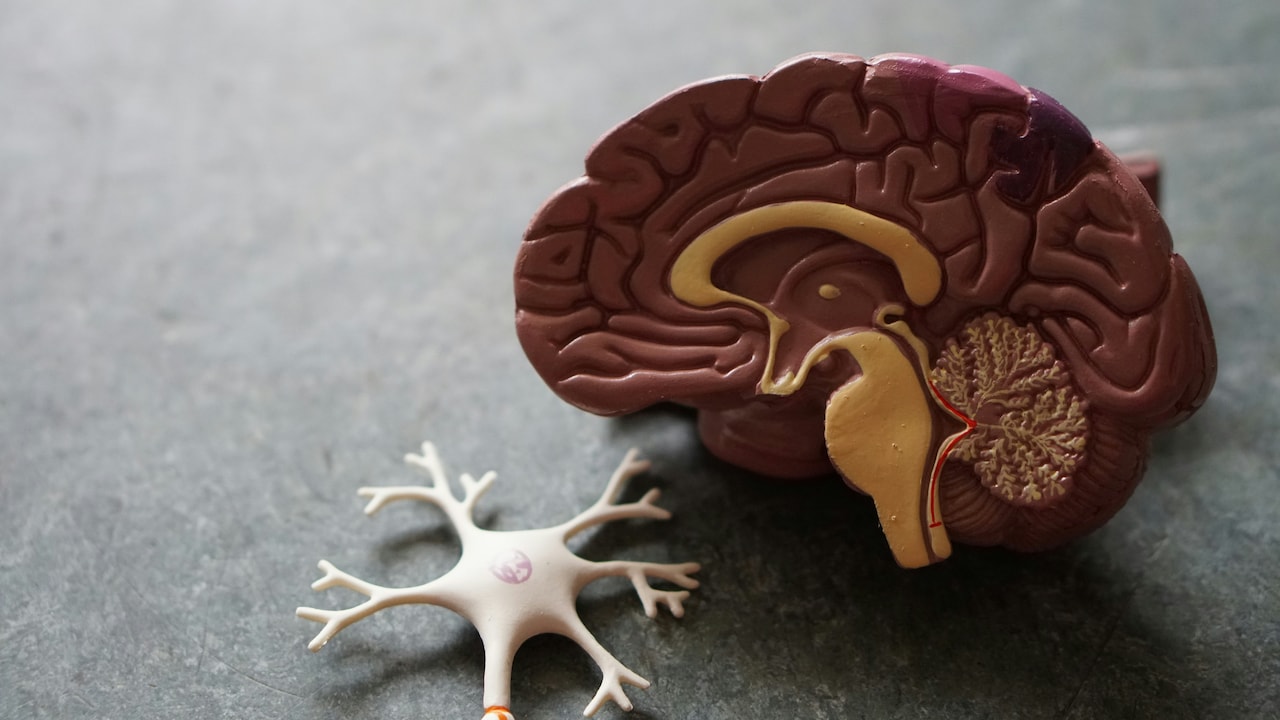
Photo Credit: Unsplash
"The goal is not to see how far we can possibly go," Arlotta said.
"Now we know that you can go quite far, and I think you can do a lot with what we have already achieved. Now we have to figure out how to make it happen faster."
"We can unlock a whole spectrum of human brain biology that we didn't see before. We have shown it's possible - a proof of principle - but clearly we need to figure out how to use the newly gained knowledge to enable understanding of later stages of development without having to wait years for organoids to grow."
Track Latest News Live on NDTV.com and get news updates from India and around the world

