





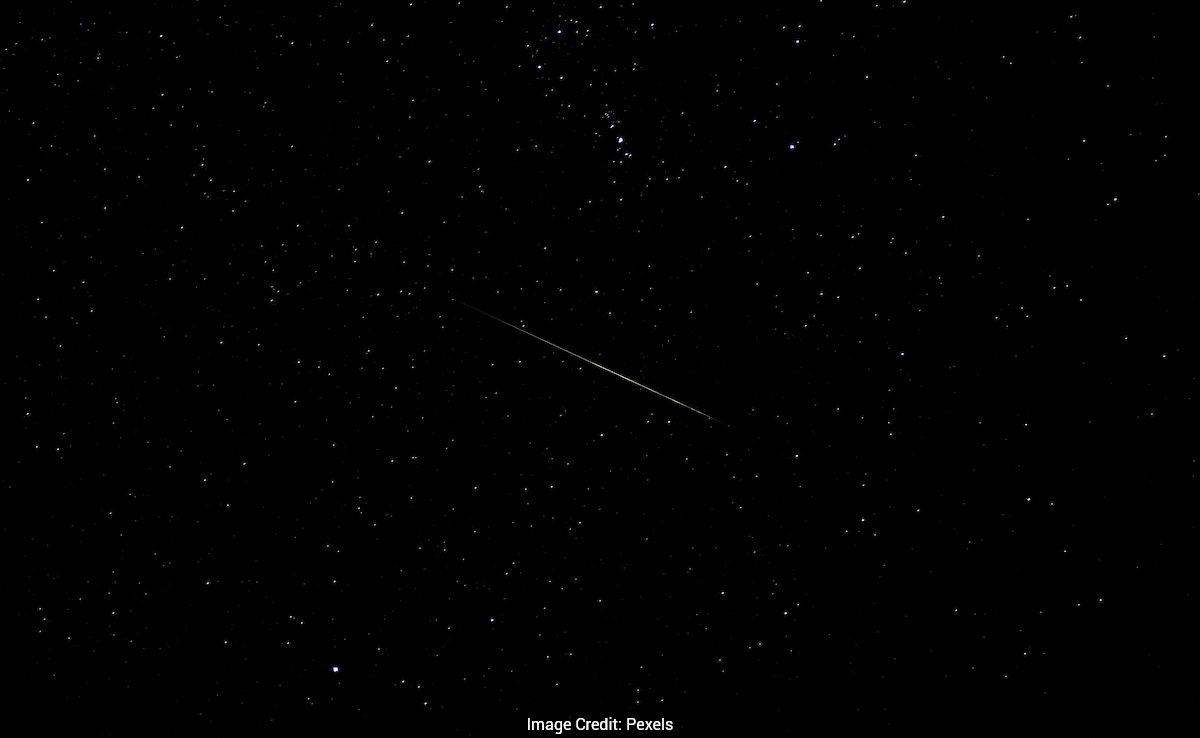
Skywatchers are in for a treat as the Geminid meteor shower, one of the most impressive celestial events of the year, reaches its peak this weekend. The annual meteor display will be most active overnight on Saturday, December 13, and continue into the early hours of Sunday, December 14, offering a stunning show of shooting stars for those who look up at the right time, reported Space.com.
Although Geminid meteors can be visible throughout the night, the best time to view them is from after midnight until before dawn. These early hours typically see the highest number of meteors. This is because the constellation Gemini, from which the meteors appear to emanate, rises higher in the sky as the night progresses. At this time, Earth passes through the debris stream left by asteroid 3200 Phaethon, causing more meteors to enter the atmosphere and burn up.
If the sky is clear and clear of sunlight, viewers can see approximately 150 meteors an hour during peak hours.
The Geminid meteor shower usually begins in the evening, so it's not necessary to stay up all night to see it. However, those who venture out early on the morning of December 14th may have a better chance of seeing brighter meteors and longer streaks of light, making the experience even more memorable.
This meteor shower is named after the Gemini constellation because the meteors appear to come from that direction. Gemini is located northeast of the Orion constellation and is found between the constellations Taurus and Cancer. Its two bright stars-Castor and Pollux-make it easy to identify, and are considered the heads of the twins.
Experts recommend not looking directly at Gemini's radiant point, as the meteors appear smaller there and may be missed. Instead, focus on the darkest part of the sky a short distance from Gemini and look for long, impressive shooting stars in the surrounding constellations.
For the best experience, dress warmly and allow at least 30 minutes for your eyes to adjust to the darkness. After that, sit back and enjoy one of the most reliable and beautiful celestial events of the year.
Track Latest News Live on NDTV.com and get news updates from India and around the world

