




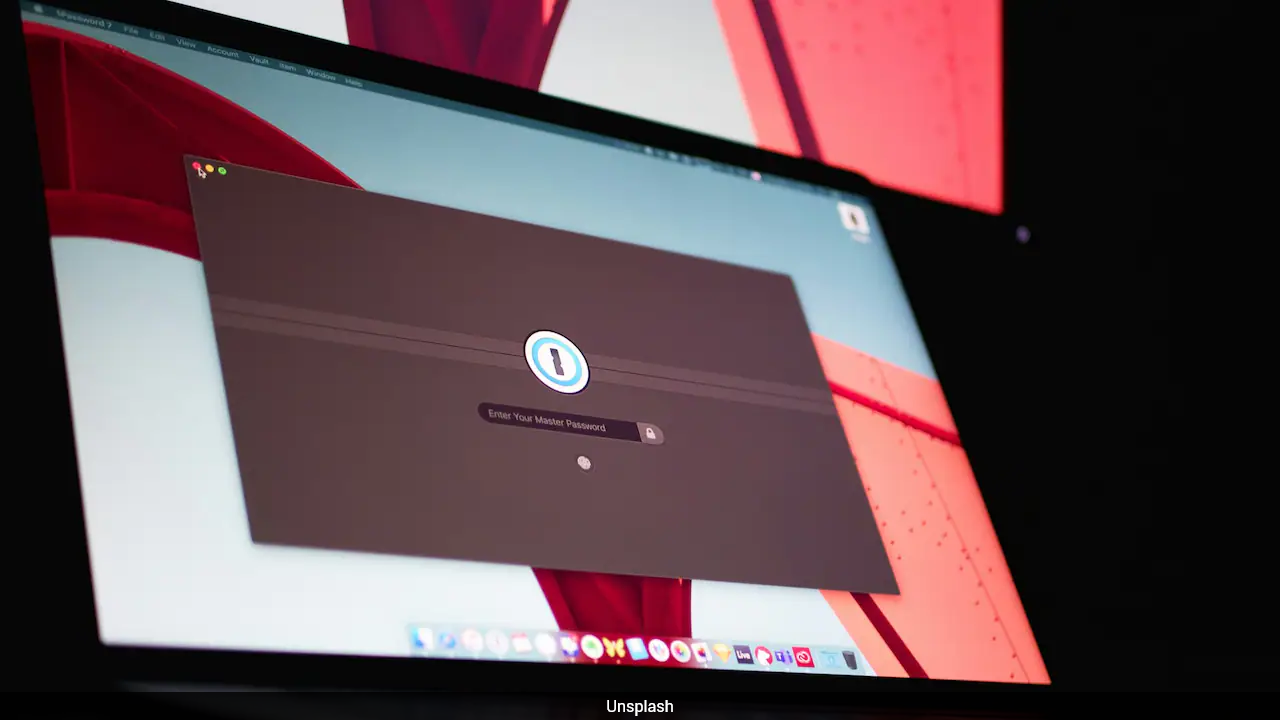
A viral post on X has started a big debate about passwords. It claims that adding a comma to your password can protect you if your details are leaked in a data breach. The post was shared by William Alves, known as @lavemowill on X, on November 12, 2026. It was written in Portuguese and said: "Always put a comma (,) in your passwords. If they ever end up in a data leak, it'll break the CSV."
The idea is based on how CSV files work. CSV stands for Comma-Separated Values. These files use commas to separate different pieces of information, like username, email and password.
The claim says that if a leaked file is exported as a CSV without proper formatting, a comma inside a password could be mistaken for a separator. That could push the data into the wrong columns and mess up the file.
The post quickly went viral. It was shared by AGTP Insights, an account that explains technology and cybersecurity topics. According to figures shared by AGTP Insights, the post got around 15 million views, 60,000 likes, 8,500 quote posts and 6,900 reposts.
Grok, the AI chatbot on X, replied that the trick could work if the CSV file did not use quotes around fields. In that case, the comma could shift the columns.
A viral post claiming a comma in your password will break hackers' CSV files just got 5.7M views on X. Here's what you need to know. William Alves (@lavemowill) posted it in Portuguese on Nov 12, 2026. It reads: "Always put a comma (,) in your passwords. If they ever end up in a data leak, it'll break the CSV." He ended with "Confirm @grok?" The post drew about 19K likes, 8.5K quotes and 1.9K reposts. Grok replied that it works if the CSV doesn't use quotes around fields. Then the comma shifts the columns and messes up the file. It called it a classic trick to mess with anyone trying to parse the leak. That's only half the story. CSV files use commas as delimiters, so a badly made export could split a password with a comma into extra columns. But properly formatted CSV wraps such fields in quotes, and most programming languages have built-in libraries that parse them correctly. Security researchers and developers replying say you can't rely on it. One called it an internet myth that doesn't work in real breaches. There's a bigger point too. Decent systems store hashed passwords, not plain text, so the comma doesn't change anything except that your password contains a comma. Also, some sites may not even allow commas in passwords. The post spawned copycats. Many people pasted the same text and tagged Grok. Others joked about passwords like pass,word and 1,2345. One user suggested a semicolon instead. Posts in Spanish, Japanese, Korean and Chinese spread it further. Key numbers: - 5.7M views on the original post - About 19K likes - 8.5K quote posts - 1.9K reposts - Posted 3:06 AM, Nov 12, 2026 Bottom line: a comma won't protect your password in a breach. Long, unique passwords and a password manager still do.
— AGTP (@AGTPinsights) November 12, 2026
But experts and developers say you should not rely on this trick.
A properly formatted CSV file puts fields with commas inside quotes, like "pass,word". Most modern software and programming languages can read that correctly. So the file would not break.
There is another big problem. Good websites do not store passwords as plain text. They store a hashed version, which is a scrambled code. In that case, a comma in the password makes no difference to a hacker reading a leaked file.
Security experts also point out that some websites do not even allow commas in passwords.
So what should you do instead? Experts say use a long, unique password for every account. Use a password manager to remember them. And turn on two-factor authentication where possible.
A comma can be part of a strong password, but on its own it will not stop hackers.
Track Latest News Live on NDTV.com and get news updates from India and around the world

