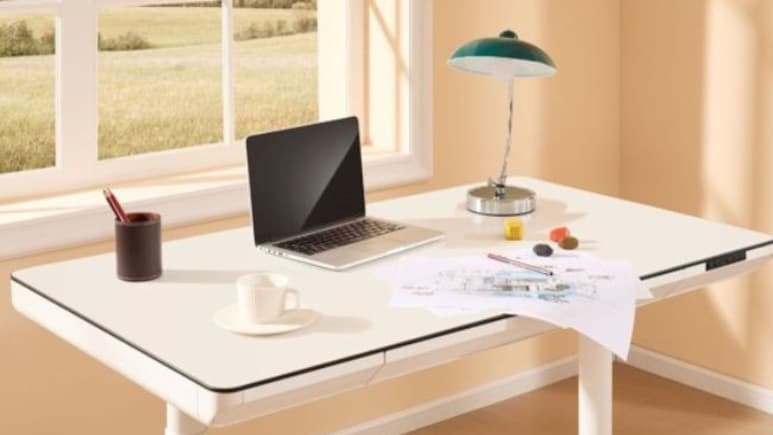
How often do you get up from your desk during the workday, apart from grabbing a cup of coffee or attending a meeting? For most people, the answer is simple: not enough.
Workdays today are no longer defined by movement. Whether at home or in the office, hours pass in the same seated position, through meetings, emails, and endless screen time. What feels like routine convenience is quietly becoming one of the most overlooked lifestyle concerns. Many Indians associate declining health with poor diet or excessive screen exposure. But the more immediate issue may be far simpler: we are sitting too much, and our workspaces are built to keep us that way.
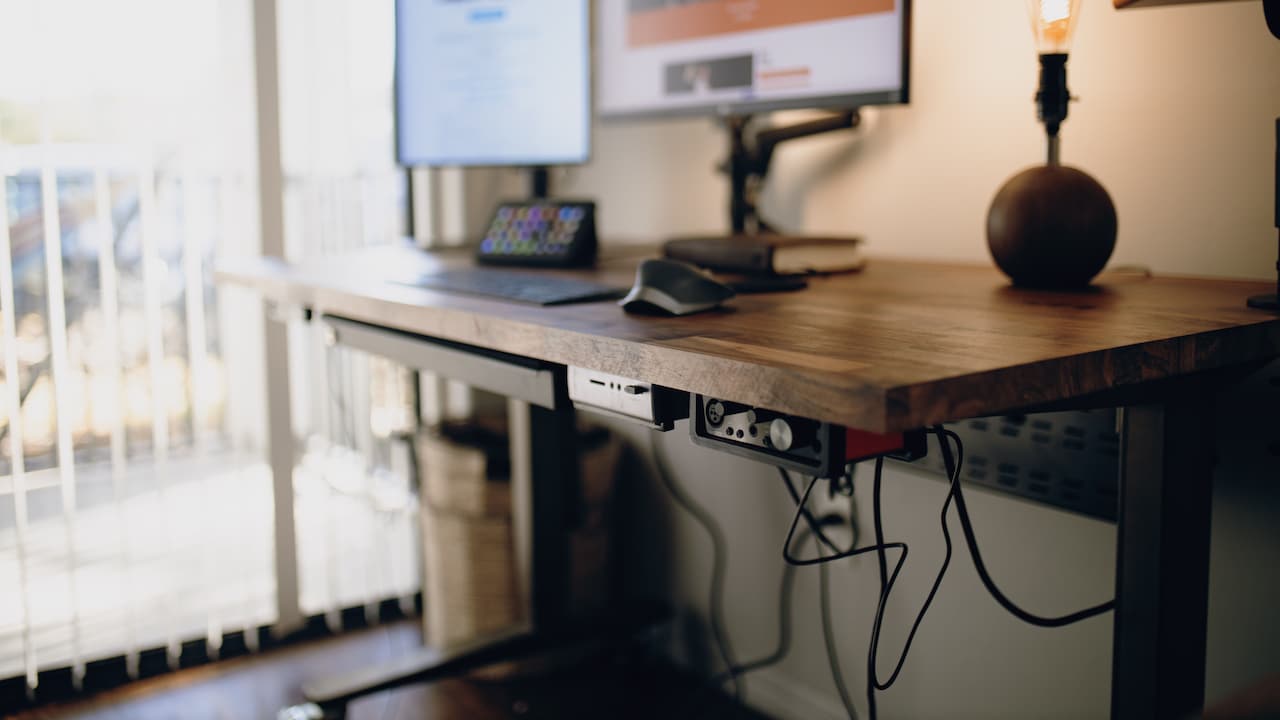
A height-adjustable desk setup is designed for modern home and office workspaces.
Photo Credit: Pexels
According to a National Institutes of Health-backed study*, over 77 million adults in India are affected by lifestyle diseases linked to urbanisation, dietary patterns, and increasingly sedentary habits. The concern isn't just how long people work, it's how little they move while doing it.
A Problem Hiding In Plain Sight
The rise of work-from-home culture may have reduced commutes, but it has also removed incidental movement, walking between meetings, stepping out for breaks, or simply changing environments. At home, most setups remain static. Dining tables, compact desks, or even beds have become workstations. Over time, these fixed arrangements reinforce one behaviour: sitting for long, uninterrupted stretches. The result is not just physical fatigue but reduced focus and lower sustained productivity.
Why Movement Is Entering The Workspace Conversation
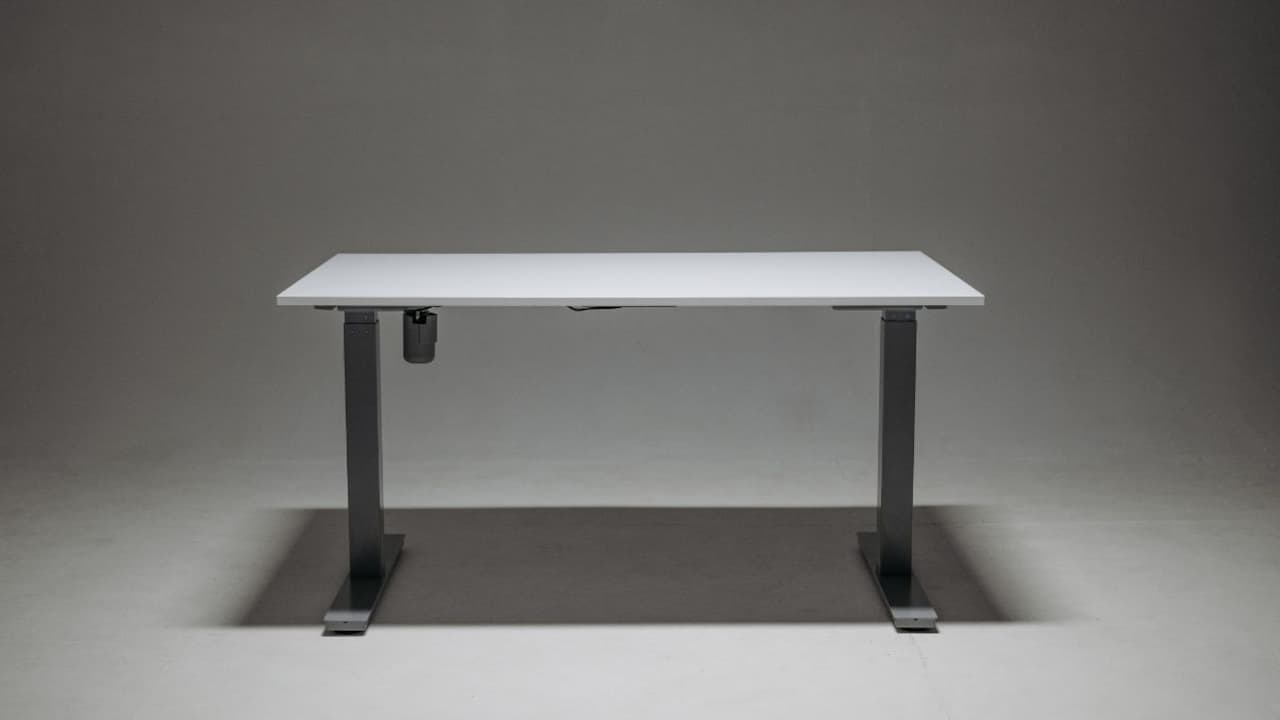
An ergonomic sit-stand desk designed to encourage movement during long work hours.
Photo Credit: Pexels
Globally, workplaces have already begun responding to this challenge. Height-adjustable desks, once confined to corporate offices, are now making their way into home offices. Their appeal lies in simplicity. They don't demand a change in routine; they enable it. A 12-month study by Steelcase found that users of height-adjustable desks reported a 65% increase in productivity and improved concentration, alongside better overall comfort. The takeaway is simple: movement supports performance. Moreover, another study from the University of Waterloo stated that 70% of employees using sit-stand desks reported lower stress levels and a 60% increase in energy levels throughout the day. Instead of rigid workstations, the focus is shifting towards setups that allow users to alternate between sitting and standing throughout the day.
A Lifestyle Shift, Not Just A Wellness Trend
This shift is not about turning work into a fitness routine. It's about integrating small, consistent movements into an otherwise sedentary day. Standing during calls, adjusting desk height between tasks, or simply breaking postural monotony can make a measurable difference over time. For Indian households, this need is amplified by spatial constraints. With the rise of compact homes and multifunctional layouts, furniture is expected to do more without occupying additional space.
According to the Multifunctional Furniture Market (2024 - 2030) Report by Grand View Research, the global multifunctional furniture market is projected to reach USD 11.2 billion by 2030, driven by compact living, rising incomes, and the continued expansion of remote work. The demand reflects a clear shift: furniture must now adapt to lifestyle, not the other way around.
Where Indian Workspaces Are Catching Up
While global organisations have integrated standing desks into office ecosystems for years, adoption in Indian homes is still evolving. However, the direction is clear. Hybrid work is no longer temporary. Homes are now long-term work environments for many, and expectations for furniture are changing accordingly. A single table often serves multiple purposes: work, study, dining, and even leisure. As a result, flexibility is no longer optional; it is essential.
Where GreenSoul Fits Into The Shift
As this category grows, a few brands are focusing on making such solutions more practical for Indian users. GreenSoul, known for ergonomic work setups, has expanded into height-adjustable desks designed specifically for hybrid lifestyles. What stands out is not just the concept, but how it is adapted for everyday use. Their desks come equipped with electric motor adjustment, allowing smooth and near-silent transitions between sitting and standing. Features such as a memory preset panel allow users to switch positions instantly, without recalibration. A less obvious but equally relevant feature is the sedentary reminder, which prompts users to get up and move, addressing the very habit most people tend to overlook. While standing desks have existed for years, what's changing now is accessibility. Solutions once limited to large offices are being adapted for compact homes, without requiring major spatial adjustments.
Rethinking The Everyday Work Setup
The larger shift is not just about furniture, it's about how work fits into life. For years, productivity was linked with stillness. Today, that definition is evolving to include comfort, flexibility, and sustainability. A workspace that enables movement allows users to maintain focus without fatigue.
It supports longer working hours without adding physical strain, not by doing more, but by working smarter. In routines where most people spend 6-8 hours at a desk, even minor adjustments in setup can have a lasting impact. Height-adjustable tables, therefore, are not just functional upgrades but subtle enablers of a healthier work rhythm. They respond to the realities of hybrid work, compact living, and increased screen time without demanding drastic lifestyle changes. And perhaps that is where their real value lies. Because the most underrated health upgrade in India right now isn't a fitness app or a trending posture hack. It's the table you sit at every day, and whether it's designed to keep you still, or help you move. Click here to shop height-adjustable tables from GreenSoul.
Top-Rated Multipurpose Tables Available Online
1. Green Soul Alloy Steel Imperium Pro Height Adjustable Table for Office Work
This table provides a sturdy and reliable work surface for long hours. It ensures smooth sit-stand transitions while maintaining a clean, professional look.
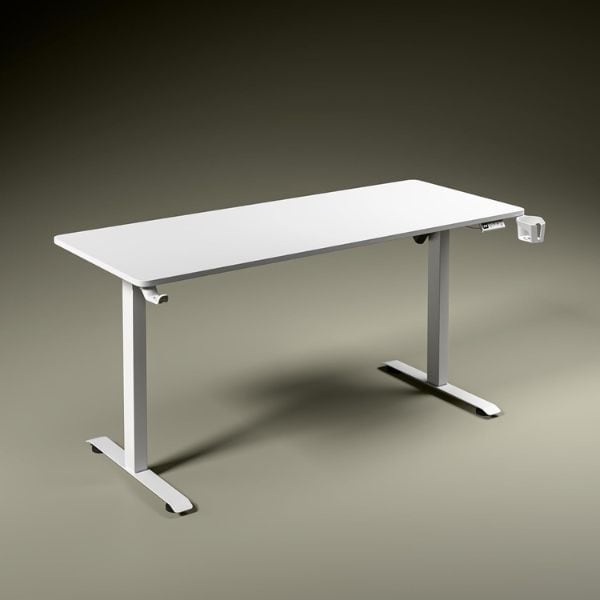
This table automatically senses obstacles and stops movement to prevent bumps
Photo Credit: Amazon
2. Green Soul Alex Dual Motor Height Adjustable Table
It offers fast and seamless height adjustments with impressive stability. It handles heavier setups with ease, making it a premium ergonomic upgrade.
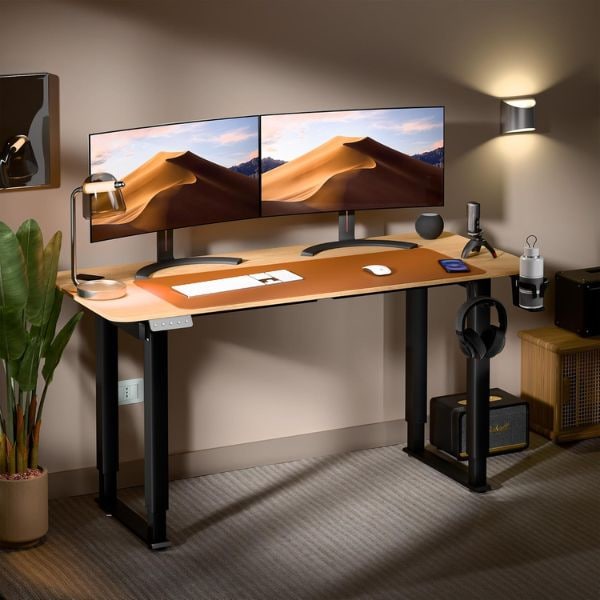
This table is equipped with a smooth dual motor system capable of adjusting the table's height within a range of 72-117 cm
Photo Credit: Amazon
3. Green Soul Trigger 2.0 Height Adjustable Standing Desk
It provides a simple and dependable standing desk experience. It helps you stay active through your workday with effortless functionality.
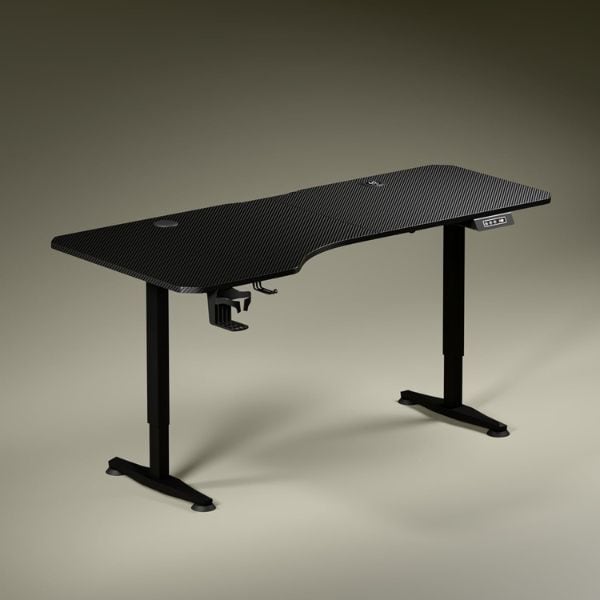
This table can power the devices effortlessly with built-in wireless charging (15 W) and a USB-Type port (15 W).
Photo Credit: Amazon
Frequently Asked Questions (FAQs)
1. What are height-adjustable desks and how do they work?
Height-adjustable desks are workstations that allow users to switch between sitting and standing positions. They typically use manual or electric mechanisms to adjust height, enabling flexible and more ergonomic working postures throughout the day.
2. Why is sitting for long hours considered harmful?
Prolonged sitting is reportedly linked to poor posture, reduced blood circulation, and increased risk of lifestyle diseases such as obesity, back pain, and cardiovascular issues. Lack of movement during work hours can also impact focus and productivity.
3. Do standing desks actually improve productivity?
Yes, studies suggest that height-adjustable desks can improve concentration, reduce fatigue, and enhance overall productivity. Alternating between sitting and standing helps maintain energy levels throughout the workday.
4. Are height-adjustable desks suitable for Indian homes?
Absolutely. With compact living spaces and multifunctional furniture needs, height-adjustable desks offer flexibility without requiring additional space. They are especially useful in hybrid work setups.
5. How often should you switch between sitting and standing at work?
It is recommended to alternate every 30 to 60 minutes. The goal is not to stand all day but to introduce regular movement and avoid long, uninterrupted periods of sitting.
*Study titled 'The alarming rise of lifestyle diseases and their impact on public health: A comprehensive overview and strategies for overcoming the epidemic' by Teerthanker Mahaveer University, Moradabad, Uttar Pradesh, India
Disclaimer: The above sponsored content is non-editorial and has been sourced from a third party. NDTV does not guarantee, vouch for or necessarily endorse any of the above content, nor is responsible for it in any manner whatsoever.
Track Latest News Live on NDTV.com and get news updates from India and around the world
