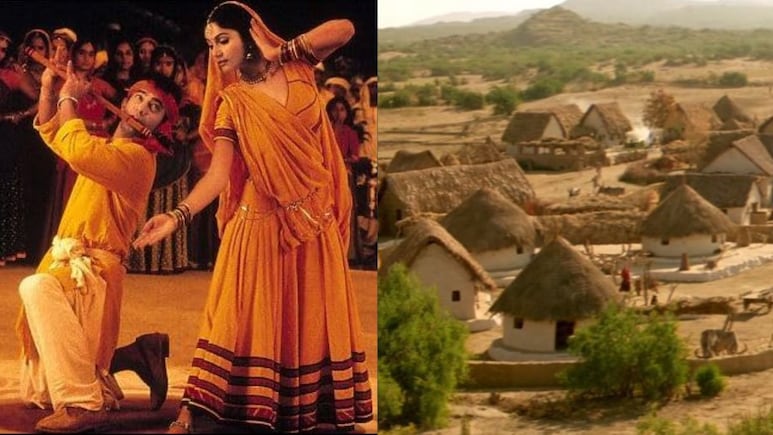
Twenty-five years after its release, Lagaan: Once Upon A Time In India continues to occupy a special place in Indian cinema. Released on June 15, 2001, the Ashutosh Gowariker-directed epic not only became a cultural phenomenon but also earned India an Academy Award nomination for Best Foreign Language Film, a feat achieved by only a handful of Indian films.
As the film celebrates its 25th anniversary with a theatrical re-release and cast reunion, one of its greatest achievements remains as fascinating as ever: the creation of Champaner, the fictional village at the heart of the story.
Yes, you read that right. Champaner did not exist before the film. It was neither a ready-made location nor a forgotten village discovered by scouts. Instead, it was painstakingly built from scratch on barren farmland near Bhuj in Gujarat's Kutch district, becoming one of the most ambitious set-building exercises in the history of Indian cinema.
PS: The fictional village in Lagaan shares its name with a real town, Champaner, in Gujarat's Panchmahal district, about 47 km from Vadodara.
The Search For A Perfect Village
For Ashutosh Gowariker, finding the right setting was as important as casting the right actors. The story, set in 1893 during British rule, revolved around a drought-stricken village burdened by oppressive taxes. The landscape needed to look harsh yet beautiful, isolated yet believable.
Gowariker and production designer Nitin Desai travelled extensively across India, scouting more than a hundred locations across Karnataka, Madhya Pradesh, Uttar Pradesh, Delhi, Gujarat and Rajasthan. Yet none matched the vision they had in mind.
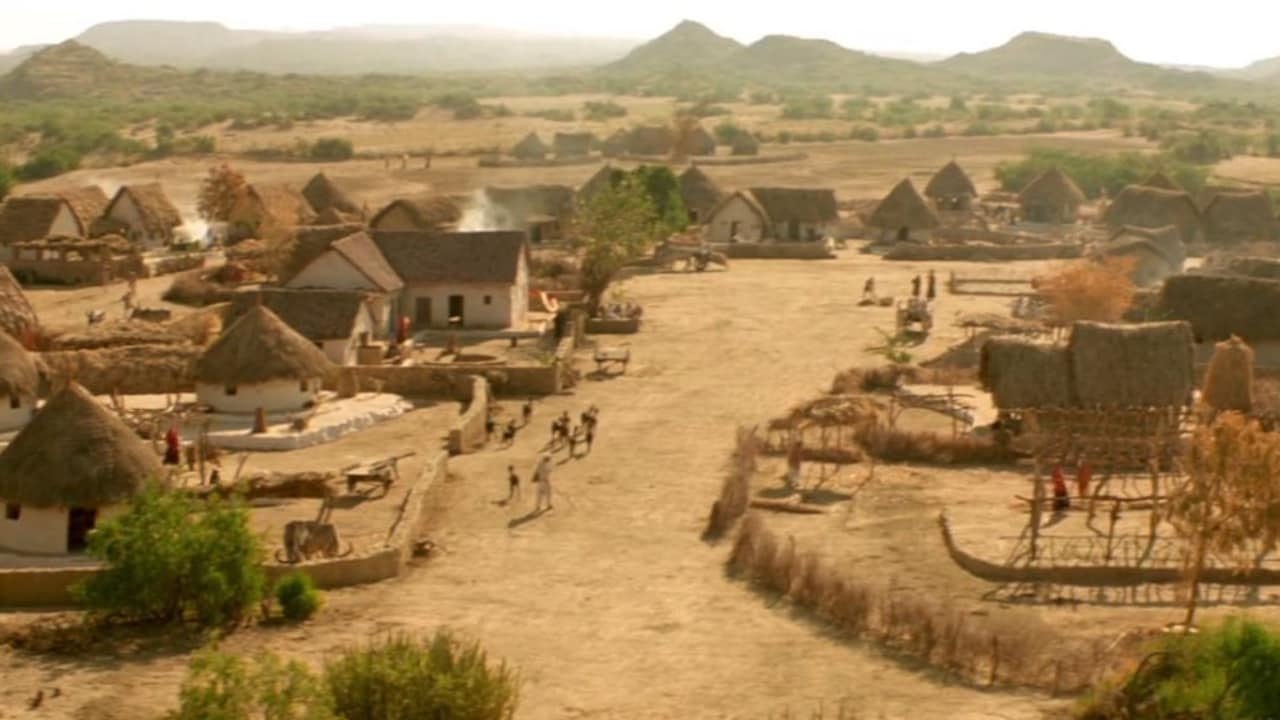
Champaner did not exist before the film. Photo: Lagaan
Recalling the search years later, Gowariker said in an interview, "We needed a terrain that was arid but within that aridity, we sought beauty. When we found Bhuj, in Gujarat, we were fascinated. We knew about the soaring temperatures and all the hardship that awaited us. But it was well worth it because it seemed like the perfect setting for Champaner in 1893."
Bhuj offered exactly what the filmmakers were looking for. The region was drought-prone, sparsely developed and free from the visual markers of modern life that would have disrupted the illusion of a 19th-century village.
The Filmmakers Decided To Build Their Own World
Even after months of searching, the team faced a problem. No existing village fully met the script's requirements.
Instead of compromising, they made a bold decision: they would build Champaner themselves.
The plan was extraordinary. On a vast stretch of agricultural land north of Bhuj, they would create an entire village complete with houses, narrow pathways, a temple, wells and the cricket ground that would eventually host the film's iconic match.
The land, however, belonged to 26 farmers.
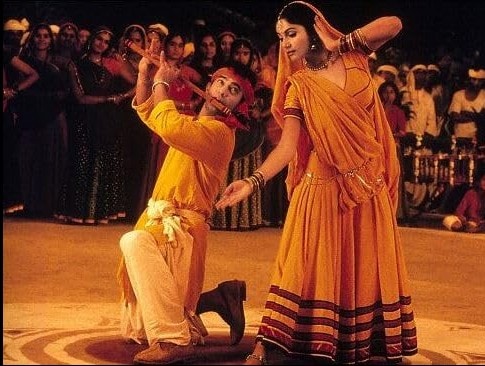
Instead of compromising, Lagaan made a bold decision: they would build Champaner themselves.
According to Gowariker, it was Aamir Khan who played a crucial role in convincing them to allow the construction.
"Where the village of Champaner was built, belonged to 26 farmers and Aamir Khan's charm worked once again in convincing them to give their land to construct the set there. The village of Champaner became the centre for all the storytelling. More real the village would seem, more real the story would look. Because somewhere the story has got a 'what if' feel to it. If everything around the story is not true, the premise of the story could fail. And hence, this village with all its inhabitants became the most important aspect of the film," he shared.
Building Champaner From Dust
The construction began in August 1999.
Nitin Desai, the production designer, relocated to Bhuj with his design team and started work on transforming roughly 100 acres of farmland into a living, breathing village from 1893.
The project took around three months of intensive work before the village was ready for filming.
The scale was staggering.
Nearly 3,000 people reportedly worked over several months to bring Champaner to life. Every structure was designed to look weathered and lived-in, as though generations of villagers had inhabited the settlement long before the cameras arrived.
Nothing was meant to appear newly built.
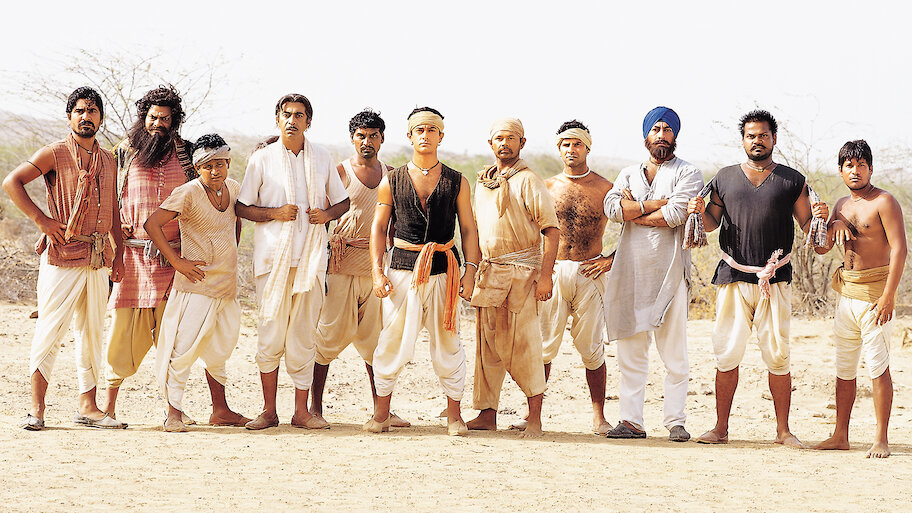
The project took around three months of intensive work before the village was ready for filming.
The houses, walls and pathways were carefully aged. The temple looked centuries old. The wells appeared naturally integrated into village life. Even local residents who visited the site reportedly struggled to distinguish the set from an actual village.
It was precisely the kind of authenticity Gowariker and Desai had hoped to achieve.
Life In Bhuj
By January 2000, the production had shifted fully into filming mode.
More than 350 cast and crew members arrived in Bhuj. Some stayed in rented apartments while others checked into the town's only three-star hotel. For the next five months, Bhuj effectively became home to the entire Lagaan team.
The conditions, however, were far from comfortable.
The barren landscape was home to snakes and scorpions, which had already claimed parts of the newly built village before the crew arrived. Temperatures swung dramatically, ranging from a blistering 47 degree celcius during the day to near 4 degree celcius on colder nights.
Yet the cast and crew persisted.
The isolated environment also helped create a sense of community among everyone involved. Actors, technicians and local residents spent months together, turning the production into something closer to a shared experience than a conventional film shoot.
The Villagers Who Made Champaner Real
One of the most remarkable aspects of Lagaan was the involvement of local residents.
Rather than relying solely on professional extras, the filmmakers recruited villagers from the surrounding areas. Their presence brought a natural authenticity to the screen that would have been difficult to recreate otherwise.
The emotional reactions visible throughout the film, especially during the cricket match, often came from people who had never faced a camera before.
The production reportedly involved thousands of local residents, with nearly 10,000 villagers from Bhuj and neighbouring regions participating in the climactic cricket sequences.
Filming Cricket In Unforgiving Heat
If building the village was challenging, filming the cricket match was even tougher.
The climactic game, which remains one of the most memorable sporting sequences in Indian cinema, was shot under punishing conditions. Temperatures frequently crossed 45 degree celcius, and actors spent long hours on the field under the blazing sun.
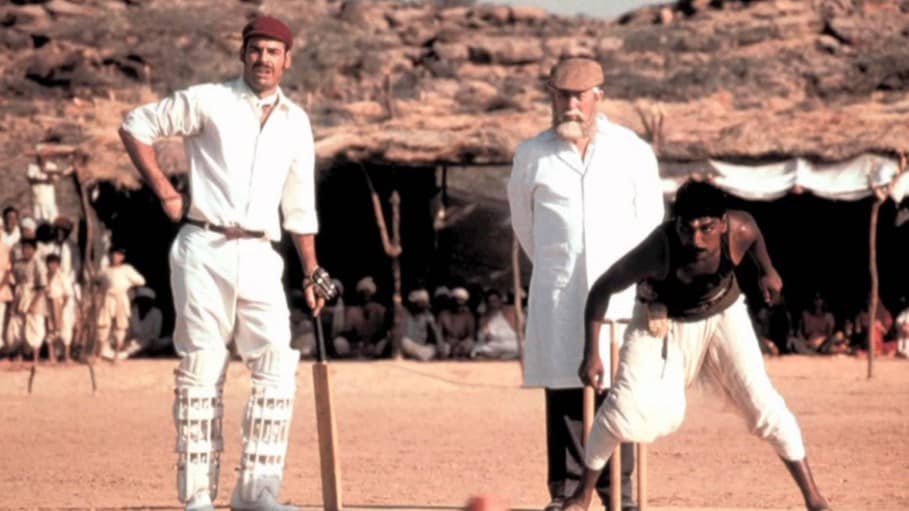
If building the village was challenging, filming the cricket match was even tougher.
Aamir Khan and the rest of the cast underwent months of cricket training to ensure the game looked convincing on screen.
There were no shortcuts.
No body doubles, no digital effects and no computer-generated crowds. The exhaustion visible on screen was genuine. The sweat, fatigue and emotional intensity were all products of the harsh conditions in which the film was shot.
A Village Built For Cinema Erased
Despite the enormous effort that went into creating Champaner, the village was never meant to be permanent.
Once filming ended, the land had to be returned to the farmers who owned it. The structures were eventually dismantled and burned down so the land could once again be used for agriculture.
In physical terms, Champaner disappeared.
But its impact endured.
The fictional village became one of the most recognisable settings in Indian cinema, proving that a carefully crafted environment could elevate storytelling in ways that audiences would remember for decades.
When Tragedy Struck Bhuj
Just six months after filming concluded, disaster struck.
On January 26, 2001, the devastating Gujarat earthquake tore through Bhuj and the surrounding areas. The production team had already left and were working on post-production in Mumbai when news of the catastrophe arrived.
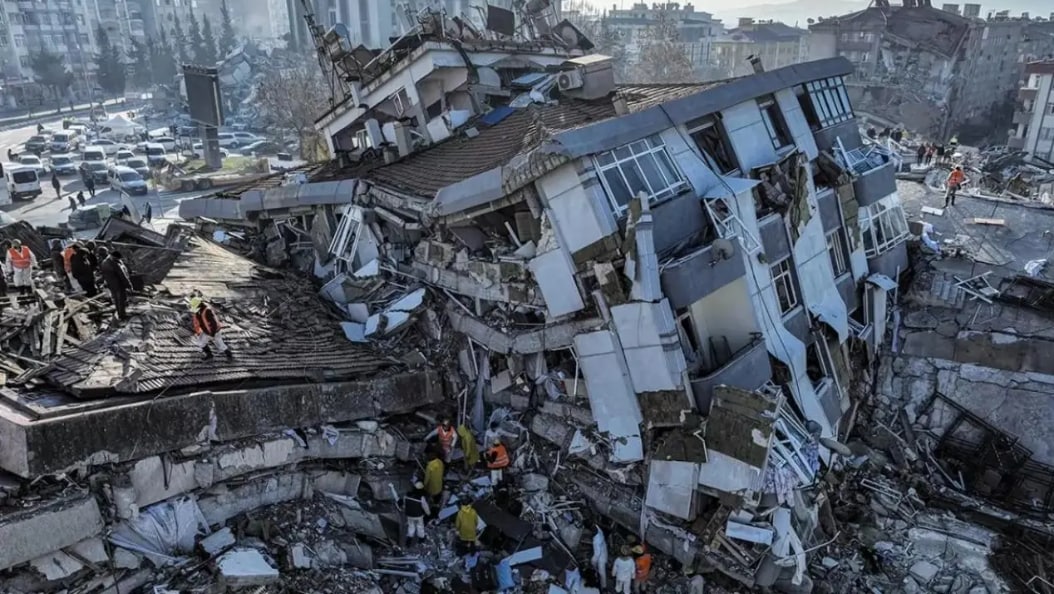
On January 26, 2001, the devastating Gujarat earthquake tore through Bhuj. Photo: LinkedIn
Aamir Khan later recalled the shock of learning about the disaster, "We were in an edit suite in Mumbai working on Lagaan, when someone rang the studio to ask whether our friends in Bhuj were alive and OK. I replied: 'Why on earth are you asking me that?' I went into complete shock when I was told that they had been hit by a very big earthquake. I still remember looking towards the editing table because the frame we had paused was of me surrounded by villagers from Bhuj - our friends. I saw their faces on the screen and was scared. I panicked. Who, out of these hundreds of people, had survived?"
The earthquake killed more than 20,000 people and devastated large parts of Gujarat. Bhuj was among the worst-hit areas.
Gowariker remembered the people who had helped make the film possible, "Bhuj was a very beautiful place with friendly and co-operative people. They worked for us as production assistants, drivers, technicians and even actors, and were very interested in what they were doing. When I first heard about the earthquake, I was shocked."
The bond formed during the making of Lagaan led to extensive relief efforts. Aamir Khan donated a significant portion of his earnings from the film, while members of the cast and crew continued supporting rehabilitation efforts for months. The actor also maintained a long-standing connection with the region and the villagers who had become part of the Lagaan story.
A Legacy Larger Than The Film
Lagaan became the third Indian film to receive an Academy Award nomination in the Best Foreign Language Film category, was screened multiple times at the Locarno Film Festival, entered the UK Top 10, and became the first Indian film to secure a nationwide release in China.
As Aamir Khan once summed up the experience, "Lagaan wasn't made; it was lived."
Track Latest News Live on NDTV.com and get news updates from India and around the world
