





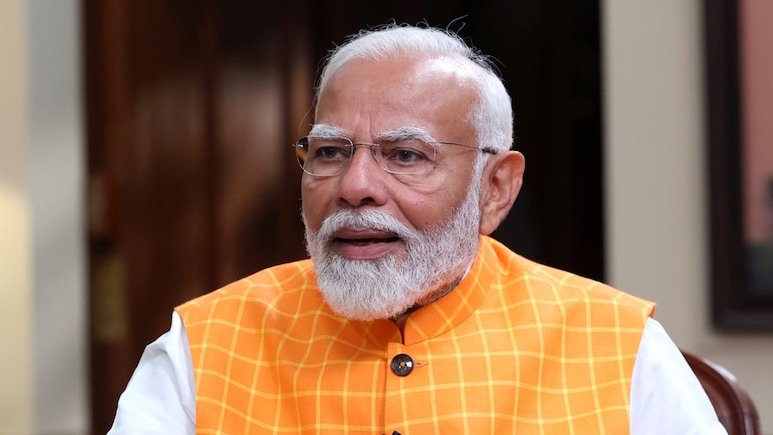
Prime Minister Narendra Modi's scheduled visit to Punjab on July 17 comes at a politically significant moment. With the Assembly elections approaching, the BJP is making a determined effort to deepen its outreach to the Sikh community and establish itself as a serious political force in a state where it has historically remained on the margins. The visit is unlikely to be confined to inaugurations or development projects. It is part of a broader political strategy aimed at helping the BJP finally make a meaningful breakthrough in Punjab.
Ever since the BJP parted ways with its long-time ally, the Shiromani Akali Dal, following the farm laws agitation, the party has been attempting to build an independent political identity in Punjab. Unlike the past, when it largely relied on urban Hindu voters while the Akali Dal mobilised Sikh support, the BJP is now directly reaching out to Sikh voters, religious institutions and the Punjabi diaspora.
Prime Minister Modi has personally led much of this outreach. Over the past few years, his government has repeatedly highlighted initiatives aimed at the Sikh community.
These include the opening of the Kartarpur Corridor, the nationwide celebration of Guru Nanak Dev's 550th Prakash Purab, the observance of Veer Bal Diwas, efforts to preserve Sikh heritage, facilitating the return of Sri Guru Granth Sahib saroops from Afghanistan, easing visa restrictions on many Sikhs abroad and engaging more actively with the global Sikh diaspora.
The repeal of the three farm laws, though politically compelled after prolonged protests, also remains a significant chapter in the BJP's attempt to rebuild trust in Punjab.
The outreach has not remained confined to India. During his recent visit to New Zealand, he devoted a substantial portion of his address to the Indian diaspora to Sikh heritage and the contributions of the Sikh community.
He spoke about the government's efforts to honour Sikh Gurus, preserve Sikh traditions and facilitate religious pilgrimages. While delivered on foreign soil, the speech was widely interpreted as carrying a political message for Sikhs both overseas and in Punjab.
At a time when the government continues to maintain a tough position against separatist elements abroad, the emphasis on Sikh identity appeared intended to reinforce the distinction between opposing extremism and engaging positively with the wider Sikh community.
The timing of the Punjab visit is therefore significant. It comes as the BJP seeks to consolidate this sustained outreach into electoral gains.
Punjab remains one of the few major states where the BJP has never emerged as the principal political force. Even during its alliance with the Akali Dal, the party's influence remained largely confined to urban constituencies. After the alliance ended, the BJP faced the daunting task of expanding into rural Punjab and winning the confidence of Sikh voters without the support of its traditional ally.
To address this challenge, the party has inducted several influential Sikh leaders, increased its engagement with religious organisations, highlighted Sikh icons in its political messaging and consistently projected the PM's personal respect for Sikh traditions. Senior BJP leaders have also repeatedly stressed that the party seeks direct engagement with Punjab rather than depending on regional allies.
Yet the political challenge remains formidable.
Punjab's electoral politics continues to be shaped by questions of identity, agriculture, federalism, history and regional aspirations. While development remains an important issue, political loyalties often run much deeper. The BJP has undoubtedly expanded its organisational footprint, but translating visibility into votes has proved far more difficult.
This is precisely why the July 17 visit carries significance beyond governance. It is another opportunity for the Prime Minister to personally reinforce the BJP's narrative that it respects Sikh history, understands Punjab's aspirations and seeks a larger role in the state's politics.
Whether this outreach finally enables the BJP to make a decisive breakthrough in Punjab remains uncertain. The state has historically resisted the party's expansion despite repeated efforts. However, there is little doubt that the BJP is pursuing its most sustained political campaign in Punjab since the end of its alliance with the Akali Dal.
The visit is therefore about much more than projects or speeches. It will serve as another indicator of whether the BJP's long-term investment in Sikh outreach, cultural symbolism and organisational expansion is beginning to alter Punjab's political landscape. While the electoral verdict will come later, the visit marks another important step in the party's effort to transform Punjab from its most difficult frontier into its next political opportunity.
Track Latest News Live on NDTV.com and get news updates from India and around the world

