





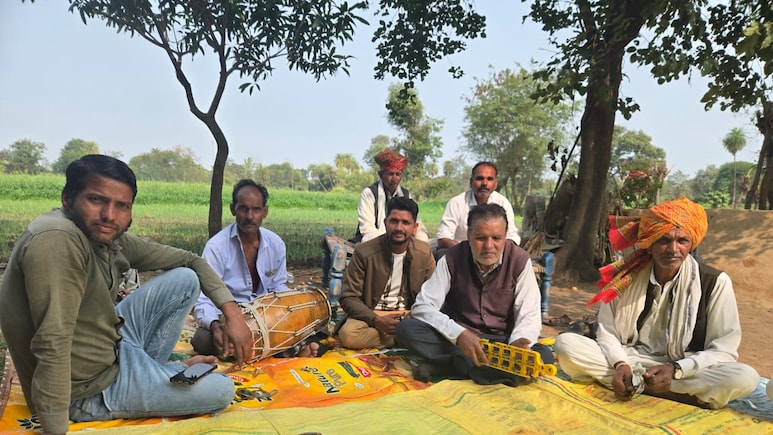
Madhya Pradesh, the country's largest producer of wheat and pulses, boasting fertile black soil and endless expanses of soybeans, chickpeas, and lentils, was particularly keenly watched by farmers this time, as the country's Agriculture Minister, Shivraj Singh Chouhan, hails from the soil of Sehore. However, they are disappointed with the budget.
The government made several announcements for farmers in this budget, including special incentives for increasing coconut production, scientific sandalwood cultivation, and the cultivation of almonds, walnuts, cashews, and cocoa in hilly areas. Coconut production will be boosted through the Coconut Promotion Scheme.
On paper, the budget speaks of diversity and innovation. On the ground, in the heartland of Madhya Pradesh, it sounds distant. The black soil here does not merely grow crops, it carries hopes. That is why this year's Union Budget was awaited in villages with an unusual mix of pride and expectation.
Farmers here were talking about something very basic. A higher MSP. Relief from rising input costs. Better protection through crop insurance. There were strong expectations that the Pradhan Mantri Kisan Samman Nidhi amount would be increased.
This is the state that feeds India. The largest producer of wheat and pulses. The land of soybeans, gram, lentils, onions and garlic. And above all, Sharbati wheat, soft, golden, sweet, celebrated across markets as the "golden grain." This is also the land of Sehore, from where the country's Agriculture Minister, Shivraj Singh Chouhan, comes. Farmers believed that someone who knows this soil would finally speak their language.
But today, they are not happy.
In Sehore alone, black soil supports farming across nearly 3.5 lakh hectares. Most of it is irrigated. Soybean in Kharif, wheat and gram in Rabi.
MS Mewara, a farmer from Chanderi who cultivates 75 acres, says the expectations were big. Farmers were talking about higher MSP. They believed soybean prices would touch Rs 8,000, wheat would cross Rs 5,000, onions would get real protection. There was talk in villages that the Samman Nidhi amount would finally increase.
What came instead left him angry and hurt. He says farmers were told about almonds, cashews, coffee, cocoa. He asks where will a Sehore farmer grow these crops? This soil produces wheat and soybean, not plantation crops. He says everyone eats wheat every day, but no one is ready to pay farmers a fair price for it. Cashews may sound attractive in speeches, but they cannot fill a farmer's stomach.
For younger farmers, the disappointment feels sharper. Gabbar Mewara, who farms 12 acres, says farmers stood firmly with the government. They believed promises. They believed slogans. Now they feel they have been handed something shiny but useless. He says there is still no assurance of the right price. Costs have gone up. Seeds, fertilisers, diesel are expensive. But income remains uncertain. He feels farmers were given hope, not help.
Prem Narayan Mewara owns just five acres in Uljhawan village. A hailstorm destroyed his crop. There was panic in the village. Families waited for officials. No one came. No survey was done. No compensation was announced. He says they expected at least a strong announcement on crop insurance in the budget. There was nothing. He says their fields were wiped out in minutes, but their pain did not even make it into the budget speech.
The budget talks of technology and the future. A multilingual AI tool, Bharat Vistaar, will give advice in farmers' own languages. Six crore farmers will be brought into a digital registry. One crore farmers will be trained in natural farming. Storage capacity will increase. Fisheries and dairy will get more funds.
But in Madhya Pradesh's villages, farmers ask a simple question. Who will stand with us this season. The Pradhan Mantri Kisan Samman Nidhi remains at Rs 6,000 a year. There is no relief in crop insurance. No clear commitment on MSP for the crops that dominate this state.
Madhya Pradesh has overtaken Punjab and Haryana in wheat production. It leads in gram, lentils, soybeans, oilseeds. Nearly half of India's medicinal crops grow here. Spices from this land travel across the world. Tomatoes from these fields reach every kitchen. Yet today, farmers here are not celebrating their strength. They are worried. They are restless.
Before the budget, these same farmers spoke to NDTV with hope in their eyes. They believed this budget would belong to them. After the budget, their voices sound tired. The fields are still golden. But the hearts of those who till them are heavy.
Track Latest News Live on NDTV.com and get news updates from India and around the world

