





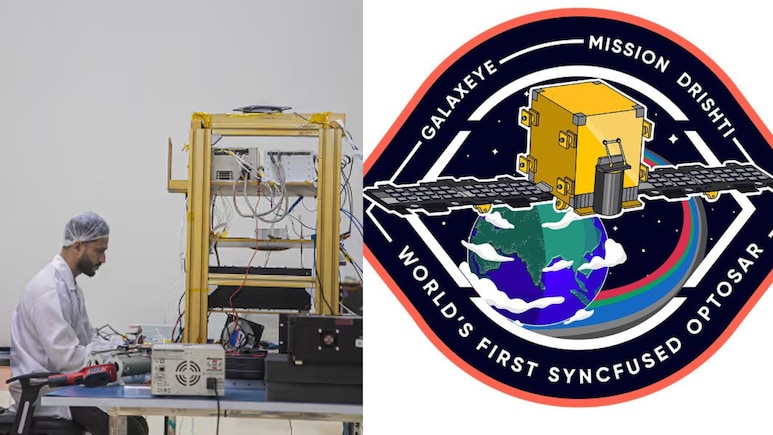
One bold step was failed by a solar storm, but Bengaluru start-up Galaxeye says Mission Drishti's lessons will power the future.
A little over two months ago, Mission Drishti rode into space atop a SpaceX Falcon 9 rocket, carrying with it one of the most ambitious technologies ever attempted by an Indian private space company. Bengaluru-based GalaxEye was aiming to achieve something even ISRO had not dared to attempt on an operational satellite. It wanted to combine optical imaging and Synthetic Aperture Radar on a single space platform, creating what it called the world's first OptoSAR satellite.
Today, that bold mission has suffered a painful setback.
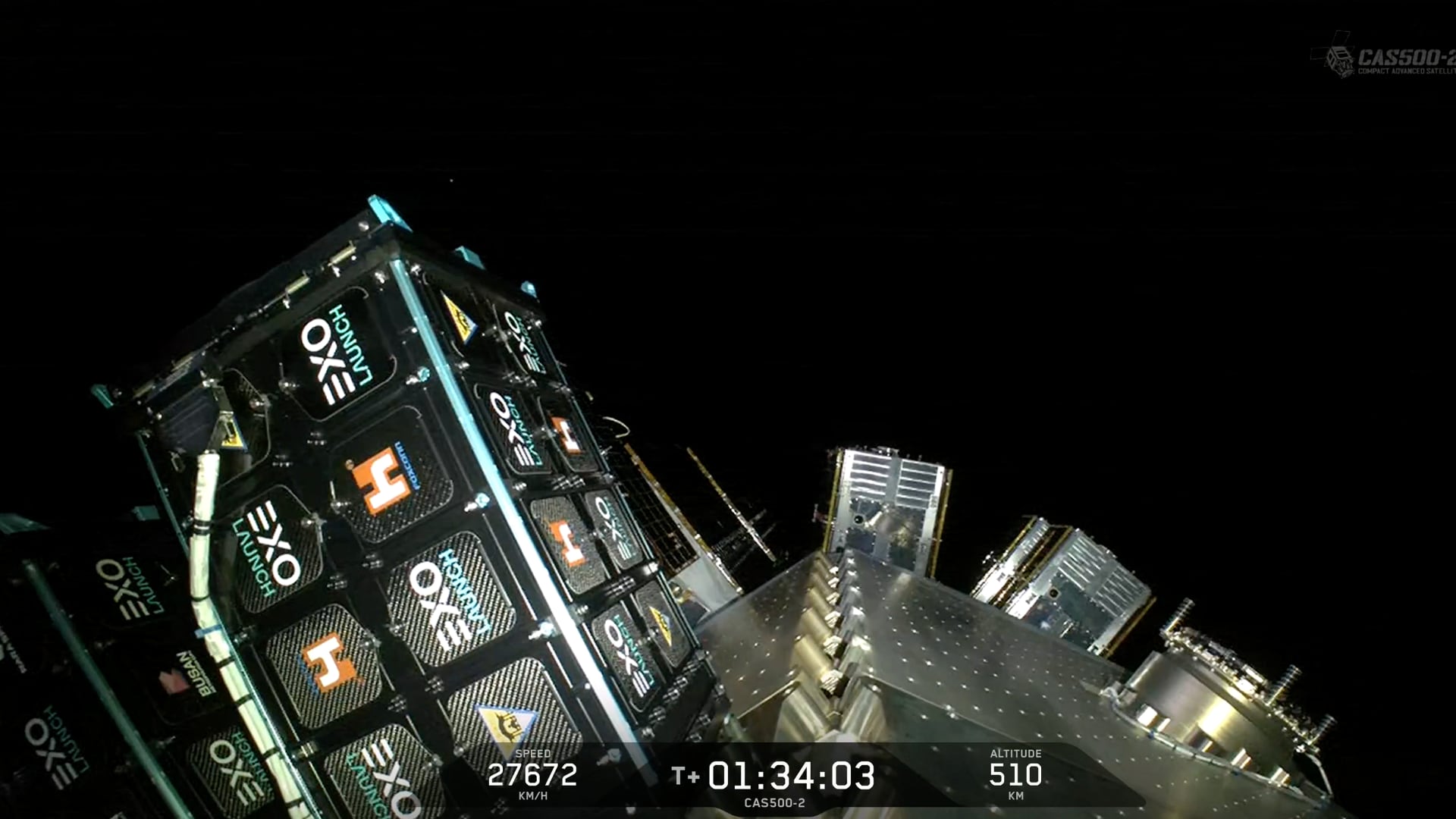
GalaxEye has announced that communication with Mission Drishti, its satellite, was lost after the spacecraft encountered an anomaly following a geomagnetic solar storm. Initial analysis suggests radiation generated by the extreme space weather event likely affected a critical on-board system. Recovery efforts continue, but the company says the chances of restoring the satellite currently appear low.
In many ways, it is a dramatic reminder that even the most sophisticated machines built by human beings remain vulnerable to the most powerful energy source in our Solar System, the Sun.
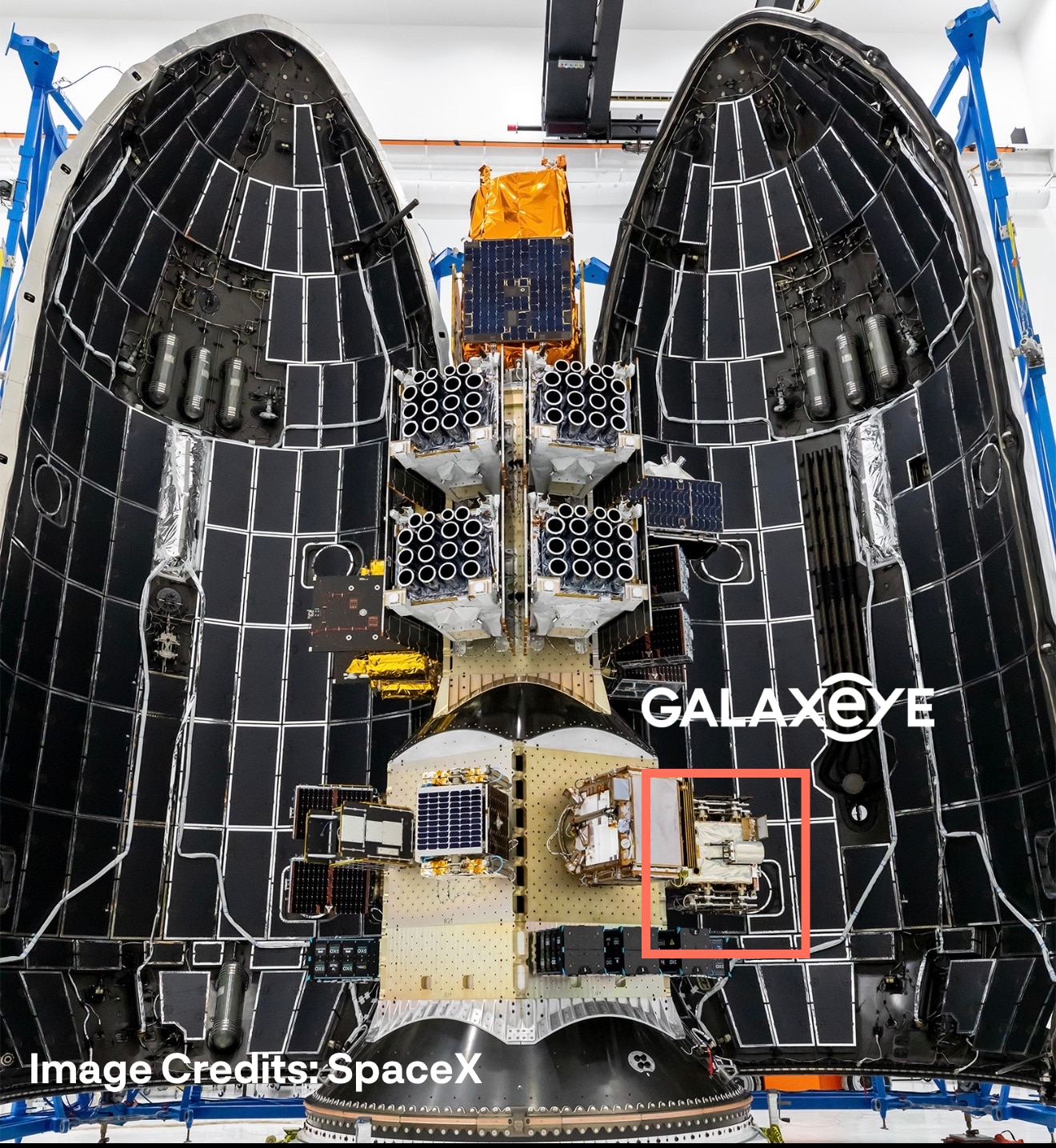
For India, the loss is disappointing because Drishti represented a potentially game-changing capability. The satellite was designed to look through cloud cover while also providing conventional optical imagery. Such a capability would allow day and night surveillance and monitoring regardless of weather conditions. For a country facing complex security challenges and frequent natural disasters, such persistent observation from space could have become a valuable strategic asset. It was meant to monitor and keep a hawk's eye on India's western and northern adversaries.
Yet GalaxEye insists that the mission should not be judged solely by its premature end. "Mission Drishti marks the culmination of years of innovation, engineering, and execution by our team," said Suyash Singh, Founder and CEO of GalaxEye. "While the satellite experienced an anomaly following an extreme space weather event, the mission has provided invaluable engineering insights that will directly strengthen our future missions," he added.
The company says the spacecraft successfully established communication, completed a major portion of its Launch and Early Orbit Phase (LEOP), validated critical spacecraft systems, executed deployment activities, demonstrated attitude control, operated on-board computing and communications systems, and proved GalaxEye's in-house mission operations capability from its Bengaluru Mission Control Centre. Yet those achievements failed to produce dramatic pictures from orbit as it had promised, but for satellite engineers, they represent critical milestones.
Importantly, despite widespread interest, GalaxEye had not released a single image from Mission Drishti. The reason, according to the company, is straightforward. "GalaxEye did not get to operate the payload. The solar impact was just before imaging began and during the commissioning phase itself. "That means the spacecraft never reached the stage where its headline technology could be fully switched on and tested in orbit.
The disappointment is understandable. Mission Drishti was intended to demonstrate a novel concept that sought to combine two different worlds of Earth observation.
Optical cameras produce photographs that are easy for humans to understand but struggle with cloud cover and darkness. Synthetic Aperture Radar, or SAR, can see through clouds and operate at night but produces imagery that requires greater processing and interpretation. GalaxEye's vision was to fuse the strengths of both approaches into a single platform.
Had it worked as intended, it could have represented a significant breakthrough in Earth observation for the world.
But space remains an unforgiving environment.
This is not the first time solar activity has destroyed satellites. In 2022, a geomagnetic storm knocked many newly launched SpaceX Starlink satellites out before they could reach their intended operational altitude. Space weather continues to be one of the least controllable risks in satellite operations, especially as constellations become larger and more ambitious. Mission Drishti now joins a long list of spacecraft that have been taught a harsh lesson by the Sun.

For GalaxEye, the key question is whether those lessons can be converted into future success. Suyash Singh believes they can. "Learning from the mission, we are accelerating our transition toward bringing a significant portion of our supply chain, manufacturing, and satellite development processes in-house, giving us visibility and control over the entire value chain. The team is excited and ready for the next leg of our growth," he said.
That confidence is reflected in the company's plans. GalaxEye says it intends to launch two new OptoSAR satellites within the next 24 months and is already incorporating lessons from Mission Drishti into its next-generation spacecraft architecture.
The company also plans to significantly expand its in-house manufacturing and development capabilities to improve reliability and quality control.
There is another way of looking at the story of Mission Drishti. Many of the world's most successful space programmes were built on missions that failed. Rockets exploded. Satellites malfunctioned. Communications were lost. Yet every setback generated data, and every lesson improved the next design.
Space history shows that pioneering missions often carry the highest risks because they venture into territories others have avoided. That is precisely what GalaxEye attempted: packing complex electronics on a single platform and not shielding enough.
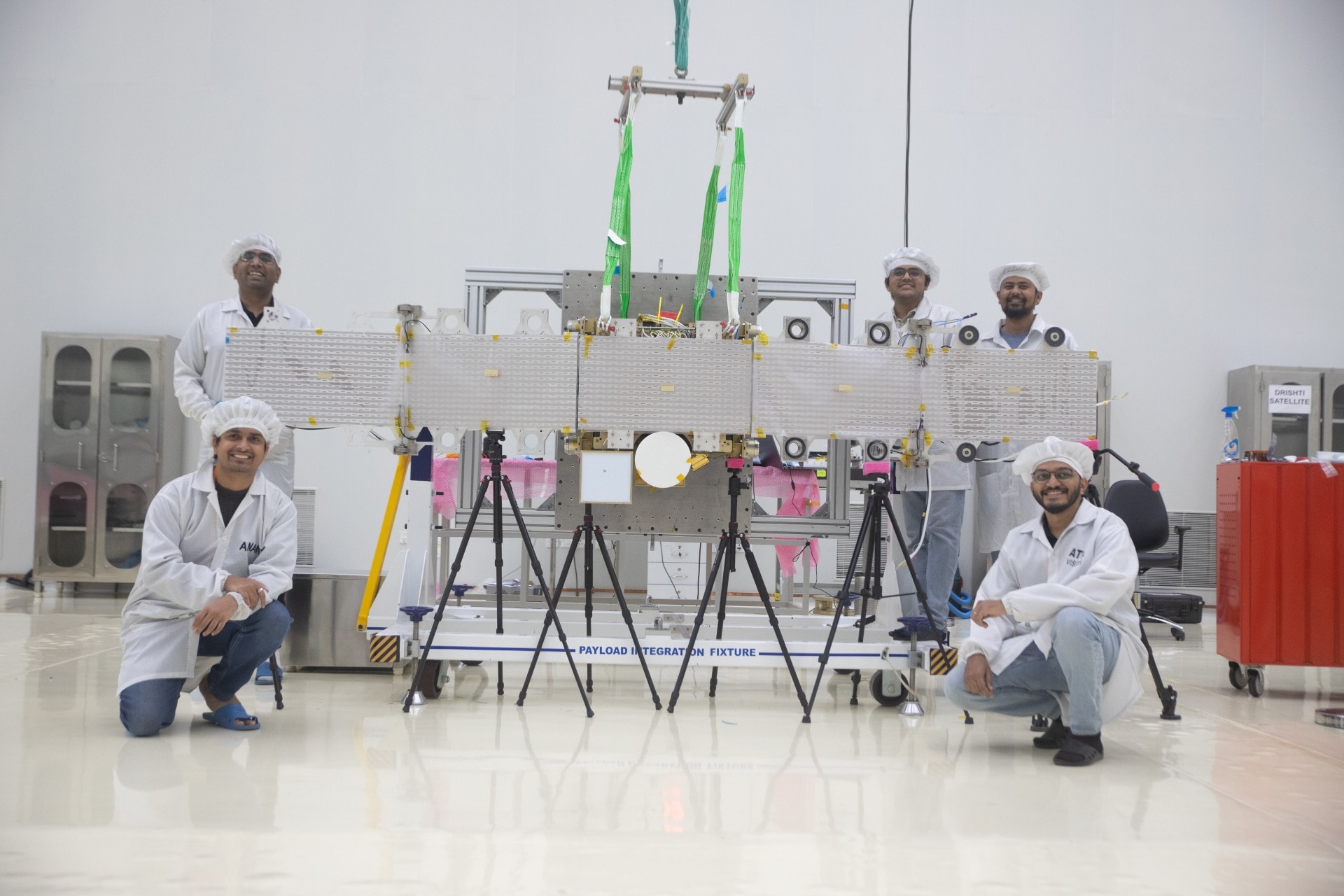
The company chose not to build just another conventional satellite. Instead, it pursued a technology that sought to fundamentally change how Earth observation is performed from space. It was a bold engineering gamble. Such gambles do not always succeed on the first attempt. The company maintains that a substantial portion of the mission's objectives were achieved before the solar storm struck.
"Mission Drishti remains a landmark achievement in GalaxEye's and India's journey towards sovereign autonomy in the space sector, and an important step toward building globally differentiated Earth observation infrastructure from India," the company says. It could well be a key technology game-changer in India's upcoming Space-Based Surveillance or SBS-3 initiative.
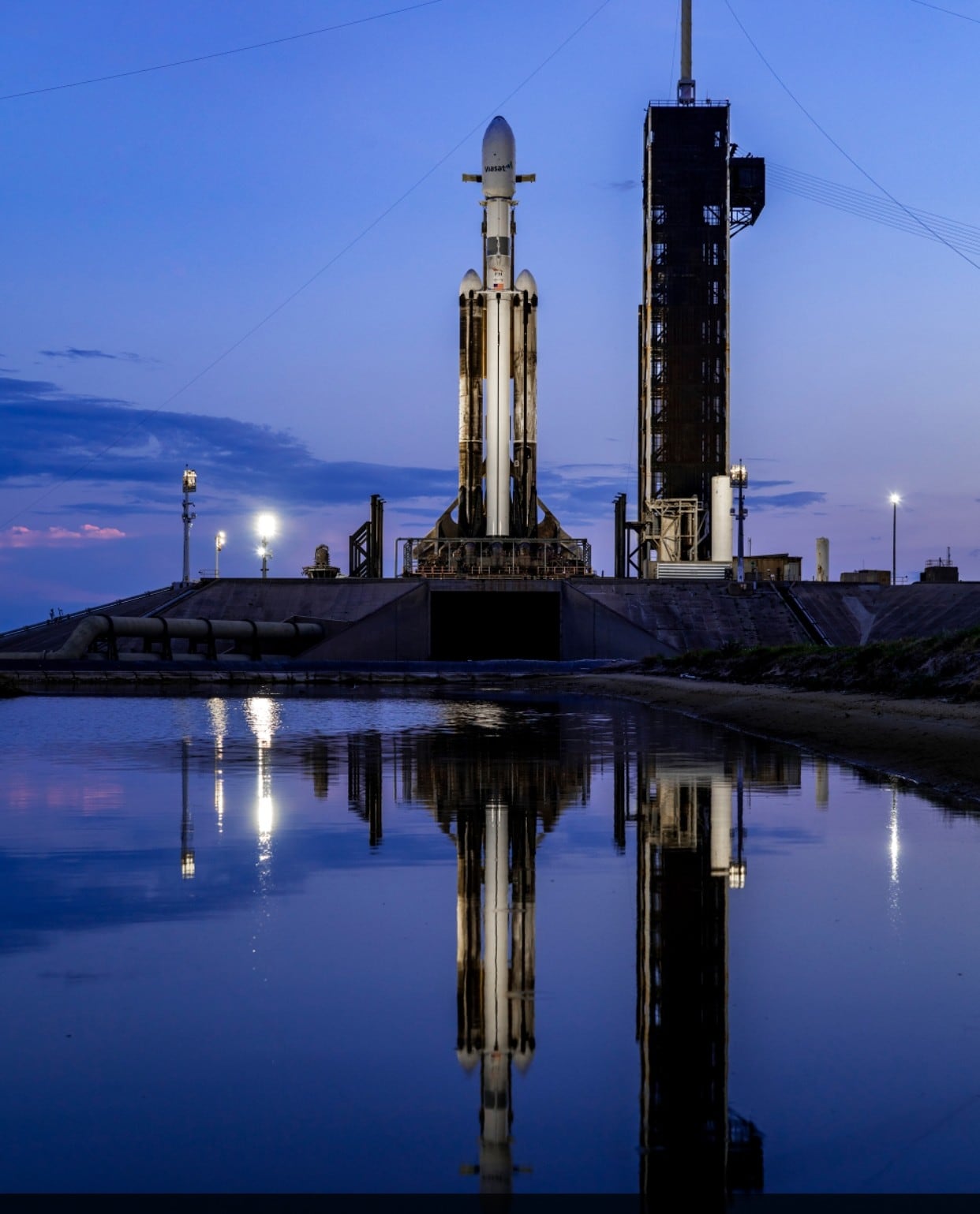
For now, Mission Drishti's journey appears to have ended far earlier than planned. The satellite that promised to see through clouds and darkness never got the chance to demonstrate its revolutionary imaging capability. A powerful burst of solar activity delivered a knockout punch before the mission's most anticipated moment.
Yet if the engineering lessons survive and future spacecraft become more resilient because of what happened, Mission Drishti may ultimately be remembered not as a failure, but as an essential first learning step.
After all, in space exploration, success often comes not just from reaching orbit but from learning how to return stronger after a fall.
Track Latest News Live on NDTV.com and get news updates from India and around the world

