



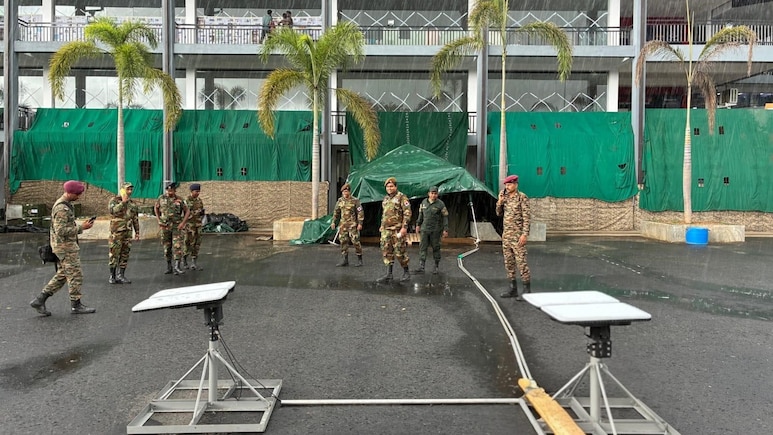
In a unique and landmark demonstration of technology-driven disaster response, the Indian Army has successfully deployed satellite-based internet connectivity to restore critical communications in flood-ravaged regions of Sri Lanka.
This initiative, powered by Eutelsat's OneWeb Low Earth Orbit (LEO) satellite network in partnership with Airtel, underscores the transformative potential of space-based internet in humanitarian operations.
Connectivity Amid Chaos
Cyclone Ditwah unleashed unprecedented flooding across Sri Lanka, crippling terrestrial networks and isolating communities.
As part of Operation Sagar Bandhu, India's comprehensive Humanitarian Assistance and Disaster Relief (HADR) mission, the Indian Army faced the daunting challenge of maintaining real-time communication in remote, devastated areas. Enter Eutelsat's OneWeb LEO constellation, a system designed to deliver high-speed, low-latency connectivity even in the most inaccessible terrains.
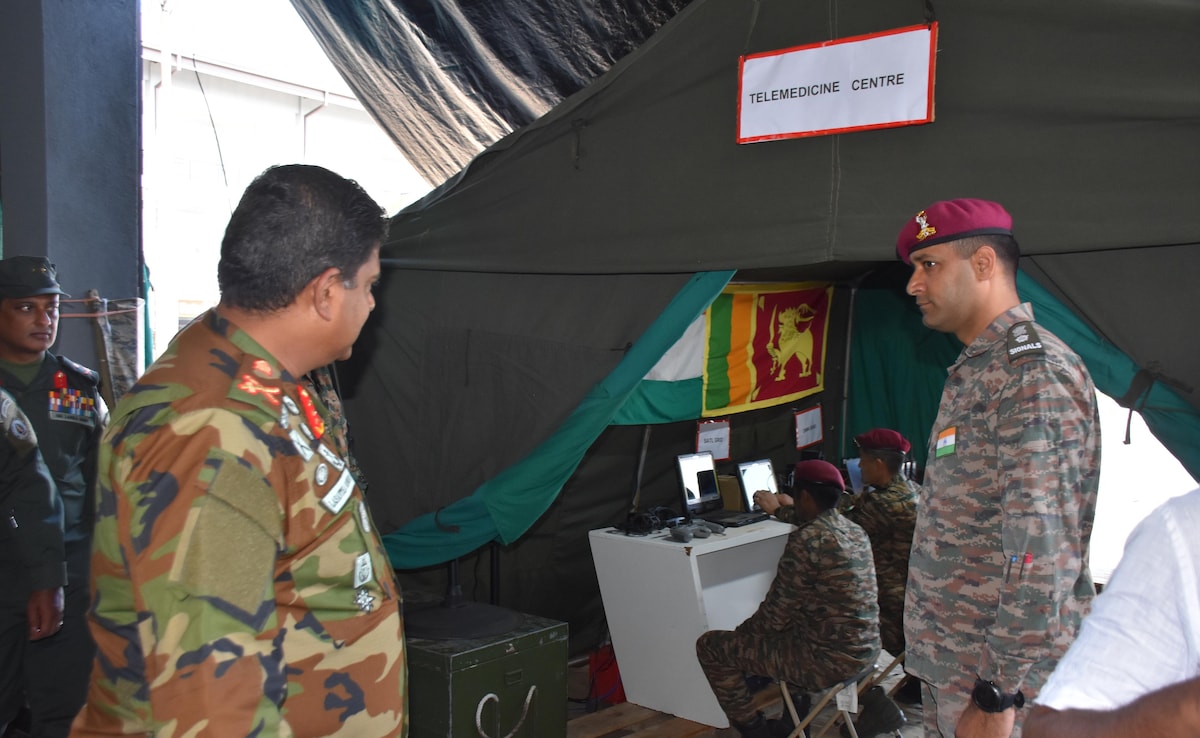
With OneWeb terminals deployed on the ground, the Army re-established secure, reliable links that enabled 24/7 telemedicine consultations with specialist doctors in India. This capability proved lifesaving, allowing immediate diagnosis and treatment guidance for injured and vulnerable populations. Beyond healthcare, the connectivity supported coordination between rescue teams, logistics planning, and situational updates, all vital for operational continuity during a crisis.
Strategic Use Case For Satellite Internet
This deployment is more than a tactical success; it is a compelling case study for the role of satellite internet in disaster resilience. When floods, earthquakes, or cyclones strike, terrestrial infrastructure often collapses. LEO satellites, orbiting closer to Earth than traditional GEO satellites, offer rapid deployment, low latency, and robust coverage - attributes that can bridge the digital divide during emergencies.
Neha Idnani, Regional Vice President for APAC at Eutelsat, highlighted the significance: "The ability to maintain high-quality communications in crisis situations is vital. We remain committed to equipping organizations on the ground with secure, resilient connectivity required to safeguard lives and enable essential services."
India's Regulatory Roadblock
Despite the success of this mission, India's broader adoption of satellite internet remains constrained. Currently, Eutelsat operates under a limited testing license, and commercial rollout is yet to gain regulatory clearance. Meanwhile, global players like SpaceX's Starlink are waiting in the wings, eager to enter the Indian market. Starlink, which has demonstrated its utility in disaster zones worldwide, could complement efforts like OneWeb's, but policy hurdles persist.
Industry experts argue that enabling satellite broadband at scale could revolutionise connectivity for remote villages, border regions, and disaster-hit zones. However, spectrum allocation, licensing norms, and security considerations have slowed progress. For now, initiatives like the Indian Army's partnership with Eutelsat and Airtel serve as proof-of-concept for what is possible when technology and humanitarian needs converge.
Operation Sagar Bandhu: India As First Responder
The satellite connectivity effort was part of a larger relief operation launched by India on November 28.
Under Operation Sagar Bandhu, the Government of India dispatched 53 tons of relief material, deployed NDRF search-and-rescue teams, and airlifted stranded civilians - including foreign nationals, using Navy and Air Force assets.
Over 2,000 Indians were evacuated, reaffirming India's role as a First Responder in the Indian Ocean region, guided by its Neighbourhood First policy and Vision MAHASAGAR.
The Road Ahead
As climate-related disasters intensify, the need for resilient, rapid-deployment connectivity will only grow.
Satellite internet - whether through OneWeb, Starlink, or future constellations - offers a lifeline when conventional networks fail. For India, the challenge lies in crafting a regulatory framework that balances security with innovation, unlocking the full potential of space-based broadband for both civilian and strategic applications.
Track Latest News Live on NDTV.com and get news updates from India and around the world

