





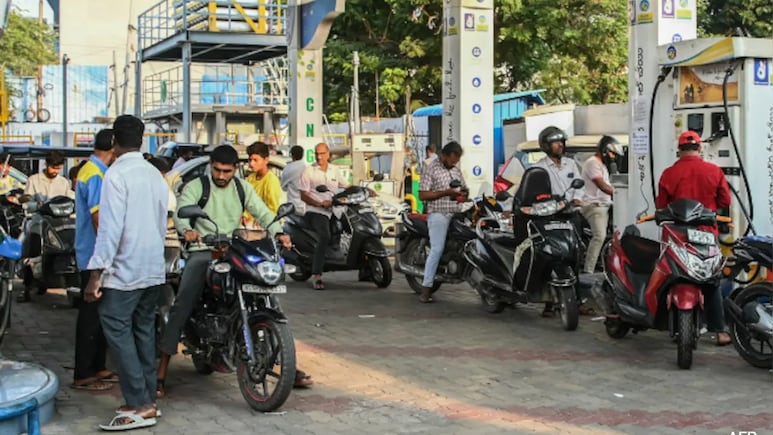
According to government sources, India has emerged as one of the least affected countries in terms of retail fuel price rise despite a sharp global surge triggered by geopolitical disruptions, with petrol and diesel prices increasing by just over Rs 7 per litre in a phased manner this month.
After holding prices steady for 78 days following the closure of the Strait of Hormuz on February 28, 2026, oil marketing companies (OMCs) revised fuel prices in four instalments on May 15, 19, 23, and 25. The cumulative increase stands at Rs 7.35 per litre for petrol and Rs 7.53 per litre for diesel, translating into a rise of around 7.5 per cent. In Delhi, petrol now costs Rs 102.12 per litre, while diesel is priced at Rs 95.20.
This increase remains significantly lower compared to global trends. Several countries have recorded steep spikes ranging from 20 per cent to over 90 per cent during the same period. For instance, petrol prices rose by nearly 90 per cent in Myanmar and over 50 per cent in Pakistan and the UAE, while even developed economies such as the United States and European nations saw increases exceeding 20 per cent.
Globally, petrol prices now average around Rs 130 per litre, with several European countries crossing Rs 180. In contrast, India's price levels remain among the lowest for non-subsidised economies.
A key factor behind the relatively moderate increase is government intervention. Over the past four years, the Centre cut fuel taxes multiple times, including a Rs 10 per litre excise reduction on March 27, 2026, just before the recent supply disruption. These measures helped absorb rising crude oil costs instead of fully passing them on to consumers.
However, retail prices vary widely across states due to differences in value-added tax (VAT). According to government sources, opposition-ruled states such as Telangana and Kerala currently have some of the highest fuel prices, exceeding Rs 114 per litre for petrol, while BJP-governed states including Gujarat, Uttar Pradesh, and Haryana remain closer to Rs 102 per litre.
Diesel, a crucial fuel for transport and agriculture, shows an even sharper divergence. Lower VAT regimes in some states have kept diesel prices under Rs 90, while high-tax states report prices exceeding Rs 100 per litre.
The government also adopted fiscal measures such as cutting special additional excise duty and imposing export levies to ensure domestic fuel availability and stability. Despite these efforts, losses were absorbed by both the exchequer and oil companies during the crisis period.
Notably, India is among the few major economies to have reduced fuel prices during earlier global shocks, including the Russia-Ukraine war, and to maintain stability through much of the current crisis.
Track Latest News Live on NDTV.com and get news updates from India and around the world

