





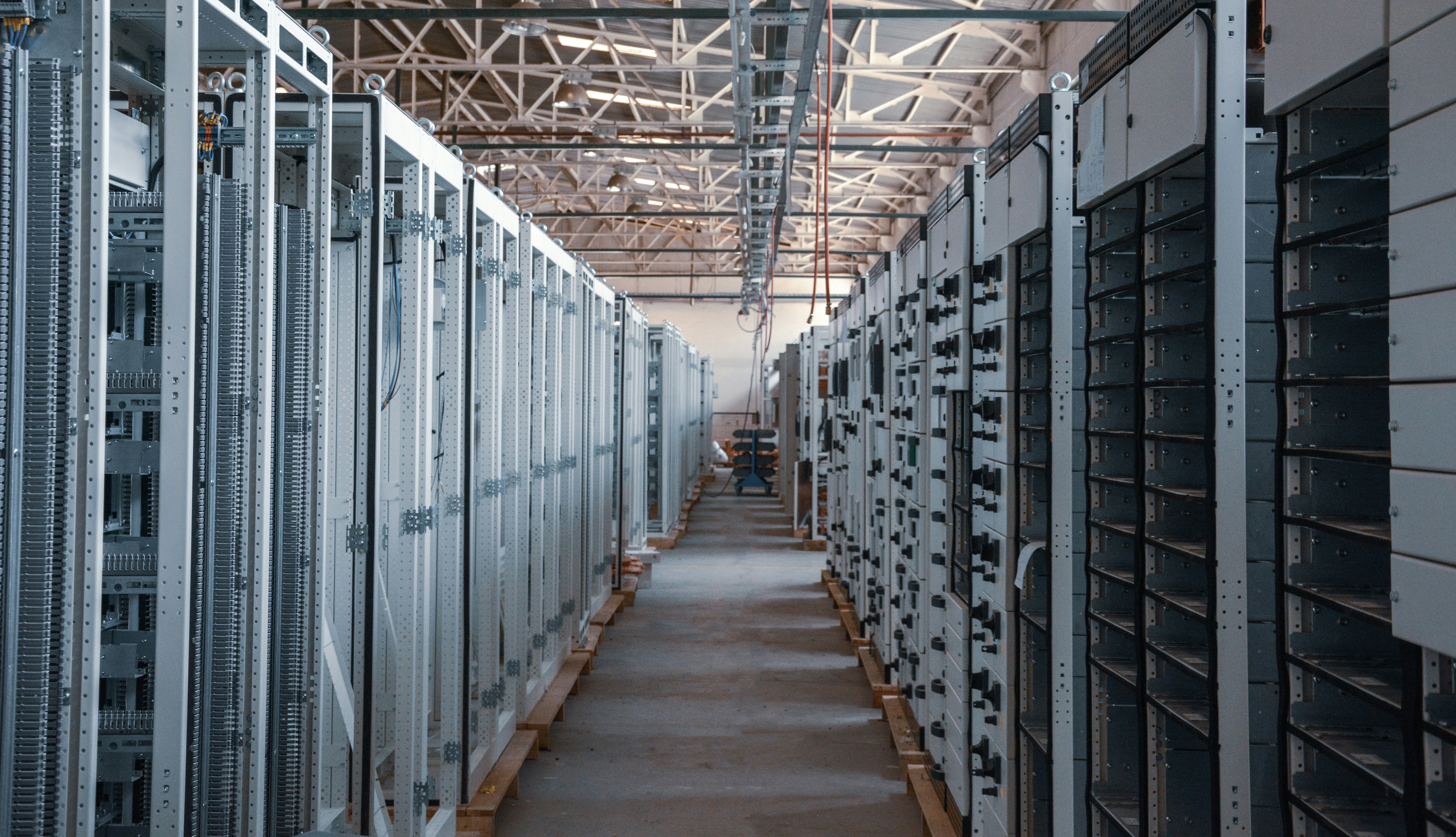
In a written reply to a query in the parliament regarding the environmental footprint of Artificial Intelligence (AI) infrastructure, Minister of State for Environment, Forest and Climate Change, Kirti Vardhan Singh, laid down the regulatory framework governing water usage and environmental clearances for AI data centres across the country.
Singh clarified that AI data centres do not independently require a standalone Environmental Clearance (EC) under the Environmental Impact Assessment (EIA) Notification, 2006. The ministry, however, added that large-scale facilities built as part of major construction projects remain strictly regulated under existing environmental laws.
When Do AI Data Centres Need Environmental Clearance?
As per the ministry, prior Environmental Clearance becomes mandatory for data centres depending on their physical footprint under Schedule 8 of the EIA Notification, 2006. This includes building and construction projects or facilities with a built-up area exceeding 20,000 square metres. The other aspect includes townships and area development projects. This consists of projects covering an area of 50 hectares or more or featuring a built-up area exceeding 1,50,000 square metres.
For the projects that do meet these thresholds, clearance is reviewed and granted at the State or Union Territory level by the State Environment Impact Assessment Authority (SEIAA). At the time of the appraisals, SEIAAs evaluate water-stress levels in the proposed location, review water balance reports, and mandate strict measures for greywater generation, recycling, and reuse.
Regulatory Framework
To regulate, the government has outlined a multi-layered regulatory framework to manage water extraction and discharge at these cooling-intensive facilities. Operational water discharge and consumption are regulated under the Water (Prevention and Control of Pollution) Act, 1974, and the Air (Prevention and Control of Pollution) Act, 1981, monitored directly by State Pollution Control Boards (SPCBs) or Pollution Control Committees (PCCs).
Any groundwater withdrawal for commercial or infrastructure data projects must comply with the Ministry of Jal Shakti's guidelines issued in September 2020 and updated in March 2023. The Bureau of Energy Efficiency (BEE) has recommended the adoption of its District Cooling Guidelines, 2023. The framework advises facilities to use treated wastewater as cooling tower make-up water to protect freshwater resources and adopt energy-efficient cooling systems.
As India expands its AI infrastructure, the Ministry of Electronics and Information Technology (MeitY) has constituted a dedicated working group titled 'Resilience, Innovation & Efficiency' as part of the IndiaAI Impact Summit. The group is tasked with reviewing energy efficiency standards, water management protocols, and overall environmental resilience in digital and AI infrastructure across India.
Track Latest News Live on NDTV.com and get news updates from India and around the world

