





- India's Prototype Fast Breeder Reactor at Kalpakkam achieved criticality this week
- PM Modi called the milestone a defining step in India's civil nuclear program
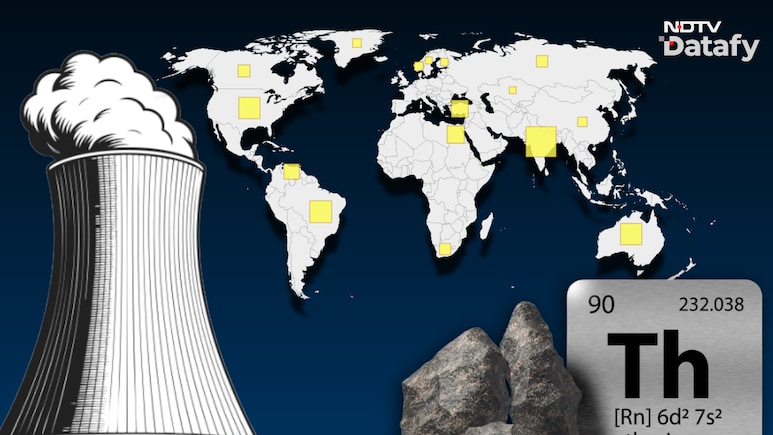
- India holds nearly a third of the world's thorium reserves, leading globally
India's nuclear journey crossed a crucial milestone this week when the country's indigenous Prototype Fast Breeder Reactor (PFBR) at Kalpakkam achieved criticality, the first sustained nuclear chain reaction. In a post on X, Prime Minister Narendra Modi described the development as a "defining step" in India's civil nuclear programme, saying it advances the second stage of the country's long‑term strategy and brings India closer to harnessing its vast thorium reserves. The International Energy Agency (IEA), in a separate post, underlined nuclear power's growing relevance as countries look for reliable, low‑carbon energy sources to complement renewables.
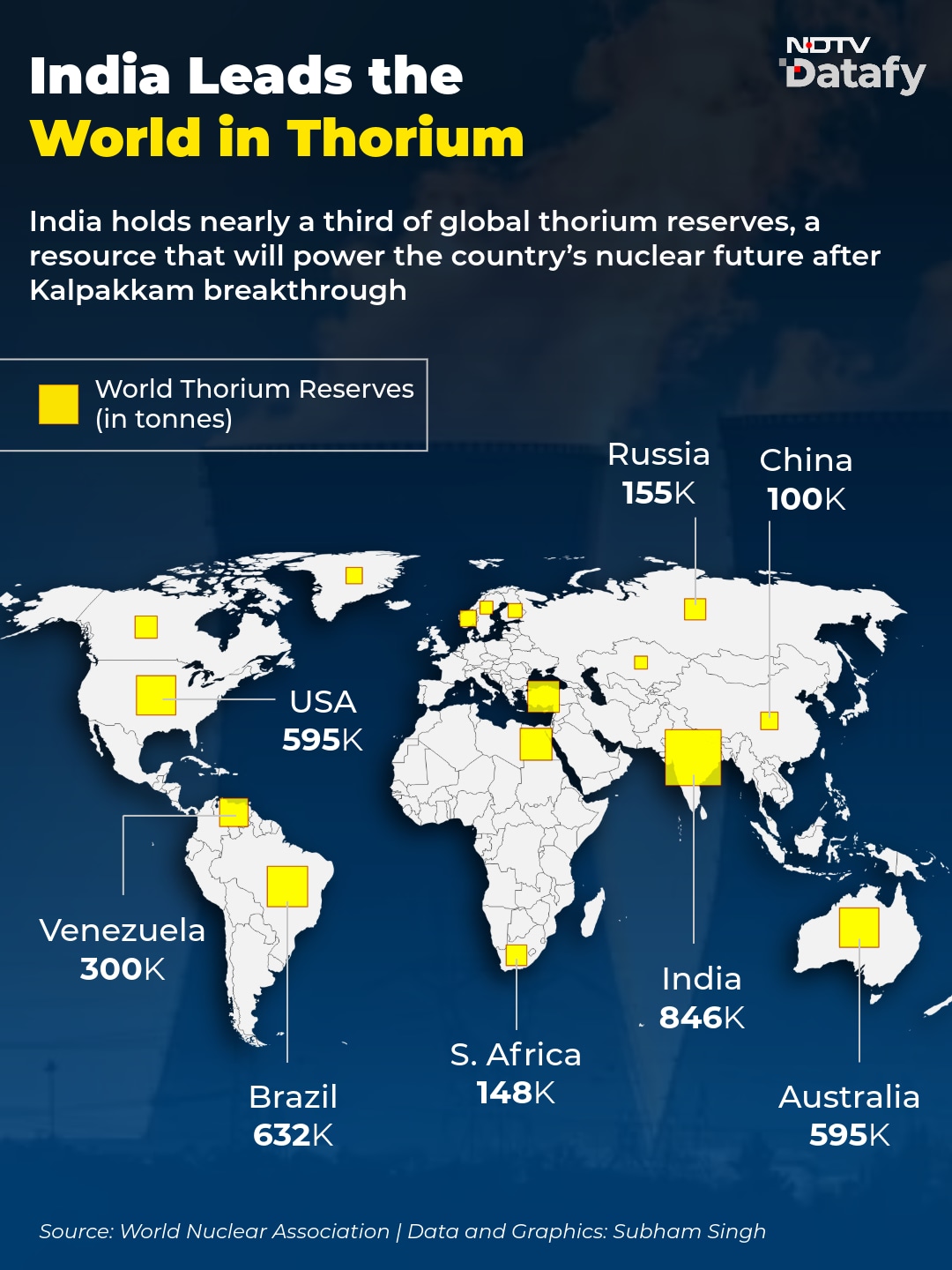
That strategic emphasis matters because India sits on nearly a third of the world's known thorium reserves, according to the World Nuclear Association. India leads the pack with about 846,000 tonnes of thorium, ahead of Brazil with 632,000 tonnes and Australia and the United States with about 595,000 tonnes each.
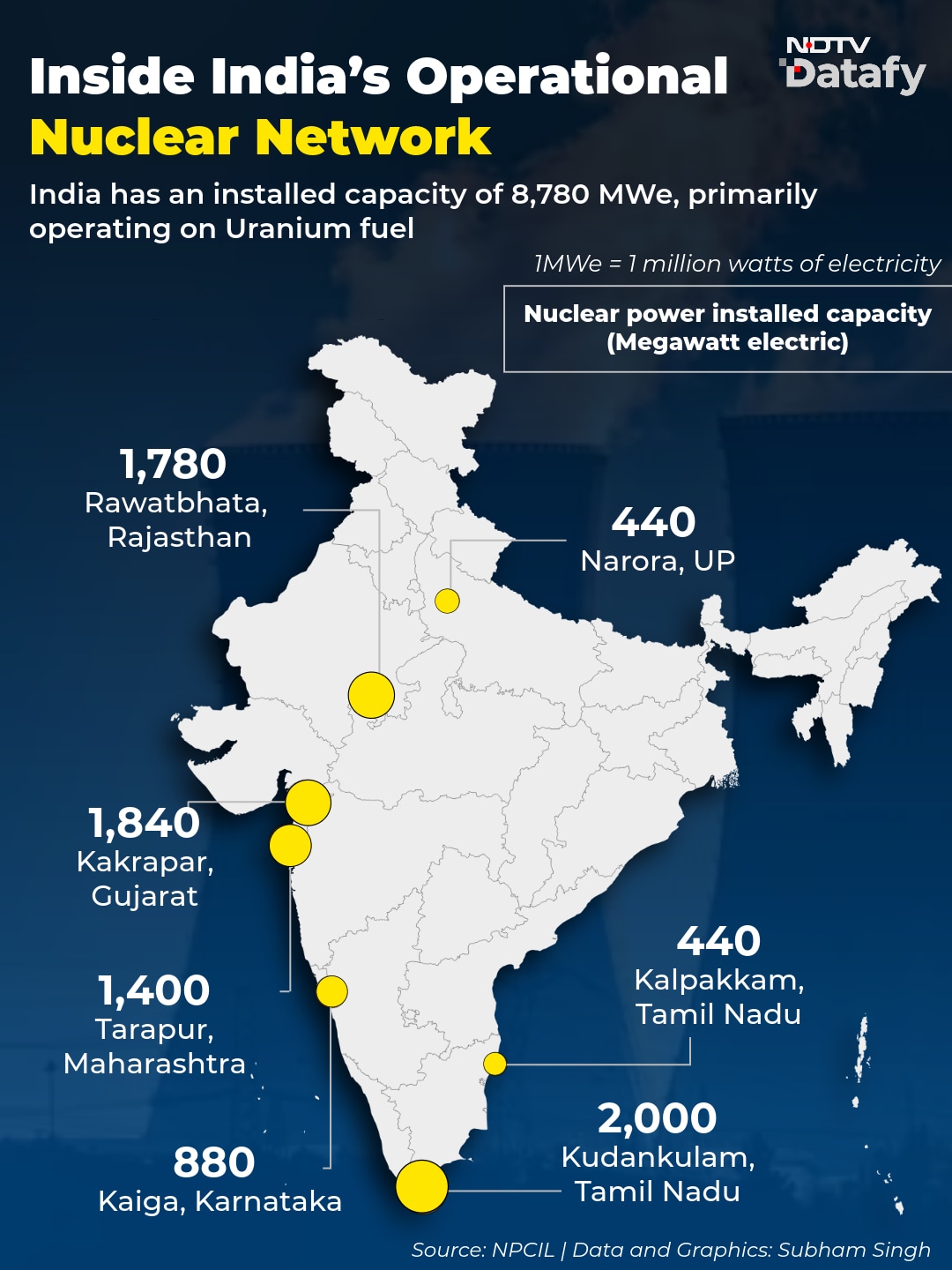
However, India's operational nuclear network runs overwhelmingly on uranium-based reactors. Seven plants are spread across the country. Among them, Kudankulam in Tamil Nadu is the single largest site with 2,000 MW of installed capacity, followed by Kakrapar in Gujarat 1,840 MW and Rawatbhata in Rajasthan 1,780 MW. Older stations such as Tarapur in Maharashtra with 1,400 MW and Kaiga in Karnataka with 880 MW continue to supply baseload electricity. Kalpakkam and Narora have a capacity of around 440 MW capacity each. Altogether, these plants give India close to 8.8 GW of nuclear generation capacity, all fuelled primarily by uranium.
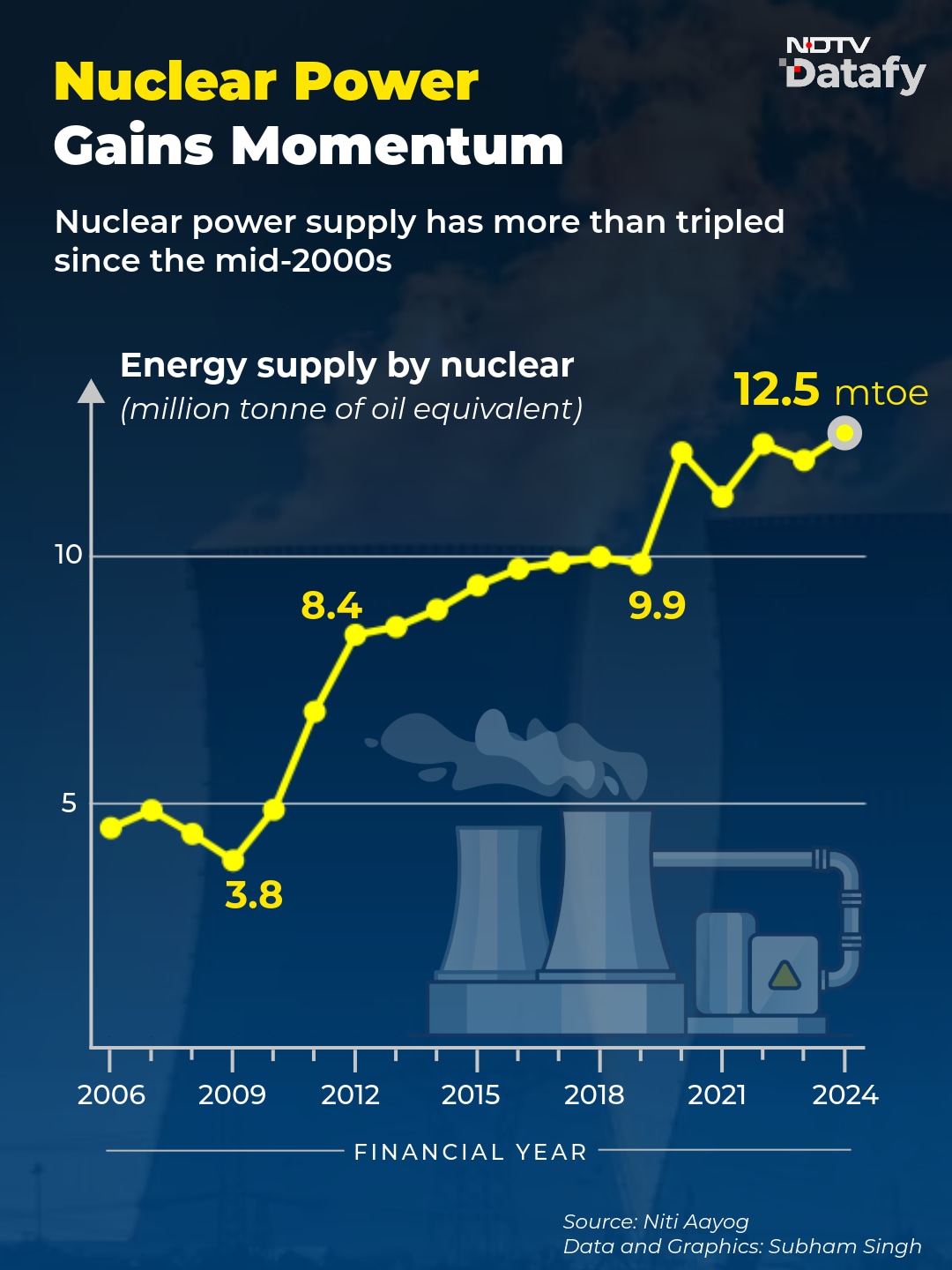
The impact of this network is visible in the retrospect as India's nuclear energy supply has nearly tripled since 2006. From 4.49 Mtoe (million tonne of oil equivalent) in 2005‑06, nuclear supply climbed steadily, crossing 10 Mtoe by the late 2010s and reaching 12.49 Mtoe in 2023‑24.
The Kalpakkam breakthrough, coupled with India's unmatched thorium reserves and the steady rise in nuclear energy supply underline a simple message: while uranium powers India's nuclear present, thorium remains central to its long‑term clean energy future.
Track Latest News Live on NDTV.com and get news updates from India and around the world

