





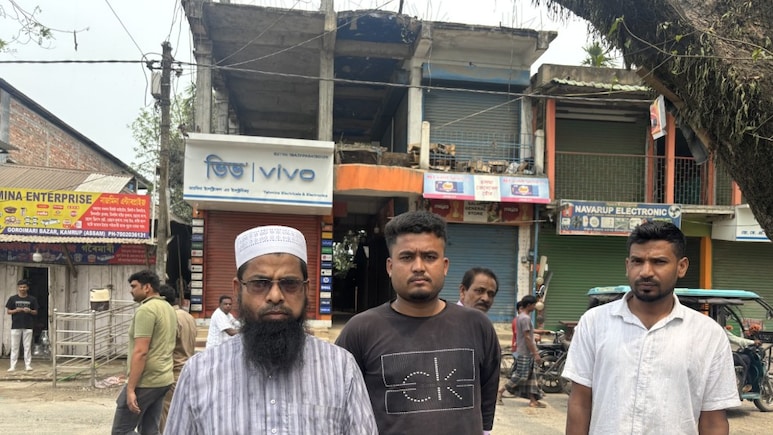
As Assam heads into a high-stakes election, the mood within its Muslim community, over 35 per cent of the state's population, reflects a complex mix of hope, anxiety, and shifting political loyalties. Within this, roughly 4 per cent are indigenous Assamese-speaking Muslims. The rest are Bengali-speaking Muslims, also referred to as 'Miyas'.
For decades, Muslims have played a decisive role in Assam's electoral politics. For years, this consolidation shaped electoral outcomes, with the Congress relying heavily on Muslim support as a key electoral base.
However the Muslims voters haven't remained totally homogenous. There are linguistic and cultural fragmentations leading up to differential voting patterns.
The rise of the All India United Democratic Front (AIUDF) founder Badruddin Ajmal consolidated much of the Bengali-speaking Muslim vote, allowing the party to emerge as a formidable force in some parts.
However, the 2024 Lok Sabha elections marked a turning point. Ajmal suffered a major setback, losing the Dhubri seat by over 10 lakh votes to Congress leader Rokibul Hussain, a result widely seen as indicative of a shifting political mood within the community. These shifts are unfolding against the backdrop of continuing debates around identity, citizenship, and representation.
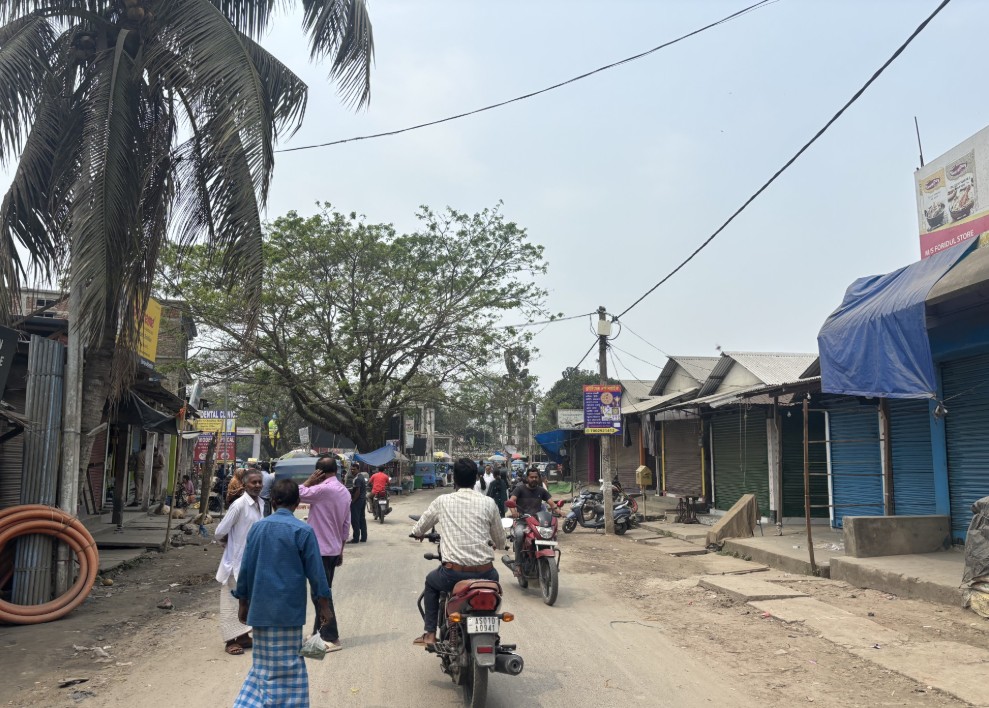
On the ground, these tensions and transitions are deeply felt.
In Lower Assam, where Bengali-speaking Muslims form a significant demographic, many voters express a desire for unity but also a sense of grievance.
In Samaria constituency's Goroimari, Humanyun Kabir, a local resident said, "We don't want any communalism in this election. We are all brothers and we want to live like this". "We have to become one, we want peace in Assam and India."
At the same time, he pushes back against identity labels: "We aren't 'Miya Muslims', it's very wrong. We are Indian Muslims." While acknowledging that "there are fewer riots and crimes than before," he adds that "the Bengali Muslim community is being targeted with people being evicted, houses are being removed."
"We get benefits from government schemes... we have been in India for a long time. We have all the documents," says Abdul Raees, underlining a recurring concern around citizenship and legitimacy.
For some, there is also a growing perception of a widening gap within the Muslim community.
"We need a change of government," says Robiul Hussain. "Earlier, the Muslim community was together, now there's a divide." Referring to the term Miya, he notes, "Miya Muslims are called Bangladeshi Muslims. This has damaged the community." Yet, he adds, "Assamese-speaking Muslims are with us and sometimes with them too."
"This is a new constituency. We don't want any violence this election and things should be done peacefully. Miya words are being misused. We are Hindustan's Muslims and will do anything for the country," another resident Sahidul Hussain said. "Eviction is on the illegal occupation of government land. Do evictions but the government should do something for resettlement," he added.
Geographically, these dynamics play out differently across the state.
Assamese-speaking Muslims are more concentrated in Upper Assam districts such as Jorhat, Sivasagar and Golaghat, while Lower and Central Assam, districts like Dhubri, Barpeta and Nagaon, have a larger presence of Bengali-speaking Muslims. These regional patterns continue to influence not just identity, but also political preferences and alliances.
In Upper Assam, Muslim voters said that they want development but the first expectation is peace and brotherhood. Some praised the state government for transparency in providing jobs, while others alleged that government schemes benefit those connected to the ruling party more.
Iqbal Hussain, from Kamarkhatowal village, said, "Before Hindu-Muslim, we are Assamese. Elections should be about development, not Hindu-Muslim divisions".
Nazrul Jilani, another villager, voiced anger, asking why the BJP didn't give a single ticket to a Khilonjia Muslim. He said, "whichever government comes, we want development, not discrimination. Peace is most important. Praising the BJP government, he noted that jobs were given without seeing Hindu-Muslim, so why raise Hindu-Muslim issues in elections now?"
"The CM says he loves Khilonjia Muslims-if so, why not one ticket?" asked Iqbal Hussain.
Expressing pain, he added that politics over "Miya Muslims" (Bangladeshi Muslims) affects them too. Drive out Bangladeshis, but also stop the poison spread on social media."
Assam Muslims have multiple descendants: East Bengal settlers (present day Bangladesh), migrants from North India, Barak Valley Muslims, and Assamese-speaking groups such as the Goriya, Moriya, and other Axomiya Muslims in Upper Assam. There are also tea garden Muslims and communities identifying as "Desi Muslims," many of whom politically assert indigenous roots, with some tracing links to Koch, Goalpara with Rajbanshi-speaking backgrounds.
Track Latest News Live on NDTV.com and get news updates from India and around the world

