- Hair extensions in India may contain toxic chemicals like benzene, formaldehyde, and phthalates
- A US study found hazardous compounds in 44 hair extension samples, raising safety concerns
- Indian hair extensions lack transparent labelling, exposing consumers to unregulated chemicals
Hair extensions have been a quick fix for glamour, volume, and length, especially when they are made from natural hair. From red carpets to everyday salons across India, they are a booming beauty trend. But a new study published in Environment and Health has raised serious concerns for both synthetic and natural hair extensions, which may contain toxic chemicals. These chemicals include benzene, formaldehyde, and phthalates, which are all linked to cancer, hormone disruption, and respiratory issues. The unregulated beauty market manufactures hair extensions for Indians in bulk, as many women are looking to increase the volume in their hair and project a healthy bounce without waiting for natural growth. If you happen to use hair extensions or are planning to, you need to know this for safety reasons.
Another demographic that uses hair extensions that needs to be vigilant is people who have fragmented hair loss patches or are suffering from hair loss due to genetic or serious diseases. People who are undergoing chemotherapy for cancer often use synthetic or natural hair extensions to maintain their natural appearance. And this study proves that the chemical exposure can further damage their health, which is already under attack, fighting a serious health ailment.
What the Global Study Found
Researchers from the United States analysed 44 hair extension samples and discovered a wide variety of hazardous compounds. These included volatile organic compounds (VOCs), endocrine disruptors, and carcinogens (cancer-causing agents). The study warns that prolonged scalp contact, combined with heat styling, can increase chemical exposure. While the presence of these chemicals does not automatically mean proven harm, the findings highlight a regulatory gap in the beauty industry.
Why This Matters For Indians
India is one of the largest markets for natural hair extensions, with Tamil Nadu and Andhra Pradesh being major suppliers of temple hair. A 2024 report by the Indian Journal of Dermatology noted that hair products in India often lack transparent labelling, leaving consumers unaware of chemical treatments used during processing. Even the people who donate their hair for noble causes are unaware of the hidden processing of their hair for commercial purposes. The salons frequently use adhesives and bonding agents that may contain formaldehyde or toluene, raising risks of scalp irritation and long-term health effects. So, it is important to always confirm what is being applied to your naturally occurring hair during hair extension sessions.
Additionally, a study from AIIMS Delhi (2023) highlighted rising cases of contact dermatitis and respiratory allergies among salon workers exposed to hair extension adhesives and styling sprays. This underscores that the issue is not just cosmetic; it is occupational and a public health issue for both the user and the person applying it.
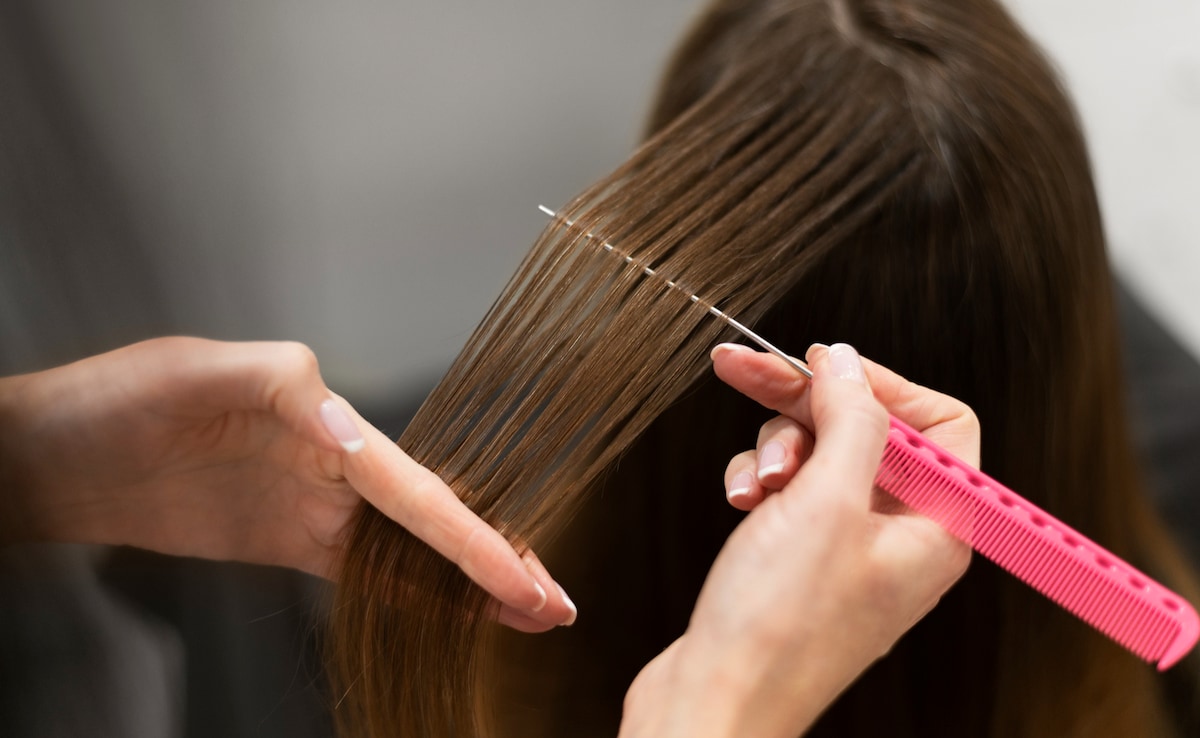
Hair extensions being weaved into natural hair
Photo Credit: Freepik
6 Health Risks Linked To Toxic Chemicals
There are various health risks associated with the toxic chemicals used in hair extensions. The problem lies in the flagged chemicals that have been extensively studied for their correlation to cancer, disrupting normal hormonal function, and the problems associated with their long-term exposure. As young women in India are increasingly using hair extensions for various reasons, the toxic chemicals in natural hair extensions could prove damaging to their health. The exact duration of keeping hair extensions in your natural existing hair also impacts the way your scalp could be exposed to possible chemicals. It is generally advised to remove clip-in hair extensions before sleeping to avoid any tangling, matting, or frictional damage. While tape-in or permanent hair extensions need special routines to preserve their quality. So, the risk is even greater with tape-in or permanent hair extensions as per the findings in this study.
Here is a list of the health risks that you should be aware of to be safe:
- Cancer risks due to benzene and formaldehyde, which are classified as cancer-causing chemicals.
- Hormonal disruption is possible due to the presence of phthalates, which can interfere with endocrine function, potentially affecting fertility.
- Respiratory issues are a possibility, as VOCs are released during heat styling, which can trigger asthma and chronic cough.
- Skin problems are possible, as adhesives and chemical coatings used in hair extensions often cause dermatitis, itching, and scalp inflammation.
- Dr Narayanan A., Consultant, Dermatology, SRM Prime, Chennai, spoke to NDTV and had this to say about the latex gloves used during hair extension sessions, “allergic reactions to acrylates, rubber, and metals are well recognised in clinical practice. There may be latex exposure, in particular, which has been linked to contact allergies and, in rare cases, contact anaphylaxis.
- Another common complication is traction alopecia, a form of hair loss caused by continuous pulling or tension on the hair roots due to these extensions."
Why Regulation Is Urgent In India
Unlike Europe, which enforces strict cosmetic safety standards, India's beauty industry remains loosely regulated. Imported hair extensions often bypass chemical safety checks, while domestic products rarely disclose processing agents. With the Indian hair extension market valued at over INR 250 crore, reports argue for stronger oversight, mandatory labelling, and consumer awareness campaigns. But to establish practical viligance and to be safe right now, NDTV spoke to Dr. K R Sharmatha, Senior Consultant, Dermatology, SIMS Hospital, Chennai, and he had this to say about reducing your chemical exposure from hair extensions: he says. "It is very important to choose extensions and styling accessories from reputable sources. Along with this, it is also necessary to give the scalp regular breaks to reduce the cumulative exposure."
Also Read: Hair Transplant: Common Myths And Facts To Know Before You Head In For Treatments
Safer Choices For Consumers
Speaking to NDTV, Dr. Katheeja Nasika, Consultant, Department of Dermatology, Rela Hospital, Chennai, had this to say about practically using hair extensions safely. He says, " not to use them regularly and not to make them too close to the scalp. In case extensions are being done, make it a little away from the scalp and have some free space with no extensions. If the stylists are going to do the installation of extensions, it should be done in a well-ventilated area, not in a closed space, preferably while wearing a mask. Ideally, do not heat-style the extension hair, and try using extension hairs that are 100% labelled with no hidden components in hair extensions."
There are safer choices for consumers that can make sure you remain safe if you want to use hair extensions; these are as follows:
- Opt for certified chemical-free extensions where available by reading the labels to figure it out.
- Limit the use of adhesives; prefer clip-in methods, so they look natural, and you are safe from possible chemical exposure.
- Avoid excessive heat styling to reduce VOC release.
- Wash extensions thoroughly before use, as this can reduce your toxic chemical exposure to a certain extent.
- Ask salons about sourcing and chemical treatments before getting hair extensions put in.
Hair extensions may be a beauty staple, but the new evidence is a wake-up call. For Indian consumers, where temple hair and salon culture dominate, awareness and regulation are critical. As the study shows, beauty should not come at the cost of health. By choosing safer alternatives and demanding transparency from manufacturers, you can help protect your personal well-being and public health.
Disclaimer: This content, including advice, provides generic information only. It is in no way a substitute for a qualified medical opinion. Always consult a specialist or your own doctor for more information. NDTV does not claim responsibility for this information.