

)
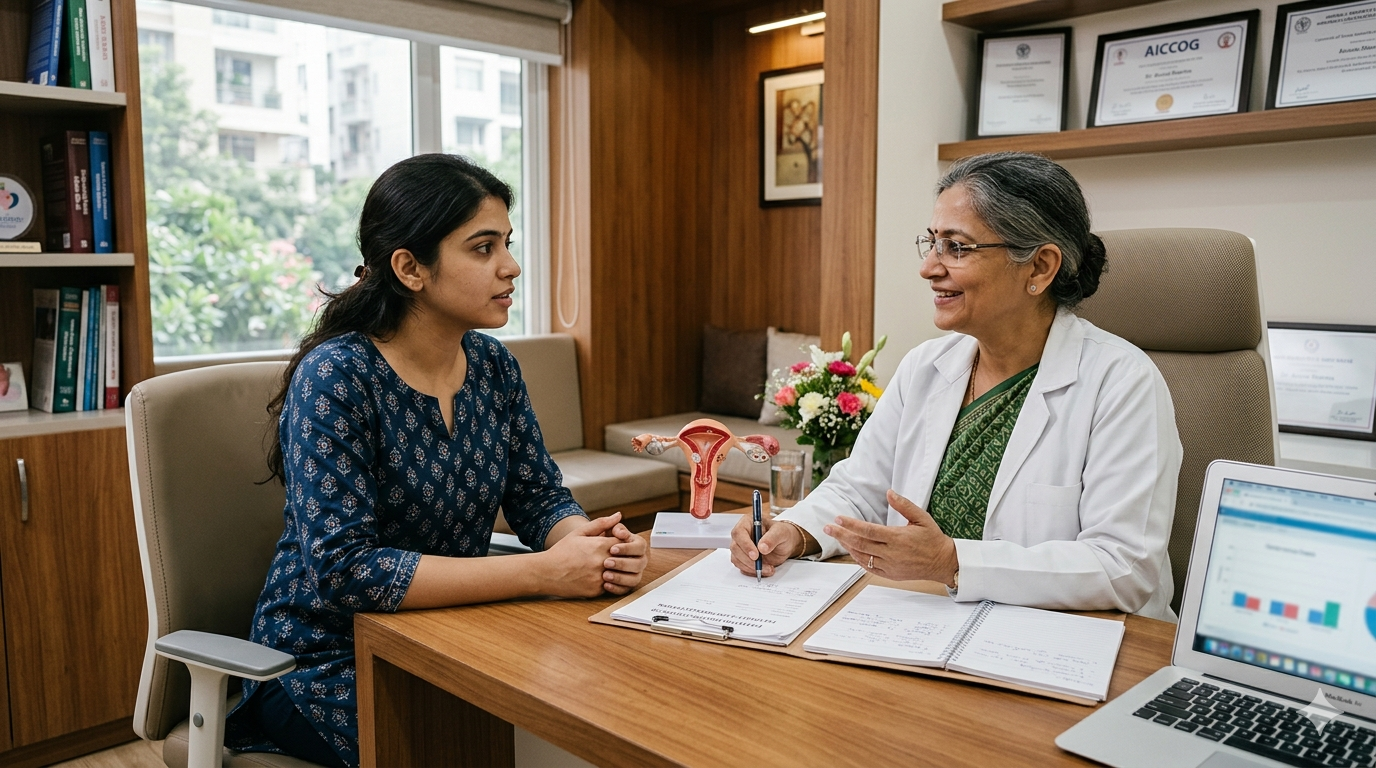
Over the past few years in my practice as a fertility specialist, I've noticed a deeply concerning trend. Women are coming to me with severe hormonal and metabolic issues at younger and younger ages. Conditions that I used to see only in patients in their late twenties or thirties are now showing up in teenagers and college students.
Yes, we have better diagnostic tools now, and awareness is higher, but that doesn't explain the whole picture. There is a real, global shift happening in women's health right now, and we need to talk about it. When these young women sit in my clinic, they usually share the same frustrating list of symptoms:
- Periods that never seem to arrive on time.
- Unexpected weight gain despite no major changes in lifestyle.
- Persistent acne and unwanted facial or body hair growth.
- Constant tiredness, low energy, and frequent mood swings.
Most of them are shocked when I connect the dots for them. They don't realize that these aren't isolated issues; they are the outward signs of an underlying metabolic storm that has been brewing for years.
The Modern Catalyst: Early Puberty and Lifestyle Shifts
The main reason behind this growing concern is that girls are reaching puberty earlier than previous generations, meaning they are exposed to hormonal changes at a younger age while their bodies are still developing. When early puberty is combined with modern lifestyle habits-such as excessive screen time, reduced physical activity, processed foods, and irregular eating patterns-it can put extra pressure on the body's hormonal system. While these habits may seem harmless on their own, over time they can severely affect metabolism and hormone balance. These are the vital reasons why we are seeing more cases of Polyendocrine Metabolic Ovarian Syndrome (PMOS), thyroid disorders, and insulin resistance among young girls and women today.
It is also important to note that our understanding of PMOS has evolved significantly in recent years. The condition is increasingly being referred to as Polyendocrine Metabolic Ovarian Syndrome (PMOS) by some experts, highlighting the fact that it is not merely a reproductive disorder but a broader metabolic condition. This shift in terminology reflects the growing recognition that insulin resistance, inflammation, weight management, and long-term metabolic health are central to the condition and should be addressed alongside reproductive concerns.
Getting to the Root of the Problem
To fix this, we have to stop treating symptoms as if they exist in a vacuum; instead, we need to look at the root causes.
1. The Silent Rise of Insulin Resistance
We used to think of insulin resistance as an "older adult" problem, something tied closely to type 2 diabetes. Not anymore. I routinely diagnose it in teenagers now. When your body becomes numb to insulin, your pancreas pumps out more to compensate. High insulin spikes your androgen (male hormone) levels and completely disrupts ovulation. The scary part? It happens silently in the background for years before you notice a single symptom.
We need a massive mindset shift here. PMOS is primarily a metabolic and inflammatory condition, not just a reproductive one. It's not just about irregular periods or cysts on an ultrasound. If left unchecked, PMOS opens the door to type 2 diabetes, heart disease, and mental health struggles down the road. We cannot focus solely on managing the symptoms; we must address the underlying metabolic imbalance driving the condition.
2. The Epidemic of Sleep Deprivation
I ask my patients how much sleep they get, and the average answer is five to six hours-usually spent scrolling on a phone in the dark beforehand. Sleep is the ultimate hormone regulator. When you expose your brain to late-night blue light and cut your sleep short, you sabotage the hormones that control your:
- Metabolism
- Appetite
- Stress
- Fertility
3. Chronic Stress and the Cortisol Trap
Today's young women are under an enormous amount of pressure. From academic competition and career uncertainty to social media comparisons and the constant need to appear successful, many feel they must always be performing at their best. This stress can keep the body in a continuous state of "fight or flight," where it feels constantly alert and under pressure.
As a result, the body produces higher levels of cortisol, commonly known as the stress hormone. Persistently elevated cortisol can interfere with important hormones such as estrogen, progesterone, and thyroid hormones, affecting menstrual cycles, energy levels, mood, metabolism, and overall well-being. This is one of the primary reasons why chronic stress has such a significant impact on hormonal health.
Listening to Your Body's Early Warning Signals
So many patients tell me, "Doctor, my periods were always perfectly on time, and then suddenly everything just went haywire." If your body is suddenly changing-if you're exhausted, losing hair, or breaking out-do not brush it off as a minor annoyance. Your hormones are constantly reading your environment. They are sending you an early warning signal that your system is under strain from stress, poor sleep, or nutritional gaps.
Empowering the Next Generation
As a fertility specialist, my job isn't just to help women get pregnant when they are ready. My goal is to help them build a rock-solid foundation of health long before they ever think about starting a family.
We need to stop waiting for women to get sick before treating them. We need to teach young girls about cycle health, nutrition, and stress management early on. By understanding how deeply connected our daily habits are to our reproductive health, we can empower the next generation of women to take control of their futures.
(By Dr. Snehal Kohale, Founder of Good Vibes Within & Ova Care, Senior Consultant in Reproductive Medicine, IVF, Gynecological Health & Oncofertility)