

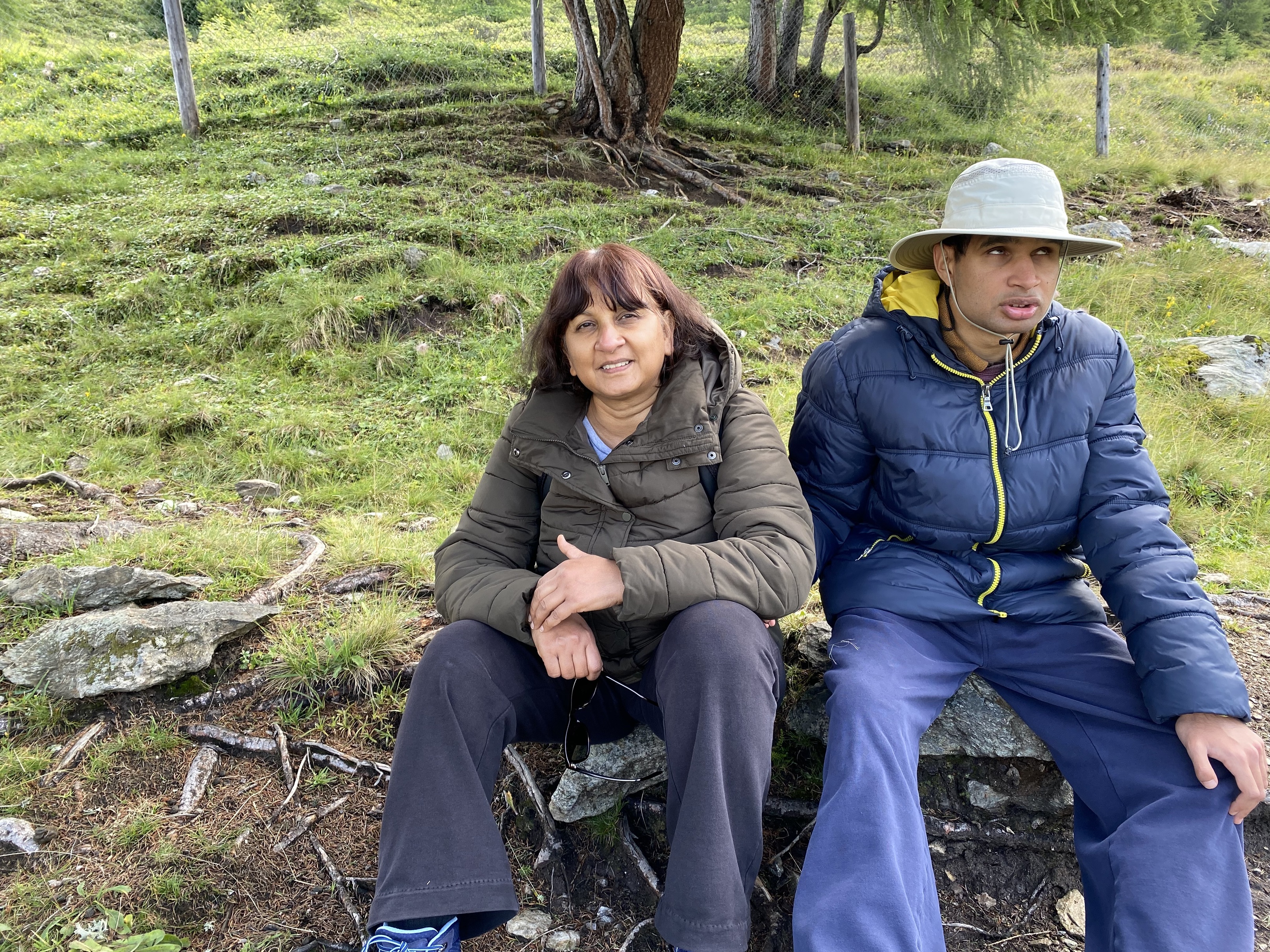
)
When Meenu Hodiwalla gave birth to her son almost three decades ago, she imagined the early days unfolding like they do for most new parents - tiny fingers curling around hers, the baby's eyes instinctively searching for her face, a first smile triggered by recognition. Instead, she was met with a quiet, unsettling absence. "The first and only sign was the fact that my son was not looking at me when I held him," she remembers. That moment, subtle, almost imperceptible to anyone else, marked the beginning of a long, difficult journey with a rare genetic disorder.
What Meenu did not know then was that her son, Ruzbeh, had Norrie Disease, an ultra-rare X-linked recessive genetic disorder caused by mutations in the NDP gene, leading to congenital blindness, progressive hearing loss, developmental challenges and autism spectrum features. Only a few hundred cases have ever been documented worldwide. Awareness in India is almost non-existent. The result is predictable but devastating, with delayed diagnosis, misdiagnosis, missed early interventions and families forced to navigate a labyrinth of uncertainty alone.
A Mother's Instinct: "Something Was Not Quite Right"
The early signs of Norrie Disease are deceptively subtle. In Meenu's case, her baby seemed healthy. He fed well, gained weight and showed no outward abnormalities. But something about his eyes unsettled her. "He was not looking at me, not responding visually the way babies do," she says.
Her paediatrician dismissed it as normal variation. "He told us babies develop at different rates, just give it more time," she recalls.
Those reassurances, well-meaning, but uninformed, are common in ultra-rare diseases. As weeks turned into months, nothing improved. At 3.5 months, a neurologist finally recommended deeper evaluation. Eye examinations under anaesthesia revealed the first true red flag in the form of bilateral retinal detachment. "We were totally dazed," Meenu reminisces. "Suddenly things went from 'don't worry' to 'something is seriously wrong.'"
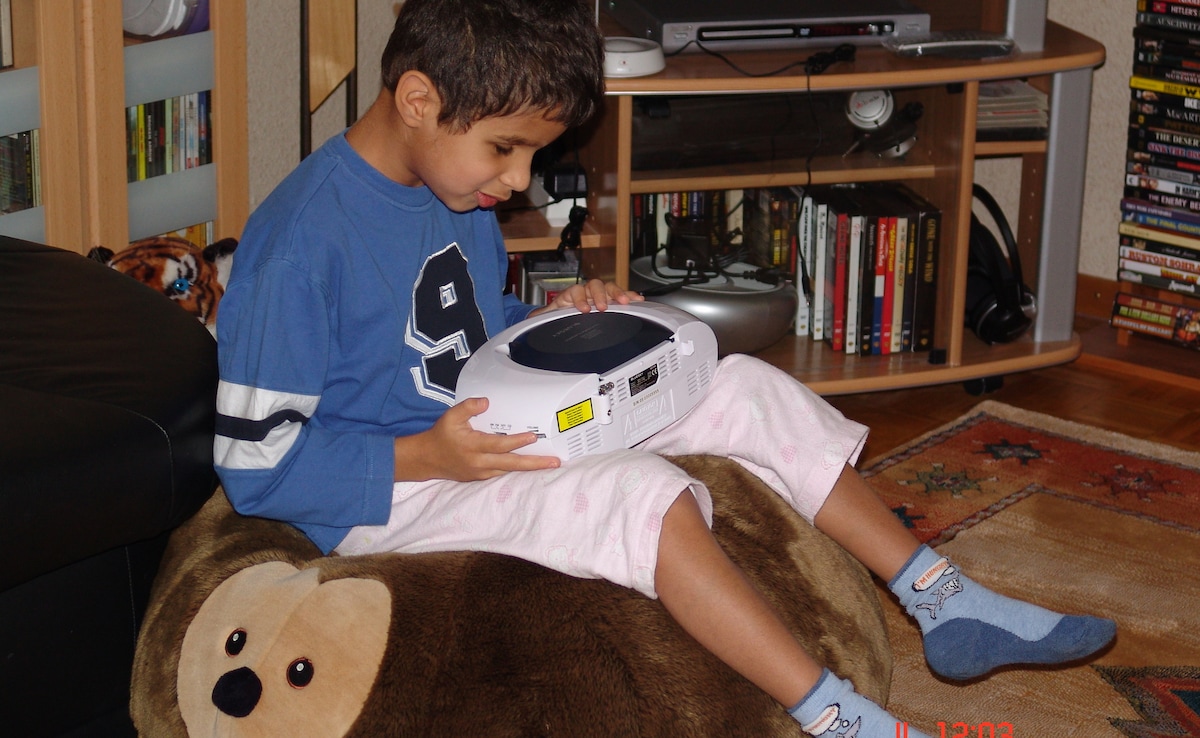
Ruzbeh finds immense joy in music
Photo Credit: Meenu Hodiwalla
Why Norrie Disease Is Missed: "Most Doctors Never See A Case In Their Lifetime"
According to Dr Nathaniel John Pinto, Consultant - Paediatrics, Manipal Hospital Goa, "Norrie Disease is often underdiagnosed because the early signs are subtle - lack of face regard or social smile, no response to sound, or a white pupil reflex (leukocoria). These are frequently missed, delaying diagnosis."
Dr Shruti Bajaj, Consultant - Clinical Genetics, SRCC Children's Hospital, adds: "Only 15% of boys with Norrie Disease develop additional neurodevelopmental symptoms early, so ophthalmologists often misdiagnose it as simple congenital blindness."
She explains that bilateral and symmetric eye findings should always prompt suspicion, especially in boys. "Norrie should be considered in any male child with bilateral leukocoria or microphthalmia."
India's situation is more challenging. Dr Nanditha Rathinam, Consultant - Paediatrics, Manipal Hospital Bengaluru, points out: "Even globally, the incidence is extremely low... in India, the first case report was published only in 1991. Most paediatricians never encounter a single case in their career."
Also Read: Before You Conceive: Why Genetic Counselling Should Be Your First Step
When The Truth Finally Arrived: "It Came As A Hammer Blow"
Hope became heartbreak during a trip to the UK for further testing. A VEP (visual evoked potential) test in India had earlier shown some response, making Meenu believe surgical intervention might help. But specialists in London suspected Norrie Disease immediately. They told her the condition was untreatable, that retinal surgery would not restore vision, and that she should focus on rehabilitation.
"I can still hear his words in my head. I burst into tears," Meenu says. "There was no empathy, just a monotone delivery." The confirmed genetic report arrived months later, by post, from a laboratory in the Netherlands. In 1999, India had no access to NDP gene testing. Even the UK had no local testing available then.
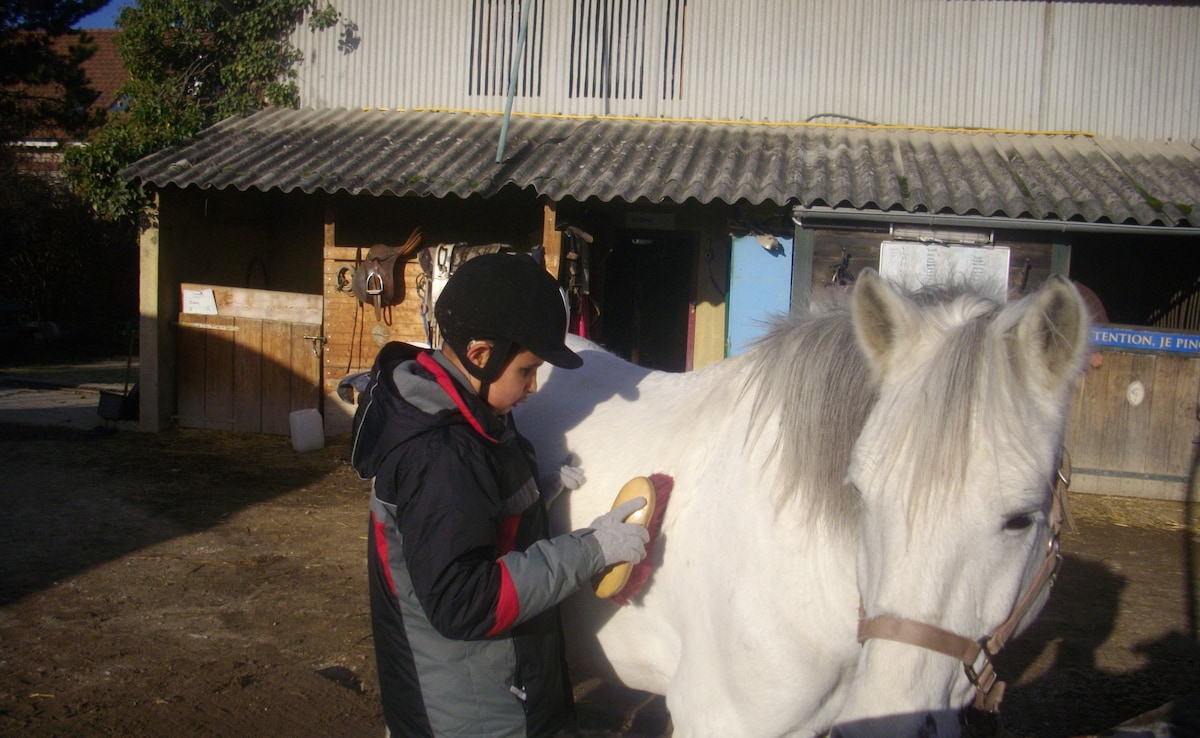
Activities like equine therapy provide structure to Ruzbeh's life
Photo Credit: Meenu Hodiwalla
Understanding Norrie Disease: The Science Behind The Devastation
While the diagnosis for Ruzbeh changed his family's life forever, there is a lot of information that his parents perhaps didn't get immediately at that time. Norrie Disease, like many rare diseases, leads to many related health issues throughout a child's lifetime.
1. Congenital Blindness
Norrie Disease is caused by mutations in the NDP gene, which encodes norrin, a protein vital for retinal blood vessel development. Without norrin, the retina forms abnormally, causing:
- bilateral retinal detachment
- avascular retina
- pseudoglioma
- complete loss of vision
Meenu remembers: "My son had no vision, not even light perception. Both retinas were completely detached."
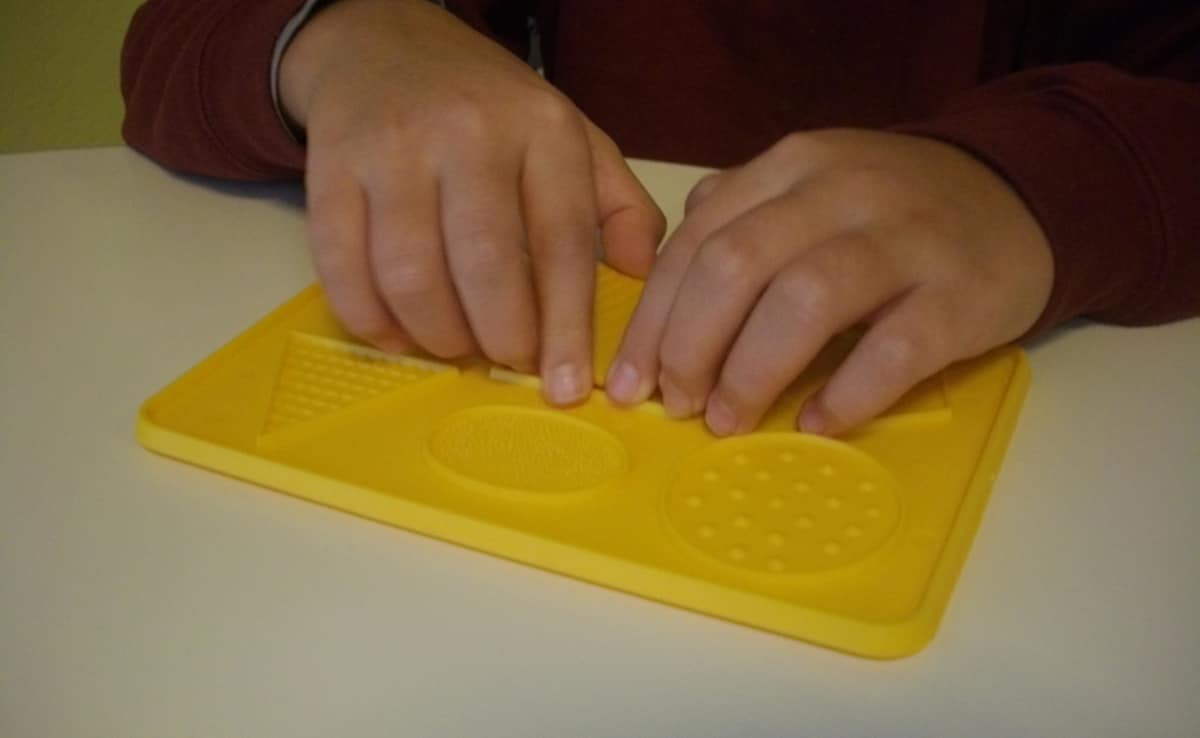
Young Ruzbeh, in his pre-braille classes
Photo Credit: Meenu
2. Progressive Hearing Loss
Up to 80% of patients experience sensorineural hearing deterioration, typically beginning in late childhood or adolescence. For Meenu, this was devastating: "Being blind, my son relies entirely on his hearing. The decline is depressing and demoralising."
3. Neurodevelopmental And Behavioural Challenges
Depending on the mutation, children may develop autism, cognitive impairments, seizures or behavioural dysregulation. Meenu shares: "We have to plan each day well in advance. He needs his days to be very structured. Changes to his routine can lead to frustration which then leads to aggression - he hits his head, he hits us, scratches us... His anxiety levels are very high - he constantly seeks to be reassured. It is exhausting."
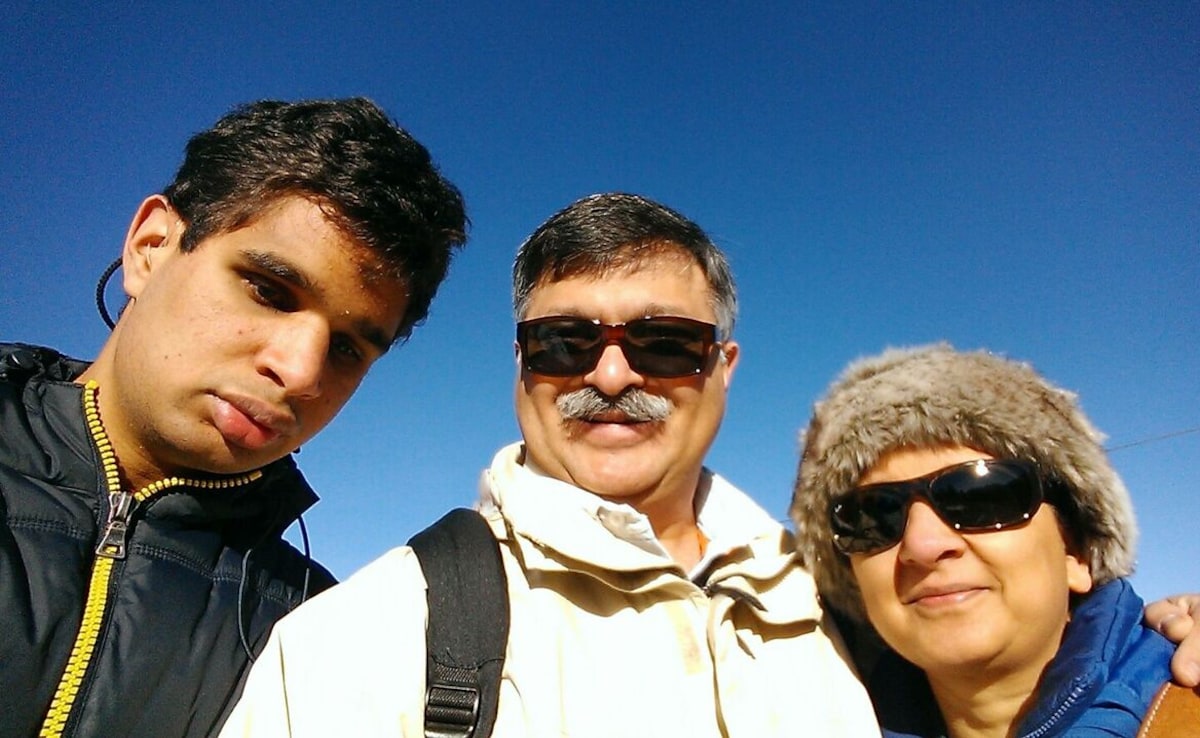
An ultra-rare genetic disease changed the Hodiwalla family's life forever
Photo Credit: Meenu Hodiwalla
The Lifelong Impact: A Family's Daily Reality
Meenu explains that over 27 years, Norrie Disease reshaped every part of their lives.
- Communication Challenges: Her son resists wearing hearing aids due to sensory issues. His institution in Geneva has now introduced him to tactile sign language and auditory rehabilitation in anticipation of further hearing loss.
- Daily Structure and Joy: "He loves music, piano, long car rides up and down mountains... it brings him pure joy." At his residential facility, he participates in piano lessons, woodworking, handmade paper production, braille classes, structured routines, swimming, wall climbing and winter snow-shoeing. For a child with profound sensory impairments, these activities are lifelines.
India's Rare Disease Crisis: "We Are Still Not Ready"
Meenu states bluntly: "It is a shame that while India is seen as a global power, the country does little for the weakest members of society - the disabled." And the simple fact is, not all families in India have access or the means to get screenings for rare genetic disorders done either. This certainly adds to the healthcare gap. Dr Shruti Bajaj outlines the systemic gaps and lists what India urgently needs are:
- routine newborn eye and hearing screening
- affordable genetic testing through accredited labs
- tele-genetics platforms for families in remote states
- expanded genetic counselling workforce
- rare disease registries
- steady funding through the National Policy for Rare Diseases
"These steps would create a more holistic, equitable system of care," she says.
Dr Rathinam adds that multidisciplinary care should be standard: "Ophthalmologists, ENT specialists, neurologists, physiotherapists, occupational therapists - all must work together."
Is There Any Hope? Emerging Gene Therapy Research
For decades, no treatment existed. Today, researchers are experimenting with NDP gene replacement in animal models. Dr Bajaj notes: "Efforts are ongoing with scientists testing gene therapy on animal models with the NDP mutation." Dr Pinto adds encouragingly: "Modified virus delivery of NDP gene has slowed vision and hearing loss in animal studies... giving hope for future treatment." While human trials are still years away, these findings offer rare hope.
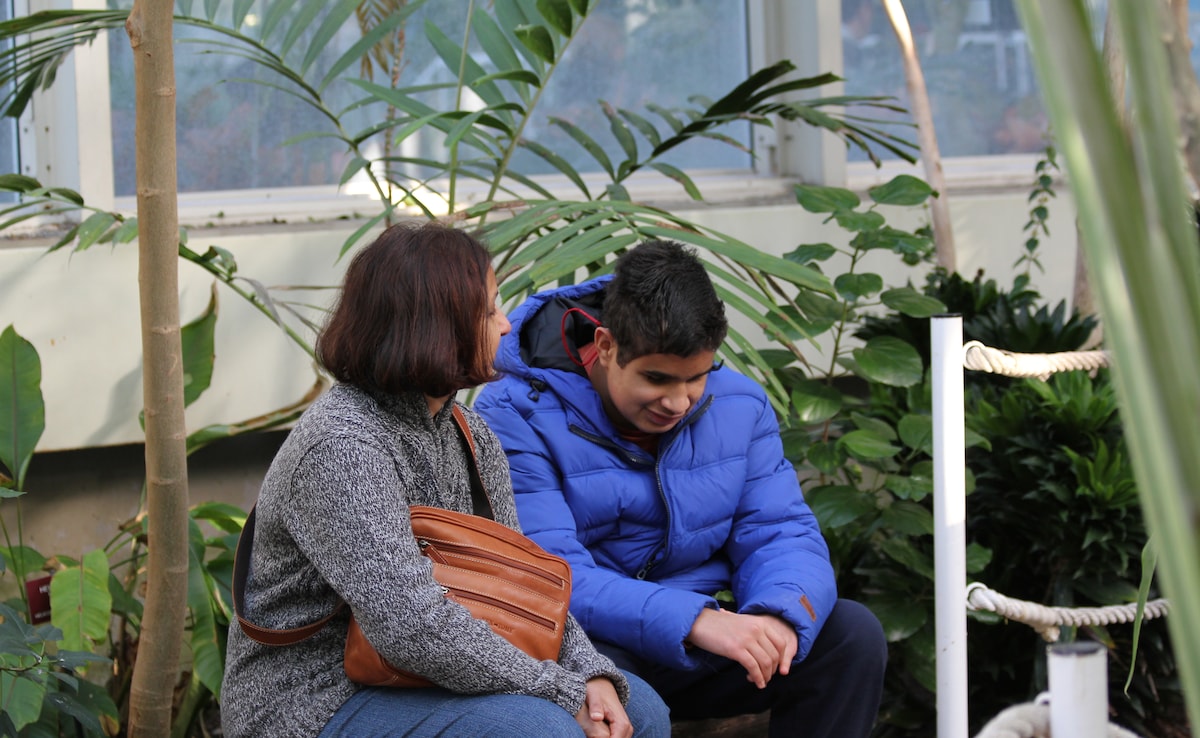
Meenu and Ruzbeh at botanical gardens
Photo Credit: Meenu Hodiwalla
A Mother's Voice: "Hope Is What Keeps Me Going"
Meenu is now an advocate, raising awareness about the Norrie Disease. She founded an international Norrie Disease support group: "We want to fundraise for treatments, especially for hearing loss and neurological symptoms... anyone with a Norrie child can join us." Her message to newly diagnosed parents: "Stay strong and hopeful... a blind person can live independently. Research is progressing. And go online - rare disease forums can help you narrow possibilities before testing."
And to policymakers and clinicians, this Indian mother recommends: "Listen to parents. Trust their instincts. And don't let rare diseases remain invisible."
Norrie Disease is more than a medical condition. It is a lifelong emotional, social and systemic challenge that reshapes entire families. Meenu Hodiwalla's story reveals how lack of awareness, delayed diagnosis and limited support systems can profoundly impact a child's developmental trajectory. It also shows the extraordinary resilience families muster when navigating a world that is often unprepared for rare genetic disorders.
"My son means everything to me... and I will always fight for him," Meenu says. Her journey illuminates the lived reality behind ultra-rare disorders - invisible to most, but deeply deserving of attention, compassion and science.
To join Meenu Hodiwalla and raise awareness about Norrie Disease, click here.
Disclaimer: This content including advice provides generic information only. It is in no way a substitute for a qualified medical opinion. Always consult a specialist or your own doctor for more information. NDTV does not claim responsibility for this information.