

)
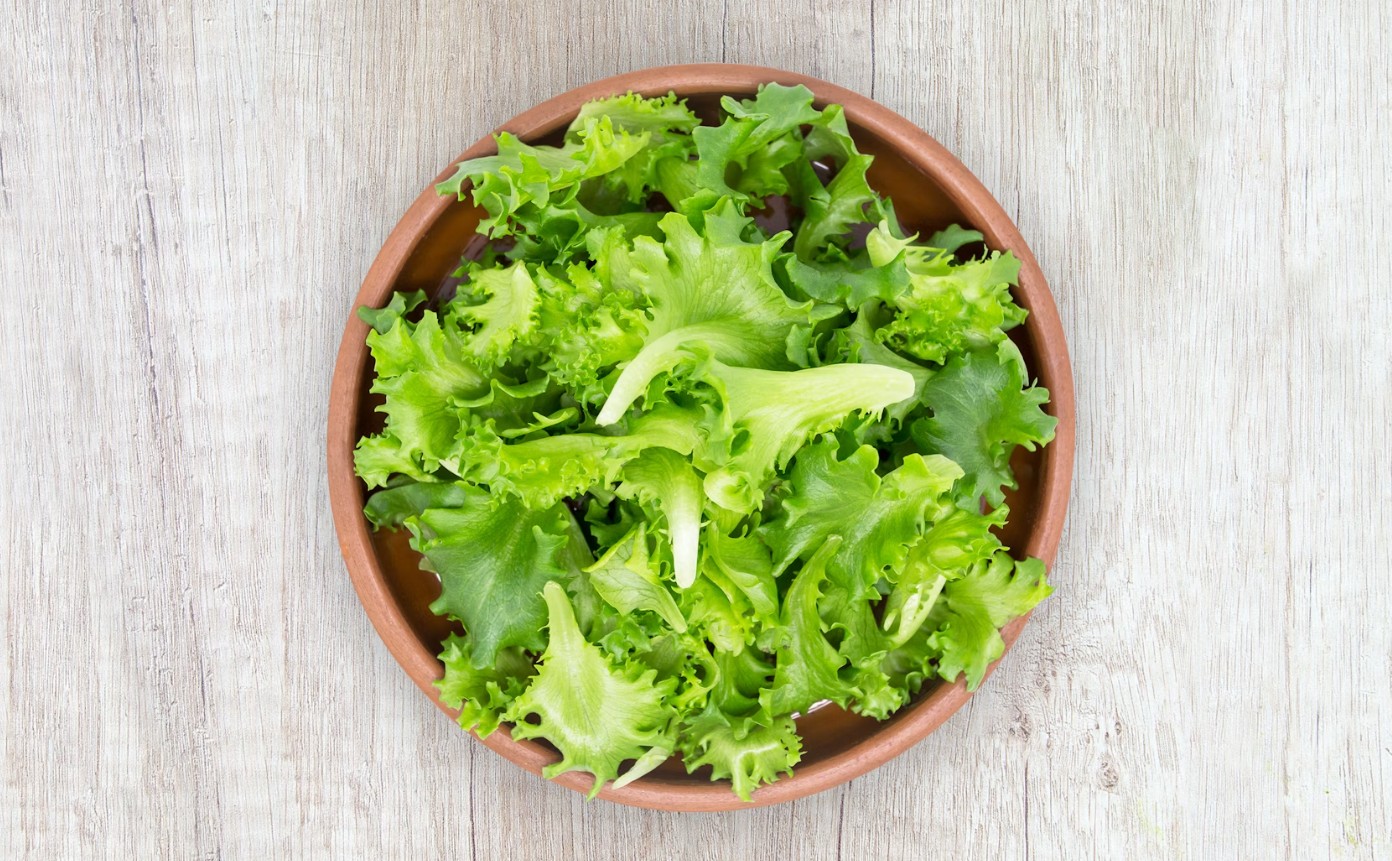
Salads – along with other fresh produce – are some of the healthiest foods you can eat. Leafy greens are rich in vitamins A, C and K, folate, potassium and magnesium. They also contain lots of fiber, which supports a healthy gut microbiome, promotes fullness, helps regulate blood sugar, and may contribute to healthy aging and better cognitive function.
But an ongoing 2026 outbreak of cyclosporiasis, caused by the cyclospora parasite, has sickened more than 11,500 people across the United States with explosive diarrhea and other gastrointestinal symptoms and has put a damper on salad consumption. A poll released on July 26 reports that 40% of U.S. adults have cut down on buying and eating fresh produce. News of egg and blueberry recalls, plus an investigation into a new, separate cyclospora outbreak, has not helped.
As an immunologist and infectious disease specialist studying how germs spread and cause illnesses and outbreaks, I know it's impossible to entirely eliminate your risk of being infected with microbes that can contaminate foods, such as cyclopsora, E. coli and salmonella.
But rather than avoiding fresh produce, adopting a few sensible food safety practices can help you significantly reduce your risk of getting sick while continuing to enjoy the many health benefits and flavor perks of salads and fresh veggies.
During an active outbreak, washing your prewashed greens is a good idea. But better still would be choosing a whole head of lettuce that you wash at home.
The perks of prewashed produce
Bagged lettuce and other veggies, often labeled “triple washed” or “prewashed” and marketed as ready to eat, have become very popular. The packaging gives consumers confidence that the product has been commercially cleaned and helps save time when preparing fast, healthy meals.
Convenience is important: Research shows that when vegetables are easier to prepare and eat, people tend to consume more of them.
Commercial processors follow food safety practices, and millions of bags of produce are consumed safely each year. Normally, using prewashed lettuce right out of the bags is a low-risk move.
Commercial packaging risks
However, prewashed doesn't mean sterile. “Triple washed” or “ready to eat” means a product is cleaned to commercial standards, not that it is free of all harmful germs. And the same things that make prewashed vegetables convenient and appealing also introduce risk. That's because each stage of production – harvest, cut, wash, conveyor belt and packaging – creates another opportunity for contamination.
What's more, bagged lettuce often travels a considerable distance to consumers. This gives germs ample time to multiply, making contaminated food harder to locate and recall. During commercial processing, pathogen from a single contaminated leaf can spread to additional leaves through equipment or wash water, increasing the potential for cross contamination. Research also suggests that cut leaves release plant juices that may help bacteria survive and multiply.
Cyclospora is resistant to the chlorine and sanitizers commonly used to sanitize fresh produce, and routine washing may not completely remove the parasite. It's also a particularly persistent pathogen in that its eggs adhere tightly to the surface of leafy greens and other bumpy produce. For these reasons, preventing contamination during growing, harvesting and processing is the most effective strategy for reducing risk.
Benefits of whole, local lettuce
In the face of multiple outbreaks involving fresh produce, choosing whole heads of lettuce and washing them at home is a reasonable way to reduce risk. Strip off and throw away the outer leaves, wash the leaves you plan to eat under running water and dry them in a salad spinner or with paper towels.
Whole lettuce heads undergo less processing than commercially bagged lettuce, which means fewer chances for exposure to microbes that can make people sick. That's also true of locally grown produce. Local produce usually comes from smaller farms and gets to your plate in fewer steps, so it tends to be safer than mass-produced fruits and vegetables.
Buying lettuce at local farmers markets or farm stands – or even just choosing locally grown produce at your supermarket – can lower your risk of exposure during the current cyclosporiasis outbreak, which is suspected to come from commercial producers.
The upshot is that the health benefits of salad far outweigh the relatively small risk of foodborne illness – particularly if you follow these three simple rules:
-
Opt for whole heads of lettuce when possible, and rinse them well at home. Thoroughly scrub other produce with water and a produce brush, too.
-
When possible, buy locally grown produce, since nationwide outbreaks generally come from large commercial producers.
-
If you do go for bagged and prewashed greens and other produce, give them a good rinse even when they say “prewashed.”

Lisa Cuchara, Professor of Biomedical Sciences, Quinnipiac University
This article is republished from The Conversation under a Creative Commons license. Read the original article.