- Zinc is essential for immune function, wound healing, and enzyme activity in the body
- Supplements may help those with deficiency or certain health conditions under guidance
- Excess zinc intake can cause nausea, nutrient imbalances, and weakened immunity
Zinc is an essential mineral required for numerous biological processes in the human body. It plays a crucial role in immune function, wound healing, DNA synthesis, cell growth and the proper functioning of enzymes. Because the body cannot produce or store zinc in large amounts, it must be obtained regularly through diet or supplements. In recent years, zinc supplements have become increasingly popular, especially during cold and flu seasons, because of their perceived immune-boosting benefits. Many people take zinc to shorten the duration of common colds, support skin health or compensate for nutritional deficiencies.
However, health experts warn that more is not always better when it comes to zinc supplementation. While zinc is vital for health, excessive intake through supplements can cause adverse effects ranging from digestive discomfort to serious nutrient imbalances. According to the U.S. National Institutes of Health (NIH), the recommended dietary allowance (RDA) for zinc is 11 mg per day for adult men and 8 mg for adult women, and intake beyond recommended levels may pose health risks.
Understanding when zinc supplements are beneficial, and when they may do more harm than good, is essential for safe use. Experts emphasize that most people can meet their zinc needs through a balanced diet without relying on high-dose supplements.
Why Zinc Is Important For Your Health
Zinc is involved in hundreds of enzymatic reactions and plays a key role in maintaining normal body functions. Research shows that zinc helps:
- Support immune system function
- Promote wound healing
- Aid in cell growth and DNA synthesis
- Maintain normal taste and smell
- Support childhood growth and development
Because zinc participates in numerous biochemical pathways, deficiency can lead to symptoms such as weakened immunity, slow wound healing, hair loss and impaired growth in children.
Zinc is naturally found in many foods, including meat, shellfish, dairy products, nuts, seeds and legumes. For most healthy adults, a varied diet typically provides enough zinc to meet daily needs.
Also Read: Vitamin, Mineral Supplement Overuse May Mask Deficiencies, Warns Doctor: All About Toxicity
When Zinc Supplements May Be Helpful
Although most people obtain sufficient zinc through food, supplements may be recommended in certain situations.
1. Zinc Deficiency
Zinc deficiency is relatively uncommon in developed countries but may occur in people with restricted diets, digestive disorders or conditions that impair nutrient absorption.
Groups at higher risk include:
- People with gastrointestinal diseases such as Crohn's disease
- Vegetarians or vegans with limited dietary intake
- Pregnant or breastfeeding women with increased nutritional needs
- Older adults with reduced nutrient absorption
In such cases, healthcare providers may recommend zinc supplementation to restore normal levels.
2. Immune Support During Illness
Some studies suggest zinc may help shorten the duration of common cold symptoms when taken early in the illness. However, the evidence is mixed, and excessive dosing is not recommended. Experts emphasize that supplements should not replace medical treatment or balanced nutrition.
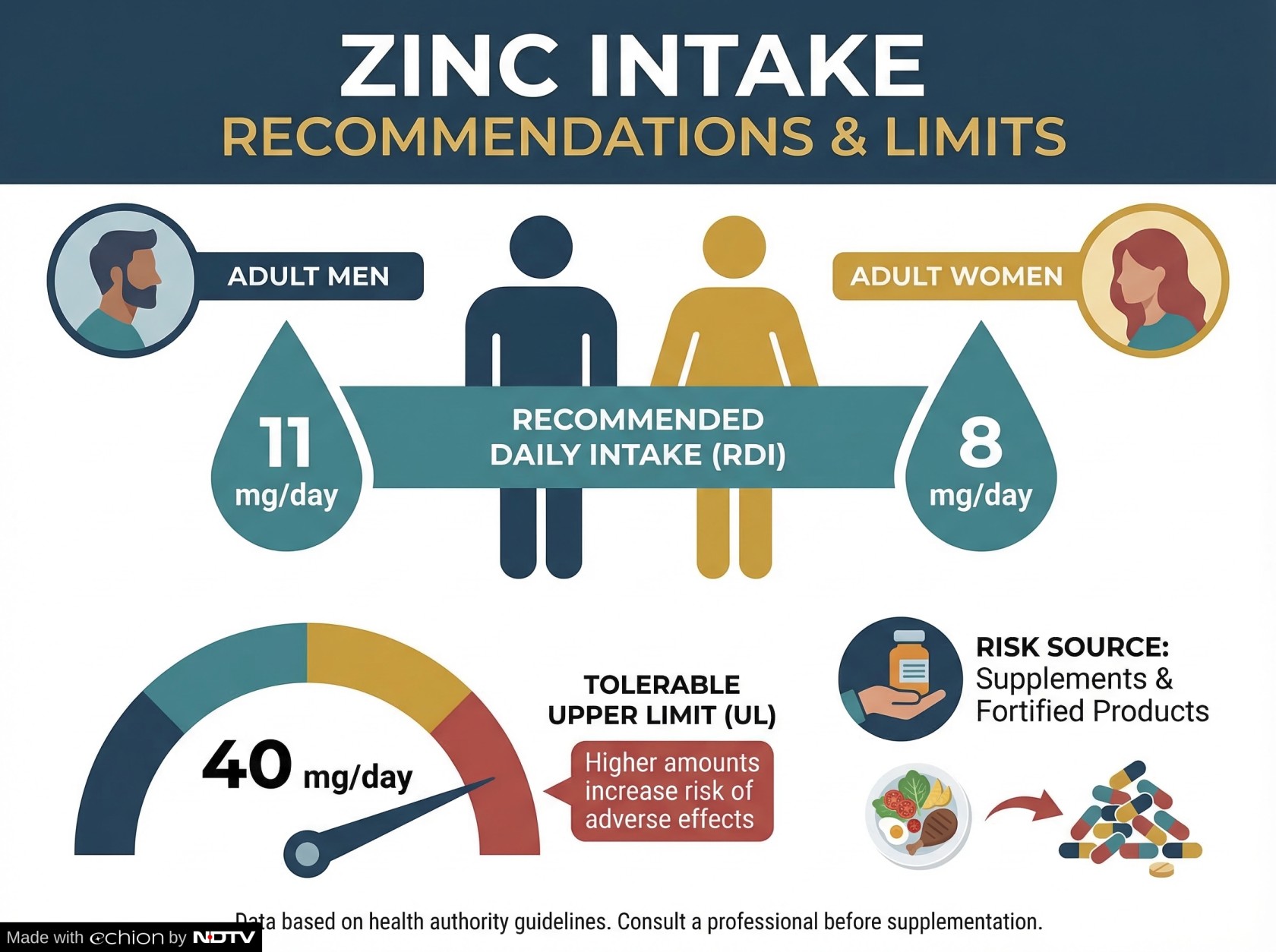
Recommended Daily Intake
Health authorities recommend moderate zinc intake to maintain optimal health.
Typical recommendations include:
- Adult men: 11 mg per day
- Adult women: 8 mg per day
The tolerable upper intake limit (UL) for adults is 40 mg per day, meaning higher amounts could increase the risk of adverse effects. While foods rarely provide excessive zinc, supplements and fortified products can easily exceed this limit if taken in large doses.
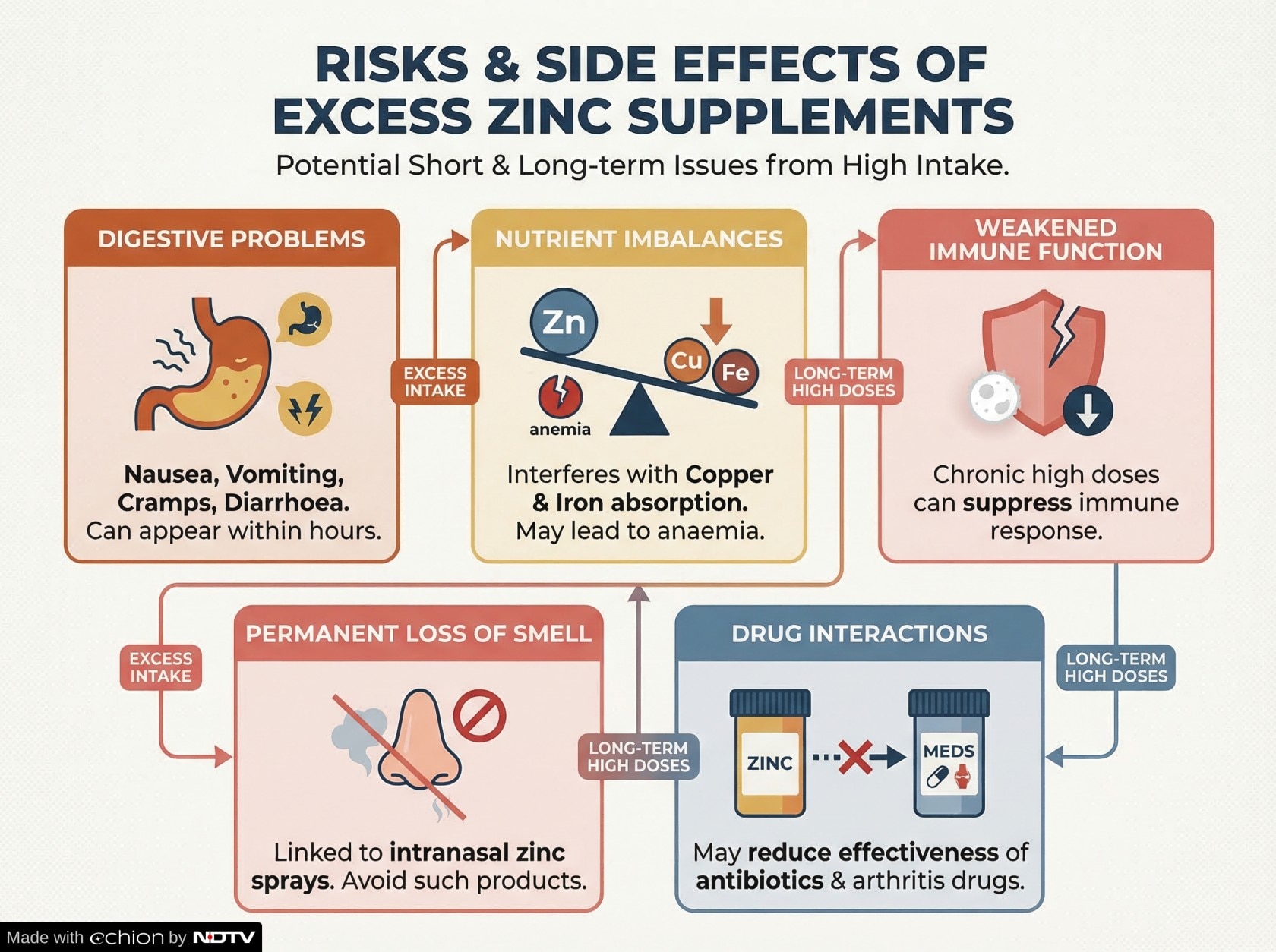
Risks And Side Effects Of Zinc Supplements
Taking zinc supplements in excessive amounts can lead to both short-term and long-term side effects.
1. Digestive Problems
High doses of zinc can irritate the gastrointestinal tract, causing symptoms such as:
- Nausea
- Vomiting
- Abdominal cramps
- Diarrhoea
These symptoms may appear within a few hours of ingestion, especially if the supplement is taken on an empty stomach.
2. Nutrient Imbalances
Long-term high zinc intake can interfere with the body's ability to absorb other essential minerals, particularly copper and iron. Reduced copper absorption may lead to anaemia and neurological complications.
3. Weakened Immune Function
Ironically, extremely high zinc intake may suppress immune function rather than improve it. Research suggests chronic high doses can impair immune responses and reduce beneficial cholesterol levels.
4. Loss of Sense of Smell
Intranasal zinc products, such as nasal sprays containing zinc, have been linked to permanent loss of smell, and experts advise avoiding them.
5. Drug Interactions
Zinc supplements can interact with certain medications, including antibiotics and drugs used to treat rheumatoid arthritis. These interactions may reduce the effectiveness of medications or alter zinc absorption.
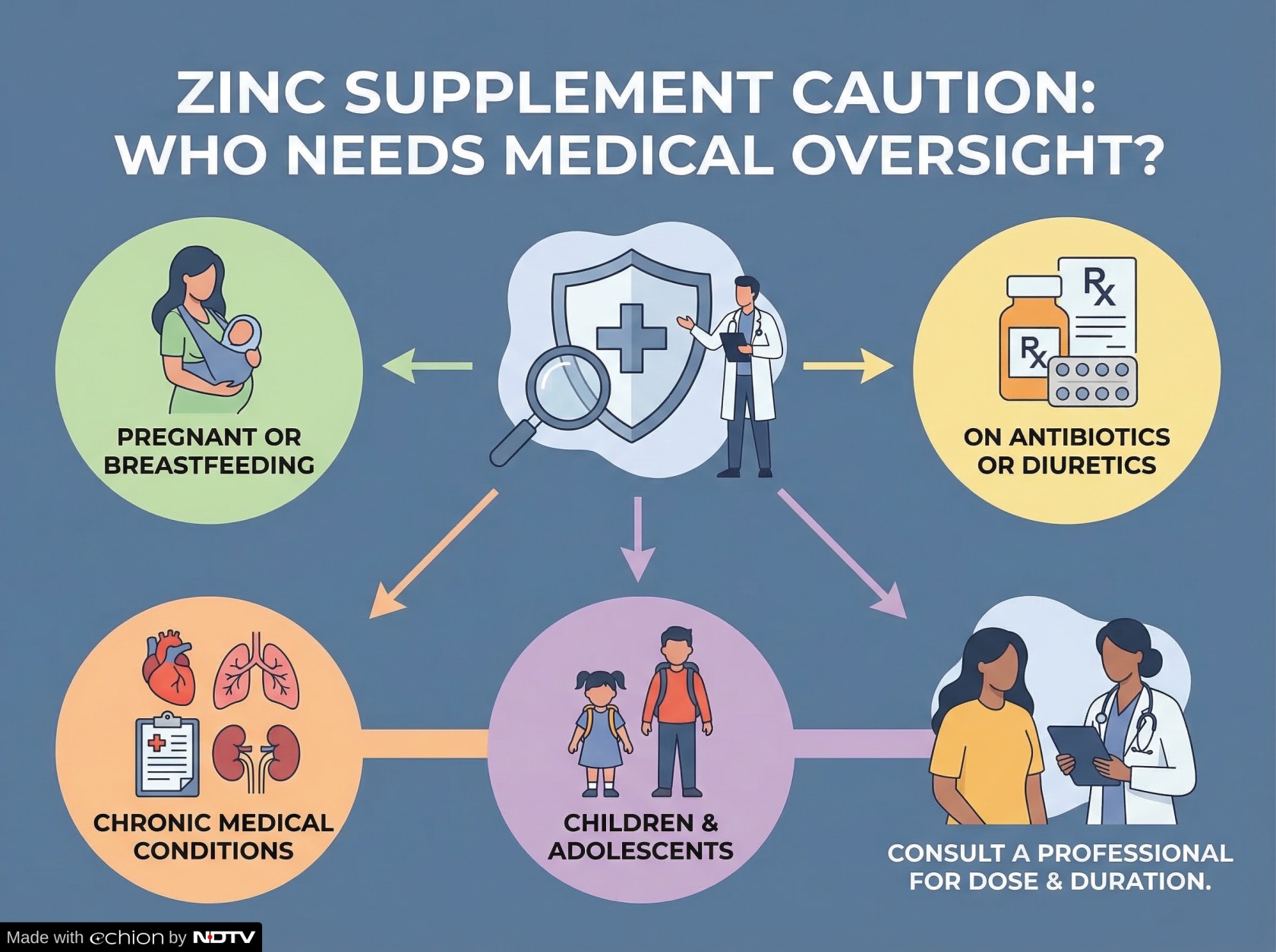
Who Should Be Cautious With Zinc Supplements?
Certain individuals should use zinc supplements only under medical supervision.
These include:
- Pregnant or breastfeeding women
- People taking antibiotics or diuretics
- Individuals with chronic medical conditions
- Children and adolescents
Healthcare professionals can help determine the appropriate dose and duration of supplementation.
Also Read: 8 Supplements You Should Avoid If You Have Kidney And Liver Problems
Can You Get Enough Zinc From Food?
For most people, dietary sources provide sufficient zinc without the need for supplements. Foods rich in zinc include:
- Oysters and shellfish
- Red meat and poultry
- Dairy products
- Pumpkin seeds and nuts
- Whole grains and legumes
Animal-based foods tend to provide zinc in forms that are more easily absorbed than plant sources. Maintaining a balanced diet with diverse nutrient-rich foods remains the safest and most effective way to meet daily zinc requirements.
Zinc is an essential nutrient that supports immunity, wound healing and overall health. While supplements can be helpful for people with confirmed deficiencies or specific medical conditions, taking high doses without medical guidance may cause unwanted side effects.
Experts recommend obtaining zinc primarily through a balanced diet and using supplements only when necessary and in appropriate amounts. Staying within recommended intake limits and consulting a healthcare professional before starting supplementation can help ensure that zinc supports health rather than causing harm.
Disclaimer: This content including advice provides generic information only. It is in no way a substitute for a qualified medical opinion. Always consult a specialist or your own doctor for more information. NDTV does not claim responsibility for this information.