

)
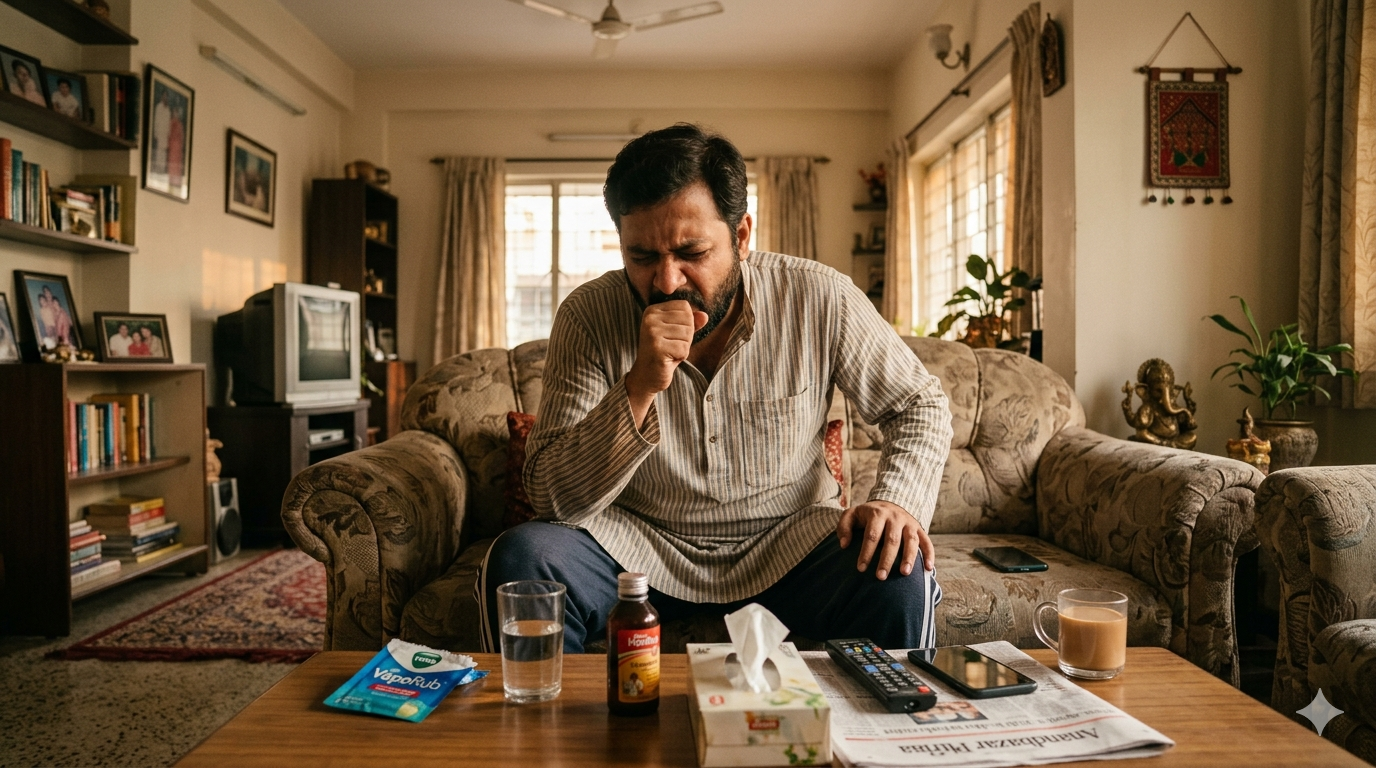
Delhi is witnessing a sharp rise in H1N1 influenza cases, with infections increasing nearly six-fold compared with the same period last year. According to recent reports, Delhi has recorded 1,344 H1N1 cases so far in 2026, compared with 229 cases during the same period last year. This sudden spike has raised concerns among doctors, especially because H1N1 can sometimes cause serious complications.
While most otherwise healthy people recover from H1N1 without major problems, the infection can become more serious in vulnerable groups. Doctors advise people not to ignore persistent or worsening flu symptoms and to seek medical attention when warning signs appear.
What Is H1N1?
H1N1 is a subtype of influenza A virus that causes respiratory illness. It was widely known as "swine flu" during the 2009 pandemic, but the H1N1 virus from that pandemic now circulates as one of the seasonal influenza viruses. It spreads mainly through respiratory droplets when an infected person coughs, sneezes or talks, and can also spread when people touch contaminated surfaces and then touch their mouth, nose or eyes. The infection can range from mild to severe. Some people may recover within several days, while others can develop complications that require hospitalisation.
Common Symptoms Of H1N1
H1N1 symptoms can look similar to those of other respiratory infections. Common symptoms include:
- Fever or chills
- Cough, which may be persistent
- Sore throat
- Headache
- Body or muscle aches
- Extreme tiredness or weakness
- Runny or blocked nose
- Loss of appetite
Some people may also experience nausea, vomiting or diarrhoea, although these symptoms are more commonly seen in children. Difficulty breathing, chest pain or symptoms that get worse should not be ignored.
Who Is At Higher Risk?
Although H1N1 can affect anyone, certain people are more likely to develop severe illness. These include:
- Young children, particularly infants
- Older adults
- Pregnant women
- People with asthma or other chronic lung diseases
- People with heart disease
- Those with diabetes or other chronic medical conditions
- People with weakened immune systems
- People with severe obesity
Children and people with existing health problems may take longer to recover and can be more vulnerable to complications.
What Are The Complications Of H1N1?
Most people recover without serious complications, but influenza can sometimes affect the lungs and other organs.
One of the major complications is pneumonia, which can cause breathing difficulties and may require hospital treatment. H1N1 can also worsen existing asthma or other chronic respiratory conditions.
In severe cases, influenza may lead to respiratory failure, particularly among people already at high risk. Secondary bacterial infections can also occur after influenza. Rarely, influenza can affect other organs and cause complications such as inflammation of the heart or brain. This is why a persistent or worsening infection should not simply be treated as an ordinary cold or flu.
How To Prevent H1N1
Simple precautions can reduce the risk of catching and spreading influenza:
- Get the seasonal flu vaccine: Vaccination can help protect against circulating influenza strains and is particularly important for people at higher risk
- Wash your hands regularly: Use soap and water or an alcohol-based hand sanitiser
- Cover coughs and sneezes: Use a tissue or your elbow rather than your hands
- Avoid close contact when sick: Stay away from others when experiencing flu-like symptoms
- Wear a mask when necessary: This can help reduce respiratory transmission, particularly in crowded or poorly ventilated places
- Avoid touching your face: Try not to touch your eyes, nose and mouth with unwashed hands
- Do not self-medicate with antibiotics: Antibiotics do not work against influenza viruses
When Should You See A Doctor?
People with mild symptoms can often recover with rest, fluids and appropriate medical advice. However, medical attention should be sought if fever or respiratory symptoms persist, become severe or worsen after initially improving.
Breathing difficulty, chest pain, confusion, severe weakness, bluish lips or face, dehydration, or a sudden worsening of symptoms need prompt medical evaluation. People in high-risk groups should also contact a doctor early rather than waiting for symptoms to become severe. Early assessment can help doctors determine whether testing, antiviral treatment or hospital care is needed.
Disclaimer: This content including advice provides generic information only. It is in no way a substitute for a qualified medical opinion. Always consult a specialist or your own doctor for more information. NDTV does not claim responsibility for this information.