

)
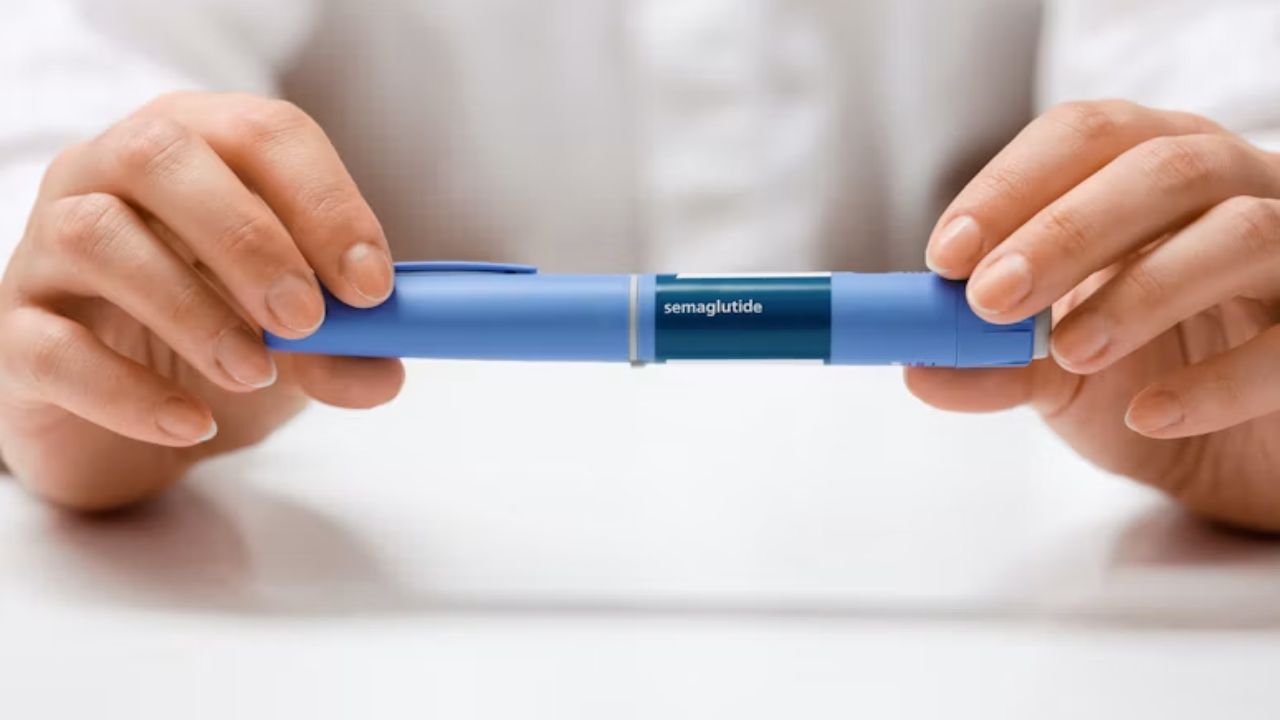
Patients in the US have sued the makers of popular weight-loss and diabetes drugs Ozempic, Wegovy and Mounjaro, alleging that the medicines caused a rare eye condition that can result in sudden and permanent vision loss, according to US court records.
The lawsuits against Novo Nordisk and Eli Lilly have been consolidated in a federal multidistrict litigation (MDL) in the Eastern District of Pennsylvania. The litigation centres on allegations that the companies failed to adequately warn patients and doctors about a possible risk of non-arteritic anterior ischemic optic neuropathy, or NAION.
According to the US Judicial Panel on Multidistrict Litigation, complainants allege that Novo Nordisk's Ozempic, Wegovy and Saxenda, and Eli Lilly's Trulicity, caused them to develop NAION. The lawsuits include claims of failure to warn, defective design and breach of warranties.
NAION involves damage to the optic nerve and can cause sudden vision loss. Some complainants in the lawsuits allege that their vision loss was permanent.
What The Lawsuits Allege
According to the federal court records, the lawsuits raise common questions about the drugs' development, testing, regulatory history, promotion and labelling, as well as their alleged ability to cause NAION.
The complainants allege that the drugmakers knew, or should have known, about the potential risk but failed to adequately investigate it or warn patients and doctors.
The allegations have not been established as findings of fact by the court.
The federal litigation is being heard under MDL No. 3163 in the Eastern District of Pennsylvania. The US Judicial Panel on Multidistrict Litigation said 21 related actions were pending across three federal districts when the request for centralisation was considered in 2025. The panel subsequently transferred 18 cases for coordinated proceedings and identified nine related actions.
Mounjaro Also Named In Later Case
The litigation has since expanded to include allegations involving other GLP-1 medicines, including Eli Lilly's Mounjaro and Zepbound.
In one case filed in May 2026, Omar McCluney sued Eli Lilly and Lilly USA, alleging that he developed NAION and permanent vision loss after taking Mounjaro.
According to his complaint, McCluney used Mounjaro between around January and March 2025. He alleges that Lilly failed to adequately warn users about NAION and failed to sufficiently monitor safety information and update the drug's labelling.
The complaint also cites medical literature, including a 2024 JAMA Ophthalmology study examining a possible association between semaglutide and NAION.
The allegations in the McCluney case, like those in the wider litigation, remain claims made by the complainant.
Court Examining Scientific Evidence
The federal court has also begun examining the scientific questions at the centre of the litigation.
According to the Eastern District of Pennsylvania, the court held a Science Day in June 2026 to address scientific issues relating to GLP-1 drugs and NAION. The court has also ordered early discovery concerning issues common to the lawsuits.
The scientific evidence remains contested. While some research has reported a possible association between GLP-1 drugs and NAION, this does not by itself establish that the medicines cause the condition.
NDTV has reached out to Novo Nordisk and Eli Lilly for their response. This story will be updated when their responses are received.
Separate New Jersey Litigation
There is also separate litigation in New Jersey involving allegations of NAION and vision loss following the use of Ozempic and Wegovy. That state-court litigation is separate from the federal MDL.
The federal cases remain ongoing. The consolidation of the lawsuits is a procedural step to coordinate pre-trial proceedings and does not mean the court has concluded that GLP-1 drugs cause NAION or permanent vision loss.
Disclaimer: This content including advice provides generic information only. It is in no way a substitute for a qualified medical opinion. Always consult a specialist or your own doctor for more information. NDTV does not claim responsibility for this information.