- Wall sits reduce systolic blood pressure more than marching, benefiting heart health
- Marching improves bone density by stimulating osteoblasts through weight-bearing impact
- Marching risks include joint strain, plantar fasciitis, shin splints, and balance issues
The modern Indian lifestyle is often a race against the clock. Between gruelling commutes in heavy traffic and long hours at a desk, finding an hour for the gym feels like a distant luxury. For many, the choice of exercise boils down to what can be squeezed into a five-minute break between chai and the next meeting. While "marching in place" has long been the go-to for those seeking a quick cardio workout, a growing body of scientific evidence suggests that a static "wall sit" might actually be the secret weapon for improving heart and bone health.
But when every minute counts, the real question lies in asking out of these low-gear movements, which one could truly deliver for the Indian body? Especially given the rising local rates of hypertension and early-onset osteoporosis in the Indian population and the need for daily exercise to be introduced for long-term health.
Why Wall Sits Are Good For The Heart?
For decades, aerobic exercises such as marching or brisk walking have been considered the gold standard for blood pressure management. However, a landmark meta-analysis published in the British Journal of Sports Medicine has offered a much deeper look at which type of exercises are better for the heart. The study, which analysed 270 randomised controlled trials, revealed that movements where muscles contract without changing length (isometric exercises) are significantly more effective at lowering resting blood pressure than traditional cardio.
In addition, a study in The Lancet highlighted that over 315 million Indians suffer from hypertension, and wall sits could be helpful. When a person performs a wall sit, the intense muscle contraction in the quads temporarily restricts blood flow. And upon release, a rush of blood occurs, stimulating the production of nitric oxide, which helps dilate blood vessels and improve arterial elasticity.
The British Journal of Sports Medicine found that wall sits can lead to a systolic blood pressure reduction of approximately 8.24 mmHg, compared to just 4.49 mmHg for aerobic training like marching. For a population genetically predisposed to heart issues, these four millimetres could be the difference between health and a lifelong prescription.
Why Marching Is Better For Bone Density?
While the wall sit wins the battle for the heart, marching in place takes the lead for the skeleton. Bone is a living tissue that responds to "loading", the stress placed upon it by gravity and impact. Marching in place is a weight-bearing, low-impact aerobic exercise. Each time the foot hits the floor, it sends a mechanical signal to the osteoblasts (bone-building cells). A 2026 study published in Molecular Diversity Preservation International emphasised that even short, 5-minute bursts of vigorous walking or marching can improve functional capacity and bone mineral density in the lumbar spine and hips.
For Indian women, who often face high rates of vitamin D deficiency and early bone thinning, the rhythmic "thump" of marching provides a necessary stimulus that static holds lack. The repetitive motion also improves joint lubrication and coordination, reducing the risk of falls, which is a primary cause of fractures in later life.
While both marching in place and wall sits are generally safe, "low-impact" does not mean "zero-risk".
Depending on your current fitness level or underlying health conditions, which are common, like vitamin D deficiency or sedentary stiffness, certain side effects can occur.
Also Read: Climbing Stairs Vs. Brisk Walking: Which Is Better For Your Heart?
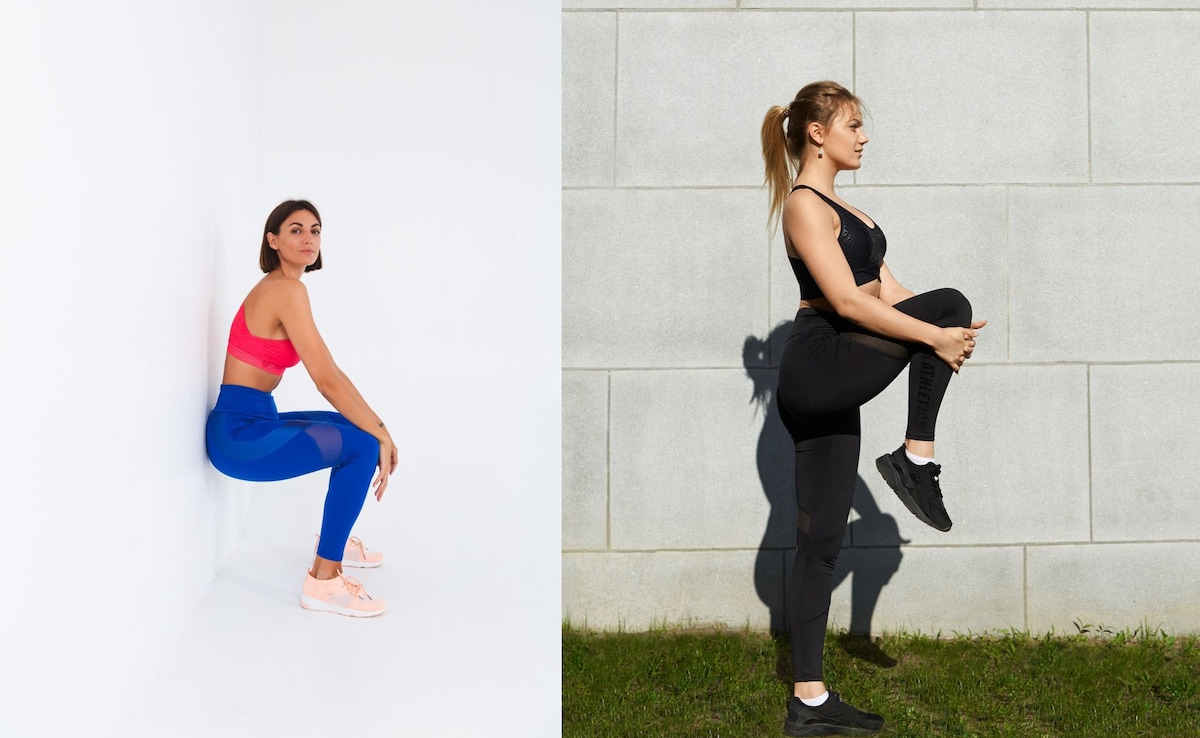
Wall sits and marching in place
Photo Credit: Freepik
Side Effects Of Marching In Place
Marching is a dynamic, weight-bearing exercise. While it builds bone, the repetitive motion can lead to:
- Repetitive pounding on hard floors (like marble or tile common in Indian homes) can aggravate osteoarthritis in the knees or hips.
- Marching barefoot or in unsupportive footwear can cause inflammation in the heel and arch of the foot.
- If the core isn't engaged, high-knee marching can lead to lower back pain due to excessive hip flexor pull.
- Sudden increases in marching duration can cause inflammation in the muscles and tendons around the tibia (shinbone).
- For seniors, the single-leg stance required during a march poses a fall risk if coordination is compromised.
Side Effects Of Wall Sits
Wall sits are isometric and static, but they place intense internal pressure on the body, the following side-effects can occur as a result:
- The "grinding" sensation behind the kneecap can happen if the knees are pushed too far forward (past the toes), it creates excessive compressive force on the knee joint.
- While the long-term benefit is lower blood pressure, the immediate effect is a sharp rise in pressure. People with uncontrolled hypertension should be cautious.
- Holding a deep contraction can trigger acute spasms in the quadriceps or calves, especially if dehydrated.
- Users often subconsciously hold their breath during the hold, which can cause dizziness, fainting, or dangerous internal pressure spikes.
- Pressing the back too firmly against a wall can occasionally compress superficial nerves, leading to a pins-and-needles sensation in the legs.
Safety Tip: Regardless of the move, you should be able to speak a short sentence during the exercise. If you are gasping or feel sharp (rather than dull/burning) pain, stop immediately.
Also Read: Blood Pressure Medicines: 9 Tips To Follow For Effective Results
Which One Should Be Chosen?
For the average Indian adult, the answer depends on the primary health concern. If the goal is to manage high blood pressure, especially for those with a family history of heart disease, the wall sit is the superior 5-minute workout. It requires no space, no equipment, and creates a systemic flushing effect that cardio cannot replicate.
However, for those focusing on bone health or metabolic health (managing blood sugar levels after a meal), marching is more effective. The dynamic movement aids in glucose disposal and keeps the lower-body joints mobile.
Note: Instead of choosing one, studies point to a hybrid approach. A 5-minute routine consisting of 2 minutes of wall sits (held in 30-second intervals) followed by 3 minutes of brisk marching provides a comprehensive heart-and-bone shield.
So, a combination of both exercises can offer benefits for the heart as well as improve overall bone health. But keep the listed side effects in mind and exercise on the right kind of surface with the right kind of shoe to ensure you don't injure yourself.
Disclaimer: This content, including advice, provides generic information only. It is in no way a substitute for a qualified medical opinion. Always consult a specialist or your own doctor for more information. NDTV does not claim responsibility for this information.