- Mango and watermelon are hydrating summer fruits with different effects on blood sugar levels
- Mango causes slower blood sugar spikes but has a higher total sugar load than watermelon
- Watermelon has a higher glycaemic index but fewer carbohydrates per serving than mango
Mango and watermelon are popular summer fruits, as they have a high water content. And the recent heatwave warning issued by the Indian Meteorological Department signals that taking your hydration seriously is non-negotiable. One such precaution is to consume a daily dose of summer fruits that can provide your body with essential vitamins, minerals, and other nutrients essential to beat the summer heat. While the natural fruit sugars in each summer fruit, be it mango or watermelon, are on the higher side, people need to look at the complete fruit profile to figure out which fruit releases its natural food sugars slowly, especially those who are prediabetic or face insulin resistance.
There is common confusion regarding the natural sugar content in both of these summer fruits, and it needs to be uncovered to make sure your plate of summer fruits has the right quantity of each fruit. The exact response that consuming mango or watermelon can cause is the rise or elevation in blood sugar levels, more than the natural sweetness of the fruits.
What Is A Blood Sugar Spike?
A blood sugar spike is the elevation in the blood glucose levels when recorded via a blood-testing device. The elevation in blood sugars is a major factor that needs to be considered when summer fruits such as mango and watermelon are eaten. Their exact serving or portion size matters, as consuming too many mangoes in one go can lead to a significant spike in your blood sugar levels.
- In addition, mangoes, when eaten with protein and fats, can slow down the release of blood sugar levels.
- Ripeness is another factor, as eating slightly unripe mangoes can release blood sugar slowly.
- While for watermelon, the blood sugar spike is higher as the quantity of natural sugars is higher, if the quantity is controlled, then people can safely reap the health benefits.
Note: Diabetics need to be extra careful of their choice of summer fruits, as they can cause a sudden spike in blood sugar levels. Mangoes that are completely ripened and certain varieties can cause a greater blood sugar spike when compared to others.
Also Read: The Fruit Fix: Nutritionist Shares A Guide To Address Common Ailments With Fruits
Glycaemic Index vs. Glycaemic Load: Why Both Matter
The glycaemic index of a food item is the exact measurement of the blood sugar spike caused after eating it. Glycaemic load is the overall elevation in insulin secretion after eating a fruit that is naturally high in natural sugars. Glycaemic load gives a more realistic picture, as the overall effect on the blood sugar levels can be assessed after eating it.
Mango And Blood Sugar: What Happens After Eating Them?
According to the research published in the Current Developments of Nutrition, mango can cause a significant blood sugar spike depending on the ripeness and portion size. But it has a moderate glycaemic index and a higher carbohydrate density. When it comes to the fibre content, it can vary based on the variety being consumed and that which is available regionally. But it does slow down glucose absorption with an effect on the exact slices on your plate.
Mangoes can be safely consumed every day, especially in record-breaking temperatures, as the body needs to be able to regulate its temperature while also absorbing fruits that can hydrate it at the same time.
Watermelon And Blood Sugar: Is It Really Riskier?
According to a review article published in Diabetes Research and Clinical Practice, watermelon has a higher glycaemic index along with a higher water content. This makes it a must-have on your summer fruit plate, but it does have fewer carbohydrates per serving, and it can be absorbed faster when eaten alone or sprinkled with a pinch of black salt.
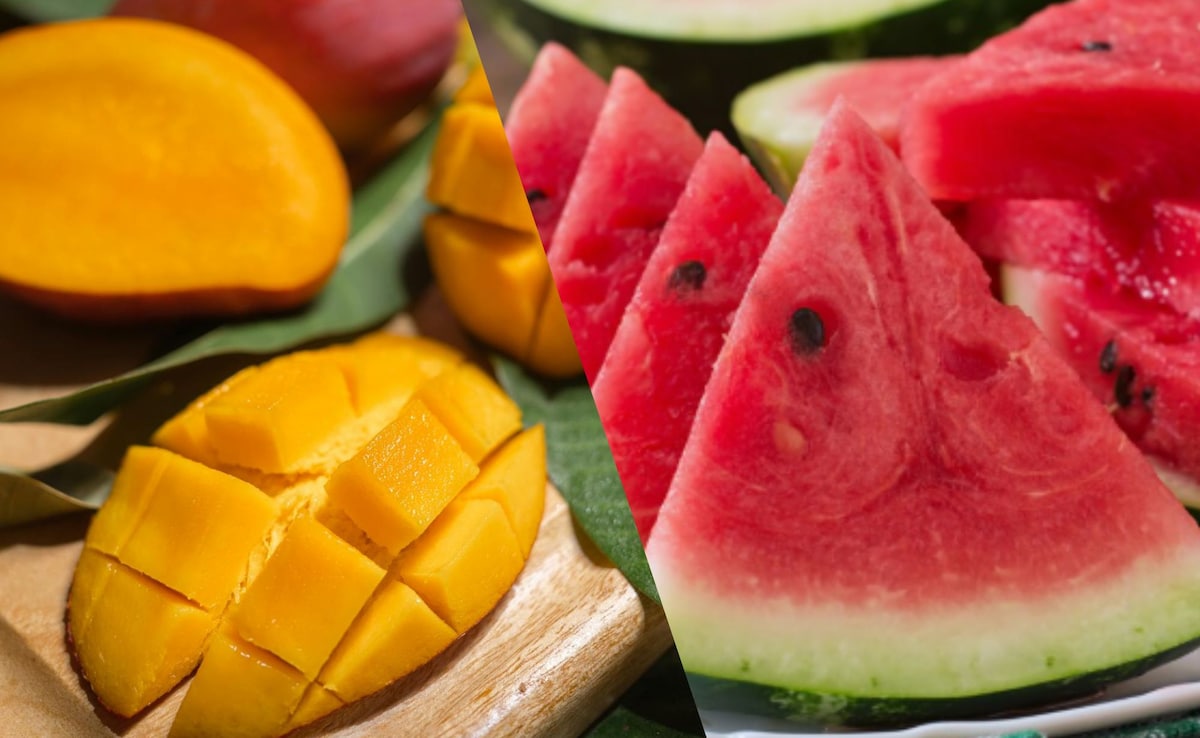
Mango and watermelon are summer fruits whose quantity needs to be controlled for a slower blood sugar spike
Photo Credit: Freepik and Pexels
Mango vs. Watermelon: Which Causes A Slower Blood Sugar Spike?
When it comes to a slower blood sugar spike, mangoes raise the blood sugar levels slowly, while watermelon causes a quicker blood sugar spike. But when it comes to the complete sugar load, watermelon is better, as a ripe mango has a higher total sugar load.
But the nutritional profile of each summer fruit makes it a must-have, but in the right quantity. Consult a nutritionist or dietician who can guide you with the specifications.
Also Read: Is Psyllium Husk The New Superfood For Diabetics? Doctor Explains Its Impact On Blood Sugar Levels
What A Health Expert Advises
Lifestyle and integrative health expert Luke Coutinho advises that eating one small mango or half a large mango is generally considered safe for most people. But overeating mangoes can still raise blood sugar due to their natural fructose content." Here are some practical tips to follow:
- Portion control is key, as eating too much can cause blood sugar spikes.
- Pair fruit with fibre or protein to slow down the way the sugar is released into the blood.
- Avoid fruit juices as the high added sugar content instantly spikes blood sugar levels.
- Timing matters, as post-meal, it is a slow blood sugar spike, while on an empty stomach, it's higher.
Who Should Be More Careful?
People who are vulnerable or at risk of suffering from the following health conditions should avoid consuming large quantities of either mangoes or watermelons:
- People with diabetes or prediabetes should consult their primary care physician.
- Insulin resistance in people should give them pause when the factor of blood sugar is to be considered.
- Those monitoring post-meal glucose spikes can clearly see the rise in their blood sugar levels and make decisions accordingly.
Best Way To Eat Mango And Watermelon Safely
There are small and practical ways to eat mangoes and watermelon safely, such as the following:
- Stick to small portions, as you can control the blood sugar spikes caused by this way.
- Eat with nuts, seeds, or yoghurt; these combinations slow down the blood sugar release slower.
- Avoid late-night fruit consumption, as it is the last food item before your digestive system needs to metabolise what is eaten.
- Fresh fruit over juices, as too many added sugars can cause issues with your blood sugar.
No fruit is "bad" by default; every summer fruit has its health benefits. When it comes to blood sugar, the response depends on how it is eaten, when, and how much. You need to practise balanced eating rather than abandoning food consumption altogether.
Disclaimer: This content, including advice, provides generic information only. It is in no way a substitute for a qualified medical opinion. Always consult a specialist or your own doctor for more information. NDTV does not claim responsibility for this information.