

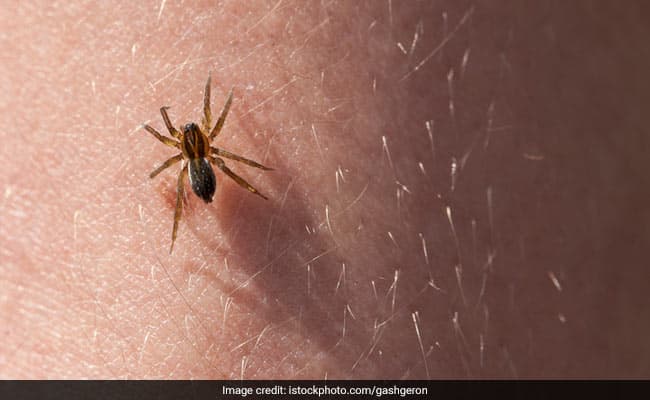
Most spider bites occur when we accidentally trap or brush up against a spider and receive a defensive bite. Thankfully, most spider bites are relatively harmful, and require no specific treatment. On the other hand, occasionally, a spider's bites can cause real harm. Firstly, the bite itself may be extremely painful and may cause injury. This is usually the case with larger spiders. Moreover, if you have been bitten by a venomous spider, it can contain necrotic agents or neurotoxins which can cause you some real harm. So, what should you do if you get bitten by a spider?
The first step is indentifying whether it is a spider bite or not. Identifying a spider bite is easiest if you saw the spider that bit you, but it's possible that you won't notice the wound until hours later. Look for things like swelling, a red welt, skin damage, itching, muscle pain, chills, difficulty breathing, swollen lymph glands, and any troubling symptoms that accompany the bite.
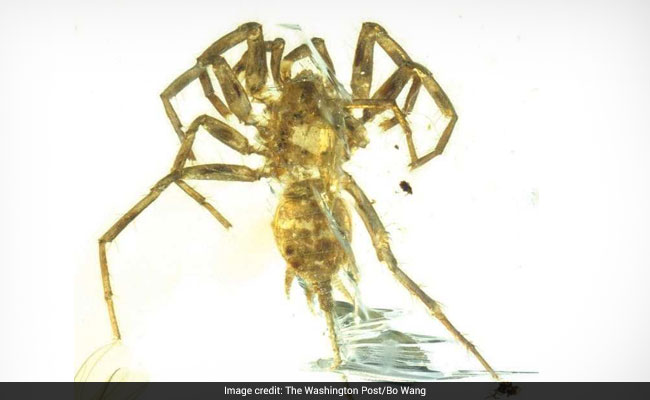
Next, if you think that you have been bitten by a non-venomous spider, you should:
- Apply an ice pack on and off for 10 minutes at a time
- Elevate the area to reduce swelling
- Take an antihistamine to help with itching
- Clean the area to prevent infection
- Apply an anti-biotic ointment to the area if blisters develop
If you believe that you have been bitten by a venomous spider like a Black Widow or a Brown Recluse, and the bite is on an extremity, elevate it and seek immediate medical attention.
It is important to always seek medical attention if you suspect you've been bitten by one of the following species:
- Brown Recluse
- Black Widow
- Hobo Spider
- Tarantula
- Brazilian Wandering Spider