

)
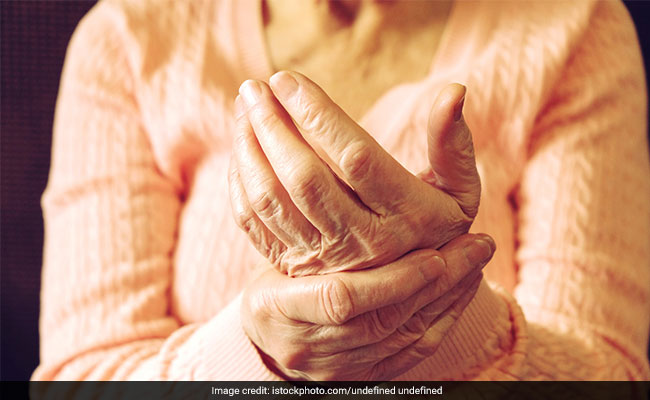
Arthritis is a condition that affects your joints leading to inflammation and pain in joints. It can cause stiffness too. These symptoms may worsen with age. There are different types of arthritis that can affect an individual. When it comes to arthritis diet, it is advised to consume a healthy diet that is loaded with anti-inflammatory foods. While other foods that can trigger inflammation should be avoided. It is also important to focus on foods you consume as it can help in maintaining a healthy weight which will put less stress on the joints. In this article, you will learn about foods you should avoid if suffering from arthritis.
Arthritis diet: Foods you need to avoid
1. Fried and highly processed foods
Foods that are highly processed and deep fired should be avoided for your overall health. Studies suggest that controlling the consumption of fried and processed foods has shown a reduction in inflammation. These foods are also unhealthy for your overall health and can affect your body weight.
Also read: Arthritis pain: Know the basics
2. Too much salt and sugar
Excess of sugar, as well as salt, is harmful to your health. Consumption of these more than required may increase inflammation. Too much sugar can also lead to unhealthy weight and several health issues. Excess salt consumption can harm different body organs.

Avoid consumption of too much sugar to maintain a healthy weight
Photo Credit: iStock
3. Refined carbs
Refined carbs are deprived of most of the fibre. These can contribute to various facts which can result in increased inflammation. You can choose less processed forms for better blood sugars.
Also read: These Remedies Can Help Relieve Arthritis Pain Naturally
Foods you should eat
You can add anti-inflammatory foods to your arthritis diet. Some of these are- fatty fishes, ginger, garlic, berries, spinach, grapes, walnuts and broccoli.
Also read: Arthritis Diet: 5 Anti-Inflammatory Foods That Should Be A Part Of Your Diet
Disclaimer: This content including advice provides generic information only. It is in no way a substitute for qualified medical opinion. Always consult a specialist or your own doctor for more information. NDTV does not claim responsibility for this information.