

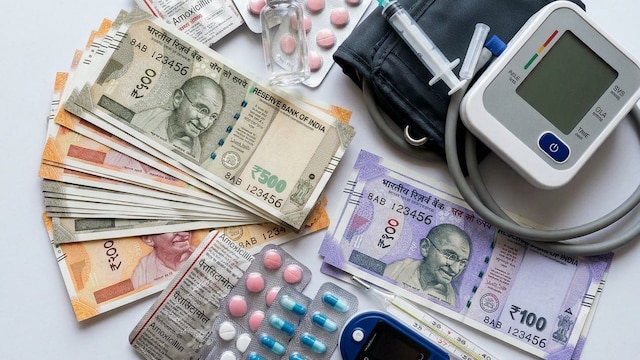
The cost of healthcare in India is expected to rise by 10.1% in 2027, even as the pace of medical cost growth shows signs of moderation, according to a new report by global professional services firm Aon. The projected increase is lower than the 11.5% medical trend rate recorded for 2026, but remains significantly higher than India's projected general inflation rate of 4%.
The findings point to a persistent challenge for employers, insurers and employees: healthcare expenses are continuing to increase faster than the prices of goods and services overall. The report identifies cardiovascular disease as the leading driver of medical claims, followed by ear, nose and throat (ENT), lung and respiratory disorders, and cancer. High blood pressure, physical inactivity and poor nutrition also feature among the important risk factors expected to contribute to future healthcare claims.
The findings are particularly relevant in India, where the growing burden of chronic diseases is creating pressure on healthcare delivery and employer-sponsored medical benefits. While the projected increase in medical costs has moderated, the underlying demand for treatment, specialist care and advanced medicines remains a concern. The report also highlights why prevention, early intervention and better-designed health benefits will be important in managing future costs.
Medical Costs To Rise More Than Twice As Fast As Inflation
Aon's 2027 Global Medical Trend Rates Report projects that India's medical costs will increase by 10.1% in 2027, compared with 11.5% in 2026. However, the report cautions against interpreting this moderation as a reduction in healthcare expenses.
India's projected general inflation rate for 2027 is 4%. After accounting for inflation, the net medical trend rate is expected to be 6.1%, down from 7.4% in 2026. This means medical costs are still projected to rise substantially faster than general prices.
The report states that medical trend represents the anticipated annual percentage increase in the cost of treating patients and providing healthcare services. A lower trend rate indicates that costs are increasing more slowly than before, not that healthcare costs are falling.
Ashley D'Silva, Head of Health and Wealth Solutions, India, Aon, said: "With local medical costs still rising at more than twice the rate of inflation, benefits budgets will remain under pressure."
India's projected medical trend rate is also higher than the Asia-Pacific average of 9.7% for 2027. It is above China's projected 6%, although below Singapore's 14.7%, Thailand's 11.7% and Indonesia's 17.3%.
Heart Disease, Respiratory Conditions And Cancer Drive Medical Claims
One of the most important findings for India's health landscape is the concentration of medical claims around chronic and serious diseases. According to Aon's India press release, cardiovascular disease is the leading driver of medical claims, followed by ENT and lung or respiratory diseases, and cancer.
These conditions can require prolonged treatment, specialist consultations, hospitalisation, diagnostic investigations and, in some cases, expensive procedures or long-term medication. Their contribution to medical claims also highlights the importance of identifying risk factors before they develop into more serious health problems.
The report's global analysis similarly identifies cardiovascular disease as the leading driver of employer-sponsored medical costs. Cancer is the second most significant driver globally, while hypertension remains a major contributor to healthcare costs and a risk factor for several chronic conditions.
For India, the findings are a reminder that the financial burden of healthcare is closely linked to the country's growing non-communicable disease challenge. High blood pressure, diabetes, obesity and cardiovascular risk can often remain undetected or inadequately managed until complications develop.
High Blood Pressure, Physical Inactivity And Obesity Add To The Risk
The report identifies high blood pressure, physical inactivity and poor nutrition among the important risk factors expected to contribute to future healthcare claims in the region.
Its global analysis also highlights obesity as an increasingly important driver of chronic disease. Obesity has risen from the fifth leading global health risk factor two years ago to the third position in the report's 2027 assessment.
The report notes that obesity's growing prevalence is contributing to higher rates of diabetes and other chronic conditions. These trends could increase demand for long-term treatment and weight-management interventions.
Aon Vice President and Data and Analytics Leader, Global Benefits, Kathryn Davis, said that while cardiovascular disease, cancer and hypertension remain the leading cost conditions, rising obesity and diabetes rates suggest employers may face increasing pressure from chronic health conditions in the years ahead.
This is particularly relevant for India, where diabetes, high blood pressure and excess abdominal fat are important public-health concerns. The findings underline the need to address underlying metabolic risks through early detection, healthier diets and regular physical activity rather than relying only on treatment after a diagnosis.
READ | Centre Asks States To Ensure Hospitals Prominently Display Treatment Costs For Patients
GLP-1 Drugs Add A New Dimension To Healthcare Costs
The growing use of GLP-1 receptor agonists and similar medicines for diabetes and weight management is another emerging factor in healthcare spending.
Aon's global report says these treatments are available in almost 70% of the countries surveyed and are covered by employer-sponsored medical plans in around half of these markets. It estimates that GLP-1 medicines can account for between 1% and 10% of medical trend rates in some markets, with the average contribution exceeding 3%.
The report identifies diabetes as a major contributor to medical plan costs, with 54 markets reporting it among their top five cost-driving conditions.
While these medicines can offer important health benefits when prescribed appropriately, their growing use also raises questions about affordability, insurance coverage and long-term access. The report notes that employers will increasingly need to balance access to such treatments with clinical appropriateness and sustainable healthcare spending.
It does not provide a separate estimate of GLP-1-related medical costs in India, so the global figures should not be interpreted as the impact of these medicines on Indian employer health plans.
Why Prevention And Early Intervention Matter
Aon's report suggests that employers are increasingly looking at prevention and employee wellbeing as ways to manage long-term healthcare costs.
Globally, 87% of countries surveyed reported using wellbeing initiatives as a cost-mitigation strategy for 2027. Around two-thirds expect to use flexible benefits to manage expenses while offering employees greater choice.
Ariz Rizvi, Head of Health Risk Management, Health Solutions, India, Aon, said: "India's workforce is diverse and rapidly evolving, making a one-size-fits-all approach to benefits increasingly ineffective."
He added that investment in prevention, flexible benefits and employee wellbeing can help organisations build more sustainable health programmes while supporting productivity and workforce resilience.
READ | Cancer Drug Prices Slashed By Over 90%, But Experts Say One-Time Cuts Won't End Overpricing
For Indian employers, this could mean greater emphasis on regular health assessments, screening for hypertension and diabetes, access to preventive consultations, mental and physical wellbeing programmes, and support for employees managing chronic conditions.
India's projected 10.1% medical cost increase in 2027 signals that healthcare spending will remain under pressure despite a moderation in the rate of growth. Cardiovascular disease, respiratory disorders and cancer continue to drive medical claims, while hypertension, inactivity, poor nutrition, obesity and diabetes add to the long-term burden. The findings reinforce the importance of prevention, early diagnosis and sustained management of chronic conditions. For employers and healthcare providers, the challenge will be to make quality care more accessible without allowing rising costs to make treatment increasingly difficult to afford.
Disclaimer: This content including advice provides generic information only. It is in no way a substitute for a qualified medical opinion. Always consult a specialist or your own doctor for more information. NDTV does not claim responsibility for this information.