- The Apollo report reveals hidden health risks in young and working-age Indians in 2025
- Obesity and diabetes affect a large portion of India’s population, with underdiagnosis common
- Young adults face pre-diabetes and poor physical health linked to lifestyle and mental health
In India, health risks that can lead to disease are staying hidden for a longer time, as per the Apollo Health of the Nation 2026 report. The report is based on over 3 million preventive health assessments that were conducted across Apollo's network in 2025. The focus area of the assessment was on young adults and working-age Indians who were found to show a particular pattern when it comes to potentially developing disease in their lifetime. The disease risk appears earlier but stays hidden, or rather, undiagnosed, for years.
Particularly, this is an issue as obesity and diabetes already have an existing chronic disease burden of about 30% and 89.8 million as of different types of obesity as of 2024. These figures, as per the IJSP Journal and International Diabetes Federation, highlight that more and more chronic diseases pose a rising chronic disease burden. And the new Apollo report supports these findings to a great extent, as well as the factor of underdiagnosis remaining an issue.
Health Risks That Are Effecting Young Indians
Young Indians between the ages of 20 and 30 are vulnerable or at risk of developing pre-diabetes. This is determined via raised blood sugar levels, and the causes are related to diet, lifestyle, lack of physical activity, and continuing declining mental health. The body and mind are interlinked, and early intervention can help reverse pre-diabetes in 28% of the population, with only 7% of those over the age of 50.
When it comes to the Indian under 30s, the problem of poor flexibility, strength, and balance is an issue. It is linked to a shorter lifespan and an increase in vascular disease.
Indian medical research bodies have recorded extensive data that reveals 2 in three young adults are at risk of non-communicable diseases (NCDs) such as obesity, diabetes, heart disease, and many more such diseases.
Also Read: Oral Glucose Tolerance Test (OGTT) vs HbA1c: Which Test Is More Reliable For Diagnosing Diabetes?
The Working Population Faces A Silent Metabolic Crisis
The working population in India is facing a silent metabolic crisis that has made them vulnerable to developing high blood pressure, becoming overweight, or facing issues with managing their blood sugar. Here is what you need to know:
- 8 in 10 working professionals are overweight as per the Health of Nation Report published by Apollo Hospitals, which signals a crisis that needs to be addressed for controlling the rising disease burden on a fragile healthcare system.
- Nearly half have prediabetes or diabetes, which points to establishing regular and active blood sugar management plans that are rooted in science.
- 1 in 4 have high blood pressure despite being asymptomatic, which points to the lack of timely and accurate health check-ups to make people aware of their blood pressure levels.
- While the common belief is that if you are active and working, then you are considered healthy, the data clearly points to a different reality.
Why These Health Risks Stay Hidden For So Long
Young people tend to have a not-so-serious relationship to their health, which makes them skip routine blood tests that can often lead to missing signs of early disease. Here are the health risks that you should be aware of:
- 74% of people with fatty liver had normal liver enzymes. Knowing the causes of fatty liver disease is important to being careful with your health.
- 45% of asymptomatic individuals had early heart disease that can only be detected via coronary calcium scoring, which is accessible in specialised facilities.
- Young people need enhanced access to quality healthcare services that involve accurate diagnostic imaging, functional testing, and risk stratification, not just basic labs.
Also Read: Bengaluru UV Index Levels Hit Extreme: Skin Doctors Share What This Means, With Protective Tips
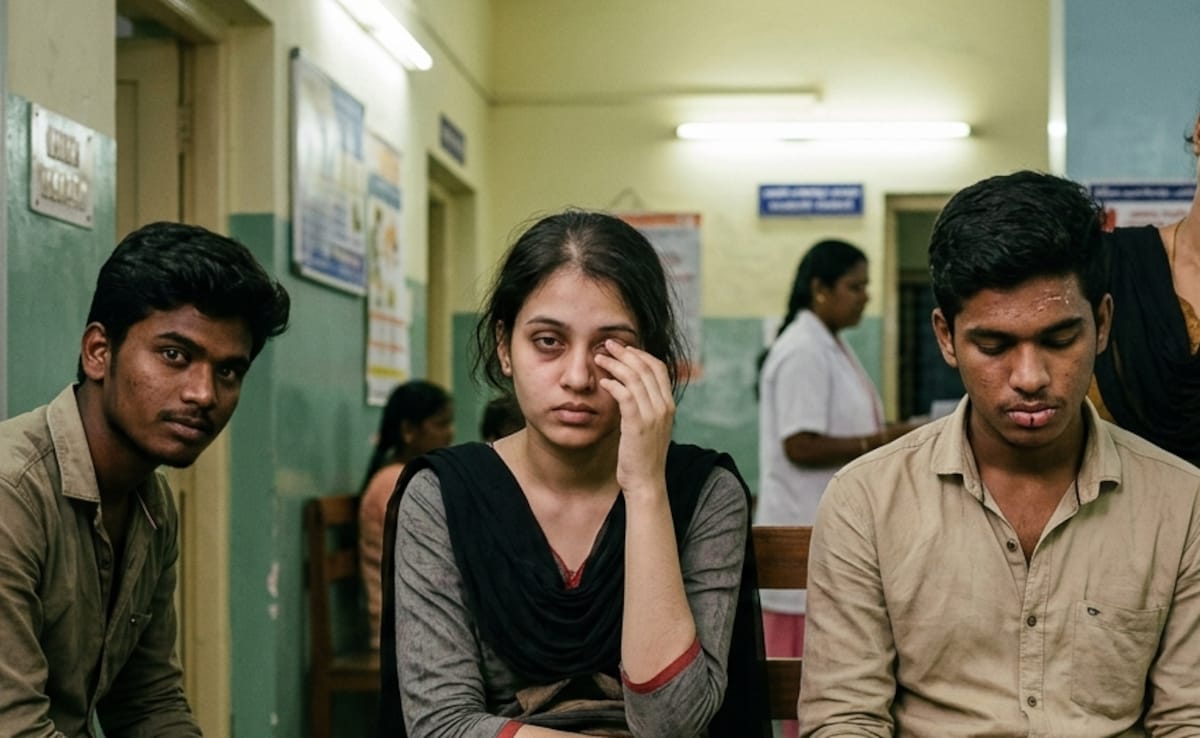
Young Indians with vitamin deficiencies
Photo Credit: A.I generated image
Widespread Vitamin Deficiencies Are Making the Problem Worse
Indians face a rising crisis of being vitamin-deficient as their diets are less varied and lack diversity. Nutrient-dense quality foods are scarce and are only accessible to those who can afford them. Here are two major vitamin deficiencies that are making the problem worse:
- Nearly 70% are vitamin D deficient, which impacts the overall nutrient absorption capabilities in the body.
- Close to half have low vitamin B12, which causes low energy levels and problems with fatigue, mouth issues, and even neurological symptoms.
- The implications of these vitamin deficiencies are a proportional increase in fatigue, bone health, and nerve function.
- It is also linked to insulin resistance and heart disease risk and needs to be taken seriously via a proper diet.
Women Face Unique Health Risks
Women in India face a rising load of being iron-deficient and becoming centrally obese due to lifestyle factors. Along with this, the mean age of breast cancer detection is 51 years, which is nearly a decade earlier than in Western countries. Among women who were screened over 40, 1 in 359 had asymptomatic breast cancer, which is a hidden health risk that can cause serious health complications.
The Big Shift The Report Calls For
The report highlights that the focus should be on preventive medicine that focuses on diet, exercise, and stress management. Here are some points that have been highlighted:
- Health checks shouldn't be fear-driven or symptom-based; they should be based on holistic diagnostic criteria.
- Medical testing needs to be personalised, proactive, and continuous to create a supportive healthcare screening system.
- Preventive care should be framed as a public health strategy, not a luxury for only those who can afford it.
Why This Matters for India's Future Health Burden
If young Indians are suffering from diseases earlier than their expected baseline, then the duration of dealing with the diseases gets longer. This is why:
- This can lead to higher and long-term healthcare costs that can put stress on a healthcare system that is stretched too thin.
- Lost productivity during peak working years is possible if working-class professionals spend most of their time dealing with health issues.
- Preventable damage is caught early, as diseases need to be caught before they progress and evolve to dangerous levels.
Also Read: Muscle Loss And Reduced Strength Are Emerging As Major Health Concerns; Fortis Doctor Explains Why
What Individuals Can Take Away
The report serves as a glaring call to become proactive and vigilant with your health. You need to:
- Do not solely rely on symptoms, as asymptomatic diseases can take hold of your body.
- Understanding family history and metabolic risk is key to being vigilant and focusing on prevention.
- Regular screening beyond basic blood tests is needed for proper prevention of diseases.
- People need to pay attention to fitness, nutrition, and micronutrients to balance their diet and lifestyle.
So, the report clearly details that young Indians need to invest in their health. Be it adopting healthy habits that improve their overall well-being or actively practising a holistic approach that is needed to prevent chronic diseases.
Disclaimer: This content, including advice, provides generic information only. It is in no way a substitute for a qualified medical opinion. Always consult a specialist or your own doctor for more information. NDTV does not claim responsibility for this information.