- Urban reliance on grocery delivery reduces physical activity and fresh food intake
- Ultra-processed foods (UPFs) harm gut health and increase India's disease burden
- UPFs linked to obesity, heart disease, diabetes, infertility, and chronic illnesses
People who live in cities tend to immediately jump to ordering something to eat via a grocery delivery service. But the cost of convenience may be costing years of your health, as your daily stroll to the grocery shop to buy bananas is being replaced by staring at the screen to order refrigerated bananas instead. Not only is their nutritional value depleted, but the physical activity has vanished with the convenience factor. India is noticing a quick-commerce boom, but with it, it is also noticing a steep rise in consumption of ultra-processed foods, be they ready-made packets or ready meal kits that need to be reheated to consume to satisfy hunger. This has also been flagged in the 16th Probiotic Symposium, where experienced medical professionals with decades of first-hand patient experience have highlighted that the consumption of ultra-processed foods is ruining gut health on a national level and contributing to India's disease burden significantly.
What Are Ultra-Processed Foods (UPFs)?
Ultra-processed foods, or UPFs, are the refined version of foods that can normally be available in packages for easy consumption. On the other hand, HFSS foods are specific processed foods that have a high dose of fats, sugars, and salt, which can be seen via their food labels. When it comes to the most commonly consumed ultra-processed foods, people normally consume chips, instant noodles, packaged desserts, and sugary drinks. While there are versions of each of these snacks that are somewhat healthier with baked, lower-sodium, and diet versions, their impact on the gut lining of people is the main issue.
According to the research published in BMC Public Health, the rate of ultra-processed foods has resulted in 37.9% of all deaths in 1990, and the number has grown to 61.8% in 2016. This staggering correlation proves that the quantity of ultra-processed foods and daily consumption habits are directly driving a significant mortaility risk due to non-communicable diseases.
Quick Commerce And The Rise Of Convenience Diets
The fast-paced lifestyle has led to the need for individuals to satisfy their hunger and cravings through convenience diets. And quick commerce platforms are fulfilling this need through a speedy delivery service and long shelf-life products that can immediately satiate hunger. The central problem with these foods is their ability to damage the intestinal lining and impact gut health. Once gut health is out of balance, then the entire body's functioning is out of sync. Be it the brain that becomes impacted via the gut-brain axis, skin health that shows signs of inflammation externally, or even the start of major chronic diseases like problems with insulin regulation, and mainly severe health problems related to weight.
Moreover, their storage solutions, such as refrigerating fresh fruits and vegetables, can further reduce the minimal nutritional content that is a result of contaminated water sources used for cultivation, and the use of pesticides is a major health concern.
This has been highlighted in several research articles and reviews published in the Antioxidants journal, Minimally Processed Refrigerated Fruits and Vegetables, and many more.
Health Impacts Of Ultra-Processed Diets
A diet that is high in ultra-processed foods can lead to serious health consequences that take a long time to show visible signs. Hence, their slow-building nature needs to be treated with the seriousness it deserves. Consuming a diet that mainly contains ultra-processed foods has direct links to obesity, heart disease, and even infertility. Hence, the wide scope of its health side-effects, especially long-term, needs to be dealt with in a stern manner.
- While there are new innovations to reduce the ultra-processed foods on the market by adopting healthier versions of the processed counterparts, their accessibility and cost are major barriers.
- There is an extensive amount of research mentioned in the Birth Defects Research that warns of the severe health impacts of consuming ultra-processed foods by the mother during pregnancy, as it may affect embryonic growth and hormone balance.
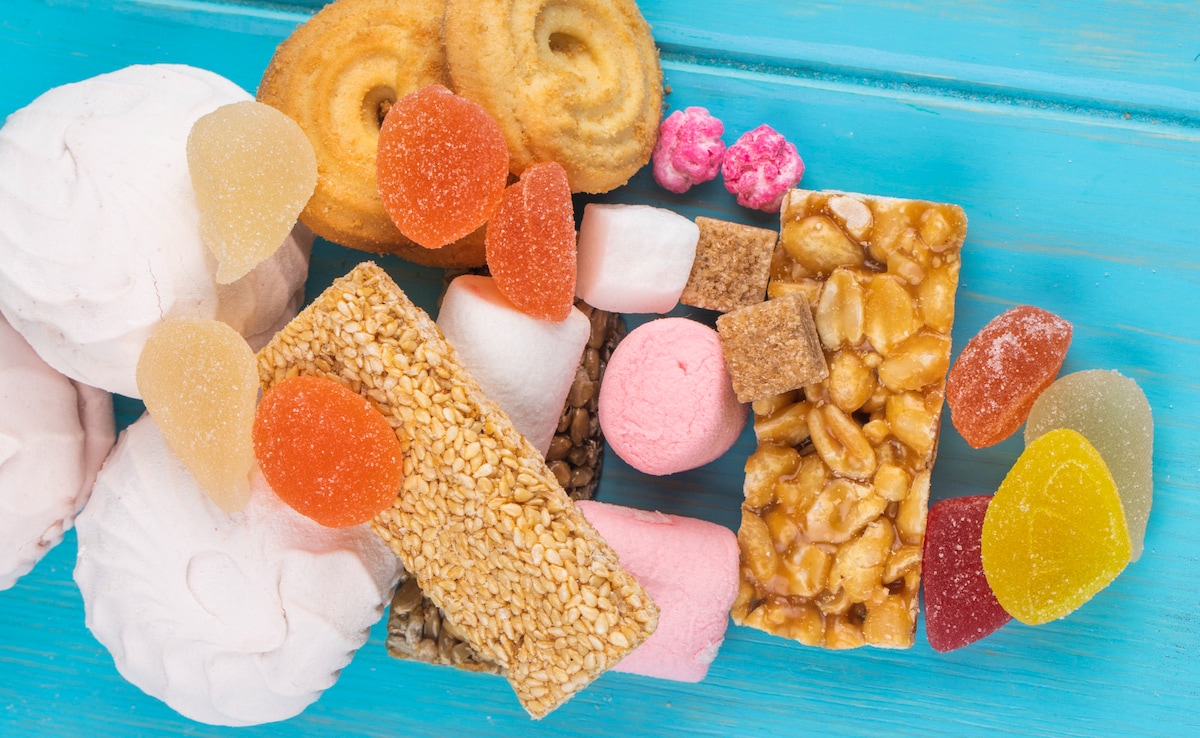
Ultra processed foods
Photo Credit: Freepik
India's Disease Burden And Dietary Shifts
Currently, 89.8 million adults in India are affected by diabetes, as per the Indian Diabetes Federation, and similar metabolism-related disorders are becoming increasingly common. This is why people in India need to focus on their diet to counteract its ability to lead to serious long-term health issues that can lower overall quality of life. Here is why:
- Not only is the vast population of India dealing with varying degrees of diseases that are directly related to poor gut health from dietary habits, but the regional load on the healthcare infrastructure is also immense.
- Medical professionals are overwhelmed with patients who fail to understand that what they are eating is directly ruining their gut health and leading to the development of chronic diseases.
- Indians are prioritising convenience diets over a fresh diet that requires careful planning, execution, and daily commitment to their well-being.
- The high percentage of ultra-processed foods is quietly reshaping public health and needs to be addressed on a systematic level to avoid dealing with the fallout on healthcare facilities.
Consumer Awareness And Labelling
There needs to be clear warning signs that are visible to anyone purchasing food items; that is why red labels are needed. When a food item can cause significant health damage, then a health warning in a red box in all caps can be a way to raise consumer awareness. This hasn't been adopted in particular for food items with high fat, sodium, and additives that ruin the gut lining. But the need to scan the foods even before purchasing them is required to avoid spending money on foods that can directly harm your gut and potentially lead to chronic diseases.
People need to carefully scan each food item and question the ingredients using tools such as simple internet searches of their health side effects and alternate names of the same ingredients that can be used as flavours.
The Indian traditional diets, such as thalis, and indigenous ingredients increase the flavonoid content and balance the gut flora with enough good bacteria that can reverse the trend.
What You Can Do
- You need to identify what you are consuming on a daily basis and avoid ultra-processed food consumption.
- There are healthy swaps that are needed and need to be made consciously, and you need to know how to shop smart on quick-commerce platforms.
- You need to choose the healthier version of the market for your go-to cravings and make sure the portion of it is controlled.
- Ensure a healthy and emotionally regulated brain to counteract the constant urge to eat, as people tend to binge eat when they are stressed or facing emotional turmoil.
There is an urgent need to rethink convenience diets that rewire your dietary choices to make the right choice to ensure long-term physical and mental well-being.
Disclaimer: This content, including advice, provides generic information only. It is in no way a substitute for a qualified medical opinion. Always consult a specialist or your own doctor for more information. NDTV does not claim responsibility for this information.